

 Предпросмотр
 Поделиться
 Поделиться
 Детали произведения

 Скачать
 Похожие работы
 Рентгенография
 Слайд-шоу
 Статистика
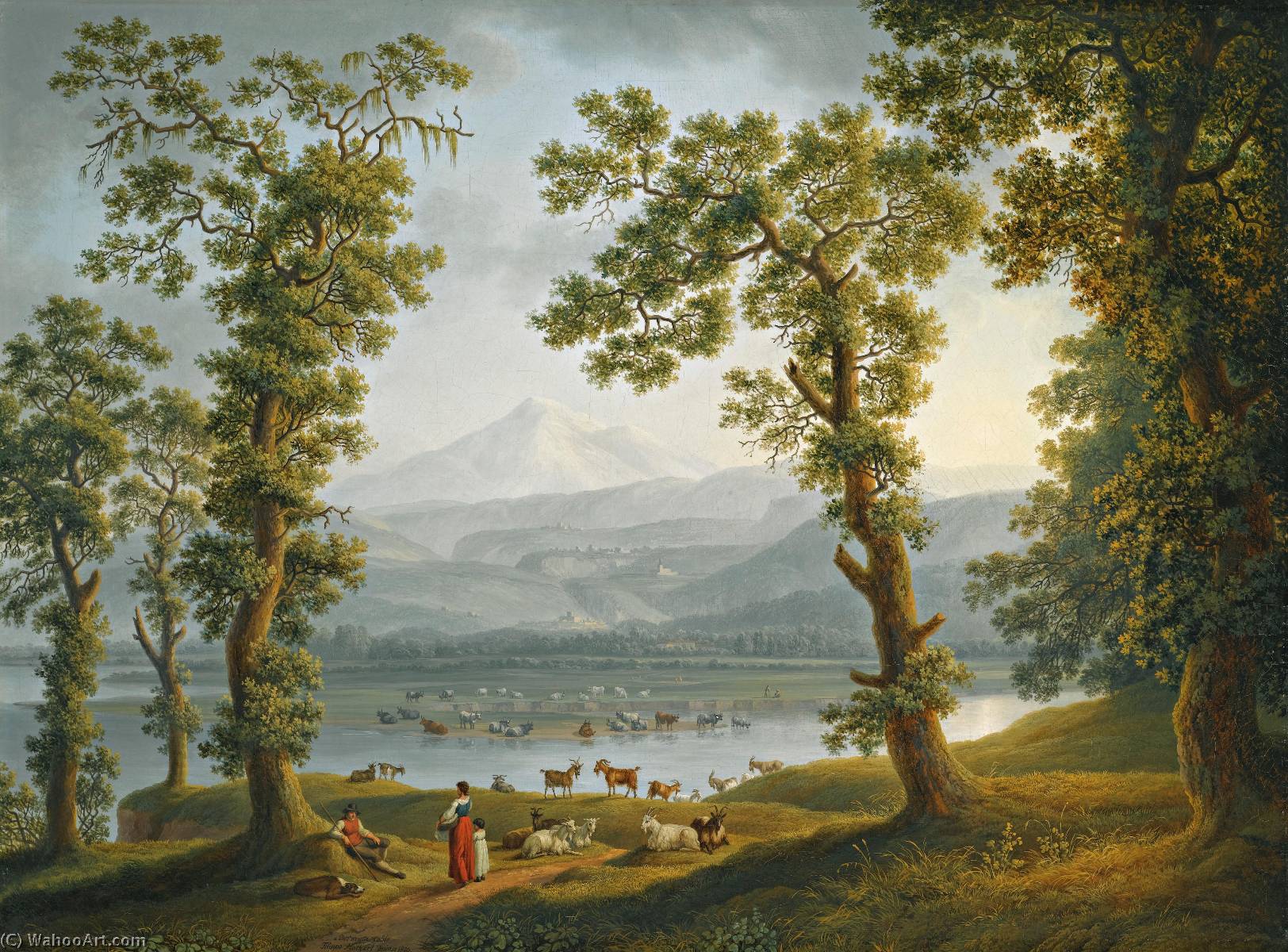
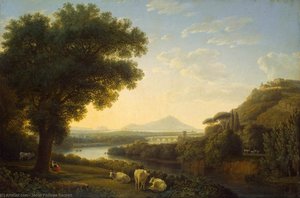
a view across the Volturno river towards Alife, Piedimonte Matese, and the Matese Mountains rising beyond
 65.0 x 88.0 cm
 Читать далее
Приобретите цифровое изображение высокого разрешения в улучшенном качестве, которое значительно превосходит онлайн-превью.
Каждый файл тщательно подготавливается нашими специалистами с использованием передовых инструментов и экспертной ручной ретуши. Мы гарантируем исключительную четкость, точную цветопередачу и детальную проработку каждого изображения.
Финальный файл доставляется по электронной почте в течение 72 часов и оптимизирован для немедленного использования в профессиональной среде, при верстке и печати. Это тот же уровень качества, которому доверяют ведущие дизайнерские студии, издательства и галереи.
Цифровое изображение
Скачайте файл высокого разрешения для личного использования, печати и творческих проектов. ( Перейти к печати Купить картину ручной работы)
Включено в каждый заказ цифровых изображений
Гарантия экспертной цифровой доставки
Выбирая ArtsDot.com, вы получаете не просто изображение — вы приобретаете профессионально обработанное цифровое произведение искусства, созданное с безупречной точностью и под защитой гарантии качества. Вот всё, что автоматически входит в ваш заказ:

Мгновенная доставка по e-mail
Ваш цифровой файл в высоком разрешении будет отправлен вам по электронной почте в течение 72 часов после оформления заказа — и сразу станет доступен для использования.

Цифровой файл с ИИ-улучшением
Ваше произведение искусства проходит профессиональную оптимизацию с использованием передовых инструментов ИИ и ручной обработки, что гарантирует максимальную детализацию, четкость и точность цветопередачи.

Бессрочная бесплатная повторная доставка
Случайно удалили или потеряли файл? Не беспокойтесь — мы отправим его вам повторно в любое время и совершенно бесплатно.

Без импортных пошлин — навсегда
Наслаждайтесь вашим произведением искусства мгновенно без таможенных пошлин, сборов или затрат на доставку — цифровые загрузки всегда не облагаются налогом.

Гарантия точности цветопередачи
Мы гарантируем, что ваше цифровое изображение максимально точно передает оригинальные цвета благодаря использованию профессиональных инструментов и систем управления цветом.

Гарантия удовлетворенности 100 дней
Если вы не будете удовлетворены своим цифровым изображением, мы внесем правки или вернем 100% стоимости в течение 100 дней — без лишних вопросов.

100% Гарантия возврата средств
Не удовлетворены покупкой? Получите полный возврат средств в течение 100 дней после получения цифрового файла — без лишних вопросов.

Скидки на оптовые заказы
Купите 3 изображения, сэкономьте 10% — Купите 5, сэкономьте 15% — Купите 10+, сэкономьте 20%. Отличное решение для творческих проектов, галерей и агентств.
Похожие произведения
Биография художника
Jean Baptiste Vanmour: A Painter of Venetian Light and French Grandeur
Born in Valenciennes, France, in 1671, Jean Baptiste Vanmour’s life was a tapestry woven across Europe, culminating in his untimely death in Constantinople (Istanbul) in 1737. Initially trained as a painter's assistant, Vanmour quickly established himself as a significant figure within the vibrant artistic circles of the late Baroque and early Rococo periods. His work is characterized by a remarkable ability to capture the luminous quality of Venetian light – a skill he honed during his extended sojourn in Italy – combined with a distinctly French sensibility and an appreciation for classical composition. While often overshadowed by more celebrated contemporaries, Vanmour’s contributions to portraiture, history painting, and landscape offer a compelling glimpse into the artistic exchange of the 18th century.
Vanmour's early career was marked by apprenticeship and travel. He began his training under the esteemed painter, Jean-Baptiste Monestier, absorbing fundamental techniques and developing an eye for detail. Following this foundation, he spent several years in Italy, a period crucial to the development of his artistic style. It was here that he immersed himself in the rich traditions of Venetian painting, studying the works of masters like Titian and Veronese. The influence of these artists is readily apparent in Vanmour’s later paintings – particularly his masterful use of color, atmospheric perspective, and the dramatic interplay of light and shadow. He wasn't merely copying; he was actively synthesizing these influences into a distinctly personal style.
- Venetian Techniques: Vanmour meticulously studied the techniques employed by Venetian painters, mastering the layering of glazes to achieve luminous effects and utilizing chiaroscuro – strong contrasts between light and dark – to create dramatic depth.
- Compositional Influence: He adopted classical compositional principles, employing balanced arrangements and carefully positioned figures to convey a sense of harmony and order.
- Portraiture as Observation: Vanmour’s portraiture was notable for its realism and psychological insight. He wasn't interested in merely depicting physical appearances; he sought to capture the character and personality of his subjects, often employing subtle gestures and expressions to reveal their inner lives.
The Influence of Jacob Philipp Hackert and the Rise of Landscape Painting
Vanmour’s artistic journey took a significant turn in the late 1760s when he encountered Jacob Philipp Hackert, another prominent German landscape painter working in Italy. Hackert, known for his evocative depictions of Italian scenery, recognized Vanmour's talent and offered guidance on capturing the nuances of light and atmosphere. This encounter proved pivotal, solidifying Vanmour’s commitment to landscape painting and expanding his artistic horizons. While Vanmour primarily focused on portraiture and history paintings, he increasingly incorporated elements of landscape into his work, creating scenes that were both visually stunning and emotionally resonant.
Hackert's influence is particularly evident in Vanmour’s later landscapes – characterized by a heightened sense of realism and an attention to detail previously absent in his oeuvre. Vanmour adopted Hackert’s approach to depicting the natural world, meticulously observing and rendering the textures, colors, and forms of trees, rocks, and water. This shift towards landscape painting reflected a broader trend within 18th-century art – a growing appreciation for nature and its beauty.
Notable Works and Historical Context
Vanmour’s artistic output spanned several decades and encompassed a wide range of subjects, including portraits of royalty, nobility, and prominent figures of the era. He also produced numerous historical paintings depicting scenes from classical mythology and biblical narratives. His work was highly sought after by European courts and collectors, reflecting his reputation as one of the most skilled painters of his time.
- Portrait of Madame de Pompadour: This iconic portrait exemplifies Vanmour’s mastery of color and composition, capturing the elegance and sophistication of the influential mistress of Louis XV.
- The Death of Socrates: A dramatic historical painting that showcases Vanmour's ability to convey emotion and narrative through visual imagery.
- Views of Venice: Several paintings depict Venetian landscapes, demonstrating his deep understanding of light and atmosphere in this iconic city.
During the period of his artistic activity, Europe was undergoing significant political and social change. The Enlightenment fostered a spirit of intellectual inquiry and challenged traditional hierarchies. Vanmour’s work reflects these changes, often depicting subjects with a degree of realism and psychological depth that was uncommon in earlier art. His paintings served as both decorative objects and visual records of the era.
Legacy and Historical Significance
Despite his considerable talent and prolific output, Jean Baptiste Vanmour’s legacy has remained somewhat understated. However, his work continues to be appreciated for its technical skill, artistic sensitivity, and evocative power. His ability to capture the essence of Venetian light and translate it onto canvas is a testament to his mastery of technique and his deep understanding of art history. Vanmour's paintings offer valuable insights into the cultural and artistic landscape of 18th-century Europe, providing a window into the lives and times of those who shaped its destiny.
His work can be found in several prominent collections, including the Royal Collection at Windsor Castle, demonstrating his enduring appeal to art connoisseurs and scholars alike. Further research continues to shed light on this fascinating artist, solidifying his place as a significant figure within the history of European painting.
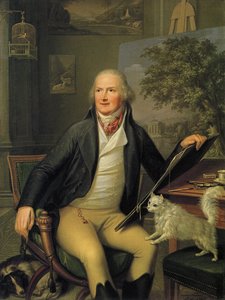
jakob philipp hackert
1737 - 1807
Основные сведения
- Artistic Movement Or Style: Painter
- Artists Who Influenced This Artist: ['None],\n "Artists or movements influenced by this artist": [Hackert, Jacob Philipp']
- Date Of Birth: January 9, 1671
- Date Of Death: January 22, 1737
- Full Name: Jean Baptiste Vanmour
- Nationality: French
- Notable Artworks: ['Various landscapes and portraits']
- Place Of Birth: Valenciennes, France