

 Поделиться
 Поделиться
 Детали произведения

 Скачать
 Похожие работы
 Слайд-шоу
 Статистика
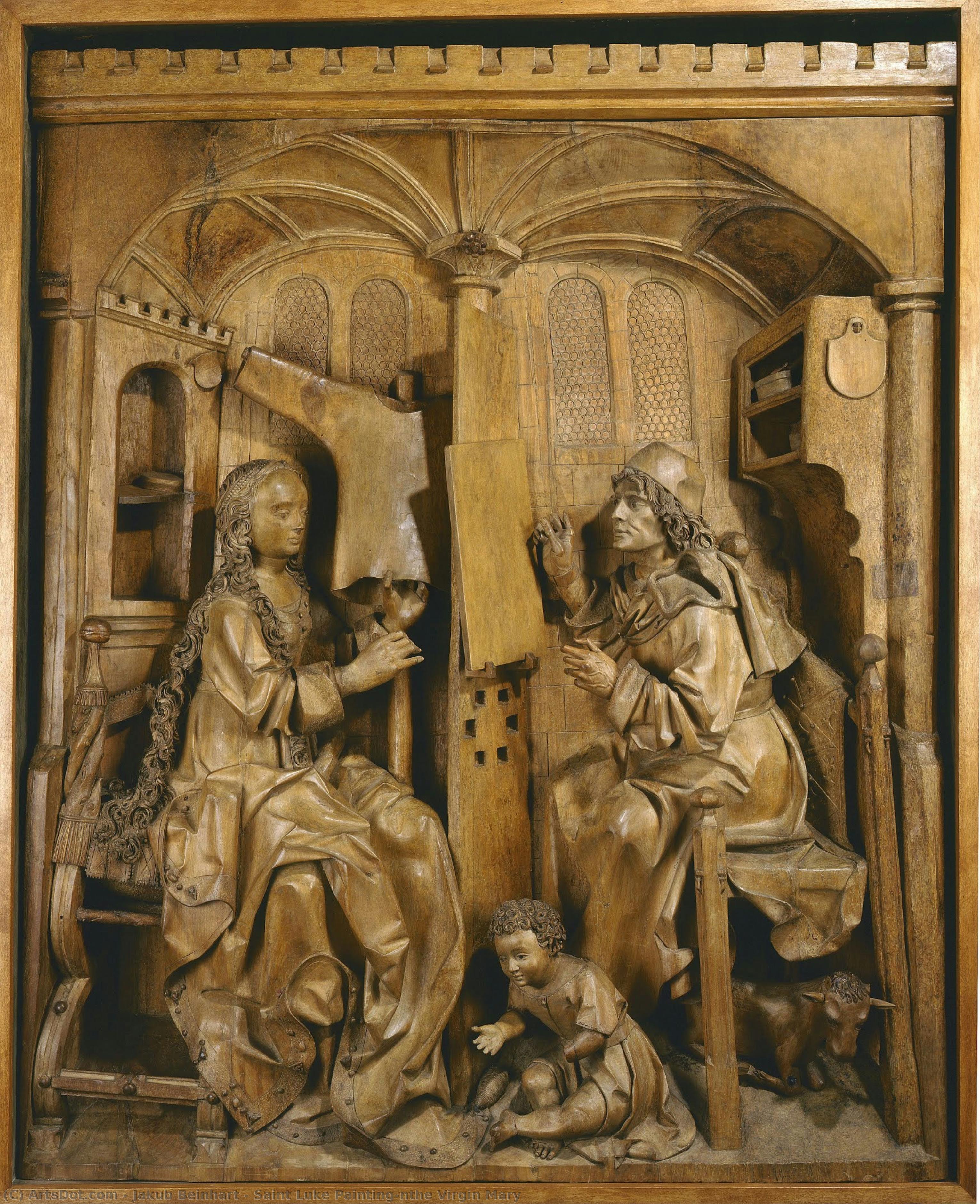
Saint Luke Painting\nthe Virgin Mary
 Wood
Wood- Sculpture
- Baroque
 Renaissance
 113.0 x 138.0 cm
 Национальный музей в Варшаве
 Читать далее
Приобретите цифровое изображение высокого разрешения в улучшенном качестве, которое значительно превосходит онлайн-превью.
Каждый файл тщательно подготавливается нашими специалистами с использованием передовых инструментов и экспертной ручной ретуши. Мы гарантируем исключительную четкость, точную цветопередачу и детальную проработку каждого изображения.
Финальный файл доставляется по электронной почте в течение 72 часов и оптимизирован для немедленного использования в профессиональной среде, при верстке и печати. Это тот же уровень качества, которому доверяют ведущие дизайнерские студии, издательства и галереи.
Цифровое изображение
Скачайте файл высокого разрешения для личного использования, печати и творческих проектов. ( Перейти к печати Купить картину ручной работы)
Включено в каждый заказ цифровых изображений
Гарантия экспертной цифровой доставки
Выбирая ArtsDot.com, вы получаете не просто изображение — вы приобретаете профессионально обработанное цифровое произведение искусства, созданное с безупречной точностью и под защитой гарантии качества. Вот всё, что автоматически входит в ваш заказ:

Мгновенная доставка по e-mail
Ваш цифровой файл в высоком разрешении будет отправлен вам по электронной почте в течение 72 часов после оформления заказа — и сразу станет доступен для использования.

Цифровой файл с ИИ-улучшением
Ваше произведение искусства проходит профессиональную оптимизацию с использованием передовых инструментов ИИ и ручной обработки, что гарантирует максимальную детализацию, четкость и точность цветопередачи.

Бессрочная бесплатная повторная доставка
Случайно удалили или потеряли файл? Не беспокойтесь — мы отправим его вам повторно в любое время и совершенно бесплатно.

Без импортных пошлин — навсегда
Наслаждайтесь вашим произведением искусства мгновенно без таможенных пошлин, сборов или затрат на доставку — цифровые загрузки всегда не облагаются налогом.

Гарантия точности цветопередачи
Мы гарантируем, что ваше цифровое изображение максимально точно передает оригинальные цвета благодаря использованию профессиональных инструментов и систем управления цветом.

Гарантия удовлетворенности 100 дней
Если вы не будете удовлетворены своим цифровым изображением, мы внесем правки или вернем 100% стоимости в течение 100 дней — без лишних вопросов.

100% Гарантия возврата средств
Не удовлетворены покупкой? Получите полный возврат средств в течение 100 дней после получения цифрового файла — без лишних вопросов.

Скидки на оптовые заказы
Купите 3 изображения, сэкономьте 10% — Купите 5, сэкономьте 15% — Купите 10+, сэкономьте 20%. Отличное решение для творческих проектов, галерей и агентств.
A Divine Intersection of Art and Legend
In the quiet, hallowed atmosphere of religious history, few narratives are as enchanting as the legend of Saint Luke the Evangelist capturing the divine essence of the Virgin Mary upon a canvas. The relief sculpture by Jakub Beinhart, titled Saint Luke Painting the Virgin Mary, serves as a profound physical manifestation of this myth. This masterpiece does not merely depict a scene; it captures a moment where the mortal hand meets the celestial subject. Within this intricate work, we find a dual narrative: the creation of a miraculous portrait and the weaving of Christ’s seamless tunic. The composition invites the viewer into a sacred workshop, where the act of artistic creation is elevated to a form of prayer, making it an irresistible centerpiece for any collection dedicated to the profound intersections of faith and fine art.
The subject matter delves deep into the biblical symbolism found in the Gospel of St. John. As Mary weaves the tunic for Jesus—a garment destined to be famously torn by Roman soldiers—the artist juxtaposes this physical labor with the spiritual labor of Saint Luke’s brushwork. This connection suggests that both the woven cloth and the painted image are relics of a divine truth. For the discerning collector or interior designer, this piece offers a rich tapestry of storytelling, where every detail, from the Child at play to the focused intensity of the figures, contributes to a larger theological dialogue about the preservation of the sacred through human craftsmanship.
Mastery of Form and Natural Elegance
What distinguishes Beinhart’s work is his extraordinary decision to eschew the traditional use of vibrant pigments in favor of the raw, honest beauty of natural wood. This stylistic choice lends the relief an organic warmth and a timeless quality that color might otherwise obscure. By working with the grain and texture of the medium, Beinhart achieves a sense of depth and dimension that makes the figures appear almost lifelike, as if they were breathing within the very timber from which they were carved. The technique reflects a sophisticated understanding of the German sculptural traditions of the late 15th and early 16th centuries, specifically echoing the refined styles found in Swabia and Franconia.
The visual impact of this piece is characterized by its remarkable finish and the delicate interplay of light and shadow across the wooden surfaces. For those seeking to adorn a space with art that evokes both historical gravity and understated elegance, this work provides an unparalleled aesthetic experience. It possesses a quiet power that does not demand attention through loudness, but rather commands it through intricacy and soul. Whether placed in a classical study, a grand hall, or a contemporary gallery setting, a high-quality reproduction of this relief brings with it the weight of history and the serene beauty of the Baroque era's most visionary craftsmanship.
Похожие произведения
Биография художника
Jakub Beinhart: A Visionary Sculptor of Baroque Würzburg
Jakub Beinhart (c. 1483 – 1560), born in Geislingen am Gladbach, Germany, stands as a singular figure within the artistic landscape of the German Baroque era. His legacy resides primarily in his monumental sandstone sculpture of the Madonna and Child adorning the north side of St Mary Magdelene Church in Würzburg—a testament to both technical prowess and profound spiritual conviction. While biographical details remain scarce, scholarly research illuminates a life dedicated to craftsmanship and artistic mentorship, shaping the artistic trajectory of several prominent sculptors within Bavaria.- Early Life & Training: Born around 1483 in Geislingen am Gladbach, Beinhart’s formative years were steeped in the traditions of Germanic sculpture. Precise documentation is elusive, yet evidence suggests he honed his skills under the tutelage of Johann Schäufele, a celebrated sculptor whose workshop served as a crucible for artistic innovation during the period.
- Migration & Citizenship: Recognizing the burgeoning opportunities offered by Breslau (now Wrocław), Beinhart formally adopted citizenship on February 14th, 1503. This relocation marked not merely a geographical shift but also an embrace of intellectual and cultural currents circulating within the Polish-Lithuanian Commonwealth—a region renowned for its patronage of the arts.
- Würzburg & The Madonna Sculpture: Beinhart’s artistic zenith arrived in Würzburg, where he accepted a commission from Johann Georg Fuchs von Waldhausen to create a monumental sculpture commemorating the coronation of Maximilian I. This undertaking resulted in the breathtaking sandstone Madonna and Child—a masterpiece embodying the stylistic hallmarks of Baroque art: dynamic drapery, expressive faces, and meticulous attention to detail. The sculpture’s placement within St Mary Magdelene Church underscores its significance as a devotional icon.
Stylistic Influences & Artistic Technique
Beinhart's sculptural style reflects the broader artistic currents of his time, drawing heavily from Flemish Mannerism and Italian Renaissance precedents. The drapery in particular exhibits an unparalleled dynamism—folds ripple with palpable energy, conveying a sense of movement that transcends mere representation. This stylistic choice aligns seamlessly with the prevailing aesthetic sensibilities championed by artists like Michelangelo Buonarroti and Andrea del Sarto.Legacy & Historical Significance
Jakub Beinhart’s contribution to Baroque art transcends mere stylistic imitation; he established himself as a pivotal figure in fostering artistic talent within Bavaria. He mentored numerous apprentices, disseminating his knowledge and inspiring them to pursue excellence in sculptural craftsmanship. Furthermore, the Madonna sculpture remains an enduring symbol of piety and artistic achievement—a cornerstone of Würzburg Cathedral’s architectural grandeur and a testament to the transformative power of patronage.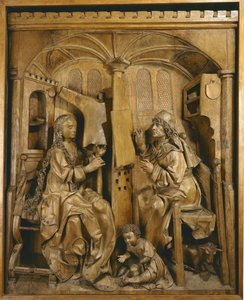
jakub beinhart
Germany
Основные сведения
- Artistic Movement Or Style: Baroque
- Date Of Birth: February 1483
- Full Name: Jakub Beinhart
- Nationality: German
- Notable Artworks: ['Madonna and Child']
- Place Of Birth: Geislingen am Gladbach, Germany