 Предпросмотр
 Поделиться
 Поделиться
 Детали произведения

 Скачать
 Похожие работы
 Рентгенография
 Слайд-шоу
 Статистика
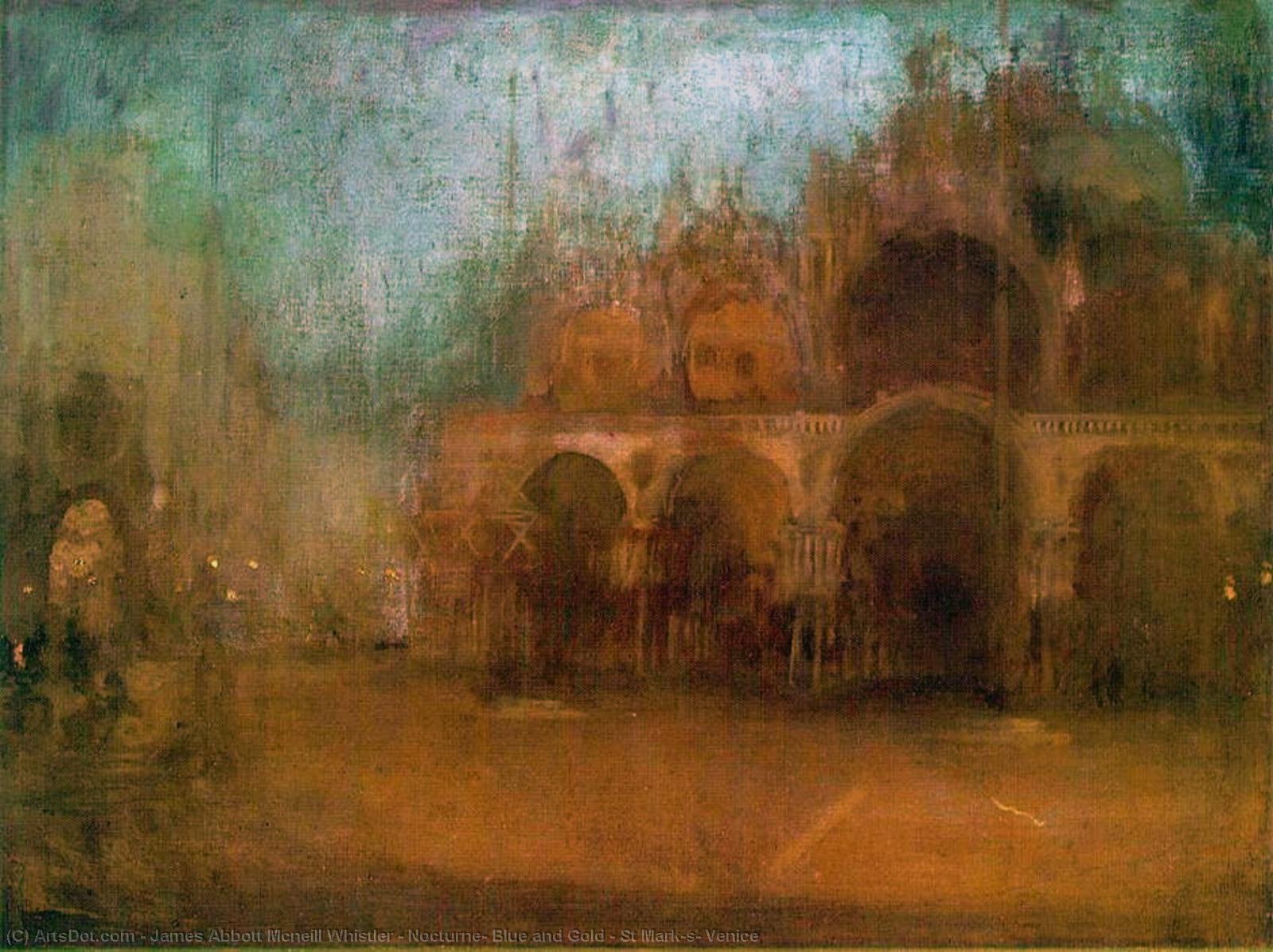
Nocturne: Blue and Gold - St Mark's, Venice


 Читать далее
Жикле / Арт-принт
Печать (жикле) или холст музейного качества с быстрыми сроками изготовления и широким выбором вариантов отделки. ( Купить картину ручной работы Перейти к цифровым изображениям)




P118B $10

P118H $10

P118W $10

P438Z $10

P508JH $12

P508YH $12

P805H $10

P805Z $10

P919BZ $10

P919G $10

P919XJ $10

P959ZH $10

P968JZ $12

W106C $8

W218G $10

W218JH $8

W218Y $10

W307PJ $10

W316G $10

W316PJ $8

W316Y $10

W398PJ $8

W4111J $10

W500HY $15

W500JH $15

W692G $12

W849H $8

W940BG $15

W953PJ $8




Выберите один из наших стандартных размеров, соответствующих оригинальным пропорциям произведения искусства.

Вы можете указать свои собственные размеры, чтобы репродукция идеально подошла под конкретную раму или пространство. Если выбранный вами размер не будет соответствовать пропорциям оригинала, мы либо обрежем произведение, либо дополним изображение зеркальным отражением краев или однотонной заливкой. Перед началом производства вам будет отправлен цифровой макет для утверждения.
Пожалуйста, обратите внимание, что предварительный просмотр на экране не отображает фактическую обрезку или расширение изображения. Только макет точно покажет финальную композицию.
Несмотря на возможность заказа индивидуальных размеров, мы рекомендуем выбирать размер из предопределенного списка, чтобы сохранить оригинальные пропорции.
Доставка по всему миру () за 2 недели вместо стандартных 4/5 недель. (13 Сентябрь)

Бесплатная экспресс-доставка по всему миру

Высококачественный льняной холст

Полное страхование доставки

Гарантия возмещения таможенных пошлин

Гарантия точного соответствия цветов

100-дневная политика возврата (только при обнаружении дефектов)

Гарантия возврата 100% средств

Предложение оптовых скидок
 Вариант со стеклом доступен только для размеров менее 110 см

Nocturne: Blue and Gold - St Mark's, Venice
Жикле / Арт-принт
Размер репродукции
-


Итоговая стоимость
$ 62
A Nocturne in Blue and Gold: Whistler’s Venice
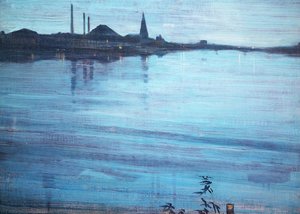
James Abbott McNeill Whistler's "Nocturne: Blue and Gold – St Mark’s, Venice" isn’t merely a depiction of a city at night; it’s an immersion into a carefully constructed mood. Painted in 1879, this oil on canvas transcends the simple act of recording a scene, instead offering a profound meditation on light, color, and atmosphere—a cornerstone of Whistler's aesthetic philosophy. The work, currently residing within the National Museums and Galleries of Wales in Cardiff, immediately draws the viewer into a world where the familiar becomes subtly transformed, imbued with an ethereal quality that speaks to the artist’s deliberate rejection of narrative painting.
Whistler, born in Lowell, Massachusetts, arrived in Europe seeking a new artistic language. His early life, punctuated by moves due to his father's railroad work, fostered a keen observational eye and a restless spirit—qualities that would prove crucial as he navigated the burgeoning art world of late 19th-century Paris and London. He wasn’t interested in telling stories through paint; rather, he aimed to capture the *impression* of a scene, prioritizing color relationships and tonal variations over detailed representation. This pursuit aligned perfectly with the tenets of Aestheticism, a movement that championed “art for art's sake,” advocating for beauty as an end in itself, divorced from moral or didactic purposes.
The Language of Color and Light
The painting’s power lies not in its photographic accuracy but in Whistler’s masterful manipulation of color. The dominant hues—deep blues and shimmering golds—are applied with a delicate touch, creating an almost velvety texture. Notice how the moonlight isn't rendered as a harsh white light, but rather as a diffused, atmospheric glow that washes over the buildings and streets below. Whistler employed a technique he termed “broken brushwork,” layering small, distinct strokes of color to build up tones and create subtle shifts in value. This method allowed him to capture the fleeting effects of light on water and stone, imbuing the scene with an incredible sense of movement and depth.
The composition itself is carefully considered. The prominent arched structure, likely a church or significant building within St. Mark’s Square, anchors the view while allowing the eye to wander through the reflections shimmering in the canals. Whistler deliberately avoids sharp outlines, blurring the edges between objects and creating an overall sense of ambiguity. This contributes significantly to the painting's dreamlike quality – it feels less like a snapshot and more like a memory, filtered through the artist’s subjective experience.
Symbolism and Venetian Identity
“Nocturne: Blue and Gold” is deeply rooted in the cultural identity of Venice. The city itself—a labyrinthine network of canals, bridges, and historic buildings—has long been associated with romance, mystery, and artistic inspiration. Whistler’s choice to depict St. Mark's Square at night speaks to this enduring fascination. The reflections on the water are not merely decorative; they subtly echo the architectural forms above, creating a visual dialogue between the earthly and the ethereal.
Furthermore, the painting can be interpreted as a commentary on the changing nature of Venice itself. In 1879, the city was grappling with the pressures of modernization and tourism, yet Whistler’s work captures a moment of serene beauty—a fleeting glimpse of the Venetian spirit before it was irrevocably altered. The subtle hints of human activity – figures strolling along the canals – suggest a vibrant life beneath the surface, while the dominant atmosphere remains one of quiet contemplation.
A Timeless Impression: Reproduction and Beyond
ArtsDot offers exceptional, hand-painted reproductions that faithfully capture the nuances of Whistler’s “Nocturne: Blue and Gold.” Each reproduction is created by skilled artists who meticulously recreate Whistler's broken brushwork and delicate color palette. The result is a stunning piece of art that brings the magic of Venice to your home or office. Whether you are an art enthusiast, a collector seeking to expand your collection, or an interior designer looking for a captivating focal point, this reproduction offers a beautiful and authentic representation of one of Whistler’s most iconic works. It's more than just a print; it’s a portal into the world of Aestheticism and a testament to the enduring power of light and color.
Похожие произведения
Биография художника
A Life Shaped by Aestheticism: The World of James Abbott McNeill Whistler
James Abbott McNeill Whistler, born in Lowell, Massachusetts in 1834, was a figure perpetually at odds with convention—a painter who championed “art for art’s sake” during an era obsessed with moralizing narratives. His early life, marked by frequent relocations due to his father's railroad engineering career, instilled within him a sense of adaptability and exposure to diverse environments. A brief, unhappy stint at West Point proved ill-suited to his artistic temperament, followed by work with the U.S. Coast and Geodetic Survey that, while delaying, did not extinguish his burgeoning passion for art. These formative years were characterized by an innate talent for drawing and a resolute desire to forge a path as a professional artist, a pursuit that would ultimately lead him across the Atlantic and into the heart of the European avant-garde. The seeds of Whistler’s artistic rebellion were sown early, nurtured by a spirit that resisted conformity and embraced aesthetic exploration above all else.Parisian Beginnings and the Cultivation of Style
The pivotal moment in Whistler's artistic journey arrived with his move to Paris in 1855. Here, under the tutelage of Sébastien Bouré, he honed his skills in oil painting, watercolor, and printmaking, absorbing the influences of French Realism and the Barbizon School painters. However, Whistler quickly transcended mere imitation, developing a distinctive style characterized by tonal harmonies and atmospheric effects. He wasn’t interested in replicating reality; rather, he sought to capture its *essence*, its fleeting moods and subtle nuances. This period marked a crucial shift from representational accuracy towards an exploration of pure aesthetic form. His early works already hinted at the delicate balance between observation and abstraction that would define his mature style. It was in Paris that Whistler began to articulate his belief that art should be judged solely on its aesthetic qualities, free from didactic or moralizing constraints—a philosophy that would become the cornerstone of his artistic practice and a defining characteristic of the Aesthetic movement. He experimented with Japanese prints (ukiyo-e), finding inspiration in their bold compositions and evocative use of color, which profoundly influenced his own approach to design and arrangement.Nocturnes, Portraits, and the Pursuit of Harmony
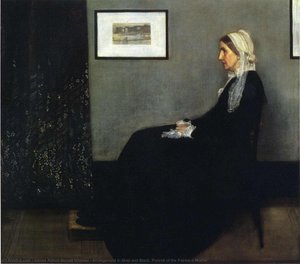
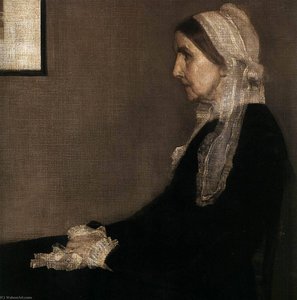
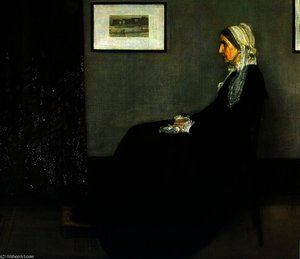
Whistler’s artistic vision crystallized in several key themes and stylistic choices. He championed the concept of “art for art’s sake,” rejecting narratives laden with moral or social commentary. His work became an exercise in capturing subtle nuances of light, color, and atmosphere—a pursuit that led to his iconic *Nocturnes*. These atmospheric paintings of twilight scenes, often depicting the Thames River at night, were not intended as literal depictions but rather as evocative impressions, studies in tonal harmony and mood. He frequently employed limited palettes and delicate brushwork, creating a sense of ethereal beauty and quiet contemplation. Whistler also developed a unique approach to portraiture, treating his sitters not merely as likenesses but as compositional elements within a carefully constructed aesthetic framework. *Arrangement in Grey and Black No. 1*—better known as *Whistler’s Mother*—demonstrates this approach perfectly, transforming a familial portrait into an iconic image of Victorian motherhood through its masterful use of form and tone. The painting's power lies not in a realistic portrayal but in the carefully balanced arrangement of shapes and colors, evoking a sense of serenity and dignity.Controversy, Influence, and Lasting Legacy
Whistler’s career was not without controversy. The infamous libel suit brought against him by the critic John Ruskin in 1878, sparked by *Nocturne in Black and Gold – The Falling Rocket*, became a landmark moment in art history. Whistler successfully defended his artistic autonomy, arguing that his paintings were not intended to be realistic representations but rather aesthetic arrangements of color and form. This case elevated his profile and ignited important debates about the nature of art criticism and artistic freedom. Beyond this legal battle, Whistler’s influence extended far and wide. He was deeply inspired by Japanese prints (ukiyo-e), which informed his compositional principles and emphasis on decorative patterns, as well as the tonal mastery of Spanish painters like Velázquez. His advocacy for “art for art’s sake” profoundly impacted the Aesthetic movement in England and America, paving the way for modernism and challenging conventional notions about artistic purpose. He left an indelible mark on American art, inspiring generations of artists to embrace formalist approaches and explore the expressive potential of color and composition. Whistler died in London in 1903, leaving behind a body of work that continues to captivate and inspire. His unwavering commitment to artistic principles and his relentless pursuit of aesthetic beauty cemented his place as a pivotal figure in the history of art.- Notable Works: *The Forge* (1861), *Portrait of Charles Lang Freer* (1873), *Brown and Gold: The Gold Girl—Connie Gilchrist* (1876-77), *Arrangement in Grey and Black No. 1 (Whistler’s Mother)* (1871), *Nocturne in Black and Gold – The Falling Rocket* (1875).
- Influences: Japanese prints, Velázquez.
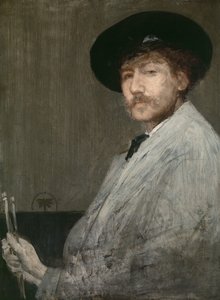
Уистлер
1834 - 1903 , Соединенные Штаты Америки
Основные сведения
- Artistic Movement Or Style: Эстетизм, тонализм
- Artists Or Movements Influenced By This Artist:
- Эстетическое движение
- Современное искусство
- Artists Who Influenced This Artist:
- Веласкес
- Японские гравюры
- Date Of Birth: 14 июля 1834 г.
- Date Of Death: 1903 г.
- Full Name: James Abbott McNeill Whistler
- Nationality: Американский
- Notable Artworks:
- Мать Уиттлера
- Ноктюрн: Синий и Серебро
- Forge
- Place Of Birth: Лоуэлл, США
Похожие статьи
Джеймс Уистлер: Топ-25 шедевров художника для ценителей искусства и декора
Погрузитесь в мир Джеймса Уистлера! Топ-25 шедевров художника, от знаменитых ноктюрнов до изысканных портретов. Узнайте историю создания и эстетику каждой картины. Репродукции высокого качества для вашего интерьера на ArtsDot.com.
The Allure of Azure: Exploring the Symbolic & Aesthetic Depths of Blue in Art History
Explore the rich history of blue in art! Discover its symbolism, from ancient pigments to modern masterpieces by Kandinsky & Seurat. Uncover the psychological impact and cultural meanings behind this captivating hue.
Топ-10 знаменитых картин в оттенках серо-голубого: искусство и декор от ArtsDot
Погрузитесь в мир серо-голубых оттенков! От Моне до Ренуара – 10 знаменитых картин, вдохновляющих на создание уникального интерьера. Репродукции высокого качества от ArtsDot.com. Explore the full collection online!

25 Шедевров Поля Сезанна: Открывая Новую Эру в Искусстве | ArtsDot
Откройте для себя 25 величайших шедевров Поля Сезанна! Узнайте истории создания картин импрессионизма и постимпрессионизма, технику художника и вдохновение для вашего интерьера. Репродукции картин Сезанна высокого качества на ArtsDot.com.
Golden Glow: How to Use Metallic Gold Artworks to Elevate Your Home Decor with Timeless Luxury
Discover how to elevate your home with the timeless elegance of metallic gold artworks. From sculptural metal pieces to gilded oil paintings, learn expert interior design tips for integrating luxurious gold accents into your space with sophistication and grace.