

 Предпросмотр
 Поделиться
 Поделиться
 Детали произведения

 Скачать
 Похожие работы
 Рентгенография
 Слайд-шоу
 Статистика
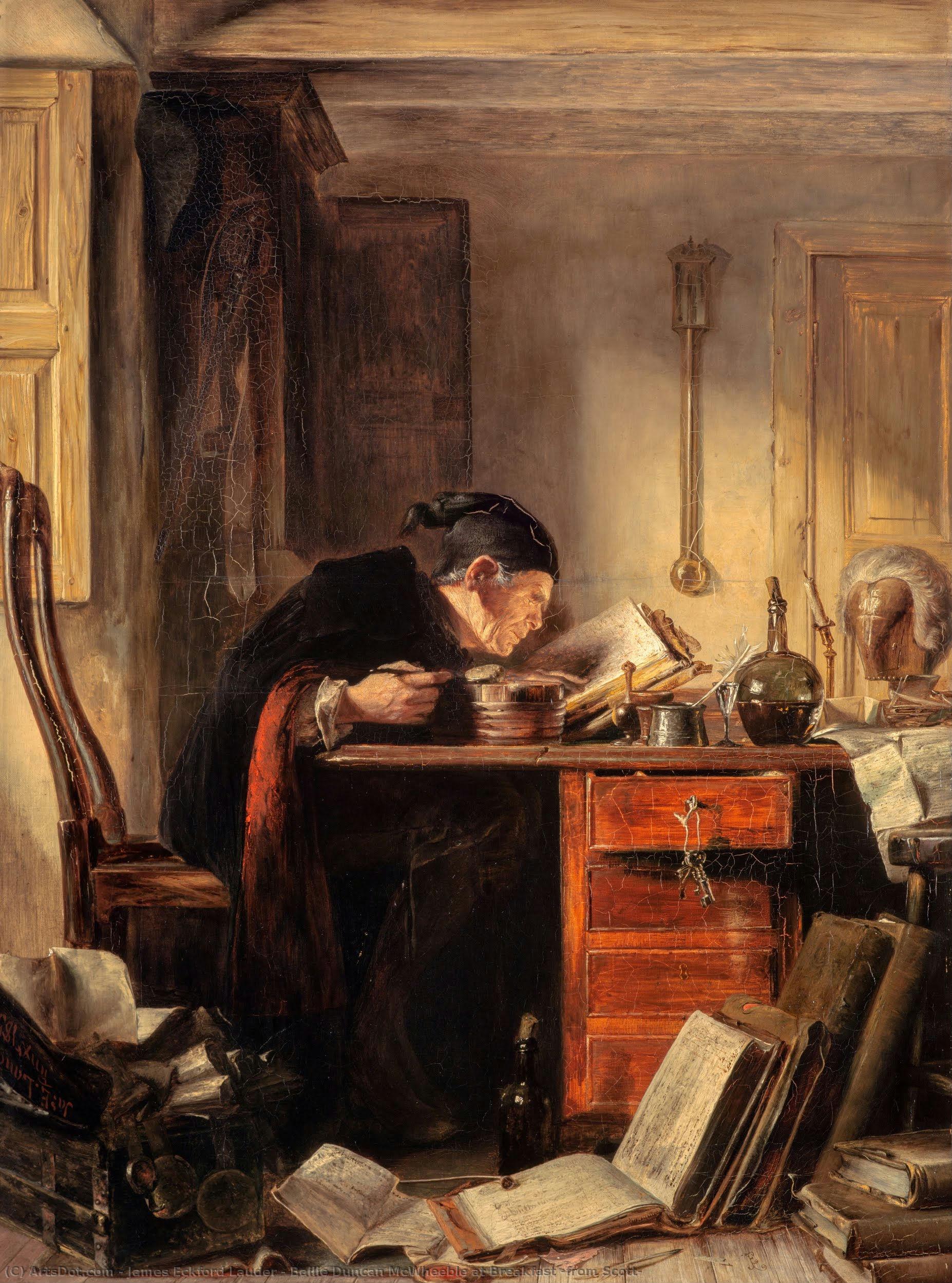
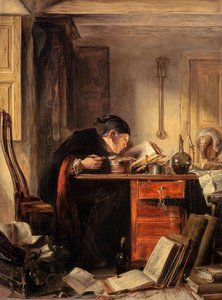
Bailie Duncan McWheeble at Breakfast (from Scott


 Читать далее
Приобретите цифровое изображение высокого разрешения в улучшенном качестве, которое значительно превосходит онлайн-превью.
Каждый файл тщательно подготавливается нашими специалистами с использованием передовых инструментов и экспертной ручной ретуши. Мы гарантируем исключительную четкость, точную цветопередачу и детальную проработку каждого изображения.
Финальный файл доставляется по электронной почте в течение 72 часов и оптимизирован для немедленного использования в профессиональной среде, при верстке и печати. Это тот же уровень качества, которому доверяют ведущие дизайнерские студии, издательства и галереи.
Цифровое изображение
Скачайте файл высокого разрешения для личного использования, печати и творческих проектов. ( Перейти к печати Купить картину ручной работы)
Включено в каждый заказ цифровых изображений
Гарантия экспертной цифровой доставки
Выбирая ArtsDot.com, вы получаете не просто изображение — вы приобретаете профессионально обработанное цифровое произведение искусства, созданное с безупречной точностью и под защитой гарантии качества. Вот всё, что автоматически входит в ваш заказ:

Мгновенная доставка по e-mail
Ваш цифровой файл в высоком разрешении будет отправлен вам по электронной почте в течение 72 часов после оформления заказа — и сразу станет доступен для использования.

Цифровой файл с ИИ-улучшением
Ваше произведение искусства проходит профессиональную оптимизацию с использованием передовых инструментов ИИ и ручной обработки, что гарантирует максимальную детализацию, четкость и точность цветопередачи.

Бессрочная бесплатная повторная доставка
Случайно удалили или потеряли файл? Не беспокойтесь — мы отправим его вам повторно в любое время и совершенно бесплатно.

Без импортных пошлин — навсегда
Наслаждайтесь вашим произведением искусства мгновенно без таможенных пошлин, сборов или затрат на доставку — цифровые загрузки всегда не облагаются налогом.

Гарантия точности цветопередачи
Мы гарантируем, что ваше цифровое изображение максимально точно передает оригинальные цвета благодаря использованию профессиональных инструментов и систем управления цветом.

Гарантия удовлетворенности 100 дней
Если вы не будете удовлетворены своим цифровым изображением, мы внесем правки или вернем 100% стоимости в течение 100 дней — без лишних вопросов.

100% Гарантия возврата средств
Не удовлетворены покупкой? Получите полный возврат средств в течение 100 дней после получения цифрового файла — без лишних вопросов.

Скидки на оптовые заказы
Купите 3 изображения, сэкономьте 10% — Купите 5, сэкономьте 15% — Купите 10+, сэкономьте 20%. Отличное решение для творческих проектов, галерей и агентств.
A Morning of Literary Nostalgia
In the quiet, amber-hued moments of a mid-nineteenth-century morning, James Eckford Lauder invites us into a scene that feels less like a mere painting and more like a captured breath from a lost era. Bailie Duncan McWhelee at Breakfast serves as a masterful window into the romanticized Scottish past, drawing profound inspiration from the legendary literary landscapes of Sir Walter Scott. The canvas presents an intimate tableau of two men seated at a table laden with the humble yet significant artifacts of daily life—books, bottles, and cups that suggest a slow, contemplative start to the day. There is a palpable sense of companionship in the way the subjects occupy the space, their presence anchored by the heavy, domestic atmosphere of a kitchen or dining room that feels both lived-in and timeless.
Lauder, a painter deeply rooted in the traditions of Edinburgh’s artistic elite, utilizes his mastery of light and shadow to breathe life into this domestic vignette. The technique is characteristic of the Victorian era's penchant for narrative realism, where every object serves as a silent storyteller. Notice how the light falls across the table, catching the rim of a cup or the spine of a book, creating a rhythmic interplay between the subjects and their surroundings. This careful manipulation of chiaroscuro does more than just define form; it imbues the scene with a sense of warmth and historical weight, making the viewer feel as though they have stumbled upon a private moment of reflection during a casual gathering of friends or kin.
The Art of Storytelling Through Detail
Beyond the immediate visual charm, the painting functions as a rich tapestry of cultural symbolism. The inclusion of books and scholarly items hints at the intellectual pursuits that defined the era's upper and middle classes, bridging the gap between the ruggedness of Scottish tradition and the refined sensibilities of the Romantic movement. The background figures, though softly rendered and secondary to the main protagonists, add a layer of social depth, suggesting a bustling household where history and daily routine coexist seamlessly. For the discerning collector or interior designer, this piece offers more than just aesthetic beauty; it provides a profound sense of heritage and a connection to the soulful, storytelling traditions of 1854 Scotland.
Integrating a high-quality reproduction of this work into a contemporary space allows for a sophisticated dialogue between the past and the present. The painting’s muted, earthy palette and its focus on intimate human connection make it an ideal centerpiece for a study, a library, or a formal dining room where one wishes to evoke feelings of stability, intellect, and warmth. It is a work that does not merely decorate a wall but enriches the very atmosphere of a home, inviting guests to linger and contemplate the enduring beauty of a well-told story.
Похожие произведения
Биография художника
James Eckford Lauder (1811–1869): A Scottish Painter Inspired by Scott and Romanticism
James Eckford Lauder was a prominent Scottish artist of the Victorian era, renowned for his historical paintings and portraits that captured the spirit of his time—particularly influenced by the literary works of Sir Walter Scott. Born in 1811 at Silvermills, Edinburgh, he descended from a wealthy family with roots in the tannery trade, providing him with considerable financial stability to pursue his artistic ambitions. His elder brother, Robert Scott Lauder, fostered his passion for art early on, recognizing his talent and encouraging him to study diligently. ### Early Training and Artistic Influences Lauder’s formal education began at Edinburgh Academy from 1824 to 1828 where he honed his skills in drawing and painting under the tutelage of William Allan and Thomas Duncan—figures who championed classical ideals within the Scottish art scene. This formative experience instilled in him a deep appreciation for artistic tradition, shaping his stylistic choices throughout his career. Crucially, Robert Scott Lauder’s unwavering belief in James' potential propelled him toward Italy in 1834, where he spent nearly four years immersing himself in the artistic heritage of Rome and Florence. The atmosphere of these cities—characterized by grand palaces, humanist scholarship, and a revival of classical art—proved profoundly inspiring, fostering his fascination with narrative storytelling and dramatic composition. ### Career Highlights and Notable Paintings Lauder’s artistic output was marked by an unwavering dedication to portraying historical subjects and literary scenes, primarily drawn from Sir Walter Scott's novels. He became a lifelong admirer of Scott’s romantic vision of Scotland and its history, translating this enthusiasm into canvases that vividly depicted iconic moments and characters. His paintings gained considerable acclaim during his lifetime, securing commissions from prominent patrons and earning recognition at the Royal Scottish Academy and the Royal Academy in London. Among his most celebrated works were “Scene from The Two Gentlemen of Verona,” “The Wise and Foolish Virgins,” “Lorenzo and Jessica,” and “Hagar,” each demonstrating a masterful command of technique—particularly color—and conveying profound emotional depth. His engraving of "The Parable of Forgiveness" was awarded a prize at Westminster Hall, cementing his reputation as a gifted artist and illustrator. ### Legacy and Recognition James Eckford Lauder’s contribution to Scottish art history is undeniable. He established himself as one of the foremost painters of his era, embodying the Romantic spirit's fascination with storytelling and dramatic expression. His enduring influence can be seen in subsequent generations of Scottish artists who continued to explore historical themes and literary inspirations. Today, his paintings reside in prestigious institutions such as the National Gallery of Scotland, ensuring that his artistic legacy continues to resonate with audiences worldwide. He died peacefully at Edinburgh in 1869, leaving behind a remarkable body of work—a testament to his talent and unwavering devotion to his craft.- Notable Paintings: “Scene from The Two Gentlemen of Verona,” “The Wise and Foolish Virgins,” “Lorenzo and Jessica,” “Hagar,” “Christ Teaches Humility”
- Royal Scottish Academy Membership: Elected in 1839, Full Academician in 1846
- Influences: William Allan, Thomas Duncan, Sir Walter Scott
james eckford lauder
1811 - 1869
Основные сведения
- Artistic Movement Or Style: Victorian Portraiture
- Artists Or Movements Influenced By This Artist: ['Walter Scott']
- Artists Who Influenced This Artist:
- Robert Scott Lauder
- William Allan
- Date Of Birth: 1811
- Date Of Death: 1869
- Full Name: James Eckford Lauder
- Nationality: Scottish
- Notable Artworks:
- The Wise and Foolish Virgins
- Scene from The Two Gentlemen of Verona
- Place Of Birth: Silvermills, Edinburgh