

 Предпросмотр
 Поделиться
 Поделиться
 Детали произведения

 Скачать
 Похожие работы
 Рентгенография
 Слайд-шоу
 Статистика
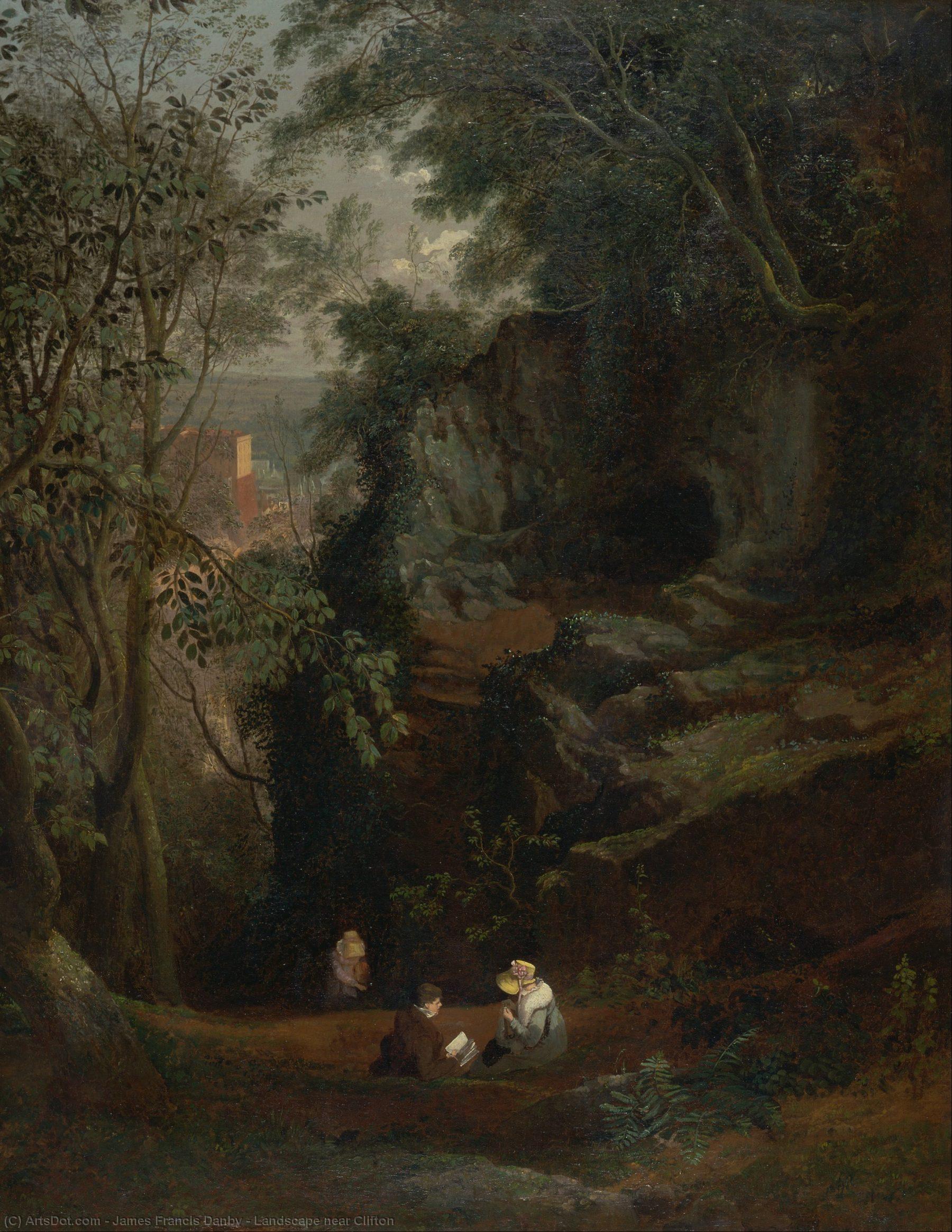
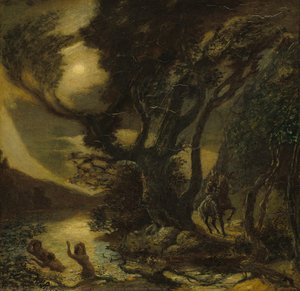
Landscape near Clifton


 Читать далее
Приобретите цифровое изображение высокого разрешения в улучшенном качестве, которое значительно превосходит онлайн-превью.
Каждый файл тщательно подготавливается нашими специалистами с использованием передовых инструментов и экспертной ручной ретуши. Мы гарантируем исключительную четкость, точную цветопередачу и детальную проработку каждого изображения.
Финальный файл доставляется по электронной почте в течение 72 часов и оптимизирован для немедленного использования в профессиональной среде, при верстке и печати. Это тот же уровень качества, которому доверяют ведущие дизайнерские студии, издательства и галереи.
Цифровое изображение
Скачайте файл высокого разрешения для личного использования, печати и творческих проектов. ( Перейти к печати Купить картину ручной работы)
Включено в каждый заказ цифровых изображений
Гарантия экспертной цифровой доставки
Выбирая ArtsDot.com, вы получаете не просто изображение — вы приобретаете профессионально обработанное цифровое произведение искусства, созданное с безупречной точностью и под защитой гарантии качества. Вот всё, что автоматически входит в ваш заказ:

Мгновенная доставка по e-mail
Ваш цифровой файл в высоком разрешении будет отправлен вам по электронной почте в течение 72 часов после оформления заказа — и сразу станет доступен для использования.

Цифровой файл с ИИ-улучшением
Ваше произведение искусства проходит профессиональную оптимизацию с использованием передовых инструментов ИИ и ручной обработки, что гарантирует максимальную детализацию, четкость и точность цветопередачи.

Бессрочная бесплатная повторная доставка
Случайно удалили или потеряли файл? Не беспокойтесь — мы отправим его вам повторно в любое время и совершенно бесплатно.

Без импортных пошлин — навсегда
Наслаждайтесь вашим произведением искусства мгновенно без таможенных пошлин, сборов или затрат на доставку — цифровые загрузки всегда не облагаются налогом.

Гарантия точности цветопередачи
Мы гарантируем, что ваше цифровое изображение максимально точно передает оригинальные цвета благодаря использованию профессиональных инструментов и систем управления цветом.

Гарантия удовлетворенности 100 дней
Если вы не будете удовлетворены своим цифровым изображением, мы внесем правки или вернем 100% стоимости в течение 100 дней — без лишних вопросов.

100% Гарантия возврата средств
Не удовлетворены покупкой? Получите полный возврат средств в течение 100 дней после получения цифрового файла — без лишних вопросов.

Скидки на оптовые заказы
Купите 3 изображения, сэкономьте 10% — Купите 5, сэкономьте 15% — Купите 10+, сэкономьте 20%. Отличное решение для творческих проектов, галерей и агентств.
James Francis Danby: Landscape Near Clifton – A Vision of Romantic Sublime
Landscape near Clifton by James Francis Danby (1823) stands as a testament to the Romantic movement’s fascination with untamed nature and profound emotion, capturing a serene woodland scene imbued with atmospheric drama. Painted during Danby's formative years in London, this oil on canvas masterpiece exemplifies his signature style – characterized by meticulous detail and an expressive use of color—a stylistic lineage traceable to luminaries like John Martin and J.M.W. Turner. The painting’s pyramidal composition draws the viewer upwards from three figures seated beneath a tree towards the distant cityscape, establishing a visual hierarchy that reinforces the grandeur of the landscape.- Subject Matter: The artwork depicts a secluded area within Clifton Gorge, Lancashire, England, showcasing dense foliage and rocky terrain. Three figures are positioned prominently at the base of a mature oak tree, engaging in quiet contemplation—likely reading or conversation.
- Style & Technique: Danby’s approach aligns squarely with Romanticism's ethos, prioritizing emotional response to natural beauty over purely representational accuracy. The loose brushstrokes employed in the foliage contribute to an ethereal quality, contrasting with more controlled strokes around the figures, emphasizing their solidity and presence within the scene.
- Color Palette: Dominated by dark browns, greens, and grays, the color scheme evokes a mood of solemnity and introspection—a deliberate choice reflecting the Romantic preoccupation with melancholy and sublime experience. Subtle tonal variations enhance the sense of depth and atmosphere.
- Historical Context: Created in 1823, Landscape Near Clifton emerged during a period marked by significant artistic innovation and intellectual debate concerning humanity’s relationship with nature. Danby's work reflects the broader Romantic sensibility—a reaction against Enlightenment rationalism—celebrating imagination and emotion as pathways to spiritual understanding.
- Symbolism: The scene transcends mere depiction; it embodies themes of solitude, reflection, and communion with the natural world. The oak tree itself symbolizes strength and resilience, mirroring the enduring spirit of Romantic idealism.
Artist Information: James Baker Pyne – Influenced by Turner
James Baker Pyne (1800-1870), a fellow Bristol School artist, profoundly absorbed the stylistic innovations championed by J.M.W. Turner—particularly his exploration of atmospheric perspective and dramatic lighting—resulting in landscapes that resonate with similar grandeur and emotional intensity. Like Danby, Pyne’s artistic vision prioritized capturing the sublime beauty of nature while simultaneously conveying profound psychological insight. His oeuvre includes celebrated depictions of the Lake District and Italian vistas, cementing his reputation as a pivotal figure in Victorian topographical painting.Additional Research: Rediscovering James Baker Pyne
James Baker Pyne’s contribution to British landscape art has been largely overlooked until recent scholarship revived interest in his work. His paintings—characterized by luminous color palettes and masterful compositions—offer compelling parallels to Danby's artistic endeavors, highlighting the shared influence of Turner and the Bristol School on Victorian visual culture. Exploring Pyne’s oeuvre provides valuable context for appreciating Danby’s stylistic choices and understanding the broader aesthetic currents shaping British art during this transformative era.Похожие произведения


Биография художника
A Romantic Visionary: The Life and Art of James Francis Danby
Born in County Wexford, Ireland, in 1793, James Francis Danby emerged as a significant figure within the British Romantic movement, crafting landscapes imbued with dramatic intensity and emotional resonance. His canvases, often vast in scale and steeped in atmospheric effects, stand alongside those of contemporaries like John Martin and J.M.W. Turner, yet possess a unique character rooted in his Irish origins and artistic journey. Danby’s early life was marked by upheaval; the death of his father in 1807 forced a relocation to Dublin, where he began formal art training at the Royal Dublin Society's schools under James Arthur O’Connor and alongside George Petrie. This foundational period instilled in him not only technical skills but also an appreciation for landscape as a vehicle for expressing profound feeling—a hallmark of the burgeoning Romantic sensibility. A pivotal moment arrived in 1813 when Danby, accompanied by O’Connor and Petrie, ventured to London seeking artistic opportunities. Initial struggles led them to Bristol, where Danby discovered success selling watercolor drawings, an experience that proved crucial in shaping his developing style.The Flourishing of the Bristol School
Bristol became a fertile ground for Danby’s artistic growth, as he quickly rose to prominence within the informal collective known as the Bristol School. Initially centered around Edward Bird, this group fostered an environment of shared sketching excursions and mutual influence. Danby soon succeeded Bird as its leading figure, inheriting a naturalistic approach characterized by fresh colors and meticulous observation. Works like “Boys Sailing a Little Boat” (circa 1821) exemplify this early style, showcasing his ability to capture the subtle nuances of light and atmosphere. The Bristol School provided not just technical guidance but also a vital network of support and encouragement as Danby began to forge his own distinct artistic path. Edward Bird’s work was characterized by a naturalistic approach and fresh colors, while Cumberland's influence introduced Danby to the visionary power of William Blake’s art, igniting a shift towards grander, more emotionally charged compositions. The group’s evening sketching meetings were crucial for developing his skills and understanding of the local landscape.Dramatic Visions and Critical Acclaim
Danby’s breakthrough arrived with “The Upas Tree of Java” (1820), a painting that garnered immediate recognition and secured his election as an Associate Member of the Royal Academy. This work, depicting a poisonous tree from Indonesian folklore, showcased his mastery of dramatic composition and atmospheric effects—qualities that resonated deeply with the Byronic taste prevalent in the 1820s. He continued to produce ambitious canvases such as “Disappointed Love” (1821), demonstrating his characteristic poetical approach to landscape, potentially influenced by the writings of Samuel Taylor Coleridge. "An Enchanted Island" (1825) proved particularly influential, inspiring other Bristol School artists and earning praise from Letitia Elizabeth Landon in her celebrated collection, “The Troubadour.” His ambition reached new heights with “Opening of the Sixth Seal” (1828), a large-scale narrative scene purchased by the discerning collector William Beckford. These works established Danby as a leading exponent of Romantic landscape painting, renowned for his ability to evoke powerful emotions and transport viewers to realms of imagination and awe. His style is characterized by vast illusionist canvases depicting grand, gloomy, and fantastic subjects – themes that resonated with the Byronic taste of the 1820s.Later Years and Enduring Legacy
Following a period spent on the shores of Lake Geneva in Switzerland and a brief sojourn in Paris, Danby returned to England in 1840, revitalizing his reputation with “The Deluge” – a monumental work that showcased his continued mastery of dramatic composition. While some later paintings, such as "The Woodnymph's Hymn to the Rising Sun" (1845), displayed a calmer aesthetic, he ultimately returned to his earlier, more theatrical mode with pieces like “The Shipwreck” (1859). Throughout his career, Danby grappled with financial difficulties and critical fluctuations, yet he remained committed to his artistic vision. He continued exhibiting regularly, showcasing both new works and revisiting themes from his earlier successes. James Francis Danby died in 1861, leaving behind a body of work that continues to captivate audiences today. His legacy rests on his significant contribution to British Romantic art. Along with John Martin and J.M.W. Turner, he is celebrated for his imaginative landscapes and ability to evoke powerful emotions through his paintings, solidifying his place as a visionary artist of the 19th century.Key Characteristics of Danby’s Art
- Dramatic Landscapes: Vast, sweeping vistas often featuring turbulent skies and seas.
- Emotional Intensity: Paintings imbued with a sense of awe, mystery, and emotional depth.
- Romantic Themes: Exploration of themes such as the sublime, the power of nature, and human vulnerability.
- Illusionistic Technique: Masterful use of light, shadow, and perspective to create a sense of realism and grandeur.
- Narrative Elements: Many works incorporate narrative elements drawn from mythology, literature, or biblical stories.
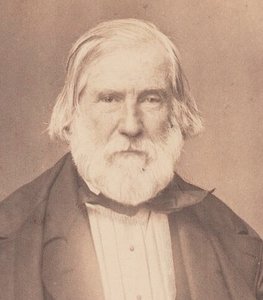
James Francis Danby
1793 - 1861 , Ирландия
Основные сведения
- Artistic Movement Or Style: Романтизм
- Artists Or Movements Influenced By This Artist: ['Бристольская школа']
- Artists Who Influenced This Artist:
- Джон Мартин
- Уильям Блейк
- Date Of Birth: 1793
- Date Of Death: 1861
- Full Name: James Francis Danby
- Nationality: Ирландец
- Notable Artworks:
- Upas Tree
- Disappointed Love
- An Enchanted Island
- Place Of Birth: Вексфорд, Ирландия