

 Предпросмотр
 Поделиться
 Поделиться
 Детали произведения

 Скачать
 Похожие работы
 Рентгенография
 Слайд-шоу
 Статистика
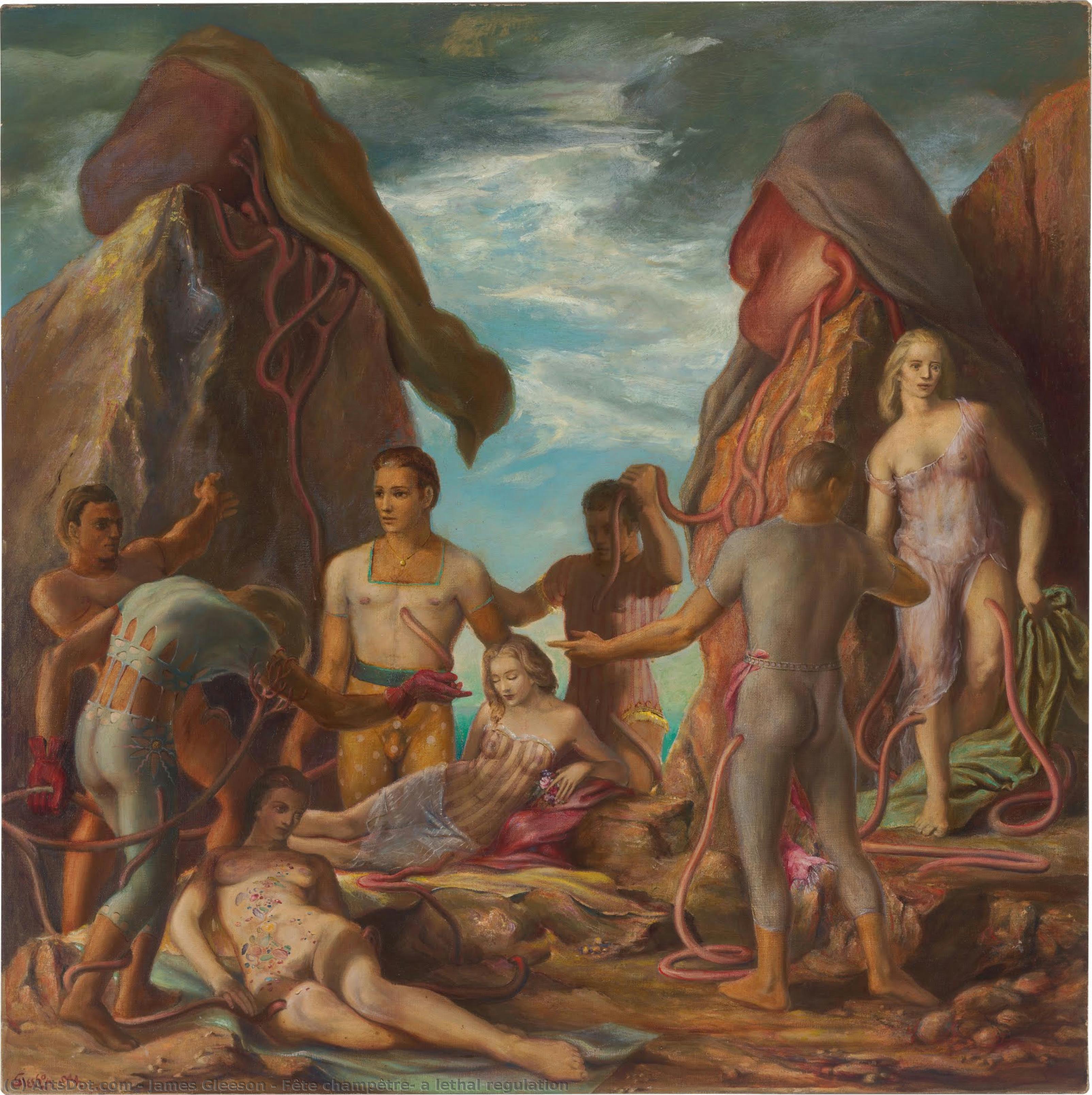
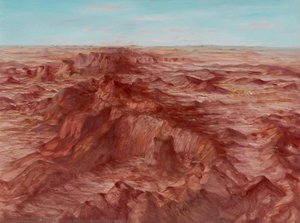
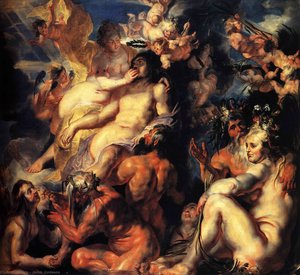
Fête champêtre, a lethal regulation
 Oil On Canvas
- WallArt
- Surrealist Landscape
 1944
1944- Modern
 765.0 x 765.0 cm
 Национальная галерея Австралии
 Читать далее
Приобретите цифровое изображение высокого разрешения в улучшенном качестве, которое значительно превосходит онлайн-превью.
Каждый файл тщательно подготавливается нашими специалистами с использованием передовых инструментов и экспертной ручной ретуши. Мы гарантируем исключительную четкость, точную цветопередачу и детальную проработку каждого изображения.
Финальный файл доставляется по электронной почте в течение 72 часов и оптимизирован для немедленного использования в профессиональной среде, при верстке и печати. Это тот же уровень качества, которому доверяют ведущие дизайнерские студии, издательства и галереи.
Цифровое изображение
Скачайте файл высокого разрешения для личного использования, печати и творческих проектов. ( Перейти к печати Купить картину ручной работы)
Включено в каждый заказ цифровых изображений
Гарантия экспертной цифровой доставки
Выбирая ArtsDot.com, вы получаете не просто изображение — вы приобретаете профессионально обработанное цифровое произведение искусства, созданное с безупречной точностью и под защитой гарантии качества. Вот всё, что автоматически входит в ваш заказ:

Мгновенная доставка по e-mail
Ваш цифровой файл в высоком разрешении будет отправлен вам по электронной почте в течение 72 часов после оформления заказа — и сразу станет доступен для использования.

Цифровой файл с ИИ-улучшением
Ваше произведение искусства проходит профессиональную оптимизацию с использованием передовых инструментов ИИ и ручной обработки, что гарантирует максимальную детализацию, четкость и точность цветопередачи.

Бессрочная бесплатная повторная доставка
Случайно удалили или потеряли файл? Не беспокойтесь — мы отправим его вам повторно в любое время и совершенно бесплатно.

Без импортных пошлин — навсегда
Наслаждайтесь вашим произведением искусства мгновенно без таможенных пошлин, сборов или затрат на доставку — цифровые загрузки всегда не облагаются налогом.

Гарантия точности цветопередачи
Мы гарантируем, что ваше цифровое изображение максимально точно передает оригинальные цвета благодаря использованию профессиональных инструментов и систем управления цветом.

Гарантия удовлетворенности 100 дней
Если вы не будете удовлетворены своим цифровым изображением, мы внесем правки или вернем 100% стоимости в течение 100 дней — без лишних вопросов.

100% Гарантия возврата средств
Не удовлетворены покупкой? Получите полный возврат средств в течение 100 дней после получения цифрового файла — без лишних вопросов.

Скидки на оптовые заказы
Купите 3 изображения, сэкономьте 10% — Купите 5, сэкономьте 15% — Купите 10+, сэкономьте 20%. Отличное решение для творческих проектов, галерей и агентств.
James Gleeson’s “Fête Champêtre, a Lethal Regulation” – A Descent into Australian Surrealism
“Fête Champêtre, a Lethal Regulation,” painted in 1944 by the visionary James Gleeson, is more than just a depiction of a rural gathering; it's a profound and unsettling exploration of the anxieties simmering beneath the surface of post-war Australia. Measuring an imposing 765 x 765 cm, this large oil on canvas immediately commands attention with its dramatic composition and intensely rendered textures. Gleeson, often considered Australia’s first true surrealist, masterfully blends elements of Australian landscape – rugged rock formations and a brooding sky – with the unsettling imagery drawn from European psychoanalytic thought and primal mythology. The painting's title itself hints at a hidden danger, a suggestion that this seemingly idyllic scene harbors a dark secret, a theme consistently present throughout Gleeson’s oeuvre.
A Vision Forged in Displacement
Born in Sydney in 1915, James Timothy Gleeson's artistic journey was profoundly shaped by his early life. His family’s ownership of a hotel offered him unique access to the undercurrents of Australian society – a world of secrets and shadowed dealings that would later inform the unsettling narratives woven into his art. This sense of displacement, coupled with exposure to influential artists like May Marsden, fueled his desire to create work that transcended mere representation, seeking instead to tap into the subconscious and explore the darker aspects of human experience. Gleeson’s technique is characterized by bold impasto – thick layers of paint applied with energetic brushstrokes – creating a tactile surface that vibrates with emotional intensity.
Symbolism and Narrative in the Landscape
The scene depicted in “Fête Champêtre, a Lethal Regulation” is rich in symbolic detail. The gathering of figures around a rocky outcrop evokes a sense of ritualistic behavior, while their costumes suggest a deliberate masking of identity. Objects like bowls and vases become laden with significance, perhaps representing offerings or vessels for hidden desires. The overall atmosphere is one of unease, amplified by the dramatic lighting and the unsettling juxtaposition of beauty and menace. Gleeson’s use of color – predominantly earthy tones punctuated by flashes of crimson – further contributes to this sense of tension and foreboding. The title itself, a paradoxical statement, adds another layer of complexity, suggesting that even seemingly harmless celebrations can conceal deadly intentions.
Historical Context and Lasting Influence
Created in 1944, the painting reflects the anxieties of the post-World War II era – a period marked by uncertainty, disillusionment, and a growing awareness of psychological trauma. Gleeson’s work aligns with the broader Surrealist movement, which sought to liberate art from rational constraints and tap into the realm of dreams and unconscious desires. However, unlike many European surrealists, Gleeson grounded his vision in the specific context of Australian identity, creating a uniquely unsettling and evocative body of work that continues to fascinate and challenge viewers today. Gleeson's influence can be seen in subsequent generations of Australian artists who sought to explore themes of alienation, myth, and the darker side of the human psyche.
Похожие произведения


Биография художника
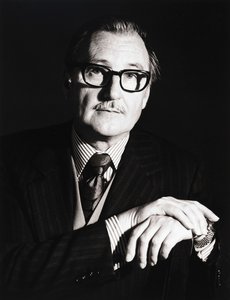
James Gleeson: Architect of the Australian Surreal
James Timothy Gleeson (1915-2008) wasn’t merely an artist; he was a conjurer of landscapes, a weaver of nightmares and dreams, and arguably Australia's first true surrealist. Emerging from the post-war artistic landscape, Gleeson forged a singular vision—a world steeped in primal anxieties, echoing with the voices of mythology and psychoanalysis—that continues to resonate today. His work isn’t easily categorized; it’s a potent blend of Australian identity, European influences, and deeply personal symbolism, rendered in bold, impastoed canvases that demand attention and invite contemplation.
Born in Hornsby, New South Wales, Gleeson's early life was marked by a profound sense of displacement. His family’s hotel ownership provided a glimpse into the darker side of Australian society, while his artistic inclinations were nurtured through exposure to influential figures like May Marsden, who steered him towards painting as an outlet for his burgeoning anxieties. This formative period instilled in him a fascination with the subconscious and a desire to confront uncomfortable truths—a theme that would become central to his oeuvre. His initial training at East Sydney Technical College laid the groundwork, but it was his immersion in the works of Dalí, Masson, Freud, and Jung that truly ignited his surrealist sensibilities.
The Genesis of a Vision
Gleeson’s artistic journey began with a deliberate rejection of conventional representation. Influenced by the European Surrealists—particularly Dalí's exploration of dream imagery and masson’s organic abstraction—he sought to bypass the limitations of visual perception, aiming instead to capture the raw energy of the unconscious mind. His early works, such as “The Sower” (1944), already hinted at this ambition, presenting a distorted landscape populated by enigmatic figures that seemed to emerge from a swirling vortex of color and form. This marked a departure from traditional Australian art, which often focused on pastoral scenes and idealized landscapes; Gleeson was charting a distinctly different course.
The post-war era, with its anxieties surrounding fascism and the looming threat of global conflict, profoundly shaped his artistic concerns. He channeled these fears into powerful, apocalyptic imagery—vast, desolate landscapes dominated by towering rock formations, submerged figures, and unsettling juxtapositions. These weren’t simply depictions of nature; they were symbolic representations of humanity's precarious position within a chaotic universe. His work became a visual meditation on mortality, the fragility of existence, and the enduring power of primal instincts.
The Language of Symbolism
Gleeson’s paintings are rich in symbolism, drawing upon mythology, folklore, and psychoanalytic theory to create layered meanings. The recurring motif of the male nude—often depicted as a solitary figure emerging from turbulent waters or crumbling ruins—represents vulnerability, mortality, and the struggle for self-awareness. The use of ochre tones – reminiscent of the Australian outback – creates a sense of both familiarity and alienation, grounding his surreal visions in the landscape of his homeland while simultaneously evoking a timeless, almost biblical quality.
His later works, particularly the “Ubu” diptychs (1970s), exemplify this symbolic language. These monumental canvases depict submerged figures and decaying structures, suggesting the collapse of civilization and the inevitable return to primal chaos. Yet, amidst the devastation, there’s a strange beauty—a sense of resilience and enduring spirit—that speaks to the human capacity for survival and renewal.
Legacy and Recognition
James Gleeson's impact on Australian art is undeniable. He was a pioneer in establishing surrealism as a viable artistic movement within the country, challenging conventional notions of beauty and representation. His work continues to be studied and admired for its emotional intensity, symbolic depth, and unique visual language.
In 2004, the National Gallery of Australia mounted a comprehensive retrospective exhibition, “Beyond the Screen of Sight,” which cemented his place as one of Australia’s most important artists. The exhibition drew significant public attention to his work and highlighted its enduring relevance. His legacy extends beyond his paintings; he was also a respected art critic, lecturer, curator, and writer, contributing significantly to the development of Australian art history. His collection was donated to the National Gallery of Australia in 2007, ensuring that his visionary works will continue to inspire generations of artists and viewers.
A Lasting Impression
James Gleeson’s paintings are not merely beautiful images; they are profound statements about the human condition. They confront us with our fears, anxieties, and mortality, while simultaneously offering a glimpse into the hidden depths of the unconscious mind. His work remains a powerful testament to the enduring power of art to challenge, provoke, and ultimately, illuminate the mysteries of existence.
james gleeson
1915 - 2008 , Australia
Основные сведения
- Artistic Movement Or Style: Surrealism
- Artists Or Movements Influenced By This Artist:
- Robert Klippel
- Australian Surrealism
- Artists Who Influenced This Artist:
- Salvador Dalí
- Max Ernst
- Sigmund Freud
- Carl Jung
- Date Of Birth: November 21, 1915
- Date Of Death: October 20, 2008
- Full Name: James Timothy Gleeson
- Nationality: Australian
- Notable Artworks:
- Untitled (530)
- Untitled (723)
- Untitled (973)
- Place Of Birth: Sydney, Australia