


 Предпросмотр
 Поделиться
 Поделиться
 Детали произведения

 Скачать
 Похожие работы
 Рентгенография
 Слайд-шоу
 Статистика
The Colonnade of Queen Mary Court, Greenwich


 Читать далее
Жикле / Арт-принт
Печать (жикле) или холст музейного качества с быстрыми сроками изготовления и широким выбором вариантов отделки. ( Купить картину ручной работы Перейти к цифровым изображениям)




P118B $10

P118H $10

P118W $10

P438Z $10

P508JH $12

P508YH $12

P805H $10

P805Z $10

P919BZ $10

P919G $10

P919XJ $10

P959ZH $10

P968JZ $12

W106C $8

W218G $10

W218JH $8

W218Y $10

W307PJ $10

W316G $10

W316PJ $8

W316Y $10

W398PJ $8

W4111J $10

W500HY $15

W500JH $15

W692G $12

W849H $8

W940BG $15

W953PJ $8
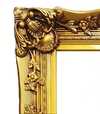
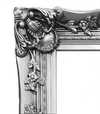
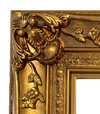
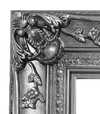
Выберите один из наших стандартных размеров, соответствующих оригинальным пропорциям произведения искусства.

Вы можете указать свои собственные размеры, чтобы репродукция идеально подошла под конкретную раму или пространство. Если выбранный вами размер не будет соответствовать пропорциям оригинала, мы либо обрежем произведение, либо дополним изображение зеркальным отражением краев или однотонной заливкой. Перед началом производства вам будет отправлен цифровой макет для утверждения.
Пожалуйста, обратите внимание, что предварительный просмотр на экране не отображает фактическую обрезку или расширение изображения. Только макет точно покажет финальную композицию.
Несмотря на возможность заказа индивидуальных размеров, мы рекомендуем выбирать размер из предопределенного списка, чтобы сохранить оригинальные пропорции.
Доставка по всему миру () за 2 недели вместо стандартных 4/5 недель. (16 Сентябрь)

Бесплатная экспресс-доставка по всему миру

Высококачественный льняной холст

Полное страхование доставки

Гарантия возмещения таможенных пошлин

Гарантия точного соответствия цветов

100-дневная политика возврата (только при обнаружении дефектов)

Гарантия возврата 100% средств

Предложение оптовых скидок
 Вариант со стеклом доступен только для размеров менее 110 см

The Colonnade of Queen Mary Court, Greenwich
Жикле / Арт-принт
Размер репродукции
-


Итоговая стоимость
$ 62
A Quiet Master’s Vision of Royal Grandeur
Edward Calvert, a name perhaps unfamiliar to seasoned art historians, deserves recognition for his understated yet remarkably detailed contribution to British printmaking and painting during the early 19th century. Born in Greenlaw, Scotland, on September 20, 1799, into a family steeped in artistic tradition – his father, Charles Willson Peale, was a renowned naturalist and museum curator – Calvert’s life unfolded as a fascinating blend of scientific observation and artistic skill. Unlike the flamboyant figures dominating the era's artistic landscape, Calvert’s legacy resides in his meticulous depictions of rural life, particularly scenes of cattle on the Scottish countryside, rendered with an elegance that speaks volumes about his sensibility. This painting exemplifies this approach—a masterful portrayal of a significant architectural landmark imbued with a palpable sense of history and serenity.The Artwork: A Monochrome Reflection
James Holland’s “The Colonnade of Queen Mary Court” is a striking black and white oil on panel, capturing the grandeur of Greenwich Palace during its reign under Queen Mary II (1689-1727). The photograph reveals a scene brimming with activity—individuals strolling along the walkway, their figures rendered in subtle gradations of tone, creating depth and conveying movement. Two horses are prominently featured: one positioned centrally within the composition and another situated on the right side, adding dynamism to the overall visual narrative. The architecture itself is undeniably impressive – a monumental arched structure dominating the vista—a testament to Baroque design principles prevalent at the time. Holland’s deliberate choice of monochrome enhances the painting's emotional impact, stripping away distracting color palettes to focus solely on form and texture.Technical Skill and Artistic Detail
Holland’s technique demonstrates a profound understanding of chiaroscuro—the dramatic interplay between light and shadow—a cornerstone of Baroque art. Careful brushstrokes meticulously build up layers of pigment, capturing the intricate details of the colonnade's stonework and the textures of the surrounding foliage. The artist skillfully utilizes tonal variations to sculpt the forms of the horses and people alike, conveying a sense of realism that transcends mere representation. Notice how Holland’s meticulous attention to detail elevates the painting beyond a simple depiction of a location; it becomes an immersive experience for the viewer, transporting them back to 1833 and inviting contemplation on the passage of time.Historical Context: Greenwich Palace Under Mary II
“The Colonnade of Queen Mary Court” offers a glimpse into Greenwich Palace during a pivotal moment in British history—the reign of Mary II, who ascended to the throne jointly with William III following the Glorious Revolution of 1688. This period witnessed significant architectural renovations aimed at bolstering royal prestige and symbolizing stability amidst turbulent political upheaval. The colonnade itself was constructed as part of a larger project designed to transform Greenwich into a ceremonial center for the monarchy. Holland’s painting serves not only as an aesthetic achievement but also as a historical document, capturing the atmosphere of this era and reflecting its artistic sensibilities.Symbolism and Emotional Resonance
Beyond its formal qualities, the artwork resonates with deeper symbolic meanings. The colonnade represents authority and permanence—a visual embodiment of the monarchy’s enduring presence. The horses symbolize nobility and power, mirroring the aspirations of Mary II's reign. And finally, the tranquil scene evokes a sense of serenity and contemplation, inviting viewers to appreciate the beauty of the natural world alongside the grandeur of royal architecture. Holland’s masterful execution captures these elements with understated grace, cementing “The Colonnade of Queen Mary Court” as an enduring testament to British artistic heritage.Похожие произведения
![Sotoportego [underpass] In Venice — Мариано Фортуни, Impressionistic Realism](/media/artworks/images-thumb/eb/d2/ebd21bdd6e0de7c6b1d041d9d41d03b1.jpg)
Биография художника
Edward Calvert: A Quiet Master of the Early 19th Century
The name Edward Calvert might not immediately resonate with art history enthusiasts, yet his contribution to British printmaking and painting during the early 1800s deserves recognition. Born in Greenlaw, Scotland, on September 20, 1799, into a family steeped in artistic tradition – his father, Charles Willson Peale, was a renowned naturalist and museum curator – Calvert’s life unfolded as a fascinating blend of scientific observation and artistic skill. Unlike the flamboyant figures often associated with the era, Calvert's legacy lies in his meticulous depictions of rural life, particularly scenes of cattle on the Scottish countryside, rendered with an understated elegance and remarkable detail.
Calvert’s early education likely involved exposure to his father’s museum, a hub for collecting and displaying specimens. This immersion in natural history undoubtedly shaped his artistic sensibilities, fostering a keen eye for observation and a deep appreciation for the beauty of the natural world. He formally studied at the Royal Academy in Edinburgh, a common path for aspiring artists of the time, honing his technical skills before embarking on his independent career.
A Life Dedicated to Printmaking
Calvert’s primary medium was watercolor and engraving, techniques he mastered with considerable skill. His most celebrated works depict scenes of rural Scotland, specifically cattle grazing in expansive landscapes. These aren't dramatic, heroic portrayals; rather, they are intimate studies of animals in their natural habitat, capturing the subtle shifts of light, texture, and mood. The compositions are often simple, focusing on the relationship between animal and environment, conveying a sense of tranquility and timelessness.
Unlike many artists of his era who sought fame through grand historical or mythological subjects, Calvert’s focus remained firmly rooted in the everyday. This dedication to depicting ordinary scenes—a farmer tending his flock, cattle browsing in a field—is what distinguishes his work and contributes to its enduring appeal. His prints were not intended for large-scale display; they were created for private collections and circulated amongst a discerning clientele who appreciated his quiet mastery.
Influences and Artistic Style
Calvert’s artistic style is often described as ‘rustic’ or ‘deliberately understated.’ He drew inspiration from the works of earlier landscape painters, particularly those associated with the Scottish School of Landscape painting. However, unlike some of his predecessors, Calvert avoided overtly romanticizing nature. Instead, he presented a more realistic and objective view, emphasizing the inherent beauty of the countryside without resorting to sentimental embellishments.
The influence of his father’s scientific pursuits is also evident in Calvert's work. His meticulous attention to detail—the texture of fur, the movement of hooves, the play of light on water—reflects a naturalist’s eye for observation and accuracy. This combination of artistic skill and scientific rigor is what elevates Calvert’s prints beyond mere depictions of scenery; they are carefully constructed studies of animal behavior and the natural world.
Later Years and Legacy
Edward Calvert continued to work as an artist throughout his life, producing a substantial body of prints and paintings. He remained largely unknown during his lifetime, but his work gradually gained recognition in the 20th century, particularly through the efforts of art historians who appreciated its quiet beauty and understated elegance.
Today, Edward Calvert is recognized as one of the most important printmakers of the early 19th century. His depictions of rural Scotland offer a valuable glimpse into a bygone era, capturing the essence of a landscape that has largely disappeared. His legacy lies not in grand gestures or dramatic scenes, but in his quiet mastery of watercolor and engraving—a testament to the enduring power of observation and artistic skill.
Notable Works
- Cattle on the Ridge of a Hill: Perhaps his most famous work, exemplifying his meticulous attention to detail and ability to capture the essence of rural life.
- Shoreham: A quintessential example of Calvert’s style, showcasing his skill in depicting animals within their natural environment.
- Various other pastoral scenes featuring cattle, sheep, and horses, demonstrating a consistent approach to subject matter and technique.
Calvert's work is held in collections at the Tate Gallery in London and other institutions, ensuring that his quiet contributions to British art continue to be appreciated by generations of viewers.
james holland
1799 - 1870
Основные сведения
- Artistic Movement Or Style: Printmaker, Painter
- Date Of Birth: 20 September 1799
- Date Of Death: 14 July 1883
- Full Name: Edward Calvert
- Nationality: English
- Notable Artworks:
- Cattle on the Ridge of a Hill
- Shoreham / The Ancients
- Place Of Birth: England
Похожие статьи
James Netherlands: Bridging Romanticism & Realism in 19th-Century Art
Explore the captivating art of James Netherlands (1799-1870). Discover his stunning Venetian scenes & landscapes, bridging Romanticism and Impressionism. Learn about his technique, legacy, and key works like 'Rotterdam' at ArtsDot.
Джеймс Уистлер: Топ-25 шедевров художника для ценителей искусства и декора
Погрузитесь в мир Джеймса Уистлера! Топ-25 шедевров художника, от знаменитых ноктюрнов до изысканных портретов. Узнайте историю создания и эстетику каждой картины. Репродукции высокого качества для вашего интерьера на ArtsDot.com.
Топ-10 шедевров XIX века: искусство, история и декор от ArtsDot.com
Погрузитесь в мир искусства XIX века! От реализма до импрессионизма – 10 величайших картин, истории художников и вдохновение для вашего интерьера. Репродукции высокого качества на ArtsDot.com. Откройте всю коллекцию онлайн!

Альфред Муннингс: 25 шедевров британского импрессионизма для вашего интерьера | ArtsDot
Погрузитесь в мир Альфреда Муннингса! 25 шедевров британского импрессионизма, запечатлевших красоту лошадей и сельской Англии. Репродукции картин высокого качества для вашего интерьера на ArtsDot.com.
James Sant: Capturing Victorian Childhood & the Evolving Landscape of British Genre Painting
Explore the life & art of James Sant (1820-1916), renowned Victorian portraitist to Queen Victoria. Discover his captivating depictions of childhood, landscapes, and aristocratic society. Learn about his legacy & find fine art reproductions.