Меню
ПредпросмотрПредпросмотр Предпросмотр в ARПредпросмотр в AR Перейти к печати Перейти к печатиКупить картину ручной работы Купить картину ручной работы ПоделитьсяПоделиться
Детали произведенияДетали произведения Добавить в избранное Добавить в избранное СкачатьСкачать Похожие работыПохожие работы РентгенографияРентгенография Слайд-шоуСлайд-шоу СтатистикаСтатистика

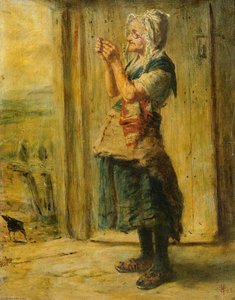
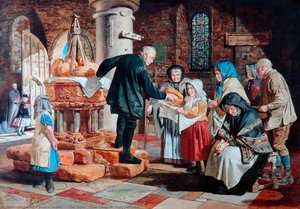
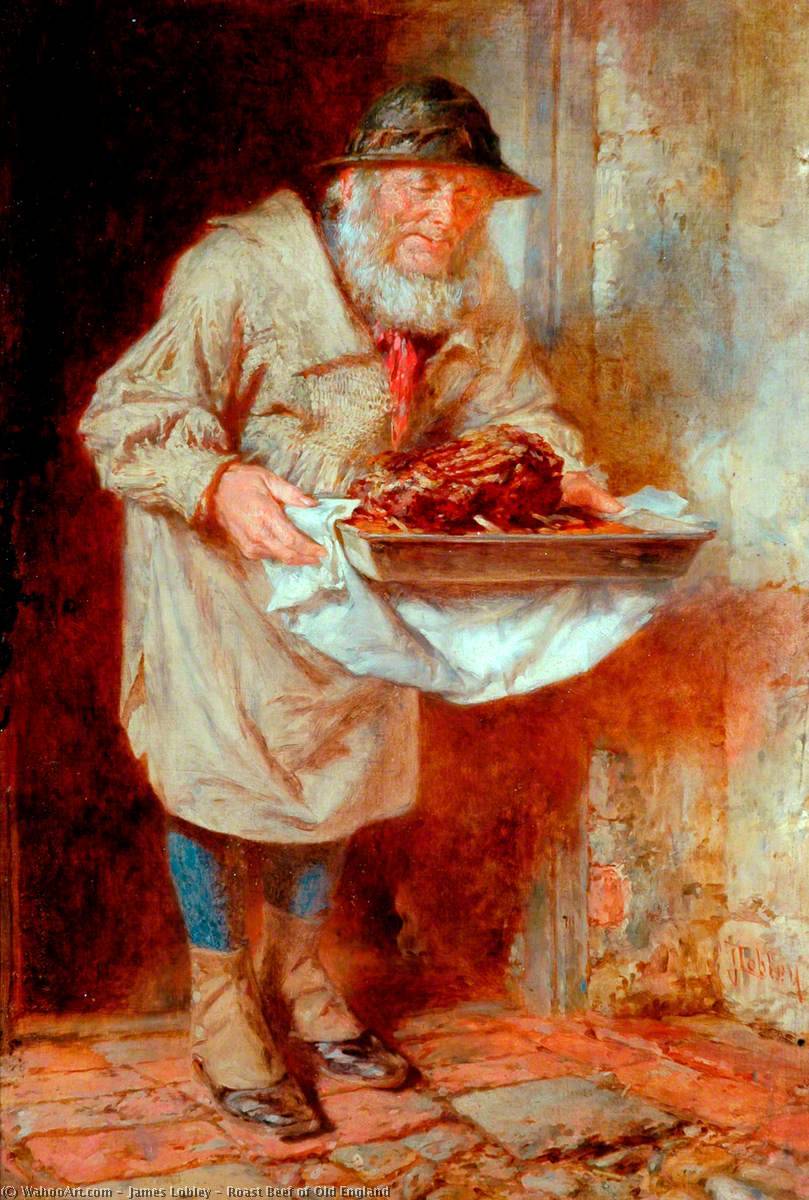
Roast Beef of Old England

James Lobley’s 'Roast Beef of Old England': A poignant 19th-century realist oil painting depicting poverty & hardship. Explore its textured style & social commentary.

Discover James Lobley’s captivating paintings of British life & folklore! Explore his detailed scenes of rural England & iconic works like 'Roast Beef' at museums across the UK.

Приобретите цифровое изображение высокого разрешения в улучшенном качестве, которое значительно превосходит онлайн-превью.

Каждый файл тщательно подготавливается нашими специалистами с использованием передовых инструментов и экспертной ручной ретуши. Мы гарантируем исключительную четкость, точную цветопередачу и детальную проработку каждого изображения.

Финальный файл доставляется по электронной почте в течение 72 часов и оптимизирован для немедленного использования в профессиональной среде, при верстке и печати. Это тот же уровень качества, которому доверяют ведущие дизайнерские студии, издательства и галереи.

Цифровое изображение

Скачайте файл высокого разрешения для личного использования, печати и творческих проектов. (Перейти к печати Перейти к печатиКупить картину ручной работы Купить картину ручной работы)

Итоговая стоимость

$ 24,00

Включено в каждый заказ цифровых изображений

Гарантия экспертной цифровой доставки

Выбирая ArtsDot.com, вы получаете не просто изображение — вы приобретаете профессионально обработанное цифровое произведение искусства, созданное с безупречной точностью и под защитой гарантии качества. Вот всё, что автоматически входит в ваш заказ:

shipping_icon
Мгновенная доставка по e-mail

Ваш цифровой файл в высоком разрешении будет отправлен вам по электронной почте в течение 72 часов после оформления заказа — и сразу станет доступен для использования.

canvas_icon
Цифровой файл с ИИ-улучшением

Ваше произведение искусства проходит профессиональную оптимизацию с использованием передовых инструментов ИИ и ручной обработки, что гарантирует максимальную детализацию, четкость и точность цветопередачи.

insurance_icon
Бессрочная бесплатная повторная доставка

Случайно удалили или потеряли файл? Не беспокойтесь — мы отправим его вам повторно в любое время и совершенно бесплатно.

tax_icon
Без импортных пошлин — навсегда

Наслаждайтесь вашим произведением искусства мгновенно без таможенных пошлин, сборов или затрат на доставку — цифровые загрузки всегда не облагаются налогом.

color_icon
Гарантия точности цветопередачи

Мы гарантируем, что ваше цифровое изображение максимально точно передает оригинальные цвета благодаря использованию профессиональных инструментов и систем управления цветом.

return_icon
Гарантия удовлетворенности 100 дней

Если вы не будете удовлетворены своим цифровым изображением, мы внесем правки или вернем 100% стоимости в течение 100 дней — без лишних вопросов.

guarantee_icon
100% Гарантия возврата средств

Не удовлетворены покупкой? Получите полный возврат средств в течение 100 дней после получения цифрового файла — без лишних вопросов.

discount_icon
Скидки на оптовые заказы

Купите 3 изображения, сэкономьте 10% — Купите 5, сэкономьте 15% — Купите 10+, сэкономьте 20%. Отличное решение для творческих проектов, галерей и агентств.
Биография художника

A Chronicler of Rural England: The Life and Art of James Lobley

James Lobley, born in 1828 and passing away in 1888, remains a compelling figure within the landscape of 19th-century British painting. Though not as widely celebrated as some of his contemporaries, Lobley’s work offers a poignant and detailed glimpse into the lives of ordinary people and the evolving social fabric of Victorian England. His paintings are characterized by a remarkable realism, often imbued with a subtle narrative quality that draws viewers into scenes of both hardship and quiet dignity. While biographical details surrounding Lobley's life remain somewhat sparse, his artistic output speaks volumes about his keen observational skills and empathetic portrayal of rural existence. He wasn’t merely documenting what he saw; he was capturing the essence of a changing nation, preserving moments often overlooked by grand historical narratives.

Early Influences and Artistic Development

Lobley's artistic journey unfolded during a period of significant change in British art. The Romantic movement had begun to give way to Realism, with artists increasingly focused on depicting the world as it was—warts and all. While specific details regarding his formal training are limited, Lobley clearly absorbed these prevailing currents. His early works demonstrate a strong foundation in traditional techniques, but he quickly developed a distinctive style marked by meticulous detail and a sensitivity to light and texture. It’s believed that he spent considerable time observing life in the countryside, sketching directly from nature and engaging with local communities. This dedication to direct observation is evident in the authenticity of his depictions—the weathered faces of laborers, the humble interiors of cottages, and the sprawling landscapes that formed the backdrop of their lives. He wasn't a painter of idealized scenes; he sought to represent the realities of rural England, even when those realities were challenging or uncomfortable.

Themes of Social Commentary and Narrative

Lobley’s paintings frequently address themes of poverty, hardship, and social inequality. Perhaps his most well-known work, "Roast Beef of Old England", is a powerful example of this tendency. The painting depicts a family gathered around a meager meal, their faces etched with weariness and resignation. While the title evokes a sense of national pride, the scene itself offers a stark contrast—a poignant commentary on the realities faced by many during the Victorian era. This wasn’t simply an exercise in social criticism; Lobley imbued his subjects with dignity and humanity, refusing to portray them as mere victims. Other works, such as "Little Nell Leaving the Church (The Old Curiosity Shop)", demonstrate a fascination with narrative—drawing inspiration from popular literature and exploring themes of morality, choice, and loss. His ability to weave compelling stories into his paintings is one of the hallmarks of his artistic style.

Technique and Style: A Master of Realism

Lobley’s technical skill is undeniable. He employed a meticulous brushstroke, building up layers of paint to create richly textured surfaces that capture the nuances of light and shadow. His palette is typically subdued, reflecting the often-somber realities he depicted. However, within this restrained color scheme, he demonstrates a remarkable ability to convey warmth and emotion. The Pedlar, for example, showcases his mastery of domestic interiors—the warm glow of candlelight illuminating the faces of the figures, the detailed rendering of everyday objects, and the overall sense of intimacy that permeates the scene. He wasn’t interested in grand gestures or dramatic compositions; instead, he focused on capturing the subtle details that brought his subjects to life. This dedication to realism, combined with his empathetic portrayal of human emotion, sets him apart from many of his contemporaries.

Legacy and Historical Significance

While James Lobley may not be a household name, his work continues to resonate with viewers today. His paintings offer a valuable glimpse into the social and cultural landscape of Victorian England—a time of rapid change and increasing inequality. He stands as a testament to the power of art to document lived experience, to challenge conventional narratives, and to evoke empathy for those often marginalized by society. His detailed scenes of rural life provide an important counterpoint to more idealized depictions of the era, reminding us of the complexities and contradictions that shaped 19th-century Britain. As interest in social realism continues to grow, Lobley’s work is poised to receive renewed attention—solidifying his place as a significant chronicler of his time. His paintings are not merely historical artifacts; they are windows into the lives of ordinary people, offering a timeless and poignant reflection on the human condition.