

 Предпросмотр
 Поделиться
 Поделиться
 Детали произведения

 Скачать
 Похожие работы
 Рентгенография
 Слайд-шоу
 Статистика
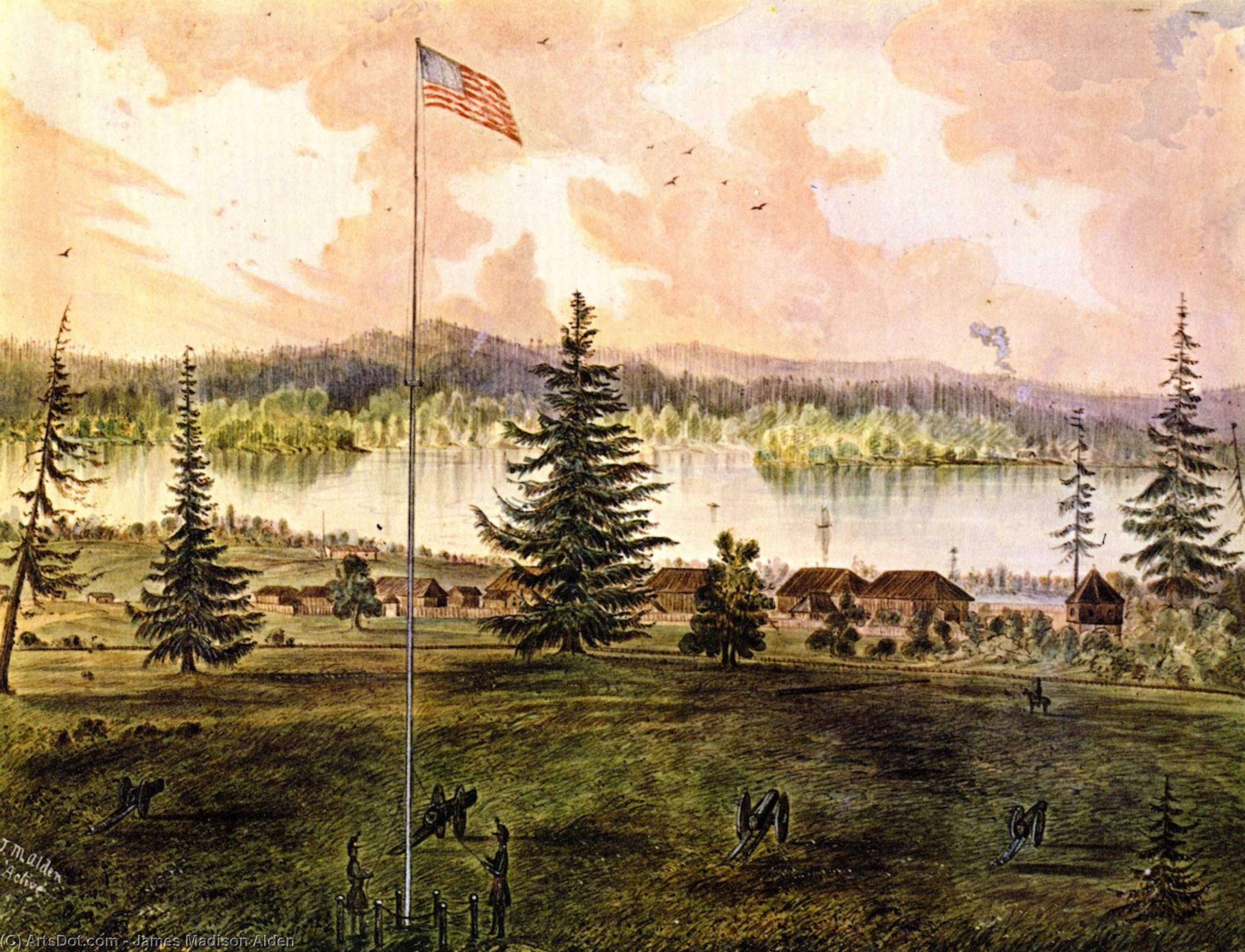
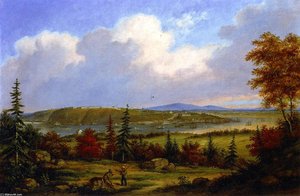
Fort Vancouver, Oregon


 Читать далее
Приобретите цифровое изображение высокого разрешения в улучшенном качестве, которое значительно превосходит онлайн-превью.
Каждый файл тщательно подготавливается нашими специалистами с использованием передовых инструментов и экспертной ручной ретуши. Мы гарантируем исключительную четкость, точную цветопередачу и детальную проработку каждого изображения.
Финальный файл доставляется по электронной почте в течение 72 часов и оптимизирован для немедленного использования в профессиональной среде, при верстке и печати. Это тот же уровень качества, которому доверяют ведущие дизайнерские студии, издательства и галереи.
Цифровое изображение
Скачайте файл высокого разрешения для личного использования, печати и творческих проектов. ( Перейти к печати Купить картину ручной работы)
Включено в каждый заказ цифровых изображений
Гарантия экспертной цифровой доставки
Выбирая ArtsDot.com, вы получаете не просто изображение — вы приобретаете профессионально обработанное цифровое произведение искусства, созданное с безупречной точностью и под защитой гарантии качества. Вот всё, что автоматически входит в ваш заказ:

Мгновенная доставка по e-mail
Ваш цифровой файл в высоком разрешении будет отправлен вам по электронной почте в течение 72 часов после оформления заказа — и сразу станет доступен для использования.

Цифровой файл с ИИ-улучшением
Ваше произведение искусства проходит профессиональную оптимизацию с использованием передовых инструментов ИИ и ручной обработки, что гарантирует максимальную детализацию, четкость и точность цветопередачи.

Бессрочная бесплатная повторная доставка
Случайно удалили или потеряли файл? Не беспокойтесь — мы отправим его вам повторно в любое время и совершенно бесплатно.

Без импортных пошлин — навсегда
Наслаждайтесь вашим произведением искусства мгновенно без таможенных пошлин, сборов или затрат на доставку — цифровые загрузки всегда не облагаются налогом.

Гарантия точности цветопередачи
Мы гарантируем, что ваше цифровое изображение максимально точно передает оригинальные цвета благодаря использованию профессиональных инструментов и систем управления цветом.

Гарантия удовлетворенности 100 дней
Если вы не будете удовлетворены своим цифровым изображением, мы внесем правки или вернем 100% стоимости в течение 100 дней — без лишних вопросов.

100% Гарантия возврата средств
Не удовлетворены покупкой? Получите полный возврат средств в течение 100 дней после получения цифрового файла — без лишних вопросов.

Скидки на оптовые заказы
Купите 3 изображения, сэкономьте 10% — Купите 5, сэкономьте 15% — Купите 10+, сэкономьте 20%. Отличное решение для творческих проектов, галерей и агентств.
The Artist and His Work
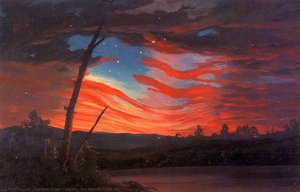
James Madison Alden was an American landscape painter who was active during the mid-19th century. His paintings often featured scenes from the Pacific Northwest, including landscapes, seascapes, and depictions of everyday life. Alden's work is characterized by its realism, attention to detail, and use of vibrant colors. The painting Fort Vancouver, Oregon is a prime example of Alden's skill as an artist. The piece features a large flag flying in the wind on top of a pole, with mountains visible in the background. The scene is populated by several people, some standing near the flag and others further away. The overall atmosphere of the painting is one of a lively gathering or event taking place outdoors.Importance of the Painting
The painting Fort Vancouver, Oregon is not only a beautiful work of art but also an important historical document. It provides a glimpse into the daily life of people living in the Pacific Northwest during the mid-19th century. The painting is also significant because it showcases the artist's use of watercolor as a medium, which was a popular choice for landscape painters during this time period.- The painting is part of the collection at the Yale Collection of American Literature in the United States.
- Alden's work can also be found in other museums and collections, including the Washington State Historical Society.
- For more information on James Madison Alden and his paintings, visit /art/list/?Filter=8XXCYP-James-Madison-Alden-Fort-Vancouver-Oregon.
The painting Fort Vancouver, Oregon by James Madison Alden is a significant work of art that provides a glimpse into the history of the American Northwest. Its beauty, historical significance, and use of watercolor as a medium make it a must-see for anyone interested in art and history.
Похожие произведения
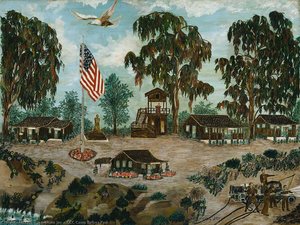
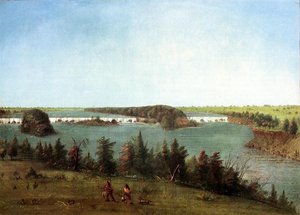
Биография художника
James Madison Alden: Chronicler of the American West
James Madison Alden, born in Roxbury, Massachusetts in 1834 and passing away in 1922, stands as a remarkably significant figure within the history of American landscape painting. More than simply a painter of picturesque vistas, Alden served as a crucial visual recorder of the vast and rapidly changing American West during a pivotal era – the mid-19th century’s westward expansion and the establishment of the nation's borders. His work offers an intimate glimpse into a period defined by exploration, surveying, and the burgeoning relationship between the United States and its indigenous territories.
Alden’s artistic journey began with formal training in Boston, but his true calling emerged during his service with the Pacific Coast Survey, led by his uncle, James Madison. This expedition, commissioned by the U.S. government, tasked Alden with meticulously documenting the western frontier – a responsibility that profoundly shaped his artistic vision and technique. Unlike many artists of the time who sought to romanticize the West, Alden’s approach was rooted in observation and accuracy. He wasn't interested in creating idealized scenes; instead, he painstakingly rendered the rugged terrain, the shifting light, and the diverse flora and fauna with a remarkable level of detail. His watercolors, often created *en plein air* – directly from nature – captured the essence of these landscapes with an immediacy rarely achieved by his contemporaries.
The Surveyor’s Eye: Technique and Subject Matter
Alden's artistic style evolved significantly throughout his career, reflecting both the demands of his surveying duties and his growing artistic maturity. Early works are characterized by tight, almost photographic renderings, prioritizing topographical accuracy above all else. These pieces, often created on location using portable equipment, showcase a remarkable ability to capture minute details – the texture of bark, the flow of water, the subtle variations in color. As he gained experience, Alden’s style became looser and more expressive, incorporating broader brushstrokes and a greater emphasis on atmospheric perspective. He skillfully blended realism with a sense of romanticism, conveying not just what he saw but also the feeling of being immersed within these wild landscapes.
Alden's subject matter was intrinsically linked to his role as a surveyor. His paintings depict a wide range of Western scenes – towering mountain ranges like the Cascades and Sierra Nevada, vast prairies teeming with wildlife, meandering rivers, and the dramatic coastline of the Pacific Northwest. He also produced historical paintings, capturing scenes from early American life in the West, including interactions between settlers and Native Americans. These works offer invaluable insights into the social and cultural dynamics of this period.
A Legacy of Documentation
Alden’s contribution extends beyond individual artworks; he played a vital role in documenting the establishment of the U.S.-Canada border. His detailed surveys and paintings provided crucial visual records for the Boundary Commission, aiding in the accurate demarcation of the frontier. This work cemented his reputation as one of the most accomplished surveying artists of his time.
Despite the prominence of his survey work, Alden’s artistic legacy is not solely defined by its practical purpose. His paintings possess a quiet beauty and a profound sense of place. They invite viewers to contemplate the scale and majesty of the American West, while simultaneously reminding us of the challenges faced by those who ventured into this untamed territory. His meticulous observation, combined with an evolving artistic sensibility, resulted in a body of work that continues to resonate today as a testament to the spirit of exploration and the enduring allure of the American frontier.
Notable Works
- Upper Cascades, Columbia River (1857): A quintessential example of Alden’s topographical skill, capturing the grandeur of the Cascade Mountains with remarkable precision.
- Various scenes from Yosemite Valley (late 1860s):
Alden's depictions of Yosemite offer a rare glimpse into the valley before its transformation by tourism and development.
- The Snake River (circa 1860): Demonstrates Alden’s ability to convey the vastness and power of the American landscape.
A Life Beyond Surveying
Following his service with the Pacific Coast Survey, Alden continued to paint and teach art in Annapolis, Maryland, and later in Washington D.C. He remained active as an artist until his death in 1922, leaving behind a substantial body of work that provides a unique window into the history of the American West.
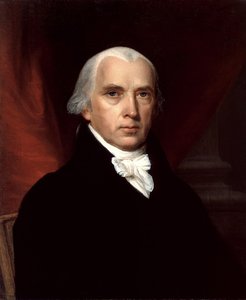
james madison alden
1834 - 1922