

 Предпросмотр
 Поделиться
 Поделиться
 Детали произведения

 Скачать
 Похожие работы
 Рентгенография
 Слайд-шоу
 Статистика
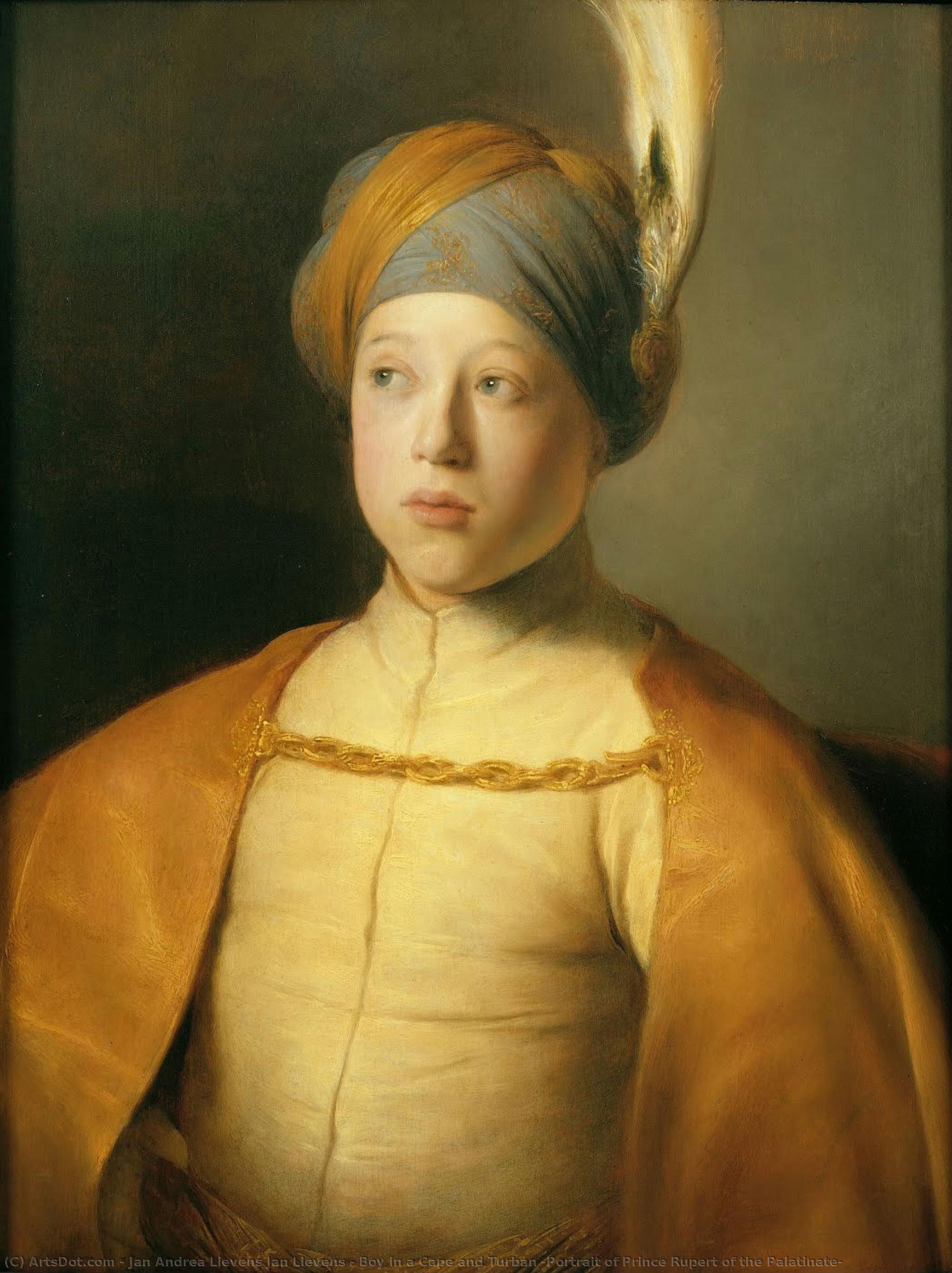
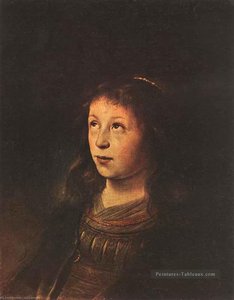
Boy in a Cape and Turban (Portrait of Prince Rupert of the Palatinate)
 Oil On Panel
- Baroque Portraiture
 1631
1631- Renaissance
 66.0 x 51.0 cm
 The Leiden Collection
 Читать далее
Приобретите цифровое изображение высокого разрешения в улучшенном качестве, которое значительно превосходит онлайн-превью.
Каждый файл тщательно подготавливается нашими специалистами с использованием передовых инструментов и экспертной ручной ретуши. Мы гарантируем исключительную четкость, точную цветопередачу и детальную проработку каждого изображения.
Финальный файл доставляется по электронной почте в течение 72 часов и оптимизирован для немедленного использования в профессиональной среде, при верстке и печати. Это тот же уровень качества, которому доверяют ведущие дизайнерские студии, издательства и галереи.
Цифровое изображение
Скачайте файл высокого разрешения для личного использования, печати и творческих проектов. ( Перейти к печати Купить картину ручной работы)
Включено в каждый заказ цифровых изображений
Гарантия экспертной цифровой доставки
Выбирая ArtsDot.com, вы получаете не просто изображение — вы приобретаете профессионально обработанное цифровое произведение искусства, созданное с безупречной точностью и под защитой гарантии качества. Вот всё, что автоматически входит в ваш заказ:

Мгновенная доставка по e-mail
Ваш цифровой файл в высоком разрешении будет отправлен вам по электронной почте в течение 72 часов после оформления заказа — и сразу станет доступен для использования.

Цифровой файл с ИИ-улучшением
Ваше произведение искусства проходит профессиональную оптимизацию с использованием передовых инструментов ИИ и ручной обработки, что гарантирует максимальную детализацию, четкость и точность цветопередачи.

Бессрочная бесплатная повторная доставка
Случайно удалили или потеряли файл? Не беспокойтесь — мы отправим его вам повторно в любое время и совершенно бесплатно.

Без импортных пошлин — навсегда
Наслаждайтесь вашим произведением искусства мгновенно без таможенных пошлин, сборов или затрат на доставку — цифровые загрузки всегда не облагаются налогом.

Гарантия точности цветопередачи
Мы гарантируем, что ваше цифровое изображение максимально точно передает оригинальные цвета благодаря использованию профессиональных инструментов и систем управления цветом.

Гарантия удовлетворенности 100 дней
Если вы не будете удовлетворены своим цифровым изображением, мы внесем правки или вернем 100% стоимости в течение 100 дней — без лишних вопросов.

100% Гарантия возврата средств
Не удовлетворены покупкой? Получите полный возврат средств в течение 100 дней после получения цифрового файла — без лишних вопросов.

Скидки на оптовые заказы
Купите 3 изображения, сэкономьте 10% — Купите 5, сэкономьте 15% — Купите 10+, сэкономьте 20%. Отличное решение для творческих проектов, галерей и агентств.
A Portrait of Ambition: Jan Andrea Lievens’ ‘Boy in a Cape and Turban’
Jan Andrea Lievens' “Boy in a Cape and Turban (Portrait of Prince Rupert of the Palatinate)” is more than just a depiction of a young man; it’s a carefully constructed window into the ambitions and anxieties of 17th-century Europe. Painted in 1631, this intimate oil on panel – measuring a modest 66 x 51 cm – reveals the burgeoning talent of a young Dutch artist poised at the cusp of recognition. The subject, identified as Prince Rupert of the Palatinate, isn’t merely presented; he's imbued with an air of calculated seriousness, his gaze fixed directly on the viewer, demanding attention and subtly projecting power.
- The Artist: Jan Andrea Lievens (1607-1674) was a key figure in the Dutch Golden Age, operating within a milieu increasingly influenced by Rembrandt van Rijn. His early training under Joris Verschoten and Pieter Lastman provided him with a solid foundation, while his collaboration with Rembrandt itself – spanning from 1626 to 1631 – undoubtedly shaped his artistic sensibilities.
- A Royal Commission: The portrait’s subject, Prince Rupert, was a prominent military figure and advisor to Maurice of Nassau, the Stadtholder of Holland and Zeeland. Such commissions were highly prestigious, reflecting not only the sitter's status but also the patron’s wealth and influence.
Style and Technique: A Blend of Realism and Baroque Influence
Lievens employs a style that skillfully balances realism with the burgeoning stylistic trends of the Baroque period. The rendering of Prince Rupert’s features – his strong jawline, thoughtful brow, and direct gaze – demonstrates meticulous observation and a desire to capture not just likeness but also character. The use of light and shadow is particularly noteworthy, creating a sense of depth and volume that elevates the portrait beyond a simple representation. Notice the subtle modeling of the fabric of his robe, achieved through careful layering of brushstrokes, contributing to the painting’s tactile quality.
The composition itself adheres to the conventions of portraiture prevalent at the time – a three-quarter pose, allowing for detailed observation of the subject's face and upper body. However, Lievens subtly introduces elements that hint at the Baroque fascination with drama and emotion, particularly through the intensity of Prince Rupert’s expression.
Symbolism and Context: Power, Identity, and the Dutch Golden Age
The turban worn by Prince Rupert is a significant detail, laden with symbolic meaning. In the 17th century, turbans were associated with military prowess, exotic lands, and – crucially – with the Ottoman Empire, representing both admiration and potential threat. This deliberate inclusion underscores Prince Rupert’s role as a military leader and his engagement in international affairs. The yellow robe further emphasizes his status and wealth.
Painted during the Dutch Golden Age, this portrait reflects the era's fascination with portraiture as a means of asserting identity and social standing. It is a testament to the burgeoning merchant class’s desire for recognition and a reflection of the Netherlands’ position as a major European power – a nation engaged in trade, exploration, and military endeavors.
Emotional Impact and Legacy
"Boy in a Cape and Turban" transcends its historical context to offer a compelling study of human character. Prince Rupert's serious expression invites contemplation, prompting us to consider the burdens of leadership and the complexities of ambition. Lievens’ masterful technique ensures that this portrait remains a captivating work of art, offering a tangible connection to a pivotal moment in Dutch history and the artistic brilliance of its time. Its current location within The Leiden Collection underscores its enduring value as a significant example of 17th-century portraiture.
Похожие произведения

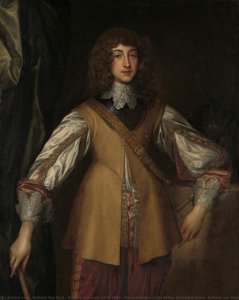
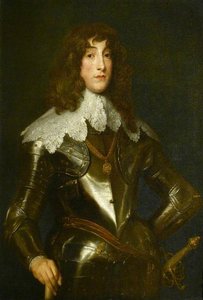
Биография художника
Jan Andrea Lievens: A Shadowed Master of the Dutch Golden Age
Jan Andrea Lievens, born in Leiden in 1607 and tragically passing away in Berlin in 1674, remains a fascinating enigma within the pantheon of Dutch Masters. Often overshadowed by his more celebrated contemporary, Rembrandt van Rijn, Lievens’s artistic journey is one of remarkable talent, intense collaboration, and ultimately, relative obscurity—a story that now deserves renewed attention. His life embodies the complexities of the Dutch Golden Age, marked by both immense promise and a frustrating lack of recognition during his own lifetime.Early Years and Artistic Foundations
Lievens’s early life was steeped in the traditions of Leiden, a city renowned for its artistic heritage. He was the son of Lieven Hendriksze, a skilled embroiderer – a craft that instilled within him an appreciation for meticulous detail and vibrant color. At the tender age of eight, he began his formal training under Joris van Schooten, a respected local artist who provided him with the foundational principles of drawing and painting. This early apprenticeship was followed by a crucial two-year period spent in Amsterdam, where he honed his skills under the tutelage of the renowned history painter, Pieter Lastman. Lastman’s influence is palpable in Lievens's later work – particularly in his dramatic compositions and masterful use of light and shadow, elements that would become hallmarks of his style. It was during this time that Lievens began to develop a distinctive approach, one characterized by a bold theatricality and an inclination towards capturing the psychological depth of his subjects.A Collaborative Spark: The Rembrandt Connection
Lievens’s career truly ignited in the early 1620s when he moved back to Leiden and entered into a remarkable partnership with Rembrandt. For nearly a decade, from 1626 to 1631, they worked side-by-side, producing over two dozen paintings, drawings, and etchings—a period of intense creative exchange and, inevitably, some degree of artistic rivalry. This collaboration is particularly noteworthy because it occurred during a time when Rembrandt was still establishing himself as an independent artist. Lievens’s experience and technical skill provided a valuable counterbalance to Rembrandt's innovative spirit, resulting in a diverse body of work that reflects both artists’ individual styles. However, the exact attribution of these works remains a subject of ongoing scholarly debate—a testament to the close stylistic similarities between the two masters.The Influence of Caravaggisti and Rubens
Lievens’s artistic development was profoundly shaped by several key influences. Initially, he embraced the dramatic flair of the *Caravaggisti* – Italian painters who had brought a new intensity of light and shadow, known as *chiaroscuro*, to European art. This influence is evident in his early works, characterized by dynamic compositions and a heightened sense of theatricality. Furthermore, Lievens’s work demonstrates a clear debt to Peter Paul Rubens, the towering figure of Flemish Baroque painting. The opulent colors, dramatic gestures, and allegorical themes found in Rubens's paintings—particularly *Judith with the Head of Holofernes* – resonated deeply with Lievens, shaping his approach to large-scale religious and mythological scenes.A Journey Beyond Leiden: London, Antwerp, and Berlin
Following his collaboration with Rembrandt, Lievens embarked on a series of journeys that took him far beyond the familiar landscapes of Leiden. He spent time in London, where he was invited to the British court—a testament to his growing reputation. He then settled in Antwerp, a vibrant center of artistic activity during this period, and later found patronage in The Hague and Berlin. Each location contributed to his evolving style, exposing him to new influences and broadening his artistic horizons. Despite these travels, Lievens never achieved the same level of fame or recognition as Rembrandt—a tragic irony for an artist whose talent was so consistently praised by his contemporaries.Legacy and Rediscovery
Today, Jan Andrea Lievens is finally receiving the recognition he deserves. His works, characterized by their dramatic intensity, technical brilliance, and profound psychological insight, are increasingly being appreciated for their artistic merit. Museums across Europe—including the Mauritshuis in The Hague and the Kremer Collection—are showcasing his paintings, allowing a new generation of viewers to experience the beauty and power of his art. Lievens’s story serves as a poignant reminder that history can be shaped by circumstance, and that even the most talented artists can remain hidden from view for centuries—until their work is rediscovered and celebrated anew.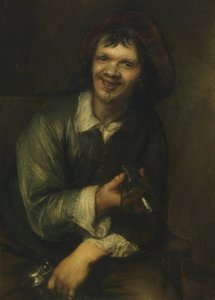
Ян Ливенс
1607 - 1674 , Нидерланды
Основные сведения
- Artistic Movement Or Style: Голландская золотая эпоха
- Artists Who Influenced This Artist:
- Питер Ластман
- Пьер Ребёрб
- Date Of Birth: Октябрь 24, 1607
- Date Of Death: Июнь 4, 1674
- Full Name: Jan Lievens
- Nationality: Нидерландцы
- Notable Artworks:
- Голова старого человека
- Портрет Константина Гугенсберга
- Молодой человек в капюшоне и тунике
- Place Of Birth: Лейден, Нидерланды