 Предпросмотр
 Поделиться
 Поделиться
 Детали произведения

 Скачать
 Похожие работы
 Рентгенография
 Слайд-шоу
 Статистика
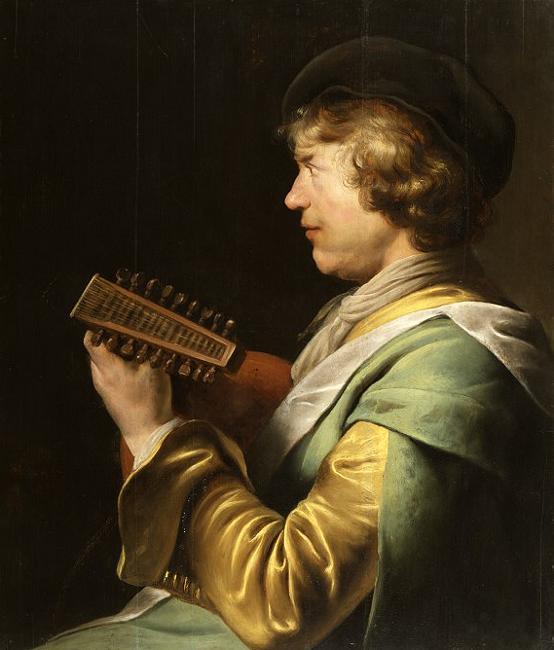
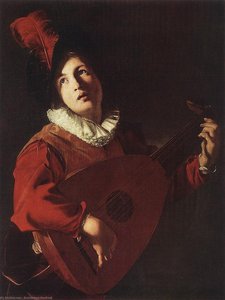
The Lute Player


 Читать далее
Жикле / Арт-принт
Печать (жикле) или холст музейного качества с быстрыми сроками изготовления и широким выбором вариантов отделки. ( Купить картину ручной работы Перейти к цифровым изображениям)




P118B $10

P118H $10

P118W $10

P438Z $10

P508JH $12

P508YH $12

P805H $10

P805Z $10

P919BZ $10

P919G $10

P919XJ $10

P959ZH $10

P968JZ $12

W106C $8

W218G $10

W218JH $8

W218Y $10

W307PJ $10

W316G $10

W316PJ $8

W316Y $10

W398PJ $8

W4111J $10

W500HY $15

W500JH $15

W692G $12

W849H $8

W940BG $15

W953PJ $8




Выберите один из наших стандартных размеров, соответствующих оригинальным пропорциям произведения искусства.

Вы можете указать свои собственные размеры, чтобы репродукция идеально подошла под конкретную раму или пространство. Если выбранный вами размер не будет соответствовать пропорциям оригинала, мы либо обрежем произведение, либо дополним изображение зеркальным отражением краев или однотонной заливкой. Перед началом производства вам будет отправлен цифровой макет для утверждения.
Пожалуйста, обратите внимание, что предварительный просмотр на экране не отображает фактическую обрезку или расширение изображения. Только макет точно покажет финальную композицию.
Несмотря на возможность заказа индивидуальных размеров, мы рекомендуем выбирать размер из предопределенного списка, чтобы сохранить оригинальные пропорции.
Доставка по всему миру () за 2 недели вместо стандартных 4/5 недель. (11 Сентябрь)

Бесплатная экспресс-доставка по всему миру

Высококачественный льняной холст

Полное страхование доставки

Гарантия возмещения таможенных пошлин

Гарантия точного соответствия цветов

100-дневная политика возврата (только при обнаружении дефектов)

Гарантия возврата 100% средств

Предложение оптовых скидок
 Вариант со стеклом доступен только для размеров менее 110 см

The Lute Player
Жикле / Арт-принт
Размер репродукции
-


Итоговая стоимость
$ 62
The Lute Player: A Portrait of Introspection in Baroque Splendor
Jan Andrea Lievens’s “The Lute Player,” painted circa 1629, is more than just a depiction of a musician; it's a carefully constructed tableau of human emotion and artistic ambition. This captivating work, now housed within the Walters Art Museum in Baltimore, offers a rare glimpse into the burgeoning world of Dutch Baroque painting, revealing the influence of both Caravaggio’s dramatic lighting and the prevailing trends of the Utrecht School. The subject, a young man lost in contemplation as he plays his lute, embodies a quiet dignity that belies the vibrant artistic currents swirling around him.
Lievens, a talented artist who apprenticed under Joris Verschoten and later collaborated closely with Rembrandt van Rijn, masterfully captures a moment of serene intensity. The figure is presented in a half-length pose, a compositional choice favored by Utrecht painters who sought to draw the viewer into the scene through intimate detail. His posture—slightly turned towards the left, his gaze directed upwards—suggests not merely playing an instrument but engaging with its music, lost in a world of melody and emotion. The subtle upward tilt of his head and the slight smile hint at a private joy, a moment of solace amidst perhaps a more demanding life.
A Caravaggisti Influence: Light, Shadow, and Dramatic Realism
The painting’s power resides significantly in Lievens' skillful manipulation of light and shadow—a technique deeply indebted to the innovations of Michelangelo Merisi da Caravaggio. Unlike the bright, airy landscapes often associated with Dutch art, this piece is dominated by a deep, enveloping darkness that serves to isolate the figure and intensify his expression. A single, focused light source illuminates his face, hands, and the lute itself, creating dramatic contrasts and highlighting the textures of his clothing and instrument. This chiaroscuro effect not only adds depth and volume but also imbues the scene with an almost theatrical quality, as if we are witnessing a private performance.
The meticulous rendering of details—the folds in the garment, the texture of the lute’s wood, the delicate sheen on his hair—further enhances the realism. Lievens demonstrates a remarkable ability to capture not just the appearance but also the essence of his subject, conveying a sense of immediacy and authenticity that is characteristic of Baroque painting. The choice of muted colors – primarily browns, reds, and yellows – contributes to the overall mood of quiet contemplation, while subtle highlights draw attention to key elements within the composition.
Symbolism and Context: Music, Patronage, and Artistic Circles
The lute itself is a potent symbol in this painting. Throughout Western art history, the lute has represented music, love, and even melancholy. Its presence here suggests a celebration of artistic expression and the pursuit of beauty. The inclusion of a madrigal—a vocal composition typically accompanied by instruments—further reinforces this theme. Scholars believe that Lievens’s model was likely Rembrandt van Rijn himself, reflecting the close professional relationship between the two artists during their early careers in Leiden.
The painting's creation occurred within a vibrant artistic milieu, fueled by the patronage of figures like Maurice of Nassau, Prince of Orange. This period witnessed an explosion of creativity and experimentation, as artists sought to push the boundaries of traditional styles. Lievens’s work exemplifies this spirit of innovation, blending elements of Caravaggisti realism with the more intimate and psychologically nuanced approach favored by Utrecht painters. The painting's provenance—having been part of the collection of Gustave de Rothschild—testifies to its enduring appeal and artistic merit.
A Timeless Portrait of Human Emotion
“The Lute Player” is a testament to Jan Andrea Lievens’s skill as a painter and his ability to capture the complexities of human emotion. It's a work that invites contemplation, prompting us to consider not only the beauty of the music being played but also the inner world of the musician himself. The painting’s enduring appeal lies in its quiet dignity, dramatic lighting, and masterful execution—a timeless portrait of introspection and artistic ambition within the rich tapestry of Dutch Baroque art.
Похожие произведения
Биография художника
Jan Andrea Lievens: A Shadowed Master of the Dutch Golden Age
Jan Andrea Lievens, born in Leiden in 1607 and tragically passing away in Berlin in 1674, remains a fascinating enigma within the pantheon of Dutch Masters. Often overshadowed by his more celebrated contemporary, Rembrandt van Rijn, Lievens’s artistic journey is one of remarkable talent, intense collaboration, and ultimately, relative obscurity—a story that now deserves renewed attention. His life embodies the complexities of the Dutch Golden Age, marked by both immense promise and a frustrating lack of recognition during his own lifetime.Early Years and Artistic Foundations
Lievens’s early life was steeped in the traditions of Leiden, a city renowned for its artistic heritage. He was the son of Lieven Hendriksze, a skilled embroiderer – a craft that instilled within him an appreciation for meticulous detail and vibrant color. At the tender age of eight, he began his formal training under Joris van Schooten, a respected local artist who provided him with the foundational principles of drawing and painting. This early apprenticeship was followed by a crucial two-year period spent in Amsterdam, where he honed his skills under the tutelage of the renowned history painter, Pieter Lastman. Lastman’s influence is palpable in Lievens's later work – particularly in his dramatic compositions and masterful use of light and shadow, elements that would become hallmarks of his style. It was during this time that Lievens began to develop a distinctive approach, one characterized by a bold theatricality and an inclination towards capturing the psychological depth of his subjects.A Collaborative Spark: The Rembrandt Connection
Lievens’s career truly ignited in the early 1620s when he moved back to Leiden and entered into a remarkable partnership with Rembrandt. For nearly a decade, from 1626 to 1631, they worked side-by-side, producing over two dozen paintings, drawings, and etchings—a period of intense creative exchange and, inevitably, some degree of artistic rivalry. This collaboration is particularly noteworthy because it occurred during a time when Rembrandt was still establishing himself as an independent artist. Lievens’s experience and technical skill provided a valuable counterbalance to Rembrandt's innovative spirit, resulting in a diverse body of work that reflects both artists’ individual styles. However, the exact attribution of these works remains a subject of ongoing scholarly debate—a testament to the close stylistic similarities between the two masters.The Influence of Caravaggisti and Rubens
Lievens’s artistic development was profoundly shaped by several key influences. Initially, he embraced the dramatic flair of the *Caravaggisti* – Italian painters who had brought a new intensity of light and shadow, known as *chiaroscuro*, to European art. This influence is evident in his early works, characterized by dynamic compositions and a heightened sense of theatricality. Furthermore, Lievens’s work demonstrates a clear debt to Peter Paul Rubens, the towering figure of Flemish Baroque painting. The opulent colors, dramatic gestures, and allegorical themes found in Rubens's paintings—particularly *Judith with the Head of Holofernes* – resonated deeply with Lievens, shaping his approach to large-scale religious and mythological scenes.A Journey Beyond Leiden: London, Antwerp, and Berlin
Following his collaboration with Rembrandt, Lievens embarked on a series of journeys that took him far beyond the familiar landscapes of Leiden. He spent time in London, where he was invited to the British court—a testament to his growing reputation. He then settled in Antwerp, a vibrant center of artistic activity during this period, and later found patronage in The Hague and Berlin. Each location contributed to his evolving style, exposing him to new influences and broadening his artistic horizons. Despite these travels, Lievens never achieved the same level of fame or recognition as Rembrandt—a tragic irony for an artist whose talent was so consistently praised by his contemporaries.Legacy and Rediscovery
Today, Jan Andrea Lievens is finally receiving the recognition he deserves. His works, characterized by their dramatic intensity, technical brilliance, and profound psychological insight, are increasingly being appreciated for their artistic merit. Museums across Europe—including the Mauritshuis in The Hague and the Kremer Collection—are showcasing his paintings, allowing a new generation of viewers to experience the beauty and power of his art. Lievens’s story serves as a poignant reminder that history can be shaped by circumstance, and that even the most talented artists can remain hidden from view for centuries—until their work is rediscovered and celebrated anew.
Ян Ливенс
1607 - 1674 , Нидерланды
Основные сведения
- Artistic Movement Or Style: Голландская золотая эпоха
- Artists Who Influenced This Artist:
- Питер Ластман
- Пьер Ребёрб
- Date Of Birth: Октябрь 24, 1607
- Date Of Death: Июнь 4, 1674
- Full Name: Jan Lievens
- Nationality: Нидерландцы
- Notable Artworks:
- Голова старого человека
- Портрет Константина Гугенсберга
- Молодой человек в капюшоне и тунике
- Place Of Birth: Лейден, Нидерланды
Похожие статьи
Harmonies on Canvas: Exploring the Visual Representation of Music in Art History
Explore the fascinating history of music's visual representation in art! From ancient symbolism to modern abstraction, discover how artists have captured sound and emotion on canvas. Expert insights & stunning examples.

Топ-10 шедевров голландского барокко: искусство для вашего интерьера от ArtsDot.com
Погрузитесь в мир голландского барокко! От Рембрандта до Вермеера – 10 шедевров, изменивших искусство. Узнайте истории создания и технику великих мастеров. Репродукции картин высочайшего качества для вашего интерьера на ArtsDot.com.
Jan Steen: A Master of Dutch Genre Painting & the Golden Age
Explore the life & art of Jan Steen, a leading Dutch Golden Age painter renowned for his humorous genre scenes & insightful social commentary. Discover his techniques, legacy, and collecting tips.
Jan Lievens & Rembrandt: A Comparative Study of Baroque Innovation
Explore the fascinating artistic dialogue between Jan Lievens and Rembrandt van Rijn. Discover Lievens’s unique Baroque style, continental influences, and evolving legacy – a must-read for discerning art collectors.

Golden Age Reflections: Dutch Baroque Painting & Cultural Innovation
Explore the Dutch Golden Age of painting! Discover key artists like Vermeer & ter Borch, their innovative techniques, and the rich cultural context behind these Baroque masterpieces. Learn about collecting & appreciating this iconic art period.