 Предпросмотр
 Поделиться
 Поделиться
 Детали произведения

 Скачать
 Похожие работы
 Рентгенография
 Слайд-шоу
 Статистика
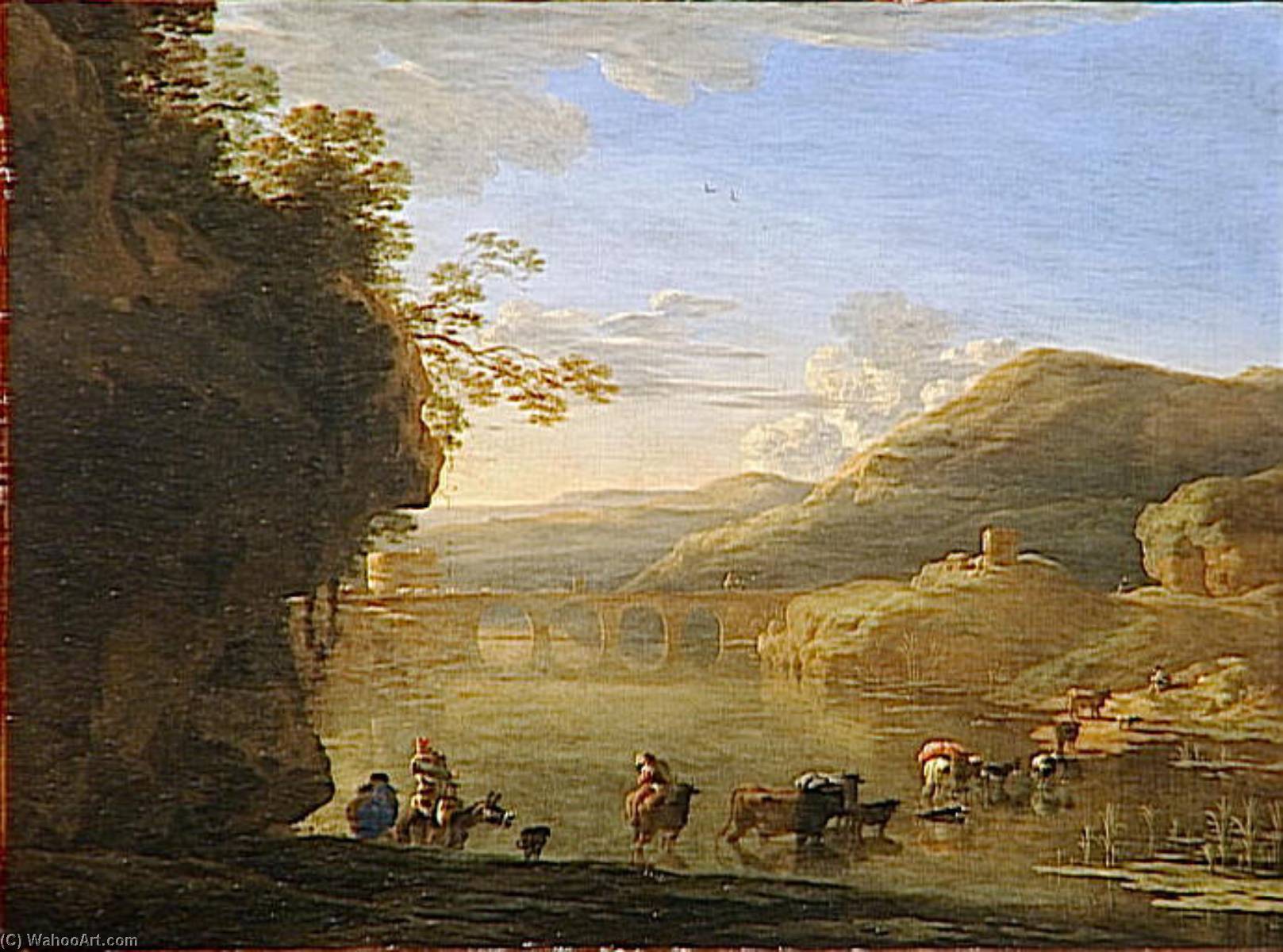
PAYSAGE AVEC UN TROUPEAU TRAVERSANT UNE RIVIERE


 Читать далее
Жикле / Арт-принт
Печать (жикле) или холст музейного качества с быстрыми сроками изготовления и широким выбором вариантов отделки. ( Купить картину ручной работы Перейти к цифровым изображениям)




P118B $10

P118H $10

P118W $10

P438Z $10

P508JH $12

P508YH $12

P805H $10

P805Z $10

P919BZ $10

P919G $10

P919XJ $10

P959ZH $10

P968JZ $12

W106C $8

W218G $10

W218JH $8

W218Y $10

W307PJ $10

W316G $10

W316PJ $8

W316Y $10

W398PJ $8

W4111J $10

W500HY $15

W500JH $15

W692G $12

W849H $8

W940BG $15

W953PJ $8




Выберите один из наших стандартных размеров, соответствующих оригинальным пропорциям произведения искусства.

Вы можете указать свои собственные размеры, чтобы репродукция идеально подошла под конкретную раму или пространство. Если выбранный вами размер не будет соответствовать пропорциям оригинала, мы либо обрежем произведение, либо дополним изображение зеркальным отражением краев или однотонной заливкой. Перед началом производства вам будет отправлен цифровой макет для утверждения.
Пожалуйста, обратите внимание, что предварительный просмотр на экране не отображает фактическую обрезку или расширение изображения. Только макет точно покажет финальную композицию.
Несмотря на возможность заказа индивидуальных размеров, мы рекомендуем выбирать размер из предопределенного списка, чтобы сохранить оригинальные пропорции.
Доставка по всему миру () за 2 недели вместо стандартных 4/5 недель. (13 Сентябрь)

Бесплатная экспресс-доставка по всему миру

Высококачественный льняной холст

Полное страхование доставки

Гарантия возмещения таможенных пошлин

Гарантия точного соответствия цветов

100-дневная политика возврата (только при обнаружении дефектов)

Гарантия возврата 100% средств

Предложение оптовых скидок
 Вариант со стеклом доступен только для размеров менее 110 см

PAYSAGE AVEC UN TROUPEAU TRAVERSANT UNE RIVIERE
Жикле / Арт-принт
Размер репродукции
-


Итоговая стоимость
$ 62
A Pastoral Dream in Dutch Light
To gaze upon this scene is to step directly into the tranquil heart of the Dutch Golden Age. The composition unfolds like a gentle breath across the canvas, dominated by the serene passage of livestock crossing a wide, meandering river. It is more than just a depiction of rural life; it is an embodiment of pastoral harmony. The eye is immediately drawn along the water's path, guided deeper into the pictorial space where distant elements soften into atmospheric haze. This masterful handling of landscape elevates the everyday—the simple act of crossing a waterway—into something profoundly beautiful and contemplative.
Mastery in Light and Atmosphere
The technical brilliance evident here speaks to the hand of a highly skilled master, reminiscent of Jan Asselijn’s evocative style. Notice how the light is not harsh, but rather diffused, suggesting either the soft veil of an overcast sky or the golden hush of late afternoon. This subtle illumination allows for breathtaking gradations of color across the muted palette of earth tones—the deep greens of foliage contrasting with the cool blues and grays of the water and distant sky. The artist employs both linear perspective, drawing us toward a vanishing point beyond the bridge, and atmospheric perspective, making those furthest elements appear paler and more ethereal. This careful layering suggests an almost scientific understanding of how light interacts with distance.
Compositional Depth and Natural Forms
The structure of the painting is wonderfully balanced yet dynamic. The rocky outcrop anchoring the left side provides a necessary visual weight against the open expanse of the river on the right. While the natural forms—the trees, the rolling banks—are rendered with organic grace, the inclusion of architectural elements like the bridge introduces just enough geometric contrast to keep the eye engaged. These carefully placed focal points, from the figures wading in the shallows to the animals gathered near the bank, give narrative life to the otherwise timeless landscape. It is a study in contrasts: the permanence of stone against the flow of water; the solidity of human endeavor against the wildness of nature.
Symbolism and Enduring Peace
For the collector or decorator, this piece offers more than mere decoration; it offers an emotional anchor. The subject matter—the peaceful movement of cattle and people through a nurturing landscape—is deeply symbolic of prosperity, continuity, and the enduring rhythm of rural existence. In an increasingly fast-paced world, owning a reproduction of such a work invites a moment of profound stillness into one's own space. It whispers tales of simple pleasures and harmonious living, making it a perfect centerpiece for a room that seeks to evoke calm and timeless elegance.
Похожие произведения


Биография художника
A Life Forged in Landscape: The World of Jan Asselijn
Jan Asselin, born around 1610 in Dieppe, France, embarked on an artistic journey marked by profound shifts in religious belief and a fervent embrace of burgeoning landscape painting techniques. His family, Huguenots fleeing persecution, relocated to Amsterdam in 1621—a vibrant epicenter of commerce and artistic innovation during the Dutch Golden Age—a move that irrevocably shaped his formative years. This relocation immediately immersed young Jean into an environment where capturing the grandeur and subtlety of nature was rapidly transforming from traditional depictions toward scenes brimming with atmospheric depth and emotional resonance. Initially apprenticed to Jan Martszen the Younger, Asselijn honed his skills in battle paintings before discovering his true passion: meticulously portraying the splendor and drama of both natural vistas and animal life—a pursuit that would define his artistic trajectory.The Italianate Embrace & The Bentvueghels
Like many ambitious Northern European painters of his era, Asselijn recognized the importance of refinement through exposure to Italy. Likely arriving sometime after 1635, he wholeheartedly adopted *Italianate* style—a genre distinguished by sun-drenched landscapes bathed in golden light, classical ruins standing proudly against azure skies, and pastoral scenes imbued with a palpable sense of romanticism. He joined the ranks of the *Bentvueghels*, a peculiar society comprised of Dutch and Flemish artists residing in Rome. These “Birds of a Feather” defied convention—embracing audacious nicknames, prioritizing direct observation of life over studio work, and upholding an uncompromising commitment to artistic authenticity. Within this spirited community, Asselijn earned the moniker "Krabbetje"—meaning "little crab"—due to a congenital deformity affecting his hand—yet he flourished creatively nonetheless. He absorbed the stylistic innovations championed by Pieter van Laer (Bamboccio), whose depictions of Roman peasant life and landscapes powerfully resonated with Asselijn’s own evolving artistic vision. This period constituted an indispensable catalyst in shaping his ability to convey atmosphere, light, and narrative within his canvases—a hallmark that would characterize his oeuvre for decades to come.Mastering Light & Symbolism: Key Works
Returning to Amsterdam after considerable travel experience, Asselijn brought with him a refined technique and a distinctive artistic voice. His paintings are characterized by exceptional clarity of execution and masterful manipulation of light—qualities that swiftly garnered admiration from his peers and cemented his reputation as one of the era’s foremost landscape artists. While he produced historical and battle scenes alongside his landscapes, it was his depictions of rural life and animal studies that truly distinguished him from contemporaries. The Threatened Swan, completed around 1640, stands as Asselijn's magnum opus—a monumental achievement that transcends mere visual representation. More than simply capturing the beauty of waterfowl in flight, this painting became a potent emblem of Dutch national resilience against external pressures during a turbulent period marked by military conflict and political instability. The swan’s defiant posture—facing down an encroaching predator with unwavering determination—served as an allegorical invocation of Johan de Witt—a prominent Dutch statesman—and encapsulated the anxieties prevalent throughout the nation at that time. Furthermore, intriguing additions to the canvas—inscription “Holland” on one of the eggs and “Enemy of the state” positioned beside a menacing dog—underscored the painting’s profound political significance and cemented its place as an enduring symbol of Dutch patriotism. Other notable masterpieces include Cavalry Charge at Sunset—a testament to his formative training in battle art—and evocative portrayals of rural life, such as Drovers with Cattle Under An Arch of The Colosseum—which seamlessly blend Italianate landscape aesthetics with meticulous animal studies—demonstrating Asselijn’s unparalleled capacity for capturing both visual splendor and nuanced narrative. Finally, The Breach of Saint Anthony's Dike Near Amsterdam exemplifies his ability to depict a pivotal moment in Dutch history—the calamitous failure of the dike defenses during a devastating flood—reflecting the constant vulnerability faced by the Dutch people and highlighting the ingenuity required for safeguarding their land.Influence & Legacy: A Lasting Impression
Jan Asselijn’s influence extended far beyond his own prolific artistic output. He was revered by fellow artists, notably Rembrandt van Rijn—who even created etchings depicting Asselijn at work—a gesture that subtly acknowledged the artist's physical disability and conveyed respect for his dedication to craft. Moreover, he served as a mentor to Frederik de Moucheron—another accomplished Dutch landscape painter who championed the Italianate style and disseminated its principles throughout Europe. Asselijn’s innovative approach to light and atmosphere profoundly impacted subsequent generations of painters—inspiring them to prioritize naturalism and imbue their canvases with emotional depth—leaving an indelible mark on the trajectory of European art history. His enduring legacy is secured through the preservation of his artworks in prestigious institutions such as the Rijksmuseum in Amsterdam, ensuring that his vision continues to captivate audiences worldwide.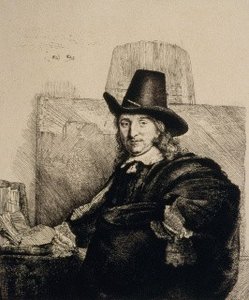
Ян Асселийн
1610 - 1652 , Франция
Основные сведения
- Artistic Movement Or Style: Итальянский стиль пейзажа
- Artists Or Movements Influenced By This Artist: ['Фредерик де Мухорон']
- Artists Who Influenced This Artist:
- Эсайас ван де Вельде
- Бамбокко
- Рембрандт
- Date Of Birth: 1610 г.
- Date Of Death: 1652 г.
- Full Name: Jan Asselin
- Nationality: Нидерланды
- Notable Artworks:
- Опасная лебедь
- В Италии
- Place Of Birth: Дипье, Франция
Похожие статьи
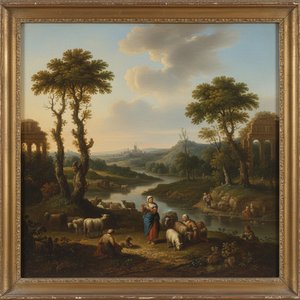
Nicolaes Berchem: Dutch Golden Age Pastoralism & the Evolution of Landscape Painting
Explore the captivating world of Nicolaes Berchem, a leading Dutch Golden Age painter. Discover his idyllic landscapes, masterful technique & lasting influence on art history. Learn more at ArtsDot.

Illuminating Innovation: Exploring the Dutch Golden Age of Painting
Explore the Dutch Golden Age of painting with ArtsDot. Discover Rembrandt, Vermeer & other Masters. Learn about key characteristics, iconic artworks, and lasting influence. Expert insights for collectors & enthusiasts.
Jan Steen: A Master of Dutch Genre Painting & the Golden Age
Explore the life & art of Jan Steen, a leading Dutch Golden Age painter renowned for his humorous genre scenes & insightful social commentary. Discover his techniques, legacy, and collecting tips.

Золотой век Голландии: 10 шедевров, изменивших искусство | ArtsDot.com
Погрузитесь в эпоху Золотого века Нидерландов! 10 шедевров Рембрандта, Вермеера и других мастеров. Узнайте истории создания культовых картин и вдохновитесь для интерьера. Репродукции музейного качества на ArtsDot.com.

Golden Age Reflections: Dutch Baroque Painting & Cultural Innovation
Explore the Dutch Golden Age of painting! Discover key artists like Vermeer & ter Borch, their innovative techniques, and the rich cultural context behind these Baroque masterpieces. Learn about collecting & appreciating this iconic art period.