

 Предпросмотр
 Поделиться
 Поделиться
 Детали произведения

 Скачать
 Похожие работы
 Рентгенография
 Слайд-шоу
 Статистика
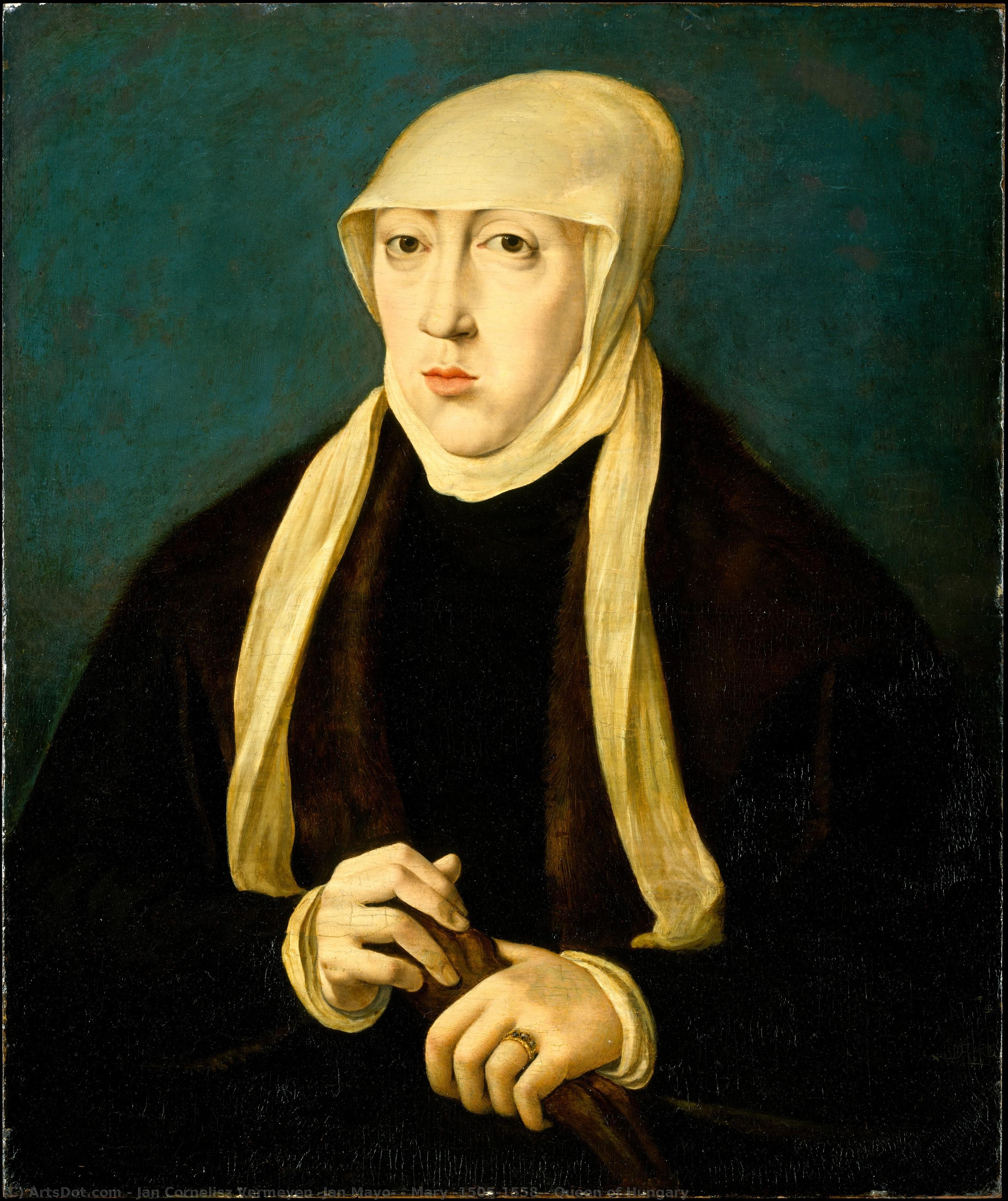
Mary (1505–1558), Queen of Hungary
 Oil
Oil- WallArt
- Northern Renaissance
 Renaissance
 55.0 x 46.0 cm
 Музей Метрополитен
 Читать далее
Приобретите цифровое изображение высокого разрешения в улучшенном качестве, которое значительно превосходит онлайн-превью.
Каждый файл тщательно подготавливается нашими специалистами с использованием передовых инструментов и экспертной ручной ретуши. Мы гарантируем исключительную четкость, точную цветопередачу и детальную проработку каждого изображения.
Финальный файл доставляется по электронной почте в течение 72 часов и оптимизирован для немедленного использования в профессиональной среде, при верстке и печати. Это тот же уровень качества, которому доверяют ведущие дизайнерские студии, издательства и галереи.
Цифровое изображение
Скачайте файл высокого разрешения для личного использования, печати и творческих проектов. ( Перейти к печати Купить картину ручной работы)
Включено в каждый заказ цифровых изображений
Гарантия экспертной цифровой доставки
Выбирая ArtsDot.com, вы получаете не просто изображение — вы приобретаете профессионально обработанное цифровое произведение искусства, созданное с безупречной точностью и под защитой гарантии качества. Вот всё, что автоматически входит в ваш заказ:

Мгновенная доставка по e-mail
Ваш цифровой файл в высоком разрешении будет отправлен вам по электронной почте в течение 72 часов после оформления заказа — и сразу станет доступен для использования.

Цифровой файл с ИИ-улучшением
Ваше произведение искусства проходит профессиональную оптимизацию с использованием передовых инструментов ИИ и ручной обработки, что гарантирует максимальную детализацию, четкость и точность цветопередачи.

Бессрочная бесплатная повторная доставка
Случайно удалили или потеряли файл? Не беспокойтесь — мы отправим его вам повторно в любое время и совершенно бесплатно.

Без импортных пошлин — навсегда
Наслаждайтесь вашим произведением искусства мгновенно без таможенных пошлин, сборов или затрат на доставку — цифровые загрузки всегда не облагаются налогом.

Гарантия точности цветопередачи
Мы гарантируем, что ваше цифровое изображение максимально точно передает оригинальные цвета благодаря использованию профессиональных инструментов и систем управления цветом.

Гарантия удовлетворенности 100 дней
Если вы не будете удовлетворены своим цифровым изображением, мы внесем правки или вернем 100% стоимости в течение 100 дней — без лишних вопросов.

100% Гарантия возврата средств
Не удовлетворены покупкой? Получите полный возврат средств в течение 100 дней после получения цифрового файла — без лишних вопросов.

Скидки на оптовые заказы
Купите 3 изображения, сэкономьте 10% — Купите 5, сэкономьте 15% — Купите 10+, сэкономьте 20%. Отличное решение для творческих проектов, галерей и агентств.
A Royal Presence in Pigment
In this captivating portrait of Mary (1505–1558), Queen of Hungary, the viewer is transported to the heart of the Northern Renaissance, where the boundaries between political power and spiritual grace often blurred. The painting presents a striking study of a woman who was not only a sovereign but a central figure in the complex tapestry of the Habsburg dynasty. Clad in a luminous yellow headpiece that catches the light with an almost ethereal glow, Mary is depicted with a quiet, commanding dignity. The artist utilizes a deep, tranquil blue background to push the subject forward, creating a sense of intimacy that invites the observer into her private world. This deliberate use of color contrast ensures that the Queen remains the undisputed focal point, her presence anchored by the weight of her historical significance.
The composition is masterfully balanced, featuring subtle secondary figures that breathe life and narrative depth into the scene. To the left and right, other individuals are caught in moments of quiet engagement, their presence suggesting a courtly environment filled with whispered conversations and the rhythmic pulse of palace life. These figures do not distract from the Queen; rather, they serve as atmospheric anchors, grounding her royal persona within a living, breathing social context. For the discerning collector or interior designer, this painting offers more than just a portrait; it provides a window into an era of profound transition, where every fold of fabric and every glance held deep symbolic meaning.
The Mastery of Jan Cornelisz Vermeyen
The hand behind this work belongs to the illustrious Jan Cornelisz Vermeyen, often celebrated by the evocative moniker Jan Mayo. A true visual chronicler of the sixteenth-century European empires, Vermeyen possessed a rare ability to synthesize the meticulous realism characteristic of the Dutch tradition with the burgeoning elegance of the Italian influence. His technique in this piece demonstrates a sophisticated command over light and texture; one can almost feel the weight of the fabric and the delicate smoothness of the Queen's skin. As a painter who navigated the highest echelons of power—serving figures such as Archduchess Margaret of Austria and Emperor Charles V—Vermeyen brought an unparalleled sense of authenticity to his royal subjects.
The emotional resonance of the work lies in its ability to balance the monumental with the human. While the subject is a Queen, the execution avoids the coldness often found in state portraiture. Instead, there is a warmth and a palpable humanity that makes the piece exceptionally versatile for modern decor. Whether placed in a grand library or a sophisticated contemporary living space, a high-quality reproduction of this masterpiece serves as a conversation piece that evokes a sense of timelessness and intellectual depth. It is an invitation to contemplate the intersection of history, art, and the enduring legacy of a woman who stood at the crossroads of European destiny.
Похожие произведения
Биография художника
The Visual Chronicler of an Empire
Jan Cornelisz Vermeyen, known to history by the evocative monikers Jan Mayo or Barbalonga, was far more than a mere painter; he was a luminous figure who captured the very essence of the Dutch Northern Renaissance. Born around 1503 in the quiet village of Beverwijk, his life unfolded not in provincial isolation, but through a grand odyssey across the most powerful courts of sixteenth-century Europe. As a visual chronicler of empire, Vermeyen’s brush served both as an instrument of profound spiritual expression and a potent tool for imperial propaganda, documenting the majesty of the Habsburg dynasty during an era of unprecedented expansion.His career was defined by a remarkable ability to navigate the highest echelons of power, moving through the corridors of influence alongside the most formidable rulers of his age. Whether capturing the solemnity of a religious feast or the martial splendor of a military campaign, his work synthesized the meticulous realism of the Low Countries with a burgeoning sense of classical grandeur.
A Synthesis of Northern Realism and Italian Elegance
The artistic soul of Vermeyen was forged in the crucible of the Romanism movement. His style represents a masterful dialogue between two worlds, blending the tactile, descriptive textures characteristic of Netherlandish art with the refined aesthetics of Italy. This unique aesthetic DNA was shaped by his exposure to influential masters such as Anton van Gossaert and Pieter Van Scorel. From these pioneers, he absorbed the ability to marry heavy, sculptural forms with a new, rhythmic elegance derived from Mediterranean ideals.This fusion allowed him to develop a technique that was both physically grounded and spiritually light. One can discern in his compositions the anatomical precision and light-filled atmospheres of the Italian masters, yet they are always anchored by a Northern devotion to detail. This duality is perhaps most evident in his mastery of:
- Spatial Illusionism: Creating depth and drama through sophisticated perspective.
- Luminous Palettes: Utilizing light to breathe life into fabric, flesh, and landscape.
- Psychological Nuance: Moving beyond mere likeness to capture the inner character of his subjects.
Legacy in Portraiture and Tapestry
Vermeyen’s professional ascent was inextricably linked to the heights of European power. He earned prestigious positions within the inner circles of the Habsburg Netherlands, serving as a dedicated portraitist for figures such as Archduchess Margaret of Austria and Mary of Hungary. His most iconic depictions, including his portraits of Emperor Charles V, capture more than mere physical likeness; they convey the profound psychological weight of imperial dignity. He even accompanied the Emperor on the military campaign to Tunis in 1535, bringing firsthand witness to the era's grand conquests.Beyond the canvas, his genius extended to the monumental scale of tapestry design. Collaborating extensively with Flemish weavers, he created intricate decorative panels that utilized dramatic storytelling to adorn the palaces and churches of Europe. Through these tapestries, Vermeyen transformed thread into narrative, ensuring that his vision of history and divinity would endure long after the era of the great empires had passed. His legacy remains etched in the very fabric of art history, a testament to an artist who could translate the grandeur of conquest into the eternal language of beauty.
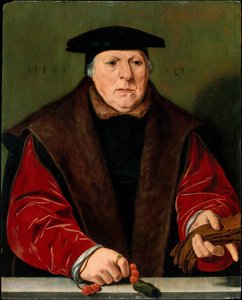
jan cornelisz vermeyen (jan mayo)
1500 - 1559 , Netherlands
Основные сведения
- Artistic Movement Or Style: Renaissance
- Artists Or Movements Influenced By This Artist: ['Baroque']
- Artists Who Influenced This Artist:
- Van Scorel
- Gossaert
- Date Of Birth: 1504
- Full Name: Jan Cornelisz Vermeyen
- Nationality: Dutch
- Notable Artworks:
- Portrait of a Man with a Rosary
- Mary (1505–1558), Queen of Hungary
- The Marriage at Cana
- Place Of Birth: Beaverwijk, Netherlands