

 Предпросмотр
 Поделиться
 Поделиться
 Детали произведения

 Скачать
 Похожие работы
 Рентгенография
 Слайд-шоу
 Статистика
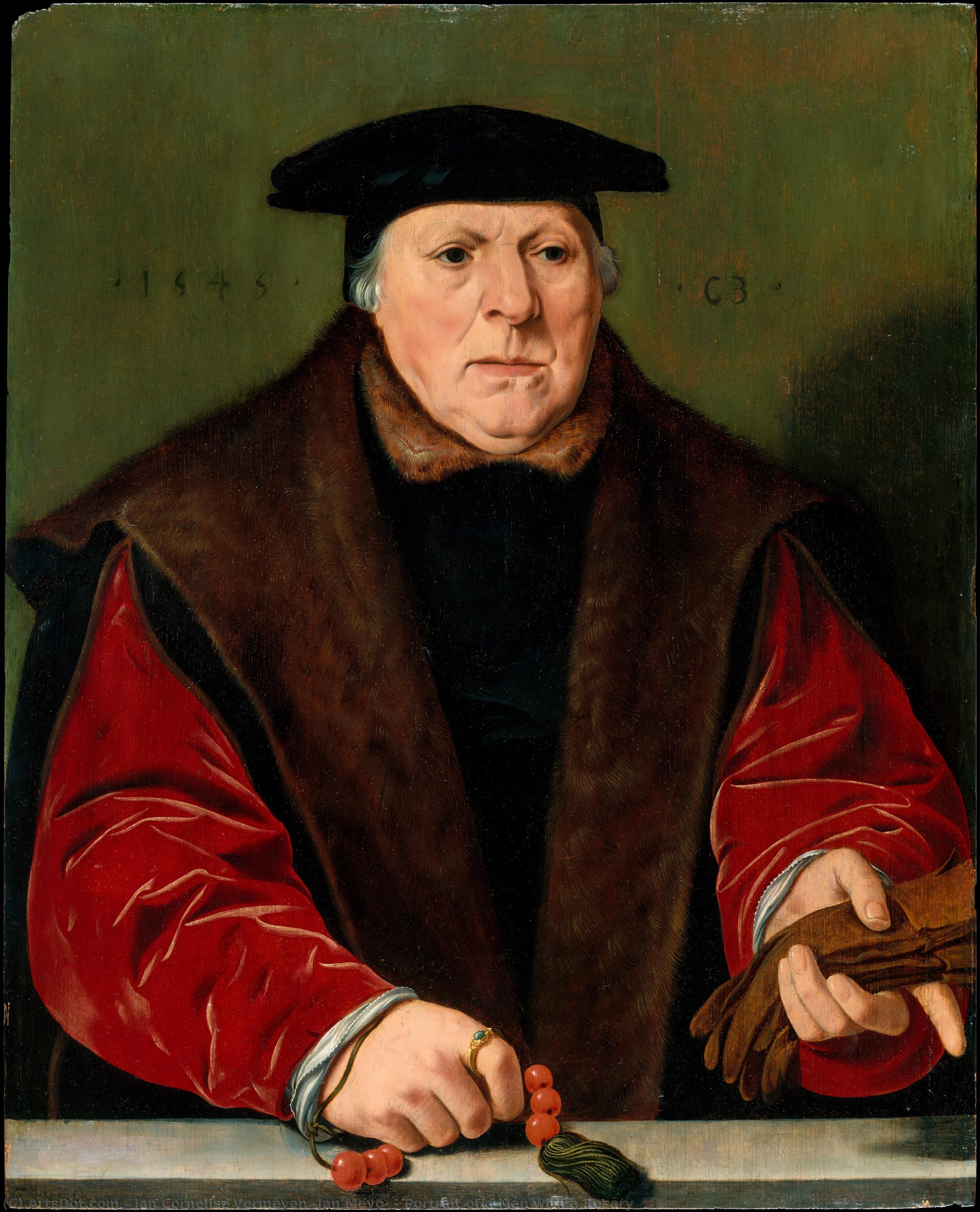
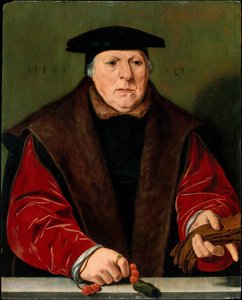
Portrait of a Man with a Rosary
 Oil
Oil- WallArt
- Northern Renaissance
 1545
1545- Renaissance
 51.0 x 41.0 cm
 Музей Метрополитен
 Читать далее
Масляная репродукция ручной работы
Картина маслом на холсте в выбранном вами размере и раме, написанная на заказ нашими художниками. ( Перейти к печати Перейти к цифровым изображениям)




P118B $10

P118H $10

P118W $10

P438Z $10

P508JH $12

P508YH $12

P805H $10

P805Z $10

P919BZ $10

P919G $10

P919XJ $10

P959ZH $10

P968JZ $12

W106C $8

W218G $10

W218JH $8

W218Y $10

W307PJ $10

W316G $10

W316PJ $8

W316Y $10

W398PJ $8

W4111J $10

W500HY $15

W500JH $15

W692G $12

W849H $8

W940BG $15

W953PJ $8




Выберите один из наших стандартных размеров, соответствующих оригинальным пропорциям произведения искусства.

Вы можете указать собственные размеры, чтобы картина идеально вписалась в выбранную раму или пространство. Если выбранный вами размер не соответствует пропорциям оригинала, мы либо обрежем полотно, либо расширим его за счет дополнительных элементов, написанных вручную. Цифровой макет будет отправлен вам на утверждение перед началом производства.
Обратите внимание, что предварительный просмотр на экране не отражает фактическую обрезку или расширение. Только макет точно покажет окончательную композицию.
Хотя доступны индивидуальные размеры, мы рекомендуем выбирать вариант из предопределенного списка, чтобы сохранить исходные пропорции.
После оформления заказа команда ArtsDot.com свяжется с клиентом по электронной почте для уточнения деталей и предоставит предварительный макет
Доставка по всему миру () за 3–4 недели вместо стандартных 5 недель. (13 Сентябрь). Без компромиссов в качестве.

Бесплатная экспресс-доставка по всему миру

Высококачественный льняной холст

Полное страхование доставки

Гарантия возмещения таможенных пошлин

Гарантия точного соответствия цветов

100-дневная политика возврата (только при обнаружении дефектов)

Гарантия возврата 100% средств

Предложение оптовых скидок
 Вариант со стеклом доступен только для размеров менее 110 см

Portrait of a Man with a Rosary
Техника репродукции
Размер репродукции
-


Итоговая стоимость
$ 263
A Glimpse into the Soul of the Northern Renaissance
In the quiet, commanding presence of Portrait of a Man with a Rosary, we encounter more than just a likeness; we enter a profound moment of spiritual contemplation captured in 1545. The subject, an older gentleman whose features suggest the gravity of a scholar or a man of deep religious devotion, gazes out from the canvas with a stern yet introsive expression. Draped in a rich, crimson robe accented by a luxurious fur collar, his physical stature is matched only by the weight of his piety. As he holds a rosary in one hand and a book in the other, the painting becomes a silent dialogue between the earthly and the divine, inviting the viewer to pause and reflect on the fleeting nature of time and the permanence of faith.
The artistry of Jan Cornelisz Vermeyen, also known by his evocative moniker Jan Mayo, shines through in the meticulous execution of texture and light. A master of the Dutch Northern Renaissance, Vermeyen possessed a singular ability to synthesize the tactile realism of the Low Countries with the burgeoning elegance of the Italian style. In this work, one can almost feel the heavy weight of the velvet, the softness of the fur, and the weathered parchment of the book. His technique employs a sophisticated interplay of light and shadow that lends a sculptural quality to the man's face, highlighting every furrow of wisdom and every flicker of intensity in his eyes.
Symbolism and the Majesty of the Habsburg Era
Beyond its immediate visual impact, the painting serves as a window into the complex social and religious fabric of the sixteenth century. The presence of the rosary is not merely a decorative element but a potent symbol of the era's intense devotion and the pervasive influence of Catholic ritual. This piece was created during a period when art served as both a spiritual conduit and a tool for documenting the grandeur of the Habsburg dynasty. Vermeyen, who moved through the most influential courts in Europe, brings a sense of imperial dignity to this portrait, elevating a private moment of prayer into a monumental statement of character.
For the discerning collector or interior designer, this artwork offers an unparalleled opportunity to introduce a sense of historical depth and intellectual sophistication to a space. The deep reds and somber tones provide a commanding focal point that anchors a room, while the narrative complexity of the subject ensures that the piece remains a conversation starter for generations. Whether placed in a private library, a formal study, or a curated gallery setting, a high-quality reproduction of this masterpiece brings with it the enduring spirit of the Renaissance—a blend of meticulous detail, emotional resonance, and timeless elegance.
Похожие произведения
Биография художника
The Visual Chronicler of an Empire
Jan Cornelisz Vermeyen, known to history by the evocative monikers Jan Mayo or Barbalonga, was far more than a mere painter; he was a luminous figure who captured the very essence of the Dutch Northern Renaissance. Born around 1503 in the quiet village of Beverwijk, his life unfolded not in provincial isolation, but through a grand odyssey across the most powerful courts of sixteenth-century Europe. As a visual chronicler of empire, Vermeyen’s brush served both as an instrument of profound spiritual expression and a potent tool for imperial propaganda, documenting the majesty of the Habsburg dynasty during an era of unprecedented expansion.His career was defined by a remarkable ability to navigate the highest echelons of power, moving through the corridors of influence alongside the most formidable rulers of his age. Whether capturing the solemnity of a religious feast or the martial splendor of a military campaign, his work synthesized the meticulous realism of the Low Countries with a burgeoning sense of classical grandeur.
A Synthesis of Northern Realism and Italian Elegance
The artistic soul of Vermeyen was forged in the crucible of the Romanism movement. His style represents a masterful dialogue between two worlds, blending the tactile, descriptive textures characteristic of Netherlandish art with the refined aesthetics of Italy. This unique aesthetic DNA was shaped by his exposure to influential masters such as Anton van Gossaert and Pieter Van Scorel. From these pioneers, he absorbed the ability to marry heavy, sculptural forms with a new, rhythmic elegance derived from Mediterranean ideals.This fusion allowed him to develop a technique that was both physically grounded and spiritually light. One can discern in his compositions the anatomical precision and light-filled atmospheres of the Italian masters, yet they are always anchored by a Northern devotion to detail. This duality is perhaps most evident in his mastery of:
- Spatial Illusionism: Creating depth and drama through sophisticated perspective.
- Luminous Palettes: Utilizing light to breathe life into fabric, flesh, and landscape.
- Psychological Nuance: Moving beyond mere likeness to capture the inner character of his subjects.
Legacy in Portraiture and Tapestry
Vermeyen’s professional ascent was inextricably linked to the heights of European power. He earned prestigious positions within the inner circles of the Habsburg Netherlands, serving as a dedicated portraitist for figures such as Archduchess Margaret of Austria and Mary of Hungary. His most iconic depictions, including his portraits of Emperor Charles V, capture more than mere physical likeness; they convey the profound psychological weight of imperial dignity. He even accompanied the Emperor on the military campaign to Tunis in 1535, bringing firsthand witness to the era's grand conquests.Beyond the canvas, his genius extended to the monumental scale of tapestry design. Collaborating extensively with Flemish weavers, he created intricate decorative panels that utilized dramatic storytelling to adorn the palaces and churches of Europe. Through these tapestries, Vermeyen transformed thread into narrative, ensuring that his vision of history and divinity would endure long after the era of the great empires had passed. His legacy remains etched in the very fabric of art history, a testament to an artist who could translate the grandeur of conquest into the eternal language of beauty.
jan cornelisz vermeyen (jan mayo)
1500 - 1559 , Netherlands
Основные сведения
- Artistic Movement Or Style: Renaissance
- Artists Or Movements Influenced By This Artist: ['Baroque']
- Artists Who Influenced This Artist:
- Van Scorel
- Gossaert
- Date Of Birth: 1504
- Full Name: Jan Cornelisz Vermeyen
- Nationality: Dutch
- Notable Artworks:
- Portrait of a Man with a Rosary
- Mary (1505–1558), Queen of Hungary
- The Marriage at Cana
- Place Of Birth: Beaverwijk, Netherlands
Похожие статьи
Топ-10 шедевров Северного Возрождения: искусство для вашего дома от ArtsDot.com
Погрузитесь в мир Северного Возрождения! Откройте 10 шедевров Ван Эйка, Дюрера и других великих художников. Узнайте историю создания культовых картин и вдохновитесь для декора вашего дома с ArtsDot.com. Explore the full collection online!
The Northern Renaissance: A Flourishing of Realism, Religious Reform & Artistic Innovation
Explore the Northern Renaissance! Discover Jan van Eyck's innovations, religious shifts, & key artists of this influential period. Expert analysis and insights into Early Netherlandish painting at ArtsDot.

Mastering Realism: The 25 Greatest Artworks by Hans Holbein the Younger
Step into the Northern Renaissance with our curated guide to the 25 greatest Hans Holbein the Younger masterpieces. Explore breathtaking realism, Tudor court history, and museum-quality art reproductions for your collection. Discover all masterpieces on ArtsDot.com.
Марк Ротко: 25 шедевров абстрактного экспрессионизма для вашего интерьера | ArtsDot
Погрузитесь в мир Марка Ротко! 25 шедевров абстрактного экспрессионизма, полных эмоций и цвета. Узнайте историю создания культовых картин и найдите идеальную репродукцию для вашего интерьера на ArtsDot.com.

Crimson Threads of Narrative: Exploring Symbolism & Representation in Artworks Featuring the Red Dress
Explore the rich symbolism of the red dress in art history! From ancient power displays to iconic portraits like Cézanne’s 'Madame Cezanne', discover the cultural and artistic significance behind this captivating color. Expert analysis & insights.