

 Предпросмотр
 Поделиться
 Поделиться
 Детали произведения

 Скачать
 Похожие работы
 Рентгенография
 Слайд-шоу
 Статистика
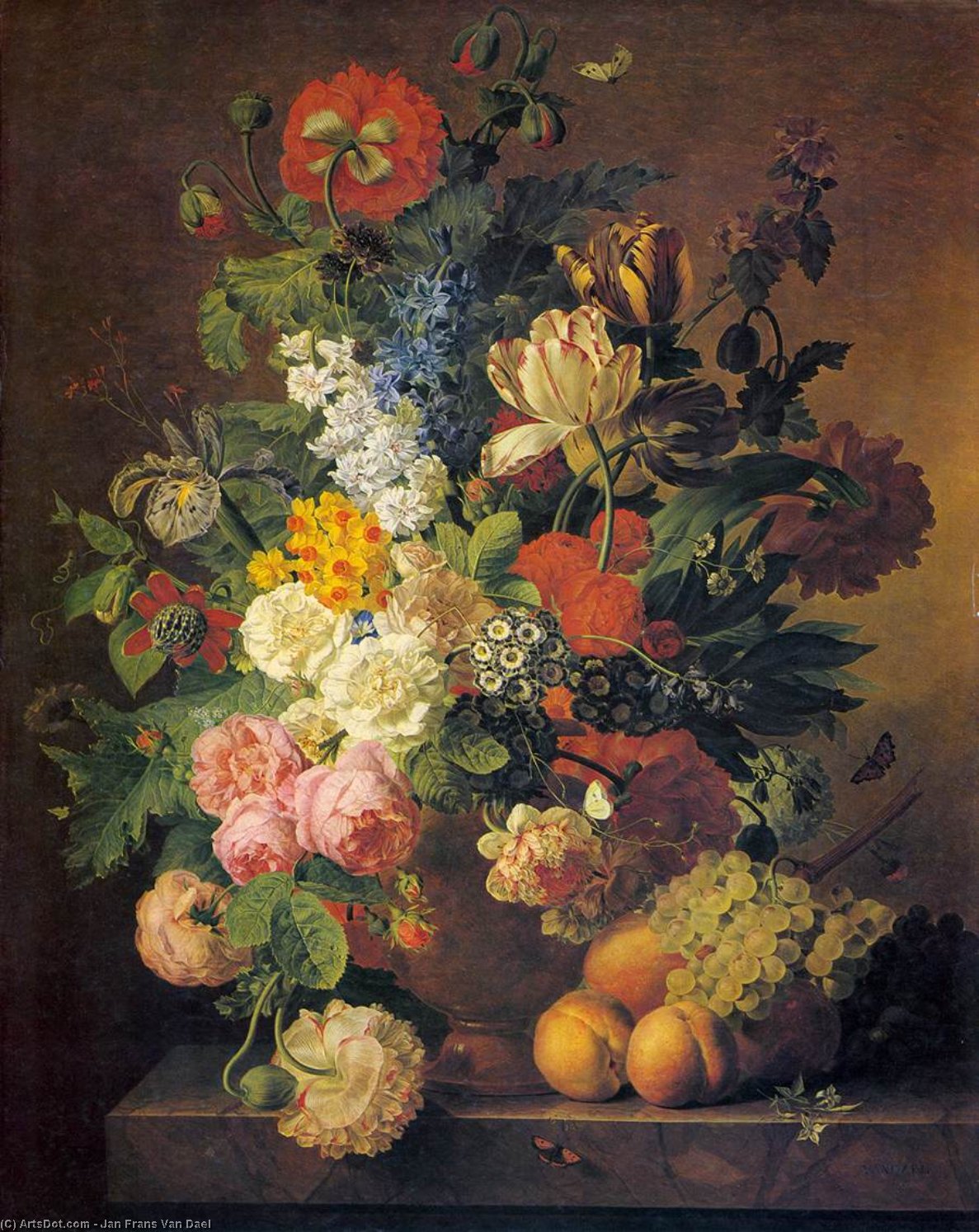
Flower Still-Life
 Oil On Canvas
- WallArt
- Dutch Golden Age
 1811
1811- 19th Century
 108.0 x 82.0 cm
 Национальная галерея Виктории
 Читать далее
Жикле / Арт-принт
Печать (жикле) или холст музейного качества с быстрыми сроками изготовления и широким выбором вариантов отделки. ( Купить картину ручной работы Перейти к цифровым изображениям)




P118B $10

P118H $10

P118W $10

P438Z $10

P508JH $12

P508YH $12

P805H $10

P805Z $10

P919BZ $10

P919G $10

P919XJ $10

P959ZH $10

P968JZ $12

W106C $8

W218G $10

W218JH $8

W218Y $10

W307PJ $10

W316G $10

W316PJ $8

W316Y $10

W398PJ $8

W4111J $10

W500HY $15

W500JH $15

W692G $12

W849H $8

W940BG $15

W953PJ $8




Выберите один из наших стандартных размеров, соответствующих оригинальным пропорциям произведения искусства.

Вы можете указать свои собственные размеры, чтобы репродукция идеально подошла под конкретную раму или пространство. Если выбранный вами размер не будет соответствовать пропорциям оригинала, мы либо обрежем произведение, либо дополним изображение зеркальным отражением краев или однотонной заливкой. Перед началом производства вам будет отправлен цифровой макет для утверждения.
Пожалуйста, обратите внимание, что предварительный просмотр на экране не отображает фактическую обрезку или расширение изображения. Только макет точно покажет финальную композицию.
Несмотря на возможность заказа индивидуальных размеров, мы рекомендуем выбирать размер из предопределенного списка, чтобы сохранить оригинальные пропорции.
Доставка по всему миру () за 2 недели вместо стандартных 4/5 недель. (11 Сентябрь)

Бесплатная экспресс-доставка по всему миру

Высококачественный льняной холст

Полное страхование доставки

Гарантия возмещения таможенных пошлин

Гарантия точного соответствия цветов

100-дневная политика возврата (только при обнаружении дефектов)

Гарантия возврата 100% средств

Предложение оптовых скидок
 Вариант со стеклом доступен только для размеров менее 110 см

Flower Still-Life
Жикле / Арт-принт
Размер репродукции
-


Итоговая стоимость
$ 62
The Opulence of Ephemeral Beauty
Gazing upon this magnificent still life, one is immediately enveloped by an atmosphere of lavish abundance. It is a breathtaking tableau vivant, where nature’s most extravagant offerings have been gathered and immortalized on canvas. The composition centers around a richly colored vase overflowing with blossoms—roses in their peak glory, tulips boasting vibrant hues, poppies nodding softly beside lilies reaching for the light. This is not merely a collection of flowers; it is an orchestrated celebration of life's fleeting perfection. The sheer density of the arrangement, spilling over onto a draped cloth and resting upon a sturdy wooden ledge, speaks to an almost overwhelming generosity of form and color.
Mastery in Technique and Light
The technical brilliance evident in this piece is nothing short of masterful. Executed with the precision characteristic of the period's finest floral painters, the oil on canvas medium allows for a breathtaking illusionism. Observe the meticulous detail: the velvety texture of a petal contrasting against the smooth sheen of a ripe peach or the clustered jewels of grapes. The artist has employed dramatic lighting, creating deep pockets of shadow that serve only to intensify the luminosity of the illuminated blooms. This interplay between light and dark—a hallmark of Dutch Golden Age influence—gives every element a palpable three-dimensionality, making the arrangement feel as if it might breathe right off the canvas.
A Whisper of Vanitas: Symbolism in Bloom
To appreciate this work fully is to understand its deeper resonance. These opulent floral displays have historically served as profound meditations on existence itself. The inclusion of such varied, perfect blooms alongside ripe fruit subtly introduces the theme of vanitas—a gentle yet poignant reminder that beauty, like life, is transient. Every perfect petal and every plump grape carries with it the knowledge of its eventual decay. Yet, this melancholy is balanced by the sheer joy of its current manifestation; a celebration of life captured at its zenith.
Historical Echoes and Artistic Lineage
This work channels the spirit of 18th and early 19th-century European still life painting, echoing the traditions established by masters who elevated humble subjects to grand statements. The style speaks to a period where wealth and natural beauty were often intertwined in artistic patronage. Jan Frans van Dael, whose hand graces this vision, was celebrated for capturing this very blend of Flemish tradition with Parisian refinement. Owning or displaying a reproduction of such a piece connects the modern admirer directly to these historical currents of artistry and sophisticated taste.
Bringing the Salon Home
For the collector or designer, this artwork offers more than mere decoration; it provides an emotional anchor for any space. Its warm, luxurious palette—dominated by deep reds, golds, and emerald greens—is inherently uplifting, capable of transforming a room into a sanctuary of cultivated beauty. Whether displayed in a formal drawing-room or used as a focal point in a richly decorated interior, this reproduction allows the enduring splendor of Van Dael’s vision to infuse your environment with timeless elegance.
Похожие произведения

Биография художника
A Life Dedicated to Floral Splendor: Jan Frans van Dael
Jan Frans van Dael, born in Antwerp in 1764 and passing away in Paris in 1840, was a Flemish painter who cultivated a remarkable career specializing in the delicate art of still life—particularly flowers and fruit. While his name may not be as instantly recognizable as some of the Old Masters, Van Dael’s work embodies a refined elegance and technical skill that secured him patronage among the highest echelons of French society during the Empire and Restoration periods. His journey reflects a fascinating intersection of Flemish tradition and Parisian sophistication.
Early Training and Parisian Embrace
Van Dael's artistic beginnings were rooted in architectural drawing at the Antwerp Academy, where he distinguished himself by winning first prizes in 1784 and 1785. However, his path took a decisive turn when he relocated to Paris in 1786. Initially residing within the artists’ quarters of the Louvre, he found himself amidst a vibrant community that included fellow painters like Piat Joseph Sauvage, Gerard van Spaendonck, and Pierre-Joseph Redouté—artists who would significantly influence his development. He initially worked as a decorator, contributing to projects at prestigious châteaux such as St. Cloud, Bellevue, and Chantilly. This early experience honed his meticulous attention to detail and appreciation for decorative arts, qualities that would later define his still lifes.
The Bloom of a Unique Style
Under the guidance of van Spaendonck, Van Dael transitioned from decoration to flower painting, discovering a true calling. He regularly exhibited at the Paris Salon between 1793 and 1833, steadily gaining recognition for his compositions. His success wasn’t merely aesthetic; it was also strategic. Van Dael skillfully blended the sober composition and precise detail characteristic of Flemish flower painting—think Roelandt Savery—with a distinctly French-inspired monumentality. This fusion appealed to the tastes of an increasingly discerning clientele, including Empress Josephine, who owned five of his works, and later, Marie-Louise Bonaparte, Louis XVIII, and Charles X.
Patronage and Artistic Legacy
Van Dael’s career flourished under imperial and royal patronage. He wasn't simply *painting* flowers; he was crafting opulent displays that reflected status and refined taste. His compositions often featured a diverse array of species, meticulously studied from life, demonstrating his botanical knowledge alongside artistic skill. He became a member of the Academies of Antwerp and Amsterdam, solidifying his position within the art world. Beyond his own creations, Van Dael was also an avid collector of works by other flower artists—both contemporaries and masters like Jan Davidsz. de Heem, Abraham Mignon, Rachel Ruysch, and Jan van Huysum—suggesting a deep engagement with the history of his chosen genre.
A Lasting Impression
Jan Frans van Dael’s influence extended beyond his own brushstrokes. He nurtured a generation of pupils, including Jean Benner-Fries, Elise Bruyère, Laurent Coste, Vicomtesse Iphigénie Decaux-Milet-Moreau, Henriëtte Geertruida Knip, Elisa-Emilie Le Mire, Auguste Piquet de Brienne, Christiaan van Pol, and Jean Ulrich Tournier. He spent his entire active career in France, dying in Paris in 1840 and finding final rest alongside his friend van Spaendonck in the Père Lachaise cemetery. Today, his works can be admired in museums like Museum Smidt Van Gelder in Antwerp, offering a glimpse into the serene beauty and technical mastery of an artist who dedicated his life to capturing the ephemeral splendor of flowers.
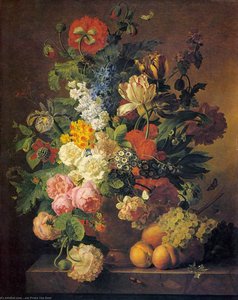
jan frans van dael
1764 - 1840 , Belgium
Основные сведения
- Artistic Movement Or Style: Dutch Landscape Painting
- Artists Or Movements Influenced By This Artist: ['Dutch Golden Age']
- Artists Who Influenced This Artist:
- Jan van Eyck
- Simon Fokke
- John Greenwood
- Gerard van Spaendonck
- Date Of Birth: May 27, 1764
- Full Name: Jan Frans van Dael
- Nationality: Dutch
- Notable Artworks:
- Vase de Fleurs
- Basket of Fruit
- Flower Still-Life
- Place Of Birth: Antwerp, Belgium
Похожие статьи

Рембрандт ван Рейн: Топ-25 шедевров великого голландского мастера | ArtsDot
Погрузитесь в мир великого Рембрандта! 25 шедевров голландского барокко, истории создания картин и уникальные техники художника. Купите репродукции картин Рембрандта высочайшего качества для вашего интерьера на ArtsDot.com
Jan Jansz Wijnants: A Study in Dutch Golden Age Still Life & Floral Transience
Explore the captivating world of Jan Wijnants and Dutch Golden Age still life painting. Discover symbolism, masterful techniques & lasting influence on floral art history. Learn more!
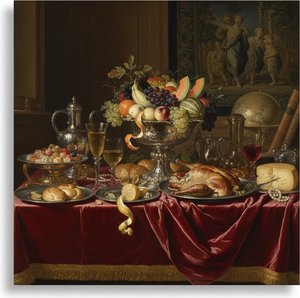
Abraham Hendricksz van Beyeren: Pioneering Dutch Still Life & the Banquet Tradition
Explore the captivating world of Dutch Golden Age still life with Abraham van Beyeren. Discover his innovative techniques, symbolic banquet scenes & lasting influence on art history. Learn about collecting these masterpieces.

Golden Age Reflections: Dutch Baroque Painting & Cultural Innovation
Explore the Dutch Golden Age of painting! Discover key artists like Vermeer & ter Borch, their innovative techniques, and the rich cultural context behind these Baroque masterpieces. Learn about collecting & appreciating this iconic art period.

Золотой век Голландии: 10 шедевров, изменивших искусство | ArtsDot.com
Погрузитесь в эпоху Золотого века Нидерландов! 10 шедевров Рембрандта, Вермеера и других мастеров. Узнайте истории создания культовых картин и вдохновитесь для интерьера. Репродукции музейного качества на ArtsDot.com.