

 Предпросмотр
 Поделиться
 Поделиться
 Детали произведения

 Скачать
 Похожие работы
 Рентгенография
 Слайд-шоу
 Статистика
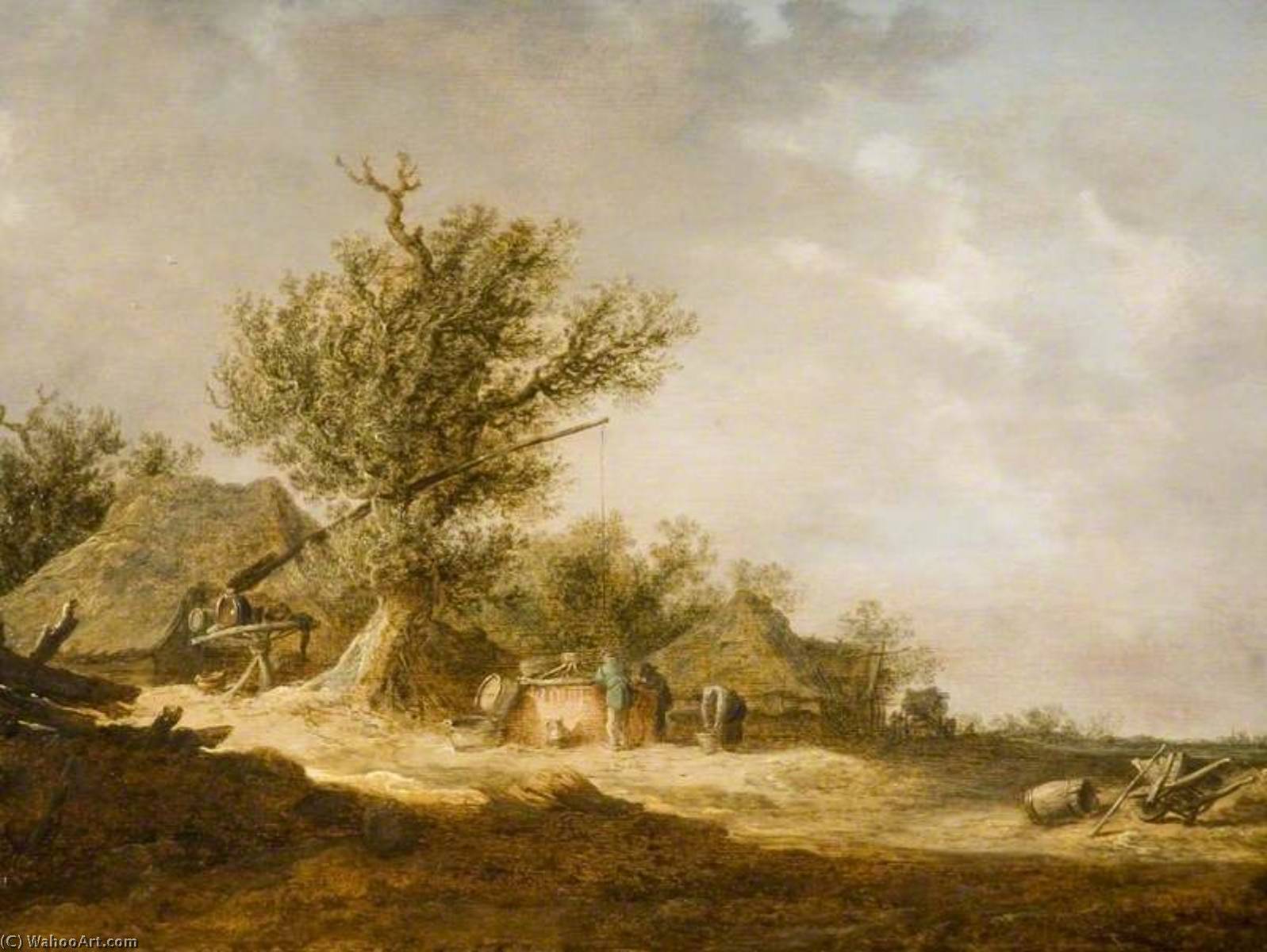
Landscape in the Dunes
 Oil
Oil- WallArt
- Dutch Golden Age
 1631
1631- Early Modern
 43.0 x 55.0 cm
 The Barber Institute of Fine Arts
 Читать далее
Приобретите цифровое изображение высокого разрешения в улучшенном качестве, которое значительно превосходит онлайн-превью.
Каждый файл тщательно подготавливается нашими специалистами с использованием передовых инструментов и экспертной ручной ретуши. Мы гарантируем исключительную четкость, точную цветопередачу и детальную проработку каждого изображения.
Финальный файл доставляется по электронной почте в течение 72 часов и оптимизирован для немедленного использования в профессиональной среде, при верстке и печати. Это тот же уровень качества, которому доверяют ведущие дизайнерские студии, издательства и галереи.
Цифровое изображение
Скачайте файл высокого разрешения для личного использования, печати и творческих проектов. ( Перейти к печати Купить картину ручной работы)
Включено в каждый заказ цифровых изображений
Гарантия экспертной цифровой доставки
Выбирая ArtsDot.com, вы получаете не просто изображение — вы приобретаете профессионально обработанное цифровое произведение искусства, созданное с безупречной точностью и под защитой гарантии качества. Вот всё, что автоматически входит в ваш заказ:

Мгновенная доставка по e-mail
Ваш цифровой файл в высоком разрешении будет отправлен вам по электронной почте в течение 72 часов после оформления заказа — и сразу станет доступен для использования.

Цифровой файл с ИИ-улучшением
Ваше произведение искусства проходит профессиональную оптимизацию с использованием передовых инструментов ИИ и ручной обработки, что гарантирует максимальную детализацию, четкость и точность цветопередачи.

Бессрочная бесплатная повторная доставка
Случайно удалили или потеряли файл? Не беспокойтесь — мы отправим его вам повторно в любое время и совершенно бесплатно.

Без импортных пошлин — навсегда
Наслаждайтесь вашим произведением искусства мгновенно без таможенных пошлин, сборов или затрат на доставку — цифровые загрузки всегда не облагаются налогом.

Гарантия точности цветопередачи
Мы гарантируем, что ваше цифровое изображение максимально точно передает оригинальные цвета благодаря использованию профессиональных инструментов и систем управления цветом.

Гарантия удовлетворенности 100 дней
Если вы не будете удовлетворены своим цифровым изображением, мы внесем правки или вернем 100% стоимости в течение 100 дней — без лишних вопросов.

100% Гарантия возврата средств
Не удовлетворены покупкой? Получите полный возврат средств в течение 100 дней после получения цифрового файла — без лишних вопросов.

Скидки на оптовые заказы
Купите 3 изображения, сэкономьте 10% — Купите 5, сэкономьте 15% — Купите 10+, сэкономьте 20%. Отличное решение для творческих проектов, галерей и агентств.
Jan van Goyen: Mastering Atmospheric Perspective in “Dune Landscape”
Jan Josephszoon van Goyen (1596–1656) stands as an undisputed titan of Dutch Golden Age landscape painting, renowned for his pioneering approach to capturing the essence of the Dutch countryside with remarkable subtlety and realism. His oeuvre comprises approximately twelve hundred paintings—a testament to his prolific output and enduring influence on subsequent generations of artists. Among his celebrated works is “Dune Landscape” (circa 1632), housed at the Herzog Anton Ulrich-Museum in Braunschweig, Germany, where it continues to captivate viewers with its serene beauty and masterful execution. This painting exemplifies van Goyen’s signature style—characterized by a restrained palette dominated by earthy hues of grey, brown, and muted green—and his unwavering dedication to portraying natural light and shadow with unparalleled precision.A Pioneer of Atmospheric Illusion
What distinguishes “Dune Landscape” from its contemporaries is Van Goyen's masterful manipulation of atmospheric perspective. Unlike painters who sought to depict landscapes in vibrant color and intricate detail, van Goyen deliberately minimized chromatic intensity, prioritizing tonal variations that conveyed the dampness and coolness of the dune environment. This technique—a cornerstone of Dutch landscape painting during the period—involved layering thin washes of pigment to create a hazy effect, simulating the diffusion of light through clouds and enhancing the sense of depth within the composition. The artist’s deliberate use of low viewpoint further amplified this illusion, directing the viewer's gaze towards distant dunes and emphasizing the vastness of the landscape.Composition and Symbolism: Capturing Tranquility
The painting’s diagonal orientation draws the eye into the expansive horizon line, creating a dynamic interplay between foreground and background elements. A solitary farmhouse nestled amongst the dunes serves as a focal point, subtly juxtaposed against the undulating sand formations—a motif that resonated deeply with Dutch viewers of the time. These dunes represented not merely geological features but also symbols of protection from the sea’s turbulent forces, embodying notions of stability and divine benevolence. Van Goyen's confident brushstrokes—visible throughout the canvas—contribute to the painting’s textural richness, conveying the roughness of bark and sand alike.Provenance and Artistic Legacy
“Dune Landscape” holds a significant place in art history, having been formerly attributed to Pieter de Neyn before being definitively identified as a work by Jan van Goyen. It is currently displayed at the Herzog Anton Ulrich-Museum alongside other masterpieces from the Golden Age—a testament to Braunschweig’s commitment to preserving and showcasing exceptional artistic treasures. The painting's enduring appeal stems from its ability to evoke feelings of peace and contemplation, mirroring the aesthetic ideals of the era and cementing van Goyen’s position as one of the most influential landscape painters of his time. Its meticulous depiction of light and shadow—a technique that continues to inspire artists today—underscores the artist’s genius and ensures “Dune Landscape” will remain a timeless symbol of Dutch artistic excellence.Further Exploration
For more information about Jan van Goyen and his artistic contributions, consult scholarly resources such as Hans-Ulrich Beck and Wolfgang Stechow's comprehensive biography ("Jan van Goyen, 1596–1656") or explore the extensive catalogue raisonné compiled by Cornelis Hofstede de Groot (“Beschreibendes und kritisches Verzeichnis der Werke der hervorragendsten Holländischen Maler des XVII Jahrhunderts”). Examining these publications provides invaluable insight into van Goyen’s artistic development and his lasting impact on the history of landscape painting.- Herzog Anton Ulrich-Museum: https://www.3landesmuseen.de/Herzog-Anton-Ulrich-Museum.304.0.html
- Web Gallery of Art: http://www.wga.hu/html/g/goyen/1/duneland.jpg
- Princeton University Art Museum:https://artmuseum.princeton.edu/art/collections/objects/31398
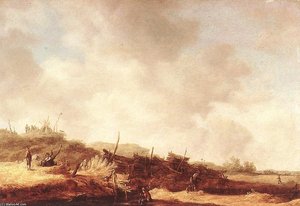
Похожие произведения


Биография художника
Jan van Goyen (1596 - 1656)
Jan Josephszoon van Goyen was a painter and etcher, one of the most gifted landscapists in the Netherlands during the early 17th century. He learned painting under several masters at Leiden and Haarlem. His prolific output left approximately twelve hundred paintings and more than one thousand drawings—a testament to his unwavering dedication to capturing the beauty of the Dutch countryside.Early Life and Training
Jan van Goyen was born on January 13, 1596, in Leiden, Netherlands – a city renowned for its artistic heritage. He began his artistic journey as an apprentice at a young age, honing his skills under the tutelage of Isaac van Swanenburgh (c. 1537–1614), establishing a foundation for his future endeavors. This formative period instilled in him a deep appreciation for observation and meticulous detail—qualities that would define his artistic style throughout his career. Following this initial training, he continued his studies at Haarlem with Esaias van de Velde, further refining his technique and broadening his understanding of landscape painting principles.Artistic Style and Development
Van Goyen’s distinctive approach to landscape art immediately captivated audiences. He eschewed the flamboyant colors and elaborate compositions favored by many contemporaries, opting instead for a restrained palette dominated by grays, browns, and greens—a deliberate choice that prioritized tonal harmony and atmospheric realism. This stylistic preference stemmed from his belief that true beauty resided not in ostentation but in capturing the subtle nuances of natural light and shadow. His early works bear the unmistakable imprint of Van de Velde’s influence, yet he swiftly cultivated a singular vision characterized by an unwavering focus on conveying the essence of Dutch landscapes—a legacy that continues to inspire artists today.Prolific Output and Notable Works
Jan van Goyen was an extraordinarily productive artist, producing an estimated 1,200 paintings and over 1,000 drawings during his lifetime – a remarkable feat considering the artistic climate of the era. Among his most celebrated masterpieces are *River Landscape with Windmill*, a quintessential example of his tonal landscapes that embodies the serene beauty of Dutch rural life; and *Fishermen by the Lakeshore*, showcasing his masterful depiction of tranquil waterscapes illuminated by soft sunlight. He frequently explored themes of rivers, lakes, dunes, and expansive skies, meticulously rendering them with remarkable accuracy and sensitivity—a testament to his unwavering commitment to artistic excellence. His paintings often depict scenes of everyday life alongside breathtaking vistas, reflecting the harmonious coexistence between humanity and nature that characterized 17th-century Holland.Influences and Legacy
Van Goyen’s artistic sensibilities were profoundly shaped by the teachings of Esaias van de Velde, whose emphasis on tonal painting served as a guiding principle for his own stylistic development. Furthermore, he directly impacted artists such as Jan Steen, who regarded him as a mentor and absorbed many of his techniques—a connection that underscores Van Goyen’s enduring influence on the artistic landscape of his time. His unwavering dedication to realism and atmospheric effects paved the way for subsequent generations of landscape painters, establishing him as one of the foremost figures in Dutch Golden Age art history.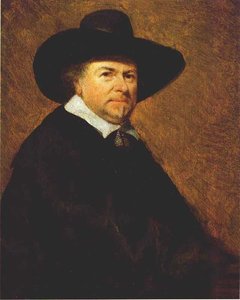
Ян ван Эйк
1596 - 1656 , Нидерланды
Основные сведения
- Artistic Movement Or Style: Dutch Golden Age painting
- Artists Or Movements Influenced By This Artist: Jan Steen
- Artists Who Influenced This Artist: Esaias van de Velde
- Date Of Birth: January 13, 1596
- Date Of Death: April 27, 1656
- Full Name: Jan Josephszoon van Goyen
- Nationality: Dutch
- Notable Artworks:
- River Landscape with Windmill
- Fishermen by the Lakeshore
- Place Of Birth: Leiden, Netherlands