 Предпросмотр
 Поделиться
 Поделиться
 Детали произведения

 Скачать
 Похожие работы
 Рентгенография
 Слайд-шоу
 Статистика
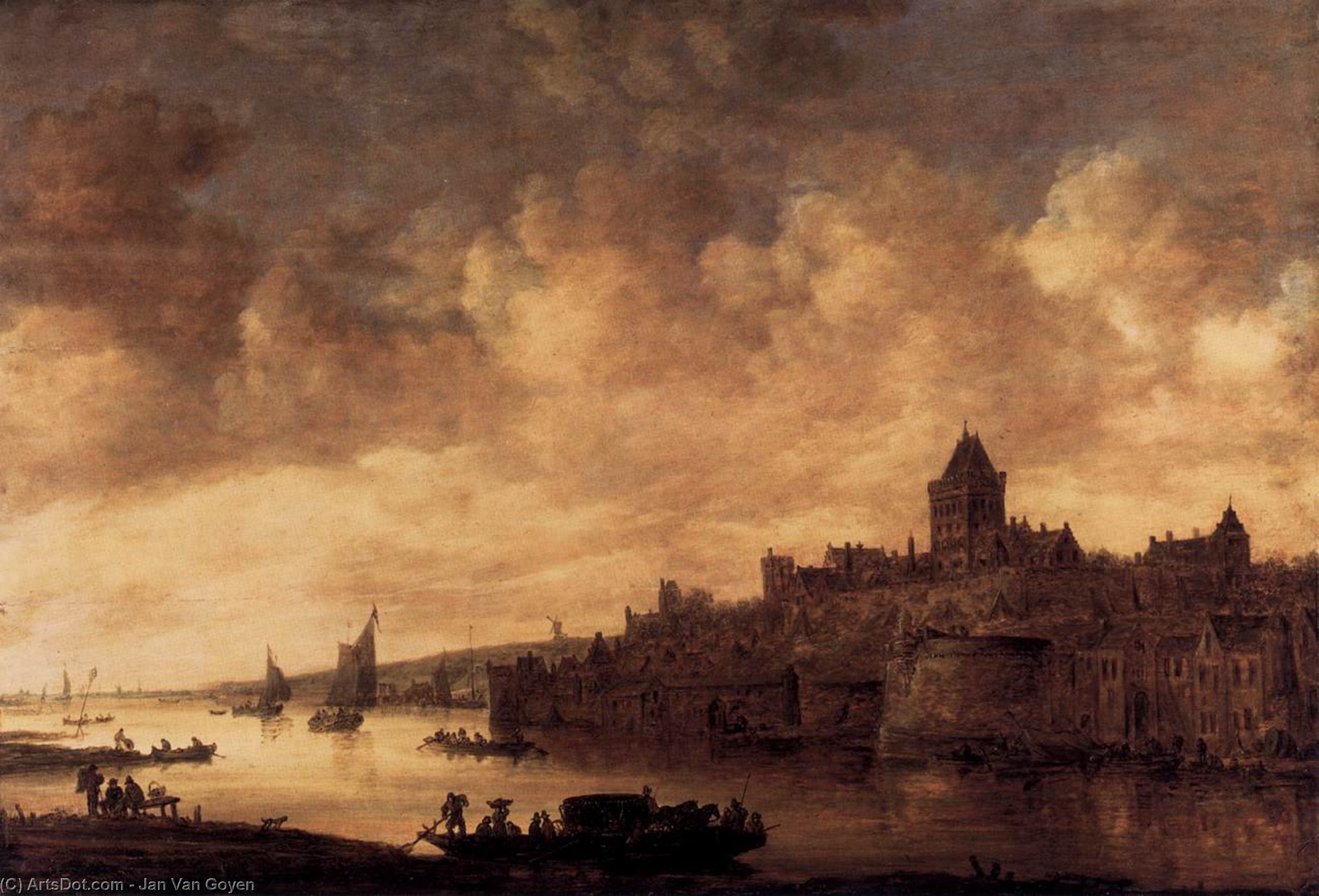
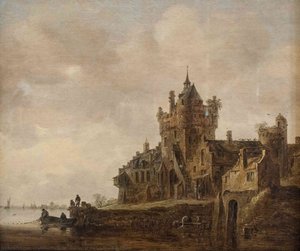
View of Nijmegen
 Oil On Canvas
- WallArt
- Dutch Golden Age Landscape
 1649
1649 68.0 x 98.0 cm
 Стейтлешские музеи Берлина
 Читать далее
Масляная репродукция ручной работы
Картина маслом на холсте в выбранном вами размере и раме, написанная на заказ нашими художниками. ( Перейти к печати Перейти к цифровым изображениям)




P118B $10

P118H $10

P118W $10

P438Z $10

P508JH $12

P508YH $12

P805H $10

P805Z $10

P919BZ $10

P919G $10

P919XJ $10

P959ZH $10

P968JZ $12

W106C $8

W218G $10

W218JH $8

W218Y $10

W307PJ $10

W316G $10

W316PJ $8

W316Y $10

W398PJ $8

W4111J $10

W500HY $15

W500JH $15

W692G $12

W849H $8

W940BG $15

W953PJ $8




Выберите один из наших стандартных размеров, соответствующих оригинальным пропорциям произведения искусства.

Вы можете указать собственные размеры, чтобы картина идеально вписалась в выбранную раму или пространство. Если выбранный вами размер не соответствует пропорциям оригинала, мы либо обрежем полотно, либо расширим его за счет дополнительных элементов, написанных вручную. Цифровой макет будет отправлен вам на утверждение перед началом производства.
Обратите внимание, что предварительный просмотр на экране не отражает фактическую обрезку или расширение. Только макет точно покажет окончательную композицию.
Хотя доступны индивидуальные размеры, мы рекомендуем выбирать вариант из предопределенного списка, чтобы сохранить исходные пропорции.
После оформления заказа команда ArtsDot.com свяжется с клиентом по электронной почте для уточнения деталей и предоставит предварительный макет
Доставка по всему миру () за 3–4 недели вместо стандартных 5 недель. (12 Сентябрь). Без компромиссов в качестве.

Бесплатная экспресс-доставка по всему миру

Высококачественный льняной холст

Полное страхование доставки

Гарантия возмещения таможенных пошлин

Гарантия точного соответствия цветов

100-дневная политика возврата (только при обнаружении дефектов)

Гарантия возврата 100% средств

Предложение оптовых скидок
 Вариант со стеклом доступен только для размеров менее 110 см

View of Nijmegen
Техника репродукции
Размер репродукции
-


Итоговая стоимость
$ 263
The Essence of the Dutch Riverlands
Jan Josephszoon van Goyen, a pivotal figure in the Golden Age of Dutch painting, gifted us with an extraordinary series of landscapes that capture not just the visual beauty of his homeland but also its very soul. His 1649 “View of Nijmegen” is a prime example – a meticulously rendered scene that transcends mere representation to become a profound meditation on light, atmosphere, and the quiet dignity of everyday life. The painting isn’t simply a depiction of a city; it's an invitation into a world steeped in the subtle nuances of Dutch weather and the enduring spirit of its people.
A Symphony of Gray and Light
Van Goyen’s signature style is immediately recognizable – a deliberate restraint that prioritizes mood and atmosphere over elaborate detail. He eschewed the vibrant colors favored by some of his contemporaries, instead employing a carefully calibrated palette dominated by grays, browns, and muted greens. This wasn't a lack of ambition; rather, it was a conscious decision to evoke the subtle shifts in light and shadow that define the Dutch landscape. The painting’s power lies not in dramatic contrasts but in the delicate gradations of tone, creating an illusion of depth and movement. Notice how the hazy sky seems to bleed into the distant hills, blurring the boundaries between earth and heaven.
The artist's technique is equally masterful. Van Goyen built up his paintings with incredibly thin layers of oil paint, often applying them in rapid succession. This layering creates a remarkable sense of luminosity – highlights shimmer and reflect light as if they were actually present in the scene. The use of glazing, where translucent layers are applied over dried underlayers, further enhances this effect, adding richness and complexity to the overall composition.
Nijmegen: A Crossroads of History
The subject itself – Nijmegen – holds a significant place in Dutch history. Located at a strategic crossroads for centuries, the city has been repeatedly conquered and rebuilt, bearing witness to countless conflicts and cultural exchanges. Van Goyen’s painting captures this sense of resilience and continuity. The bustling scene unfolds along the riverbanks, with boats navigating the waterway, merchants conducting business, and people going about their daily lives. The castle looming in the background is a potent symbol of Nijmegen's enduring strength and its role as a vital center of trade and administration.
Interestingly, Van Goyen frequently revisited this particular view of Nijmegen, producing several variations over the years. This suggests a deep affection for the city and an ongoing fascination with its unique character. The 1649 version is particularly notable for its atmospheric quality – it feels as though we are standing on the riverbank ourselves, enveloped in the cool, damp air of a Dutch autumn day.
Symbolism and Emotional Resonance
Beyond its technical brilliance, “View of Nijmegen” resonates with a profound sense of tranquility and contemplation. The painting’s muted colors and slow pace invite us to pause and reflect on the beauty of the natural world. There's an underlying feeling of harmony – between humanity and nature, between past and present. The boats gliding along the river represent not just transportation but also the flow of time, while the figures engaged in everyday activities remind us of our shared human experience.
Van Goyen’s work speaks to a deeper longing for simplicity and connection – values that continue to resonate with viewers today. It's a reminder that true beauty can be found not in grand gestures or dramatic displays, but in the quiet details of ordinary life.
Похожие произведения
Биография художника
Jan van Goyen (1596 - 1656)
Jan Josephszoon van Goyen was a painter and etcher, one of the most gifted landscapists in the Netherlands during the early 17th century. He learned painting under several masters at Leiden and Haarlem. His prolific output left approximately twelve hundred paintings and more than one thousand drawings—a testament to his unwavering dedication to capturing the beauty of the Dutch countryside.Early Life and Training
Jan van Goyen was born on January 13, 1596, in Leiden, Netherlands – a city renowned for its artistic heritage. He began his artistic journey as an apprentice at a young age, honing his skills under the tutelage of Isaac van Swanenburgh (c. 1537–1614), establishing a foundation for his future endeavors. This formative period instilled in him a deep appreciation for observation and meticulous detail—qualities that would define his artistic style throughout his career. Following this initial training, he continued his studies at Haarlem with Esaias van de Velde, further refining his technique and broadening his understanding of landscape painting principles.Artistic Style and Development
Van Goyen’s distinctive approach to landscape art immediately captivated audiences. He eschewed the flamboyant colors and elaborate compositions favored by many contemporaries, opting instead for a restrained palette dominated by grays, browns, and greens—a deliberate choice that prioritized tonal harmony and atmospheric realism. This stylistic preference stemmed from his belief that true beauty resided not in ostentation but in capturing the subtle nuances of natural light and shadow. His early works bear the unmistakable imprint of Van de Velde’s influence, yet he swiftly cultivated a singular vision characterized by an unwavering focus on conveying the essence of Dutch landscapes—a legacy that continues to inspire artists today.Prolific Output and Notable Works
Jan van Goyen was an extraordinarily productive artist, producing an estimated 1,200 paintings and over 1,000 drawings during his lifetime – a remarkable feat considering the artistic climate of the era. Among his most celebrated masterpieces are *River Landscape with Windmill*, a quintessential example of his tonal landscapes that embodies the serene beauty of Dutch rural life; and *Fishermen by the Lakeshore*, showcasing his masterful depiction of tranquil waterscapes illuminated by soft sunlight. He frequently explored themes of rivers, lakes, dunes, and expansive skies, meticulously rendering them with remarkable accuracy and sensitivity—a testament to his unwavering commitment to artistic excellence. His paintings often depict scenes of everyday life alongside breathtaking vistas, reflecting the harmonious coexistence between humanity and nature that characterized 17th-century Holland.Influences and Legacy
Van Goyen’s artistic sensibilities were profoundly shaped by the teachings of Esaias van de Velde, whose emphasis on tonal painting served as a guiding principle for his own stylistic development. Furthermore, he directly impacted artists such as Jan Steen, who regarded him as a mentor and absorbed many of his techniques—a connection that underscores Van Goyen’s enduring influence on the artistic landscape of his time. His unwavering dedication to realism and atmospheric effects paved the way for subsequent generations of landscape painters, establishing him as one of the foremost figures in Dutch Golden Age art history.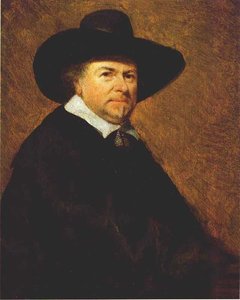
Ян ван Эйк
1596 - 1656 , Нидерланды
Основные сведения
- Artistic Movement Or Style: Dutch Golden Age painting
- Artists Or Movements Influenced By This Artist: Jan Steen
- Artists Who Influenced This Artist: Esaias van de Velde
- Date Of Birth: January 13, 1596
- Date Of Death: April 27, 1656
- Full Name: Jan Josephszoon van Goyen
- Nationality: Dutch
- Notable Artworks:
- River Landscape with Windmill
- Fishermen by the Lakeshore
- Place Of Birth: Leiden, Netherlands
Похожие статьи
Cornelis van Poelenburch: Bridging Mannerism & the Dutch Baroque Landscape
Discover Cornelis van Poelenburch, a pivotal Dutch Baroque landscape painter bridging Mannerism & Italianate styles. Explore his life, key works, and lasting influence on 17th-century art with ArtsDot.

Рембрандт ван Рейн: Топ-25 шедевров великого голландского мастера | ArtsDot
Погрузитесь в мир великого Рембрандта! 25 шедевров голландского барокко, истории создания картин и уникальные техники художника. Купите репродукции картин Рембрандта высочайшего качества для вашего интерьера на ArtsDot.com
Jacob van Ruisdael: Master of Dutch Landscape & the Evocation of National Identity
Explore the life & work of Jacob van Ruisdael, the preeminent Dutch landscape painter. Discover his technical brilliance, symbolic depth, and lasting influence on art history. Learn about collecting Ruisdael's masterpieces.
Jan van Goyen: Master of Dutch Landscape & Atmospheric Perspective
Discover Jan van Goyen, the master of Dutch landscape painting. Explore his subtle technique, atmospheric realism & lasting influence on art history. Learn about this 17th-century pioneer at ArtsDot.
Aelbert Cuyp: Illuminating the Dutch Golden Age with Light & Landscape
Explore the luminous landscapes of Aelbert Cuyp, a master of the Dutch Golden Age. Discover his unique light, serene riverside scenes & lasting influence on art history. Learn more at ArtsDot.