 Предпросмотр
 Поделиться
 Поделиться
 Детали произведения

 Скачать
 Похожие работы
 Рентгенография
 Слайд-шоу
 Статистика
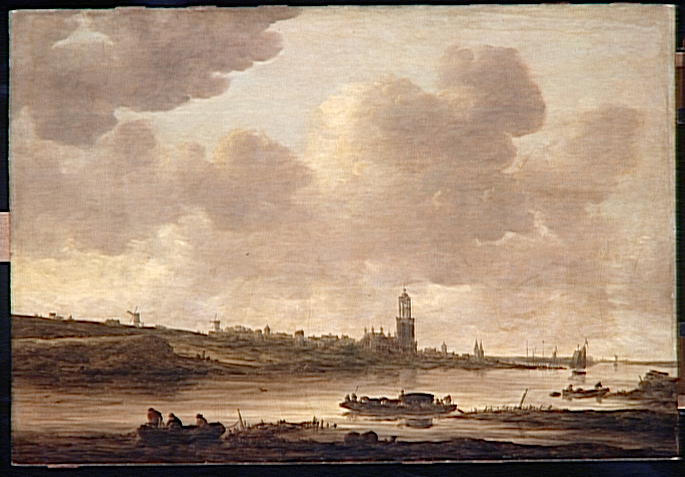
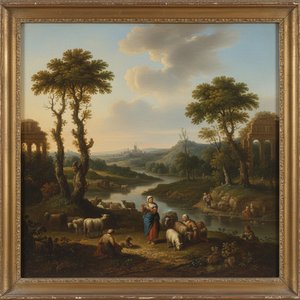
VUE DE RHENEN


 Читать далее
Жикле / Арт-принт
Печать (жикле) или холст музейного качества с быстрыми сроками изготовления и широким выбором вариантов отделки. ( Купить картину ручной работы Перейти к цифровым изображениям)




P118B $10

P118H $10

P118W $10

P438Z $10

P508JH $12

P508YH $12

P805H $10

P805Z $10

P919BZ $10

P919G $10

P919XJ $10

P959ZH $10

P968JZ $12

W106C $8

W218G $10

W218JH $8

W218Y $10

W307PJ $10

W316G $10

W316PJ $8

W316Y $10

W398PJ $8

W4111J $10

W500HY $15

W500JH $15

W692G $12

W849H $8

W940BG $15

W953PJ $8




Выберите один из наших стандартных размеров, соответствующих оригинальным пропорциям произведения искусства.

Вы можете указать свои собственные размеры, чтобы репродукция идеально подошла под конкретную раму или пространство. Если выбранный вами размер не будет соответствовать пропорциям оригинала, мы либо обрежем произведение, либо дополним изображение зеркальным отражением краев или однотонной заливкой. Перед началом производства вам будет отправлен цифровой макет для утверждения.
Пожалуйста, обратите внимание, что предварительный просмотр на экране не отображает фактическую обрезку или расширение изображения. Только макет точно покажет финальную композицию.
Несмотря на возможность заказа индивидуальных размеров, мы рекомендуем выбирать размер из предопределенного списка, чтобы сохранить оригинальные пропорции.
Доставка по всему миру () за 2 недели вместо стандартных 4/5 недель. (12 Сентябрь)

Бесплатная экспресс-доставка по всему миру

Высококачественный льняной холст

Полное страхование доставки

Гарантия возмещения таможенных пошлин

Гарантия точного соответствия цветов

100-дневная политика возврата (только при обнаружении дефектов)

Гарантия возврата 100% средств

Предложение оптовых скидок
 Вариант со стеклом доступен только для размеров менее 110 см

VUE DE RHENEN
Жикле / Арт-принт
Размер репродукции
-


Итоговая стоимость
$ 62
A Serene Vision of Dutch Heritage: Jan van Goyen’s “Vue de Rhenen”
Jan van Goyen (1596–1656) stands as an emblem of Dutch Golden Age landscape painting, a movement defined by its meticulous realism and profound engagement with atmospheric perspective. His masterpiece, "Vue de Rhenen," transcends mere depiction; it embodies the spirit of a bygone era—a contemplative gaze upon the tranquil beauty of rural Holland captured in exquisite detail. Painted in 1646, this monumental canvas offers viewers an unparalleled glimpse into the artistic sensibilities of its time and continues to resonate with audiences today.Composition and Technique: Mastering Atmospheric Depth
Van Goyen’s compositional strategy is remarkably simple yet profoundly effective. He establishes a horizontal dominance—the expansive river dominates the lower third of the canvas, gently sloping upwards towards the town of Rhenen nestled in the distant background. Scattered boats punctuate the water's surface, adding dynamism and scale to the scene while subtly guiding the eye’s journey. Above all, however, is the sky – a vast expanse of billowing clouds that occupies approximately half the composition. These clouds aren’t merely decorative; they are skillfully rendered to convey the prevailing weather conditions—a characteristic feature of Dutch landscape painting aimed at capturing fleeting moments of natural beauty. Van Goyen achieved this remarkable depth through masterful use of atmospheric perspective, a technique pioneered by artists like Albert Dürer and perfected during the Renaissance. He employed subtle tonal variations – darker hues dominating the foreground and lightening as they receded into the distance—to simulate the effects of haze and diminishing light. This meticulous attention to detail is evident in every brushstroke, creating an illusion of space that transports the viewer directly into the Dutch countryside. The artist’s rapid brushwork ensured that he could capture the ephemeral qualities of the day, prioritizing emotional impact over precise representation.Color Palette and Symbolism: Earthy Harmony Reflecting Tranquility
The color palette employed by Van Goyen is deliberately restrained—primarily grays, browns, beige, and muted blues—reflecting the subdued tones prevalent in Dutch landscapes during the Golden Age. These colors aren’t intended to dazzle; rather, they evoke a sense of calm and serenity, mirroring the peaceful atmosphere depicted in the painting. The artist skillfully blended pigments to achieve subtle gradations of tone, enhancing the illusion of depth and creating an overall harmonious visual experience. Beyond its aesthetic beauty, “Vue de Rhenen” carries symbolic weight. Landscapes like this were frequently used by artists to convey moral lessons—a reminder of humanity’s insignificance in the face of nature's grandeur and a celebration of God’s creation. The muted colors and soft lighting contribute to this contemplative mood, inviting viewers to contemplate themes of mortality and spiritual contemplation – hallmarks of Dutch humanist thought during the seventeenth century.Legacy and Influence: A Timeless Masterpiece
Jan van Goyen’s influence extends far beyond his own lifetime. His pioneering approach to landscape painting established a precedent for subsequent generations of artists—particularly those interested in capturing atmospheric effects and conveying emotional resonance. Artists like Johannes Vermeer and Rembrandt admired Van Goyen's mastery of light and color, incorporating elements of his style into their own compositions. “Vue de Rhenen” remains an enduring testament to the artistic achievements of the Dutch Golden Age, continuing to inspire admiration for its beauty and intellectual depth. Its serene depiction of Rhenen serves as a poignant reminder of Holland’s rich cultural heritage—a legacy that continues to captivate audiences worldwide.Похожие произведения
Биография художника
Jan van Goyen (1596 - 1656)
Jan Josephszoon van Goyen was a painter and etcher, one of the most gifted landscapists in the Netherlands during the early 17th century. He learned painting under several masters at Leiden and Haarlem. His prolific output left approximately twelve hundred paintings and more than one thousand drawings—a testament to his unwavering dedication to capturing the beauty of the Dutch countryside.Early Life and Training
Jan van Goyen was born on January 13, 1596, in Leiden, Netherlands – a city renowned for its artistic heritage. He began his artistic journey as an apprentice at a young age, honing his skills under the tutelage of Isaac van Swanenburgh (c. 1537–1614), establishing a foundation for his future endeavors. This formative period instilled in him a deep appreciation for observation and meticulous detail—qualities that would define his artistic style throughout his career. Following this initial training, he continued his studies at Haarlem with Esaias van de Velde, further refining his technique and broadening his understanding of landscape painting principles.Artistic Style and Development
Van Goyen’s distinctive approach to landscape art immediately captivated audiences. He eschewed the flamboyant colors and elaborate compositions favored by many contemporaries, opting instead for a restrained palette dominated by grays, browns, and greens—a deliberate choice that prioritized tonal harmony and atmospheric realism. This stylistic preference stemmed from his belief that true beauty resided not in ostentation but in capturing the subtle nuances of natural light and shadow. His early works bear the unmistakable imprint of Van de Velde’s influence, yet he swiftly cultivated a singular vision characterized by an unwavering focus on conveying the essence of Dutch landscapes—a legacy that continues to inspire artists today.Prolific Output and Notable Works
Jan van Goyen was an extraordinarily productive artist, producing an estimated 1,200 paintings and over 1,000 drawings during his lifetime – a remarkable feat considering the artistic climate of the era. Among his most celebrated masterpieces are *River Landscape with Windmill*, a quintessential example of his tonal landscapes that embodies the serene beauty of Dutch rural life; and *Fishermen by the Lakeshore*, showcasing his masterful depiction of tranquil waterscapes illuminated by soft sunlight. He frequently explored themes of rivers, lakes, dunes, and expansive skies, meticulously rendering them with remarkable accuracy and sensitivity—a testament to his unwavering commitment to artistic excellence. His paintings often depict scenes of everyday life alongside breathtaking vistas, reflecting the harmonious coexistence between humanity and nature that characterized 17th-century Holland.Influences and Legacy
Van Goyen’s artistic sensibilities were profoundly shaped by the teachings of Esaias van de Velde, whose emphasis on tonal painting served as a guiding principle for his own stylistic development. Furthermore, he directly impacted artists such as Jan Steen, who regarded him as a mentor and absorbed many of his techniques—a connection that underscores Van Goyen’s enduring influence on the artistic landscape of his time. His unwavering dedication to realism and atmospheric effects paved the way for subsequent generations of landscape painters, establishing him as one of the foremost figures in Dutch Golden Age art history.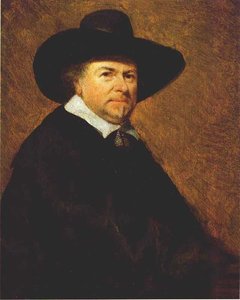
Ян ван Эйк
1596 - 1656 , Нидерланды
Основные сведения
- Artistic Movement Or Style: Dutch Golden Age painting
- Artists Or Movements Influenced By This Artist: Jan Steen
- Artists Who Influenced This Artist: Esaias van de Velde
- Date Of Birth: January 13, 1596
- Date Of Death: April 27, 1656
- Full Name: Jan Josephszoon van Goyen
- Nationality: Dutch
- Notable Artworks:
- River Landscape with Windmill
- Fishermen by the Lakeshore
- Place Of Birth: Leiden, Netherlands
Похожие статьи
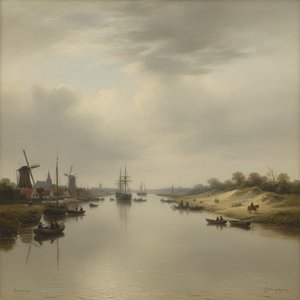
Jan van Goyen: Master of Dutch Landscape & Atmospheric Perspective
Discover Jan van Goyen, the master of Dutch landscape painting. Explore his subtle technique, atmospheric realism & lasting influence on art history. Learn about this 17th-century pioneer at ArtsDot.
Golden Light & Dutch Skies: Bringing the Magic of Dutch Golden Age Landscapes into Your Home
Transform your home with the breathtaking light of Dutch Golden Age landscapes. Discover how hand-painted oil reproductions of masterworks like Ruisdael and Vermeer bring timeless elegance, atmosphere, and soulful texture to modern interiors. Elevate your space with museum-quality art.

Рембрандт ван Рейн: Топ-25 шедевров великого голландского мастера | ArtsDot
Погрузитесь в мир великого Рембрандта! 25 шедевров голландского барокко, истории создания картин и уникальные техники художника. Купите репродукции картин Рембрандта высочайшего качества для вашего интерьера на ArtsDot.com
Nicolaes Berchem: Dutch Golden Age Pastoralism & the Evolution of Landscape Painting
Explore the captivating world of Nicolaes Berchem, a leading Dutch Golden Age painter. Discover his idyllic landscapes, masterful technique & lasting influence on art history. Learn more at ArtsDot.

Золотой век Голландии: 10 шедевров, изменивших искусство | ArtsDot.com
Погрузитесь в эпоху Золотого века Нидерландов! 10 шедевров Рембрандта, Вермеера и других мастеров. Узнайте истории создания культовых картин и вдохновитесь для интерьера. Репродукции музейного качества на ArtsDot.com.