

 Предпросмотр
 Поделиться
 Поделиться
 Детали произведения

 Скачать
 Похожие работы
 Рентгенография
 Слайд-шоу
 Статистика
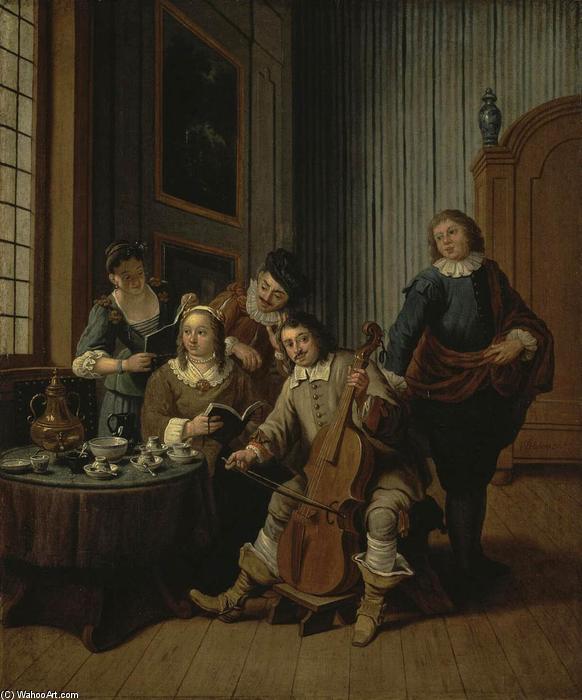
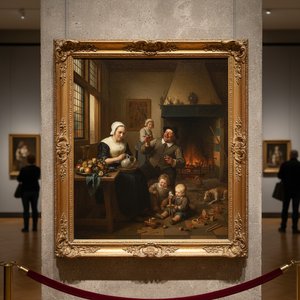
Lesson of Singing
 Oil On Canvas
- WallArt
- 18th-Century Genre Painting
 1750
1750 45.0 x 38.0 cm
 Эрмитаж
 Читать далее
Масляная репродукция ручной работы
Картина маслом на холсте в выбранном вами размере и раме, написанная на заказ нашими художниками. ( Перейти к печати Перейти к цифровым изображениям)




P118B $10

P118H $10

P118W $10

P438Z $10

P508JH $12

P508YH $12

P805H $10

P805Z $10

P919BZ $10

P919G $10

P919XJ $10

P959ZH $10

P968JZ $12

W106C $8

W218G $10

W218JH $8

W218Y $10

W307PJ $10

W316G $10

W316PJ $8

W316Y $10

W398PJ $8

W4111J $10

W500HY $15

W500JH $15

W692G $12

W849H $8

W940BG $15

W953PJ $8




Выберите один из наших стандартных размеров, соответствующих оригинальным пропорциям произведения искусства.

Вы можете указать собственные размеры, чтобы картина идеально вписалась в выбранную раму или пространство. Если выбранный вами размер не соответствует пропорциям оригинала, мы либо обрежем полотно, либо расширим его за счет дополнительных элементов, написанных вручную. Цифровой макет будет отправлен вам на утверждение перед началом производства.
Обратите внимание, что предварительный просмотр на экране не отражает фактическую обрезку или расширение. Только макет точно покажет окончательную композицию.
Хотя доступны индивидуальные размеры, мы рекомендуем выбирать вариант из предопределенного списка, чтобы сохранить исходные пропорции.
После оформления заказа команда ArtsDot.com свяжется с клиентом по электронной почте для уточнения деталей и предоставит предварительный макет
Доставка по всему миру () за 3–4 недели вместо стандартных 5 недель. (12 Сентябрь). Без компромиссов в качестве.

Бесплатная экспресс-доставка по всему миру

Высококачественный льняной холст

Полное страхование доставки

Гарантия возмещения таможенных пошлин

Гарантия точного соответствия цветов

100-дневная политика возврата (только при обнаружении дефектов)

Гарантия возврата 100% средств

Предложение оптовых скидок
 Вариант со стеклом доступен только для размеров менее 110 см

Lesson of Singing
Техника репродукции
Размер репродукции
-


Итоговая стоимость
$ 338
A Moment of Harmonious Learning: Jan Jozef II Horemans’ “Lesson of Singing”
Within the hallowed halls of the Hermitage Museum in St. Petersburg, nestled amongst masterpieces spanning centuries of artistic endeavor, resides a deceptively simple yet profoundly resonant painting: Jan Jozef II Horemans' "Lesson of Singing," completed around 1750. More than just a depiction of a domestic scene, this oil on canvas offers a glimpse into the burgeoning culture of enlightenment, capturing an intimate tableau of learning, social grace, and the quiet joy of shared intellectual pursuit. The painting isn’t merely a record of a moment; it's a carefully constructed invitation to contemplate the values and aesthetics of 18th-century European society.
Horemans, a Belgian painter deeply rooted in the traditions of Flemish genre art, expertly navigated the evolving artistic landscape of his time. Trained initially as a portraitist, he ultimately embraced a broader scope, finding inspiration in the vibrant scenes of everyday life – a shift mirroring a wider trend amongst artists seeking to move beyond purely formal commissions. His style is immediately recognizable: an exquisite attention to detail combined with a masterful use of warm, inviting colors that imbue the scene with a palpable sense of comfort and refinement. The artist’s ability to capture subtle nuances of expression and texture speaks volumes about his technical skill and keen observational abilities.
The Composition: A Study in Light, Gesture, and Social Dynamics
The painting unfolds within a richly furnished room, bathed in the soft glow of diffused light emanating from an unseen window. The arrangement is meticulously balanced – a table dominates the center, surrounded by four figures engaged in various activities. At its head sits a woman, poised with a book open before her, seemingly either reading or preparing to sing; her posture suggests both instruction and participation. Three other individuals occupy the space around her: one leans forward attentively, another gestures gently, while a third appears lost in thought. These aren’t merely characters within a scene; they are carefully positioned elements contributing to a complex interplay of social dynamics.
Horemans masterfully employs linear perspective to create depth and spatial awareness. The furniture – tables, chairs, wardrobes – is rendered with precise detail, while the figures themselves possess a naturalism that avoids overly theatrical poses. Notice the subtle gestures, the fleeting expressions on their faces; these small details breathe life into the composition, suggesting an ongoing conversation or shared experience. The use of warm browns and creams in the room’s decor creates a sense of intimacy and domesticity, while touches of gold and blue add visual interest and highlight key elements within the scene.
Symbolism and Context: Music, Education, and Bourgeois Values
"Lesson of Singing" is not simply a portrait of a musical lesson; it’s a carefully constructed symbol reflecting the values of the 18th century. The cello, prominently displayed in the foreground, represents music – an integral part of aristocratic culture and a symbol of refinement and intellectual pursuit. The open book suggests education and learning, highlighting the importance placed on knowledge and cultivation within bourgeois society. The scene itself embodies the ideals of Enlightenment thought: reason, social harmony, and the celebration of human potential.
Considering the painting’s creation in 1750, it offers a valuable window into the social customs and artistic sensibilities of the era. The clothing, the furnishings, and the overall atmosphere reflect the wealth and sophistication of the upper class – a world where education, music, and refined conversation were highly valued pursuits. The meticulous detail with which Horemans depicts these elements speaks to his understanding of his patrons’ tastes and aspirations.
A Timeless Appeal: Reproduction and Artistic Legacy
“Lesson of Singing” remains a captivating work of art, its appeal extending far beyond the confines of the Hermitage Museum. Reproductions, such as those offered by ArtsDot.com, allow viewers to experience the painting’s beauty and nuance in their own homes, bringing a touch of 18th-century elegance and intellectual warmth to any space. The painting's enduring legacy lies not only in its technical brilliance but also in its ability to evoke a sense of quiet contemplation and shared humanity – a testament to Horemans’ skill as an artist and his insightful portrayal of the human experience.
Похожие произведения




Похожие статьи

Golden Age Reflections: Dutch Baroque Painting & Cultural Innovation
Explore the Dutch Golden Age of painting! Discover key artists like Vermeer & ter Borch, their innovative techniques, and the rich cultural context behind these Baroque masterpieces. Learn about collecting & appreciating this iconic art period.
Illuminating Realism: Exploring the Dutch Golden Age of Painting (1600-1700)
Explore the Dutch Golden Age of painting (1600-1700) with ArtsDot. Discover Rembrandt, Vermeer & other masters. Learn about techniques, history & find museum-quality reproductions.

Золотой век Голландии: 10 шедевров, изменивших искусство | ArtsDot.com
Погрузитесь в эпоху Золотого века Нидерландов! 10 шедевров Рембрандта, Вермеера и других мастеров. Узнайте истории создания культовых картин и вдохновитесь для интерьера. Репродукции музейного качества на ArtsDot.com.

Illuminating Innovation: Exploring the Dutch Golden Age of Painting
Explore the Dutch Golden Age of painting with ArtsDot. Discover Rembrandt, Vermeer & other Masters. Learn about key characteristics, iconic artworks, and lasting influence. Expert insights for collectors & enthusiasts.
Genre Painting: A Window into Daily Life & Societal Values of the Dutch Golden Age
Explore the captivating world of Dutch Golden Age genre painting! Discover realistic depictions of daily life, masterful artists like Ostade & Metsu, and hidden symbolism. Learn about this influential art movement with ArtsDot.