

 Предпросмотр
 Поделиться
 Поделиться
 Детали произведения

 Скачать
 Похожие работы
 Рентгенография
 Слайд-шоу
 Статистика
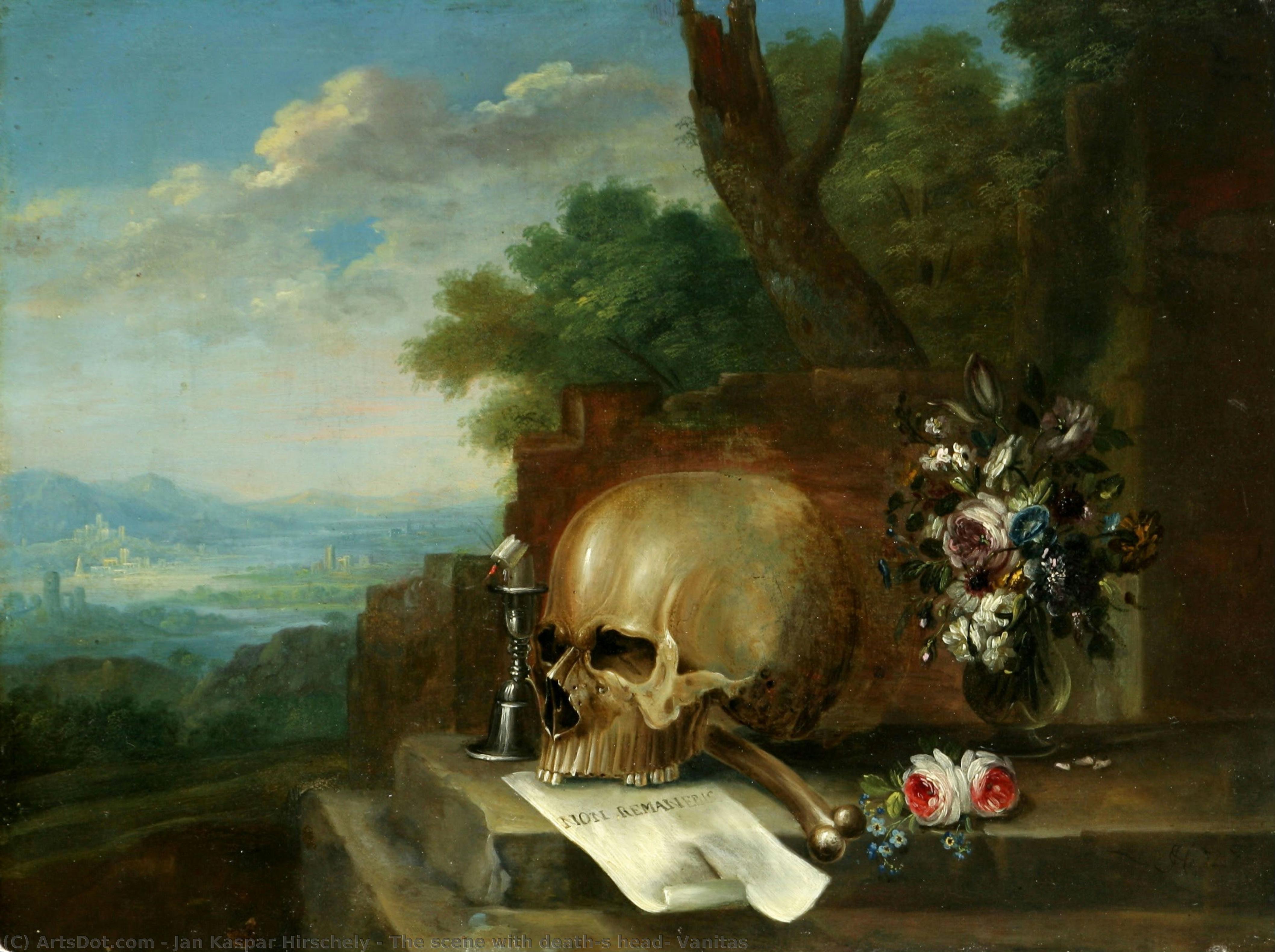
The scene with death´s head, Vanitas

 Читать далее
Приобретите цифровое изображение высокого разрешения в улучшенном качестве, которое значительно превосходит онлайн-превью.
Каждый файл тщательно подготавливается нашими специалистами с использованием передовых инструментов и экспертной ручной ретуши. Мы гарантируем исключительную четкость, точную цветопередачу и детальную проработку каждого изображения.
Финальный файл доставляется по электронной почте в течение 72 часов и оптимизирован для немедленного использования в профессиональной среде, при верстке и печати. Это тот же уровень качества, которому доверяют ведущие дизайнерские студии, издательства и галереи.
Цифровое изображение
Скачайте файл высокого разрешения для личного использования, печати и творческих проектов. ( Перейти к печати Купить картину ручной работы)
Включено в каждый заказ цифровых изображений
Гарантия экспертной цифровой доставки
Выбирая ArtsDot.com, вы получаете не просто изображение — вы приобретаете профессионально обработанное цифровое произведение искусства, созданное с безупречной точностью и под защитой гарантии качества. Вот всё, что автоматически входит в ваш заказ:

Мгновенная доставка по e-mail
Ваш цифровой файл в высоком разрешении будет отправлен вам по электронной почте в течение 72 часов после оформления заказа — и сразу станет доступен для использования.

Цифровой файл с ИИ-улучшением
Ваше произведение искусства проходит профессиональную оптимизацию с использованием передовых инструментов ИИ и ручной обработки, что гарантирует максимальную детализацию, четкость и точность цветопередачи.

Бессрочная бесплатная повторная доставка
Случайно удалили или потеряли файл? Не беспокойтесь — мы отправим его вам повторно в любое время и совершенно бесплатно.

Без импортных пошлин — навсегда
Наслаждайтесь вашим произведением искусства мгновенно без таможенных пошлин, сборов или затрат на доставку — цифровые загрузки всегда не облагаются налогом.

Гарантия точности цветопередачи
Мы гарантируем, что ваше цифровое изображение максимально точно передает оригинальные цвета благодаря использованию профессиональных инструментов и систем управления цветом.

Гарантия удовлетворенности 100 дней
Если вы не будете удовлетворены своим цифровым изображением, мы внесем правки или вернем 100% стоимости в течение 100 дней — без лишних вопросов.

100% Гарантия возврата средств
Не удовлетворены покупкой? Получите полный возврат средств в течение 100 дней после получения цифрового файла — без лишних вопросов.

Скидки на оптовые заказы
Купите 3 изображения, сэкономьте 10% — Купите 5, сэкономьте 15% — Купите 10+, сэкономьте 20%. Отличное решение для творческих проектов, галерей и агентств.
Похожие произведения










Биография художника
Joseph Highmore: A Master of English Conversation Pieces
Born in London on June 13, 1692, and passing away in Canterbury on March 3, 1780, Joseph Highmore stands as a pivotal figure in the history of English painting. Initially discouraged from pursuing his artistic passions by his family’s mercantile background, Highmore ultimately forged a remarkable career as a portraitist, conversation piece painter, and illustrator – a rare combination that cemented his place within the evolving landscape of 18th-century British art. His work offers a fascinating glimpse into the social customs and aesthetic sensibilities of his time, characterized by an elegant restraint and a subtle engagement with emerging Rococo influences.
Highmore’s early artistic training took place under the tutelage of Godfrey Kneller, a renowned painter and instructor who served as mentor to many prominent artists. This foundation provided him with a solid grounding in anatomy, perspective, and classical composition. Crucially, he also benefited from lectures on art history and technique by William Cheselden, a pioneering anatomist whose insights profoundly impacted the understanding of color and form within painting. This intellectual rigor, combined with his practical experience, allowed Highmore to develop a distinctive style – one that balanced meticulous observation with an innate sense of grace and charm.
The Rise of the Conversation Piece
Highmore’s career gained significant momentum during the 1720s, coinciding with the burgeoning popularity of the “conversation piece.” These paintings were designed to be displayed in drawing rooms and salons, intended to spark conversation and demonstrate the owner's wealth, taste, and social standing. Unlike formal portraits, conversation pieces often depicted scenes of domestic life – a family enjoying a leisurely afternoon, a hunting party, or a musical gathering – presented with an air of informality and intimacy. Highmore excelled at capturing this nuanced atmosphere, imbuing his subjects with a sense of relaxed conviviality.
His early works, influenced by Jonathan Richardson’s satirical approach, demonstrated a willingness to challenge conventional portraiture. However, as the Rococo style gained traction in England, Highmore adapted and refined his technique, embracing softer brushstrokes, delicate color palettes, and an emphasis on elegant composition. He skillfully navigated between traditional academic principles and the burgeoning influences of French art, creating paintings that were both sophisticated and accessible.
Illustrations and Literary Connections
Beyond his portraiture, Highmore’s legacy extends to his significant contributions as an illustrator. In 1743-44, he was commissioned by Samuel Richardson, the author of *Pamela*, to create a series of twelve illustrations for the novel. This project is particularly noteworthy, marking one of the earliest examples of narrative illustration in Britain and establishing a lasting connection between Highmore’s art and literary culture. The illustrations, characterized by their subtle storytelling and intimate portrayal of characters, demonstrate his ability to convey complex emotions and narratives through visual means.
His friendship with Richardson also fostered an interest in art criticism and historical research. In his later years, Highmore published a series of insightful articles on the works of Rubens and other masters, demonstrating a deep understanding of artistic principles and a commitment to preserving knowledge about the history of painting. He meticulously documented techniques and materials, offering valuable insights for aspiring artists.
Legacy and Historical Significance
Joseph Highmore’s impact on English art is considerable. He played a crucial role in establishing the conversation piece as a dominant genre within portraiture, shaping the visual language of the 18th century. His work exemplifies the elegance and sophistication that characterized British painting during this period, while also reflecting the evolving social customs and aesthetic preferences of the time. Highmore’s influence can be seen in the works of subsequent generations of artists, including Hogarth and Hayman, who built upon his foundations to develop their own distinctive styles.
Today, Highmore's paintings are treasured for their exquisite detail, nuanced compositions, and captivating portrayal of human interaction. His work offers a valuable window into the world of 18th-century England, revealing not only artistic skill but also social history and cultural values. His legacy continues to inspire artists and art historians alike, solidifying his position as one of the most important figures in British painting.
jan kaspar hirschely
1692 - 1753 , Czech Republic
Основные сведения
- Artistic Movement Or Style: Portraiture, Conversation pieces
- Artists Or Movements Influenced By This Artist:
- Hogarth
- Rococo painting
- Artists Who Influenced This Artist:
- Jonathan Richardson
- Godfrey Kneller
- Date Of Birth: June 13, 1692
- Date Of Death: March 3, 1780
- Full Name: Joseph Highmore
- Nationality: English
- Notable Artworks:
- Equestrian Portrait of King George II
- Various portraits and conversation pieces
- Place Of Birth: London, England