


 Предпросмотр
 Поделиться
 Поделиться
 Детали произведения

 Скачать
 Похожие работы
 Рентгенография
 Слайд-шоу
 Статистика
John the Baptist Beheaded, AD 23


 Читать далее
Приобретите цифровое изображение высокого разрешения в улучшенном качестве, которое значительно превосходит онлайн-превью.
Каждый файл тщательно подготавливается нашими специалистами с использованием передовых инструментов и экспертной ручной ретуши. Мы гарантируем исключительную четкость, точную цветопередачу и детальную проработку каждого изображения.
Финальный файл доставляется по электронной почте в течение 72 часов и оптимизирован для немедленного использования в профессиональной среде, при верстке и печати. Это тот же уровень качества, которому доверяют ведущие дизайнерские студии, издательства и галереи.
Цифровое изображение
Скачайте файл высокого разрешения для личного использования, печати и творческих проектов. ( Перейти к печати Купить картину ручной работы)
Включено в каждый заказ цифровых изображений
Гарантия экспертной цифровой доставки
Выбирая ArtsDot.com, вы получаете не просто изображение — вы приобретаете профессионально обработанное цифровое произведение искусства, созданное с безупречной точностью и под защитой гарантии качества. Вот всё, что автоматически входит в ваш заказ:

Мгновенная доставка по e-mail
Ваш цифровой файл в высоком разрешении будет отправлен вам по электронной почте в течение 72 часов после оформления заказа — и сразу станет доступен для использования.

Цифровой файл с ИИ-улучшением
Ваше произведение искусства проходит профессиональную оптимизацию с использованием передовых инструментов ИИ и ручной обработки, что гарантирует максимальную детализацию, четкость и точность цветопередачи.

Бессрочная бесплатная повторная доставка
Случайно удалили или потеряли файл? Не беспокойтесь — мы отправим его вам повторно в любое время и совершенно бесплатно.

Без импортных пошлин — навсегда
Наслаждайтесь вашим произведением искусства мгновенно без таможенных пошлин, сборов или затрат на доставку — цифровые загрузки всегда не облагаются налогом.

Гарантия точности цветопередачи
Мы гарантируем, что ваше цифровое изображение максимально точно передает оригинальные цвета благодаря использованию профессиональных инструментов и систем управления цветом.

Гарантия удовлетворенности 100 дней
Если вы не будете удовлетворены своим цифровым изображением, мы внесем правки или вернем 100% стоимости в течение 100 дней — без лишних вопросов.

100% Гарантия возврата средств
Не удовлетворены покупкой? Получите полный возврат средств в течение 100 дней после получения цифрового файла — без лишних вопросов.

Скидки на оптовые заказы
Купите 3 изображения, сэкономьте 10% — Купите 5, сэкономьте 15% — Купите 10+, сэкономьте 20%. Отличное решение для творческих проектов, галерей и агентств.
Похожие произведения



Биография художника
The Engraved World of Jan Luyken: A Life Dedicated to Moral Tales
Jan Luyken, born in Amsterdam in 1648 and passing away in the same city in 1712, was a Dutch engraver whose prolific output shaped the visual landscape of late 17th- and early 18th-century Holland. Though not widely celebrated today as some of his contemporaries, Luyken’s work offers a fascinating window into the religious and social values of the period, particularly those embraced by the Pietist movement. His life was marked by both artistic dedication and personal turmoil, experiences that profoundly influenced the themes he explored in his engravings. Initially trained as a painter, Luyken quickly discovered a talent for engraving, a medium perfectly suited to his meticulous nature and burgeoning interest in narrative storytelling. He wasn’t born into privilege; his early struggles with poverty and even imprisonment are documented, adding layers of complexity to understanding his later focus on repentance and divine grace.From Painterly Beginnings to Engraving's Embrace
Luyken’s artistic journey began under the tutelage of several established painters, including Jan van Veen, a respected historical painter. However, he found limited success in this field, partly due to his restless spirit and perhaps a lack of consistent patronage. The turning point came with his embrace of engraving. This wasn't merely a shift in technique; it was a fundamental change in how he conceived of art itself. Engraving allowed for greater precision, detail, and crucially, reproducibility – essential qualities for disseminating moral lessons to a wider audience. He honed his skills through diligent study of the works of other masters, including Rembrandt van Rijn, whose dramatic use of light and shadow would become a defining characteristic of Luyken’s style. He also collaborated with prominent poets and writers, most notably Jacobus Koelman, a fervent Pietist whose writings provided the textual basis for many of Luyken's most famous series. This collaboration was pivotal; it wasn’t simply illustration but a symbiotic relationship where image and text reinforced each other to convey powerful spiritual messages.The Handboek and the Pietist Vision
Luyken is best known for his monumental work, the Handboek (Handbook), published in installments between 1708 and 1711. This ambitious project comprised over 96 engravings accompanied by rhyming verses penned by Koelman. The Handboek isn’t a collection of grand historical scenes or portraits of the wealthy; instead, it depicts everyday life – scenes of labor, poverty, temptation, and redemption. The images are often stark and unflinching, portraying the harsh realities of existence alongside hopeful visions of salvation. Central to the Handboek’s message is the Pietist emphasis on personal piety, inner faith, and a rejection of formal religious institutions. Luyken's engravings vividly illustrate Koelman’s verses, which often warned against worldly pleasures and encouraged a life devoted to God. The series wasn’t intended for an elite audience but rather for ordinary people – merchants, artisans, laborers – offering them accessible visual parables about the importance of living a virtuous life. The success of the Handboek cemented Luyken's reputation as a master engraver and a powerful voice within the Pietist community.Style and Technique: A Master of Detail and Drama
Luyken’s engraving style is characterized by its remarkable detail, precision, and dramatic use of light and shadow – qualities undoubtedly influenced by his early exposure to Rembrandt's work. He employed a technique known as hatching, using closely spaced parallel lines to create tonal variations and depth. This meticulous approach allowed him to render textures with incredible realism, from the rough fabric of a peasant’s clothing to the weathered faces of working men and women. However, Luyken wasn't simply interested in technical virtuosity; he used his skills to enhance the emotional impact of his images. His compositions are often carefully constructed to draw the viewer’s eye to key elements – a moment of moral crisis, an act of repentance, or a glimpse of divine intervention. He was also adept at creating atmospheric effects, using light and shadow to evoke mood and symbolism. The overall effect is one of immediacy and emotional resonance, making his engravings particularly effective as vehicles for conveying moral lessons.Legacy and Historical Significance
While Luyken’s work fell somewhat into obscurity after his death, it has experienced a resurgence of interest in recent decades. Scholars now recognize him as a significant figure in Dutch art history, not only for his technical skill but also for the unique insights he provides into the religious and social landscape of his time. His engravings offer a rare glimpse into the lives and beliefs of ordinary people during the Golden Age. The Handboek, in particular, remains a valuable historical document, revealing the Pietist movement’s emphasis on personal piety, social justice, and a rejection of materialism. Luyken's influence can be seen in the work of later engravers who adopted his style and themes. More broadly, his engravings serve as a reminder of the power of art to shape moral values and inspire spiritual reflection. He wasn’t merely documenting reality; he was actively constructing it – offering a vision of a more virtuous world through the evocative power of image and text.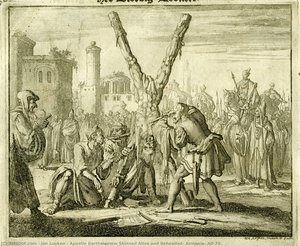
Основные сведения
- Artistic Movement Or Style: Engraving, Baroque
- Date Of Death: Living
- Full Name: Jan Luyken
- Nationality: Dutch
- Notable Artworks:
- The Beggars
- The Robbers
- The Murder