

 Предпросмотр
 Поделиться
 Поделиться
 Детали произведения

 Скачать
 Похожие работы
 Рентгенография
 Слайд-шоу
 Статистика
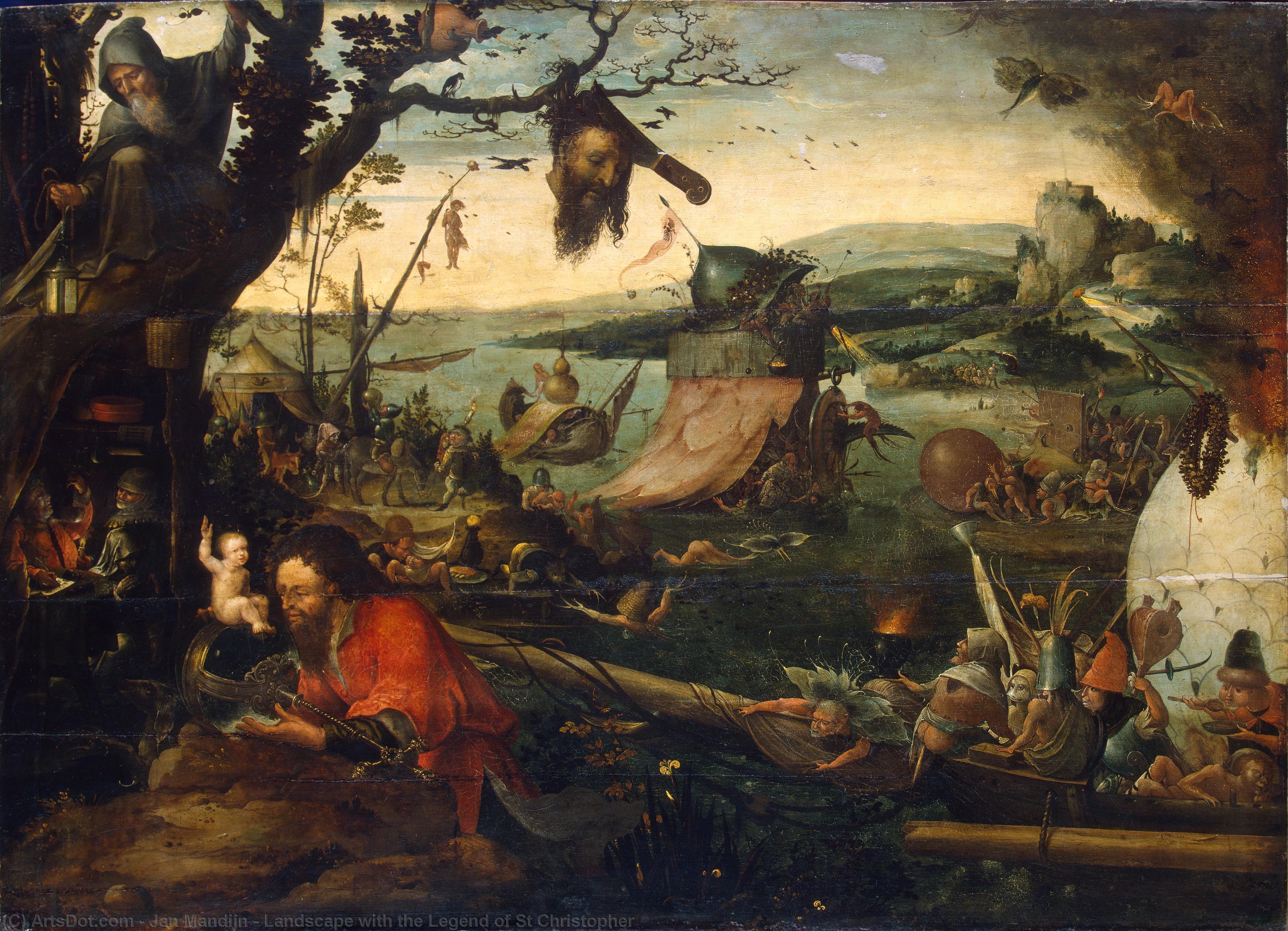
Landscape with the Legend of St Christopher
 Oil On Panel
- WallArt
- Renaissance Boschian Echoes
 Renaissance
 71.0 x 99.0 cm
 Эрмитаж
 Читать далее
Приобретите цифровое изображение высокого разрешения в улучшенном качестве, которое значительно превосходит онлайн-превью.
Каждый файл тщательно подготавливается нашими специалистами с использованием передовых инструментов и экспертной ручной ретуши. Мы гарантируем исключительную четкость, точную цветопередачу и детальную проработку каждого изображения.
Финальный файл доставляется по электронной почте в течение 72 часов и оптимизирован для немедленного использования в профессиональной среде, при верстке и печати. Это тот же уровень качества, которому доверяют ведущие дизайнерские студии, издательства и галереи.
Цифровое изображение
Скачайте файл высокого разрешения для личного использования, печати и творческих проектов. ( Перейти к печати Купить картину ручной работы)
Включено в каждый заказ цифровых изображений
Гарантия экспертной цифровой доставки
Выбирая ArtsDot.com, вы получаете не просто изображение — вы приобретаете профессионально обработанное цифровое произведение искусства, созданное с безупречной точностью и под защитой гарантии качества. Вот всё, что автоматически входит в ваш заказ:

Мгновенная доставка по e-mail
Ваш цифровой файл в высоком разрешении будет отправлен вам по электронной почте в течение 72 часов после оформления заказа — и сразу станет доступен для использования.

Цифровой файл с ИИ-улучшением
Ваше произведение искусства проходит профессиональную оптимизацию с использованием передовых инструментов ИИ и ручной обработки, что гарантирует максимальную детализацию, четкость и точность цветопередачи.

Бессрочная бесплатная повторная доставка
Случайно удалили или потеряли файл? Не беспокойтесь — мы отправим его вам повторно в любое время и совершенно бесплатно.

Без импортных пошлин — навсегда
Наслаждайтесь вашим произведением искусства мгновенно без таможенных пошлин, сборов или затрат на доставку — цифровые загрузки всегда не облагаются налогом.

Гарантия точности цветопередачи
Мы гарантируем, что ваше цифровое изображение максимально точно передает оригинальные цвета благодаря использованию профессиональных инструментов и систем управления цветом.

Гарантия удовлетворенности 100 дней
Если вы не будете удовлетворены своим цифровым изображением, мы внесем правки или вернем 100% стоимости в течение 100 дней — без лишних вопросов.

100% Гарантия возврата средств
Не удовлетворены покупкой? Получите полный возврат средств в течение 100 дней после получения цифрового файла — без лишних вопросов.

Скидки на оптовые заказы
Купите 3 изображения, сэкономьте 10% — Купите 5, сэкономьте 15% — Купите 10+, сэкономьте 20%. Отличное решение для творческих проектов, галерей и агентств.
Landscape with The Legend of St Christopher by Jan Mandijn – A Boschian Echo in Antwerp’s Artistic Soul
Jan Mandijn, born around 1500 in Haarlem and tragically deceased in Antwerp circa 1560, remains a figure shrouded in artistic mystery—a talented painter whose legacy was largely eclipsed by the towering genius of Hieronymus Bosch. Yet, within the vibrant tapestry of the Low Countries’ Renaissance art scene, Mandijn carved out a distinctive space, skillfully channeling Boschian influences into his own captivating oeuvre. This essay delves into the essence of “Landscape with The Legend of St Christopher,” exploring its stylistic nuances, historical significance, and enduring emotional resonance.A Masterful Imitation: Style and Technique
Mandijn’s artistic approach is undeniably rooted in Bosch’s distinctive visual language. Like Bosch, he embraced a painterly style characterized by meticulous detail and an unsettling blend of realism and fantasy. The painting employs oil on panel—a technique favored during the period—allowing for rich pigments and nuanced tonal gradations that convey a palpable sense of atmosphere. Observe how Mandijn meticulously renders textures – from the weathered stone walls of the village buildings to the glistening surfaces of the boats – creating an immersive experience for the viewer. Furthermore, he skillfully incorporates fantastical elements reminiscent of Bosch’s grotesque creatures: subtle hints of demonic figures peek through the landscape, subtly disrupting the idyllic pastoral scene. This deliberate juxtaposition underscores Mandijn's ambition to capture not merely a visual representation but also the psychological depth inherent in Bosch’s unsettling narratives.The Mythological Narrative and Symbolism
“Landscape with The Legend of St Christopher” recounts a biblical tale—the veneration of Saint Christopher, depicted as kneeling beside another figure engrossed in reading from a manuscript. This central image is imbued with symbolic significance, representing piety and intellectual contemplation amidst the encroaching darkness of earthly concerns. The inclusion of numerous boats traversing the water adds to this layered symbolism; they symbolize journeys – both physical and spiritual – fraught with peril yet ultimately leading towards salvation. The artist’s careful composition directs the viewer's gaze toward the kneeling saint, emphasizing his role as a beacon of faith in a world populated by unsettling visions.Historical Context: Antwerp’s Artistic Crucible
Antwerp during Mandijn’s lifetime was a crucible of artistic innovation and commercial prosperity—a hub for Flemish painters eager to capitalize on the burgeoning demand for Boschian-inspired imagery, particularly within Spain's Catholic realm. Recognizing Bosch’s unparalleled popularity, Mandijn skillfully adapted his style to meet this market preference, producing works that mirrored Bosch’s unsettling aesthetic while maintaining a distinct artistic identity. Collaborations with Pieter Aertsen further solidified Antwerp’s position as a center for fantastical art, fostering an environment where artists could experiment and push boundaries—a legacy that continues to inspire contemporary interpretations of Boschian symbolism.Emotional Resonance: Capturing the Sublime
Ultimately, “Landscape with The Legend of St Christopher” transcends mere visual representation; it evokes a profound emotional response. The painting’s subdued palette – dominated by earthy tones punctuated by flashes of vibrant color—creates an atmosphere of contemplative solemnity. Yet, beneath this surface tranquility lurks an unsettling awareness of the darker forces at play—a subtle reminder that beauty and terror coexist within the human experience. Like Bosch himself, Mandijn sought to unsettle viewers, prompting introspection and confronting them with uncomfortable truths about faith, mortality, and the pervasive influence of demonic imagery. This enduring artistic achievement stands as testament to Mandijn’s mastery of technique and his profound understanding of the psychological complexities inherent in capturing the sublime—a legacy that continues to resonate powerfully within the annals of Renaissance art history.Похожие произведения

Биография художника
Jan Mandijn: A Dutch Renaissance Painter in Bosch's Shadow
- Born: Haarlem, Netherlands (c. 1500)
- Died: Antwerp (c. 1560)
Jan Mandijn, also known as Jan Mandyn, was a Dutch Renaissance painter who flourished in Antwerp after 1530. While his career remained somewhat overshadowed by the monumental figure of Hieronymus Bosch, Mandijn carved out a distinct niche within the artistic landscape of the Low Countries, influencing subsequent generations of painters.
Early Life and Training
Born around 1500 in Haarlem, Jan Mandijn received his initial training in his hometown. Details about his early education remain scarce, but it's evident that he developed a strong foundation in painting techniques during this period. Around 1530, he relocated to Antwerp, a burgeoning center of artistic activity and trade.
Artistic Style and Influences
- Boschian Echoes: Mandijn’s style is most readily recognized by its striking resemblance to that of Hieronymus Bosch. Like Bosch, Mandijn populated his canvases with fantastical creatures and nightmarish landscapes.
- Hybrid Demons: A hallmark of Mandijn's work is the depiction of hybrid demons—grotesque combinations of insects, amphibians, reptiles, and birds. These figures, while sharing a visual kinship with Bosch’s creations, often lack the harmonious color palette and compositional balance found in the earlier master’s paintings.
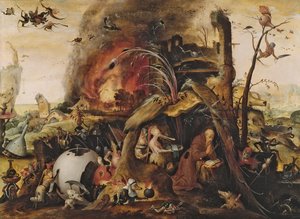
- Antwerp "Devil Pictures": Mandijn is associated with a series of Antwerp “devil pictures,” including The Temptation of Saint Christopher, which showcases his ability to evoke a sense of unease and otherworldly horror.
- Freer Style: While influenced by Bosch, Mandijn’s style exhibits a looser, more painterly quality. His brushwork is often less precise, contributing to a dynamic and somewhat chaotic visual effect.
Notable Works and Legacy
- The Temptation of Saint Anthony: This painting, housed in the Frans Hals Museum in Haarlem, is Mandijn’s only signed work and stands as a prime example of his artistic skill. It depicts Saint Anthony besieged by demonic figures, showcasing his talent for creating detailed and fantastical scenes.
- Teaching Influence: Mandijn's legacy extends beyond his own paintings; he served as a teacher to several notable artists, including Jan van der Elburcht, Gillis Mostaert, and Bartholomeus Spranger. The stylistic similarities observed in the works of these pupils suggest that Mandijn imparted valuable lessons in composition, color theory, and the depiction of fantastical subjects.
- Historical Significance: Although overshadowed by Bosch, Mandijn’s contribution to Dutch Renaissance painting is significant. His unique blend of Boschian imagery with a more accessible style helped popularize fantastical themes among a wider audience.
Later Years and Death
Jan Mandijn continued to work in Antwerp until his death around 1560. While his oeuvre remains relatively small compared to other Renaissance masters, his influence on subsequent generations of artists is undeniable. His paintings continue to be studied by art historians and appreciated by enthusiasts for their imaginative depictions of the supernatural and their unique interpretation of Bosch’s legacy.
Jan Mandijn
1500 - 1560 , Netherlands
Основные сведения
- Artistic Movement Or Style: Dutch Renaissance
- Artists Or Movements Influenced By This Artist:
- Jan van der Elburcht
- Gillis Mostaert
- Bartholomeus Spranger
- Artists Who Influenced This Artist: ['Hieronymus Bosch']
- Date Of Birth: c. 1500
- Date Of Death: 1560
- Full Name: Jan Mandijn
- Nationality: Dutch
- Notable Artworks:
- The Temptation of Saint Anthony
- Landscape with St Christopher
- Place Of Birth: Haarlem, Netherlands