

 Предпросмотр
 Поделиться
 Поделиться
 Детали произведения

 Скачать
 Похожие работы
 Рентгенография
 Слайд-шоу
 Статистика
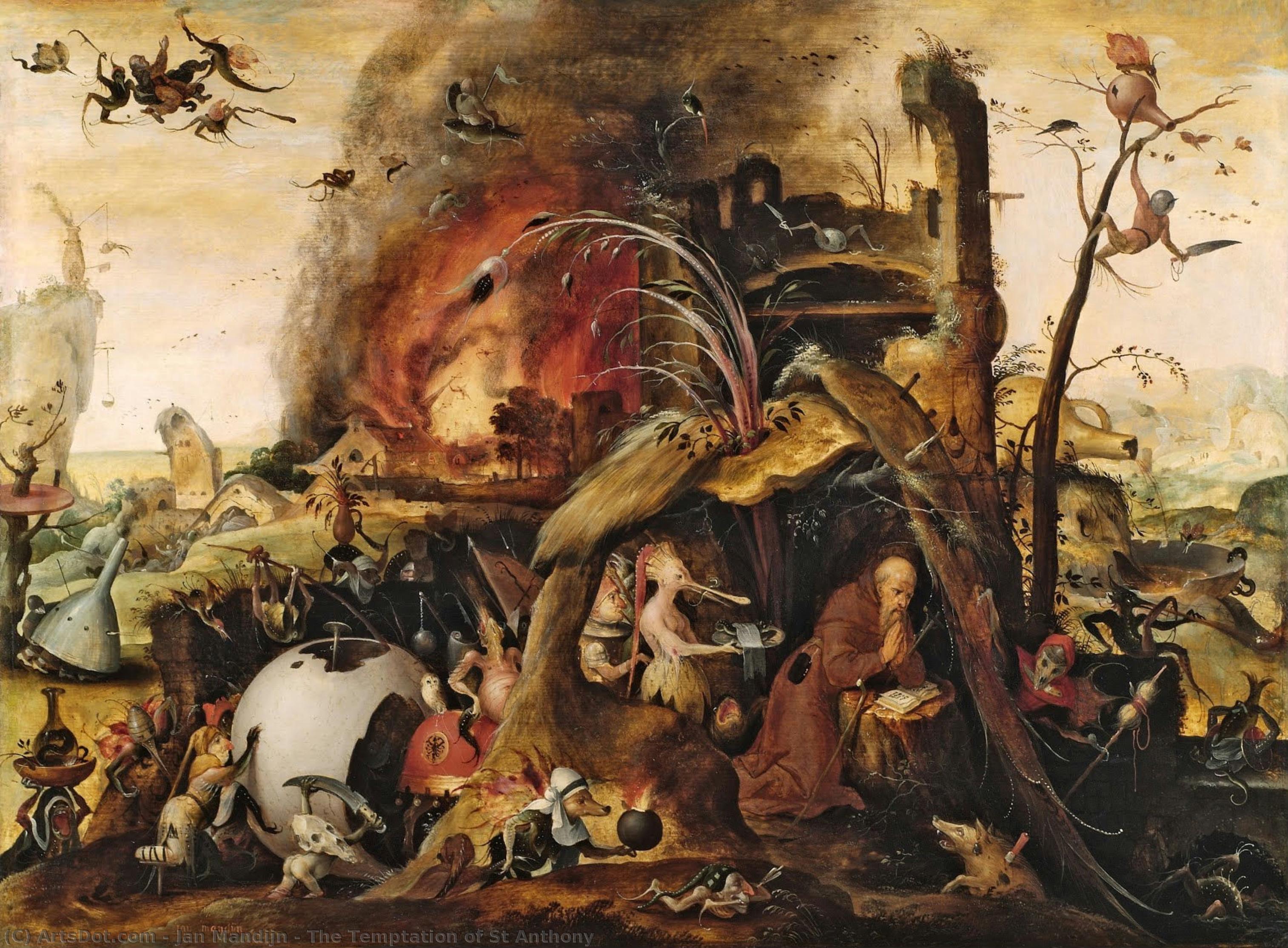
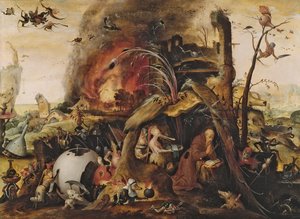
The Temptation of St Anthony


 Читать далее
Масляная репродукция ручной работы
Картина маслом на холсте в выбранном вами размере и раме, написанная на заказ нашими художниками. ( Перейти к печати Перейти к цифровым изображениям)




P118B $10

P118H $10

P118W $10

P438Z $10

P508JH $12

P508YH $12

P805H $10

P805Z $10

P919BZ $10

P919G $10

P919XJ $10

P959ZH $10

P968JZ $12

W106C $8

W218G $10

W218JH $8

W218Y $10

W307PJ $10

W316G $10

W316PJ $8

W316Y $10

W398PJ $8

W4111J $10

W500HY $15

W500JH $15

W692G $12

W849H $8

W940BG $15

W953PJ $8




Выберите один из наших стандартных размеров, соответствующих оригинальным пропорциям произведения искусства.

Вы можете указать собственные размеры, чтобы картина идеально вписалась в выбранную раму или пространство. Если выбранный вами размер не соответствует пропорциям оригинала, мы либо обрежем полотно, либо расширим его за счет дополнительных элементов, написанных вручную. Цифровой макет будет отправлен вам на утверждение перед началом производства.
Обратите внимание, что предварительный просмотр на экране не отражает фактическую обрезку или расширение. Только макет точно покажет окончательную композицию.
Хотя доступны индивидуальные размеры, мы рекомендуем выбирать вариант из предопределенного списка, чтобы сохранить исходные пропорции.
После оформления заказа команда ArtsDot.com свяжется с клиентом по электронной почте для уточнения деталей и предоставит предварительный макет
Доставка по всему миру () за 3–4 недели вместо стандартных 5 недель. (11 Сентябрь). Без компромиссов в качестве.

Бесплатная экспресс-доставка по всему миру

Высококачественный льняной холст

Полное страхование доставки

Гарантия возмещения таможенных пошлин

Гарантия точного соответствия цветов

100-дневная политика возврата (только при обнаружении дефектов)

Гарантия возврата 100% средств

Предложение оптовых скидок
 Вариант со стеклом доступен только для размеров менее 110 см

The Temptation of St Anthony
Техника репродукции
Размер репродукции
-


Итоговая стоимость
$ 263
The Labyrinth of Piety: Unveiling The Temptation of St Anthony
To gaze upon this depiction of The Temptation of St Anthony is to step directly into the crucible of spiritual endurance. It is a scene not merely painted, but intensely experienced—a dramatic confrontation between unwavering faith and the chaotic onslaught of worldly desire. The central figure, the Egyptian hermit St. Anthony, remains an island of serene contemplation amidst a swirling maelstrom of diabolical activity. His posture suggests profound prayer, a quiet resistance that defies the visual cacophony surrounding him. This artwork captures the very essence of spiritual fortitude, reminding the viewer that true devotion often requires standing firm against overwhelming odds.
Boschian Echoes and Renaissance Drama
The genesis of this powerful composition lies in the shadow of a master: Hieronymus Bosch. Jan Mandijn, working in Antwerp during the early decades of the sixteenth century, drew deep inspiration from an earlier work by Bosch, lending his own unique hand to this enduring narrative. While retaining the characteristic fantastical energy and crowded symbolism associated with Bosch’s oeuvre—the bizarre creatures, the unsettling juxtapositions—Mandijn imbues the scene with a distinct Renaissance polish. The technical skill on display is breathtaking; one can almost feel the texture of the air thick with supernatural activity. Mandijn masterfully populates the space with everything from serpentine forms to various avian figures, all contributing to an intricate tapestry of temptation.
Symbolism and Spiritual Struggle
The symbolism woven throughout this piece is rich and deeply theological. The surrounding diabolical beings—the animals, the hovering figures—represent every facet of worldly distraction, sin, and doubt that threatens the soul's peace. St. Anthony’s steadfastness, documented by contemporary accounts, serves as a timeless beacon for humanity. Consider the details: the creatures are not merely decorative; they are active agents in a spiritual battle. The inclusion of other observers within the scene adds a layer of narrative depth, suggesting that this struggle is witnessed, understood, and perhaps even anticipated by others. It speaks to the universal human condition—the constant negotiation between the earthly pull and the divine call.
A Masterpiece for Contemplation
For the collector or the designer seeking an object of profound intellectual and emotional resonance, this reproduction offers more than mere decoration; it offers a focal point for meditation. The complexity of Mandijn’s vision—the detailed rendering of both the sublime piety and the grotesque temptation—makes it endlessly fascinating. Owning a piece inspired by such dramatic religious narratives allows one to bring an atmosphere of thoughtful contemplation into any space, whether it be a private study or a grand hall. It is a work that demands close looking, rewarding the viewer with layers of meaning upon every passing glance.
Похожие произведения


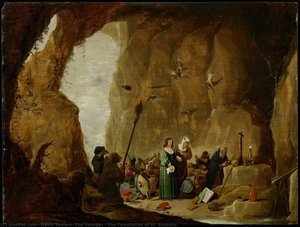
Биография художника
Jan Mandijn: A Dutch Renaissance Painter in Bosch's Shadow
- Born: Haarlem, Netherlands (c. 1500)
- Died: Antwerp (c. 1560)
Jan Mandijn, also known as Jan Mandyn, was a Dutch Renaissance painter who flourished in Antwerp after 1530. While his career remained somewhat overshadowed by the monumental figure of Hieronymus Bosch, Mandijn carved out a distinct niche within the artistic landscape of the Low Countries, influencing subsequent generations of painters.
Early Life and Training
Born around 1500 in Haarlem, Jan Mandijn received his initial training in his hometown. Details about his early education remain scarce, but it's evident that he developed a strong foundation in painting techniques during this period. Around 1530, he relocated to Antwerp, a burgeoning center of artistic activity and trade.
Artistic Style and Influences
- Boschian Echoes: Mandijn’s style is most readily recognized by its striking resemblance to that of Hieronymus Bosch. Like Bosch, Mandijn populated his canvases with fantastical creatures and nightmarish landscapes.
- Hybrid Demons: A hallmark of Mandijn's work is the depiction of hybrid demons—grotesque combinations of insects, amphibians, reptiles, and birds. These figures, while sharing a visual kinship with Bosch’s creations, often lack the harmonious color palette and compositional balance found in the earlier master’s paintings.
- Antwerp "Devil Pictures": Mandijn is associated with a series of Antwerp “devil pictures,” including The Temptation of Saint Christopher, which showcases his ability to evoke a sense of unease and otherworldly horror.
- Freer Style: While influenced by Bosch, Mandijn’s style exhibits a looser, more painterly quality. His brushwork is often less precise, contributing to a dynamic and somewhat chaotic visual effect.
Notable Works and Legacy
- The Temptation of Saint Anthony: This painting, housed in the Frans Hals Museum in Haarlem, is Mandijn’s only signed work and stands as a prime example of his artistic skill. It depicts Saint Anthony besieged by demonic figures, showcasing his talent for creating detailed and fantastical scenes.
- Teaching Influence: Mandijn's legacy extends beyond his own paintings; he served as a teacher to several notable artists, including Jan van der Elburcht, Gillis Mostaert, and Bartholomeus Spranger. The stylistic similarities observed in the works of these pupils suggest that Mandijn imparted valuable lessons in composition, color theory, and the depiction of fantastical subjects.
- Historical Significance: Although overshadowed by Bosch, Mandijn’s contribution to Dutch Renaissance painting is significant. His unique blend of Boschian imagery with a more accessible style helped popularize fantastical themes among a wider audience.
Later Years and Death
Jan Mandijn continued to work in Antwerp until his death around 1560. While his oeuvre remains relatively small compared to other Renaissance masters, his influence on subsequent generations of artists is undeniable. His paintings continue to be studied by art historians and appreciated by enthusiasts for their imaginative depictions of the supernatural and their unique interpretation of Bosch’s legacy.
Jan Mandijn
1500 - 1560 , Netherlands
Основные сведения
- Artistic Movement Or Style: Dutch Renaissance
- Artists Or Movements Influenced By This Artist:
- Jan van der Elburcht
- Gillis Mostaert
- Bartholomeus Spranger
- Artists Who Influenced This Artist: ['Hieronymus Bosch']
- Date Of Birth: c. 1500
- Date Of Death: 1560
- Full Name: Jan Mandijn
- Nationality: Dutch
- Notable Artworks:
- The Temptation of Saint Anthony
- Landscape with St Christopher
- Place Of Birth: Haarlem, Netherlands
Похожие статьи
Sacred Narratives Embodied: A Comprehensive Exploration of Religious Iconography in Art History
Explore the rich history of religious iconography in art! Discover symbolism, movements & masterpieces from Byzantine to Renaissance periods. Expert insights for collectors and enthusiasts at ArtsDot.
Эль Греко: 25 шедевров гения. Купить картины онлайн | ArtsDot
Погрузитесь в мир Эль Греко! 25 величайших шедевров испанского маньеризма. Узнайте историю создания культовых картин, технику и символизм. Купите репродукции высокого качества для вашего интерьера на ArtsDot.com.
The Northern Renaissance: A Flourishing of Realism, Religious Reform & Artistic Innovation
Explore the Northern Renaissance! Discover Jan van Eyck's innovations, religious shifts, & key artists of this influential period. Expert analysis and insights into Early Netherlandish painting at ArtsDot.
Sacred Narratives on Canvas: Exploring Religious Scenes & Their Enduring Influence
Explore the rich history of religious art from Giotto to the Renaissance masters with ArtsDot. Discover symbolism, techniques & enduring legacies. Museum-quality reproductions available.
Иероним Босх: Топ-25 шедевров гения нидерландской живописи | ArtsDot
Погрузитесь в мир гения Иеронима Босха! 25 культовых картин нидерландского Ренессанса, полных символизма и фантастических образов. Узнайте историю создания шедевров и найдите идеальную репродукцию для вашего интерьера на ArtsDot.com.