

 Предпросмотр
 Поделиться
 Поделиться
 Детали произведения

 Скачать
 Похожие работы
 Рентгенография
 Слайд-шоу
 Статистика
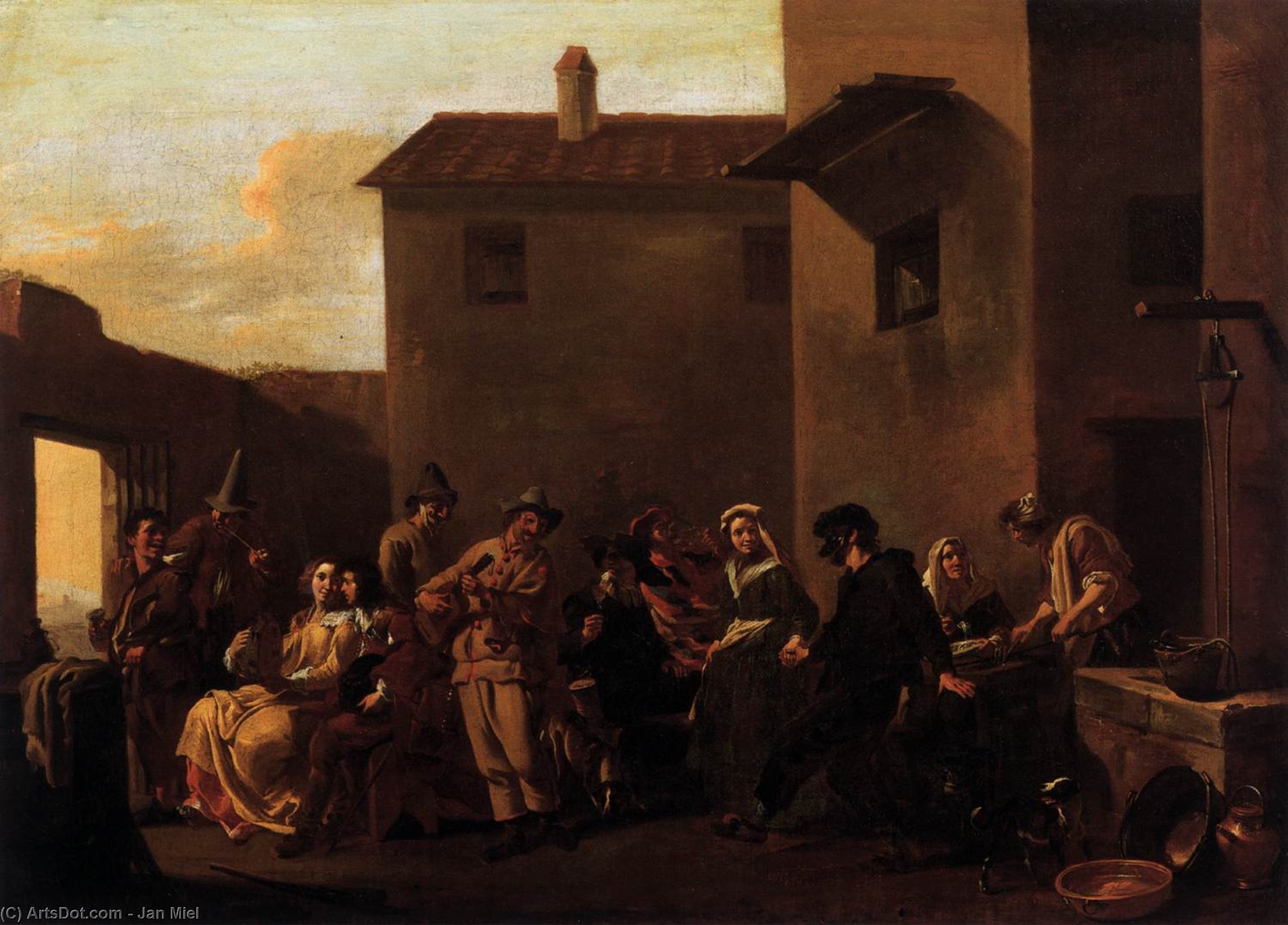
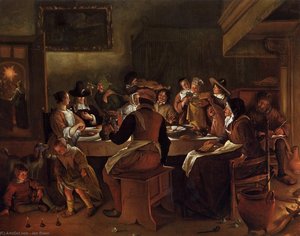
Dance in the Trattoria
 Oil On Canvas
- WallArt
- Baroque
 1647
1647- Early Modern
 51.0 x 67.0 cm
 Academy of Fine Arts Vienna
 Читать далее
Приобретите цифровое изображение высокого разрешения в улучшенном качестве, которое значительно превосходит онлайн-превью.
Каждый файл тщательно подготавливается нашими специалистами с использованием передовых инструментов и экспертной ручной ретуши. Мы гарантируем исключительную четкость, точную цветопередачу и детальную проработку каждого изображения.
Финальный файл доставляется по электронной почте в течение 72 часов и оптимизирован для немедленного использования в профессиональной среде, при верстке и печати. Это тот же уровень качества, которому доверяют ведущие дизайнерские студии, издательства и галереи.
Цифровое изображение
Скачайте файл высокого разрешения для личного использования, печати и творческих проектов. ( Перейти к печати Купить картину ручной работы)
Включено в каждый заказ цифровых изображений
Гарантия экспертной цифровой доставки
Выбирая ArtsDot.com, вы получаете не просто изображение — вы приобретаете профессионально обработанное цифровое произведение искусства, созданное с безупречной точностью и под защитой гарантии качества. Вот всё, что автоматически входит в ваш заказ:

Мгновенная доставка по e-mail
Ваш цифровой файл в высоком разрешении будет отправлен вам по электронной почте в течение 72 часов после оформления заказа — и сразу станет доступен для использования.

Цифровой файл с ИИ-улучшением
Ваше произведение искусства проходит профессиональную оптимизацию с использованием передовых инструментов ИИ и ручной обработки, что гарантирует максимальную детализацию, четкость и точность цветопередачи.

Бессрочная бесплатная повторная доставка
Случайно удалили или потеряли файл? Не беспокойтесь — мы отправим его вам повторно в любое время и совершенно бесплатно.

Без импортных пошлин — навсегда
Наслаждайтесь вашим произведением искусства мгновенно без таможенных пошлин, сборов или затрат на доставку — цифровые загрузки всегда не облагаются налогом.

Гарантия точности цветопередачи
Мы гарантируем, что ваше цифровое изображение максимально точно передает оригинальные цвета благодаря использованию профессиональных инструментов и систем управления цветом.

Гарантия удовлетворенности 100 дней
Если вы не будете удовлетворены своим цифровым изображением, мы внесем правки или вернем 100% стоимости в течение 100 дней — без лишних вопросов.

100% Гарантия возврата средств
Не удовлетворены покупкой? Получите полный возврат средств в течение 100 дней после получения цифрового файла — без лишних вопросов.

Скидки на оптовые заказы
Купите 3 изображения, сэкономьте 10% — Купите 5, сэкономьте 15% — Купите 10+, сэкономьте 20%. Отличное решение для творческих проектов, галерей и агентств.
A Tapestry of Life in the Italian Courtyard
To gaze upon Jan Miel's "Dance in the Trattoria" is to be instantly transported across the centuries and into the warm, vibrant heart of an Italian gathering. This scene, rendered with masterful detail, captures more than just a moment; it encapsulates the very essence of communal joy and human connection. The composition buzzes with life—a lively tableau featuring at least thirteen figures gathered in what appears to be a sun-dappled courtyard or trattoria setting. One can almost hear the murmur of conversation, the clinking of unseen glasses, and the rhythm of an impromptu dance echoing through the space. Miel has gifted us a glimpse into a social ecosystem where every individual plays a part, contributing to the rich, palpable atmosphere.
Mastery in Monochrome: Technique and Atmosphere
Though this particular depiction is presented in striking black and white tones, one must appreciate the technical brilliance that underpins the drama. Miel’s handling of light and shadow—the interplay between illumination and deep shade across the figures and architectural elements—is breathtaking. The artist employs a technique that suggests both the robust realism of Flemish tradition and the dramatic flair characteristic of Baroque grandeur. Notice how the seating arrangements, the two benches flanking the scene, the central chair, and the dining table on the right anchor the composition while simultaneously allowing the human element to float above the mundane structure. This careful balance between static setting and dynamic action is a hallmark of Miel's genius.
The Social Fabric: Context and Symbolism
Dating from 1647, this painting serves as a rich document of genre life during the mid-seventeenth century. The varied attire of the assembled group hints at a fascinating cross-section of society—a mingling of different classes enjoying leisure time together. Symbolically, the gathering itself speaks to themes of community, pleasure, and the enduring human need for fellowship. It is an ode to shared experience. For the modern collector or designer, this piece offers more than mere decoration; it suggests a curated atmosphere of conviviality, perfect for evoking the spirit of grand entertaining within a home.
Bringing Baroque Warmth Home
Owning a reproduction of "Dance in the Trattoria" is to invite a piece of historical narrative into your own space. The emotional impact of this work is one of immediate warmth and nostalgic delight. It doesn't demand quiet contemplation; rather, it invites participation. Whether placed above a mantelpiece or used as an accent piece in a dining area, its lively energy acts as a visual catalyst, transforming a room into a place where stories are shared and laughter rings out. It is art that breathes life back into the stillness.
Похожие произведения





Биография художника
Jan Miel: Bridging Dutch Realism and Baroque Grandeur
Jan Miel (1599–1663) stands as a pivotal figure in the artistic landscape of the seventeenth century, embodying the fascinating confluence of Flemish tradition and Italian innovation. Born in Beveren, Belgium—though Antwerp and ‘s-Hertogenbosch remain contenders for his birthplace—Miel’s early life remains shrouded in relative obscurity, leaving biographical details sparse. However, what emerges from scholarly research is a remarkable artistic journey marked by stylistic evolution and collaborative endeavors that cemented his place within the vibrant cultural milieu of Rome and Turin.
His formative years were spent honing his craft primarily in Antwerp, where he absorbed the influences of prominent Flemish masters like Anthony van Dyck. While the precise scope of his training remains elusive, it undoubtedly instilled within him an appreciation for meticulous observation and refined technique—qualities that would characterize much of his subsequent oeuvre. This foundational grounding in classical draughtsmanship and portraiture provided the essential toolkit for a career that would eventually transcend regional boundaries.
The Roman Transformation and the Bamboccianti Spirit
Miel’s arrival in Rome around 1636 signaled a transformative moment in his artistic trajectory. He swiftly joined the Bentvueghels, an influential association of Dutch and Flemish artists residing in the Eternal City. Within this brotherhood, he adopted the memorable moniker ‘bieco’, a nickname reflecting his distinctive squinting gaze—a characteristic that would become synonymous with his artistic persona. This affiliation fostered deep connections within a broader artistic community deeply impacted by Pieter van Laert’s Bamboccianti style.
This movement was dedicated to depicting scenes of everyday life amongst the lower classes in Rome and its environs, eschewing the idealized grandeur of High Renaissance art for something far more visceral and immediate. Miel embraced this trend wholeheartedly, producing captivating genre paintings that captured the spirit of urban existence with remarkable realism and sensitivity. His works often featured:
- Lively street scenes populated by travelers, merchants, and laborers.
- A masterful use of light to evoke the dusty, sun-drenched atmosphere of Roman alleys.
- The subtle interplay of human emotion within crowded, chaotic settings.
- A meticulous attention to the textures of fabric, stone, and earth.
Evolution Toward Classicism and Courtly Grandeur
As his career progressed, Miel’s artistic vision underwent a significant metamorphosis. While he remained a master of the genre scene, he began to move away from the gritty realism of the Bamboccianti toward more classicizing history paintings. This shift reflected a broader trend in European art, where the raw energy of the Baroque was increasingly tempered by a desire for order, nobility, and classical allegory.
This evolution eventually led him to prestigious appointments, most notably serving as a court artist to Charles Emanuel II, Duke of Savoy. In the service of the Turin court, Miel’s work took on a more formal and magnificent character. The intimacy of his earlier Roman scenes gave way to compositions of greater scale and complexity, designed to reflect the power and prestige of his royal patron. This period represents the pinnacle of his professional achievement, where his Flemish roots in detail met the grand, sweeping narratives required by the European aristocracy.
The historical significance of Jan Miel lies in his ability to navigate these disparate worlds. He was an artist who could find beauty in the humble struggles of a Roman street urchin and dignity in the epic tales of antiquity. By bridging the gap between the meticulous realism of the North and the dramatic classicism of the South, Miel left an indelible mark on the seventeenth-century canon, ensuring his legacy as a true cosmopolitan of the Baroque era.
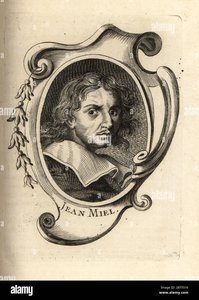
Jan Miel
1599 - 1663 , Belgium
Основные сведения
- Artistic Movement Or Style: Bamboccianti, Classicising
- Artists Or Movements Influenced By This Artist: ['Pieter van Laer']
- Artists Who Influenced This Artist: ['Anthony van Dyck']
- Date Of Birth: 1599 Beveren Belgium
- Date Of Death: 1663
- Full Name: Jan Miel
- Nationality: Flemish
- Notable Artworks:
- Landscape with a Battle between Two Rams
- Roman Lime Kiln with Peasants Gambling
- Place Of Birth: Beveren Belgium