

 Предпросмотр
 Поделиться
 Поделиться
 Детали произведения

 Скачать
 Похожие работы
 Рентгенография
 Слайд-шоу
 Статистика
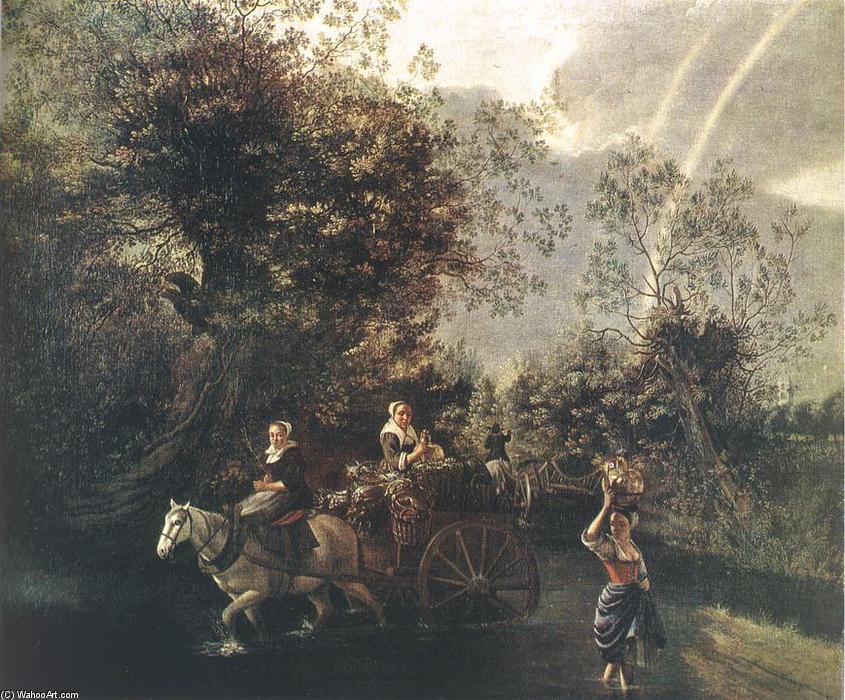
Crossing a Creek
 Oil On Canvas
- WallArt
- Baroque Painting
 1669
1669- Early Modern
 94.0 x 116.0 cm
 Государственный музей изобразительных искусств имени А. С. Пушкина
 Читать далее
Масляная репродукция ручной работы
Картина маслом на холсте в выбранном вами размере и раме, написанная на заказ нашими художниками. ( Перейти к печати Перейти к цифровым изображениям)




P118B $10

P118H $10

P118W $10

P438Z $10

P508JH $12

P508YH $12

P805H $10

P805Z $10

P919BZ $10

P919G $10

P919XJ $10

P959ZH $10

P968JZ $12

W106C $8

W218G $10

W218JH $8

W218Y $10

W307PJ $10

W316G $10

W316PJ $8

W316Y $10

W398PJ $8

W4111J $10

W500HY $15

W500JH $15

W692G $12

W849H $8

W940BG $15

W953PJ $8




Выберите один из наших стандартных размеров, соответствующих оригинальным пропорциям произведения искусства.

Вы можете указать собственные размеры, чтобы картина идеально вписалась в выбранную раму или пространство. Если выбранный вами размер не соответствует пропорциям оригинала, мы либо обрежем полотно, либо расширим его за счет дополнительных элементов, написанных вручную. Цифровой макет будет отправлен вам на утверждение перед началом производства.
Обратите внимание, что предварительный просмотр на экране не отражает фактическую обрезку или расширение. Только макет точно покажет окончательную композицию.
Хотя доступны индивидуальные размеры, мы рекомендуем выбирать вариант из предопределенного списка, чтобы сохранить исходные пропорции.
После оформления заказа команда ArtsDot.com свяжется с клиентом по электронной почте для уточнения деталей и предоставит предварительный макет
Доставка по всему миру () за 3–4 недели вместо стандартных 5 недель. (11 Сентябрь). Без компромиссов в качестве.

Бесплатная экспресс-доставка по всему миру

Высококачественный льняной холст

Полное страхование доставки

Гарантия возмещения таможенных пошлин

Гарантия точного соответствия цветов

100-дневная политика возврата (только при обнаружении дефектов)

Гарантия возврата 100% средств

Предложение оптовых скидок
 Вариант со стеклом доступен только для размеров менее 110 см

Crossing a Creek
Техника репродукции
Размер репродукции
-


Итоговая стоимость
$ 263
A Journey Through Time: The Allure of Crossing a Creek
To gaze upon Jan Siberechts' masterpiece, Crossing a Creek, is to step directly into the sun-dappled, yet dramatically lit, heart of 17th-century rural life. This oil on canvas, executed in 1669, transcends mere depiction; it captures a fleeting moment imbued with the quiet dignity of everyday existence. The scene unfolds as a pastoral tableau where humanity intersects gracefully with nature's enduring rhythms. One feels the damp earth beneath the feet and hears the gentle murmur of the water as the figures navigate their passage across the creek. It is a composition that speaks not only to the artistry of its time but also to the timeless human experience of journeying forward.
Baroque Drama in a Bucolic Setting
The painting stands as a magnificent testament to the Baroque period's mastery of light and shadow, or chiaroscuro. Siberechts employs this technique with breathtaking skill, allowing pockets of brilliant illumination to carve out figures and details against deeper, atmospheric shadows. This dramatic interplay lends an immediate sense of tension and depth, elevating a simple crossing into something almost theatrical. Observe the lush foliage clinging to the trees; they are rendered with meticulous attention, suggesting the vibrant vitality of late spring or early summer. The inclusion of the horse-drawn carriage anchors the scene in a specific social reality, while the distant bridge hints at connections—both physical and metaphorical—that lie just beyond the viewer's immediate gaze.
The Rich Tapestry of 17th-Century Life
Siberechts was renowned for his ability to document life with an almost anthropological precision. In Crossing a Creek, this manifests in every fold of clothing and every gesture. The figures—the women near the carriage, the man guiding the horse, and the child following—are dressed in garments characteristic of the era, offering us a vivid glimpse into the social fabric of 17th-century villagers. These details are not mere ornamentation; they are narrative threads woven into the grand tapestry of the painting. The careful rendering of their attire speaks to a culture deeply rooted in tradition, yet simultaneously engaged with the movement and commerce suggested by their passage.
Bringing History Home: Decorating with Masterful Artistry
For those who seek to infuse a space with the gravitas and beauty of Old Masters, this reproduction offers an unparalleled opportunity. The scale of 94 x 116 cm ensures that Crossing a Creek will serve as a commanding focal point in any grand hall, library, or drawing-room. Beyond its aesthetic appeal, owning such a piece is to curate a conversation starter—a dialogue between the present day and the rich artistic heritage of Flanders. It invites contemplation on passage, community, and the enduring beauty found within the ordinary moments of life.
Похожие произведения


Биография художника
A Flemish Vision in England: The Life and Art of Jan Siberechts
Jan Siberechts, born in Antwerp in 1627, occupies a fascinating position in the history of European art—a bridge between the vibrant traditions of Flemish painting and the burgeoning landscape tradition of England. His story is one of artistic development, fortunate patronage, and ultimately, pioneering influence. The son of a sculptor also named Jan Siberechts, he received his initial training within the family workshop, absorbing the skills and aesthetic sensibilities that would form the foundation of his career. By 1648, he had achieved master status in the prestigious Guild of Saint Luke in Antwerp, signaling his recognition as a skilled craftsman. While concrete evidence remains elusive, art historians speculate about a possible sojourn to Italy during the late 1640s or early 1650s. Though unconfirmed, this potential exposure to Italianate landscape painting—with its emphasis on classical compositions and atmospheric perspective—undoubtedly left an imprint on his evolving style, visible in the early works that showcase a delicate balance between Flemish realism and Italianate ideals.Early Training and Artistic Influences
Siberechts’ formative years were steeped in the artistic heritage of Antwerp, a city renowned for its sculptural tradition and vibrant artistic community. His father instilled in him a deep appreciation for craftsmanship and meticulous observation—skills that would prove invaluable throughout his career. The Guild of Saint Luke provided him with formal training and access to established artistic conventions, shaping his understanding of perspective, anatomy, and color theory. Notably, Siberechts’ early works demonstrate considerable influence from Dutch masters like Nicolaes Berchem and Karel Dujardin. These painters skillfully captured the serene beauty of pastoral landscapes—often populated by idealized figures engaged in peaceful activities—employing subtle tonal gradations and luminous lighting effects that mirrored Siberechts’ own artistic inclinations. The meticulous attention to detail characteristic of Berchem and Dujardin undoubtedly contributed to Siberechts’ developing stylistic sensibilities.The Italian Connection – Speculation and Potential Impact
While definitive proof remains elusive, art historians posit a plausible scenario: Siberechts undertook a journey to Italy sometime between 1647 and 1652. This voyage would have exposed him to the revolutionary landscape paintings emerging from Florence and Rome—works that championed classical ideals of harmony and grandeur while embracing innovative techniques like atmospheric perspective. Artists such as Claude Lorrain and Nicolas Poussin had pioneered a new approach to depicting landscapes, prioritizing compositional clarity and conveying an emotional sense of place. It is conceivable that Siberechts absorbed these influences, subtly integrating them into his own artistic practice—a process evident in the early canvases that reveal a nascent fascination with Italianate aesthetics. This potential encounter would have broadened his artistic horizons and solidified his commitment to exploring new expressive possibilities.From Flemish Countryside to English Estates
The 1660s marked a pivotal turning point in Siberechts’ artistic trajectory. He decisively shifted his focus towards the landscapes of Flanders—a region characterized by rolling hills, fertile farmland, and picturesque villages—and the rhythms of rural life. This wasn't merely topographical representation; it was an immersive portrayal designed to evoke emotion and convey a profound connection with nature. Siberechts skillfully manipulated water reflections, creating visual echoes that deepened the sense of depth within his compositions. These paintings often echoed the intimate farmyard scenes popularized by David Teniers the Younger, but Siberechts infused them with a broader scope and a more atmospheric quality. He populated his canvases with robust figures—often women engaged in everyday tasks—dressed in brilliantly colored clothing that punctuated the verdant landscapes. This vibrant palette reflected the prevailing taste for decorative color during the Baroque period and underscored Siberechts’ artistic ambition.A Patronage That Launched a Career – The Duke of Buckingham
Siberechts’ burgeoning talent attracted considerable attention, culminating in an invitation from George Villiers, the Second Duke of Buckingham—a prominent figure in English aristocratic society—to undertake a monumental commission: decorating Cliveden House, Buckinghamshire. This undertaking provided Siberechts with both financial stability and an unparalleled opportunity to showcase his artistic versatility. Recognizing his exceptional skill and imaginative vision, Villiers entrusted him with transforming the stately home into a breathtaking landscape masterpiece. The resulting artwork remains one of Siberechts’ most celebrated achievements—a testament to his ability to synthesize Flemish tradition with English sensibilities. Furthermore, this commission solidified Siberechts' reputation as a leading artist among the elite, propelling him to international acclaim and securing his legacy as a pioneer of the English country house portrait genre.The Landscape Pioneer – Influence on Subsequent Artists
Jan Siberechts is rightfully regarded as a cornerstone of English landscape painting—often hailed as “the father of British landscape.” His topographical views weren’t merely records of estates; they were artistic interpretations imbued with emotion and conveying a profound connection to the natural world. He established a precedent for depicting landscapes not just as objects of observation but as subjects of contemplation—a stylistic innovation that profoundly impacted generations of artists who followed. Siberechts' meticulous attention to detail, combined with his masterful use of color and light, influenced painters such as Peter Tillemans and Hendrik Frans de Cort, fostering the development of a distinctive Flemish landscape tradition in England. His legacy extends beyond mere technique; it resides in his ability to capture the spirit of place—a quality that continues to resonate with viewers today. His paintings are more than just landscapes; they are windows into a bygone era, offering a glimpse into the lives and aspirations of those who inhabited them.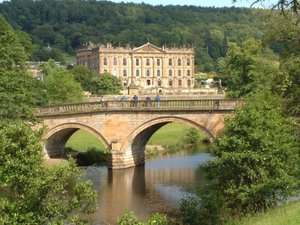
Ян Сиберехтс
1627 - 1703 , Бельгия
Основные сведения
- Artistic Movement Or Style: Барокко, Пейзаж
- Artists Or Movements Influenced By This Artist: ['Питер Тилемманс']
- Artists Who Influenced This Artist:
- Николаэс Берхем
- Карл Дудрин
- Date Of Birth: 1627
- Date Of Death: 1703
- Full Name: Jan Siberechts
- Nationality: Фламандский
- Notable Artworks:
- Лукка Мадонна
- Портрет Джованни Арнольфини и его жены
- Портрет Маргареты ван Эйк
- Place Of Birth: Антверпен, Бельгия
Похожие статьи
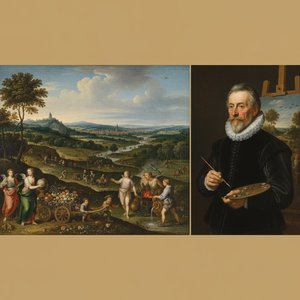
Jan Brueghel the Elder: A Master of Flemish Landscape & Allegory – Exploring Innovation & Influence
Explore the captivating world of Jan Brueghel the Elder, a Flemish Baroque master renowned for his stunning landscapes & allegorical paintings. Discover his collaborations with Rubens and lasting artistic legacy.

Джон Констебль: 25 шедевров английского пейзажа для вашего интерьера
Погрузитесь в мир английского пейзажа с Джоном Констеблом! 25 шедевров романтизма, история создания картин и вдохновение для вашего интерьера. Репродукции высокого качества на ArtsDot.com – искусство для ценителей.
Cultivating Visions: A Historical Journey Through Rural Landscapes in Art
Explore the rich history of rural landscape painting with ArtsDot. Discover Impressionist masterpieces, key artists & movements. Find your perfect serene artwork and bring nature's beauty home.

Evocations of Place: A Historical Journey Through Landscape Art
Explore the rich history of landscape art with ArtsDot. Discover renowned artists, movements like Impressionism & Romanticism, and expert guidance for collecting timeless pieces. Find your perfect serene escape today!
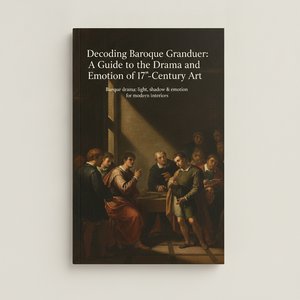
Decoding Baroque Grandeur: A Guide to the Drama and Emotion of 17th-Century Art
Explore the breathtaking drama of 17th-century Baroque art. Our expert guide decodes the use of chiaroscuro, emotional intensity, and historical grandeur to help you appreciate and curate timeless masterpieces for your collection.