

 Предпросмотр
 Поделиться
 Поделиться
 Детали произведения

 Скачать
 Похожие работы
 Рентгенография
 Слайд-шоу
 Статистика
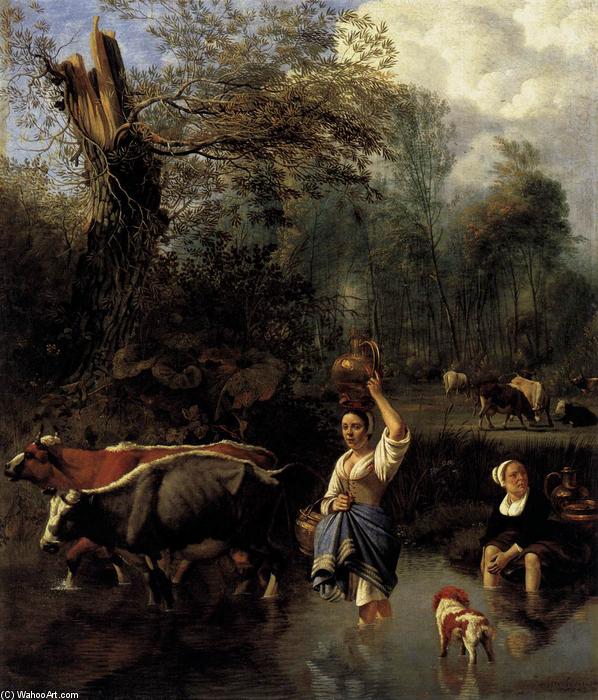
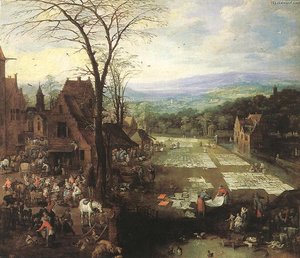
The Ford
 Oil On Canvas
- WallArt
- Baroque Landscape Painting
 1670
1670- Early Modern
 64.0 x 54.0 cm
 Стейтлешские музеи Берлина
 Читать далее
Приобретите цифровое изображение высокого разрешения в улучшенном качестве, которое значительно превосходит онлайн-превью.
Каждый файл тщательно подготавливается нашими специалистами с использованием передовых инструментов и экспертной ручной ретуши. Мы гарантируем исключительную четкость, точную цветопередачу и детальную проработку каждого изображения.
Финальный файл доставляется по электронной почте в течение 72 часов и оптимизирован для немедленного использования в профессиональной среде, при верстке и печати. Это тот же уровень качества, которому доверяют ведущие дизайнерские студии, издательства и галереи.
Цифровое изображение
Скачайте файл высокого разрешения для личного использования, печати и творческих проектов. ( Перейти к печати Купить картину ручной работы)
Включено в каждый заказ цифровых изображений
Гарантия экспертной цифровой доставки
Выбирая ArtsDot.com, вы получаете не просто изображение — вы приобретаете профессионально обработанное цифровое произведение искусства, созданное с безупречной точностью и под защитой гарантии качества. Вот всё, что автоматически входит в ваш заказ:

Мгновенная доставка по e-mail
Ваш цифровой файл в высоком разрешении будет отправлен вам по электронной почте в течение 72 часов после оформления заказа — и сразу станет доступен для использования.

Цифровой файл с ИИ-улучшением
Ваше произведение искусства проходит профессиональную оптимизацию с использованием передовых инструментов ИИ и ручной обработки, что гарантирует максимальную детализацию, четкость и точность цветопередачи.

Бессрочная бесплатная повторная доставка
Случайно удалили или потеряли файл? Не беспокойтесь — мы отправим его вам повторно в любое время и совершенно бесплатно.

Без импортных пошлин — навсегда
Наслаждайтесь вашим произведением искусства мгновенно без таможенных пошлин, сборов или затрат на доставку — цифровые загрузки всегда не облагаются налогом.

Гарантия точности цветопередачи
Мы гарантируем, что ваше цифровое изображение максимально точно передает оригинальные цвета благодаря использованию профессиональных инструментов и систем управления цветом.

Гарантия удовлетворенности 100 дней
Если вы не будете удовлетворены своим цифровым изображением, мы внесем правки или вернем 100% стоимости в течение 100 дней — без лишних вопросов.

100% Гарантия возврата средств
Не удовлетворены покупкой? Получите полный возврат средств в течение 100 дней после получения цифрового файла — без лишних вопросов.

Скидки на оптовые заказы
Купите 3 изображения, сэкономьте 10% — Купите 5, сэкономьте 15% — Купите 10+, сэкономьте 20%. Отличное решение для творческих проектов, галерей и агентств.
A Flemish Vision in England: Exploring Jan Siberechts’ “The Ford”
Jan Siberechts’ “The Ford,” completed in 1670, stands as a remarkable testament to the evolving artistic landscape of seventeenth-century Europe. Situated at the crossroads between Flemish Baroque tradition and burgeoning English landscape painting—a period marked by significant cultural exchange—the artwork offers a captivating glimpse into both stylistic influences and broader societal concerns.
Subject Matter and Composition
The scene depicts a tranquil riverside vista populated by livestock – cows, horses, and dogs – overseen by a woman carrying a basket. This seemingly simple composition belies a complex layering of symbolism rooted in Flemish pastoral iconography. Cows traditionally represented fertility and prosperity within the Dutch Republic, while horses symbolized nobility and strength. The presence of dogs underscored themes of loyalty and guardianship.
Stylistic Influences: Baroque Meets Landscape
Siberechts’ approach aligns closely with the Baroque aesthetic prevalent in Antwerp at the time—characterized by dramatic lighting, rich color palettes, and meticulous detail. However, unlike purely topographical depictions favored by English artists, “The Ford” incorporates elements of landscape painting, albeit subtly integrated into the overall narrative framework. This blending reflects the growing fascination with capturing atmospheric effects and conveying emotional resonance – a hallmark of Baroque art’s ambition.
Technique: Oil Paint on Canvas
Executed in oil paint on canvas—a technique common to Flemish masters—Siberechts employed meticulous brushwork to achieve textural realism. Careful attention was paid to rendering the surfaces of the animals and foliage, creating a palpable sense of depth and luminosity. The artist skillfully utilized chiaroscuro – the interplay between light and shadow – to heighten dramatic tension and guide the viewer’s gaze.
Historical Context: Patronage and Artistic Innovation
"The Ford" was commissioned by a wealthy landowner, demonstrating the importance of aristocratic patronage in fostering artistic innovation. Siberechts' work exemplifies the broader trend toward depicting idealized rural life—a genre that resonated deeply with audiences eager for escapism from urban anxieties. It represents not merely a beautiful landscape but also an articulation of humanist values – harmony between humanity and nature – reflecting the intellectual currents shaping seventeenth-century Europe.
Emotional Impact: Serenity Amidst Pastoral Beauty
Ultimately, “The Ford” succeeds in evoking a profound sense of serenity and contemplative wonder. The artist’s masterful handling of color and light contributes to an atmosphere of tranquility, inviting viewers to immerse themselves in the idyllic beauty of the riverside scene. It serves as a poignant reminder of the enduring power of art to capture fleeting moments of sublime experience—a legacy that continues to inspire admiration centuries later.
Похожие произведения


Биография художника
A Flemish Vision in England: The Life and Art of Jan Siberechts
Jan Siberechts, born in Antwerp in 1627, occupies a fascinating position in the history of European art—a bridge between the vibrant traditions of Flemish painting and the burgeoning landscape tradition of England. His story is one of artistic development, fortunate patronage, and ultimately, pioneering influence. The son of a sculptor also named Jan Siberechts, he received his initial training within the family workshop, absorbing the skills and aesthetic sensibilities that would form the foundation of his career. By 1648, he had achieved master status in the prestigious Guild of Saint Luke in Antwerp, signaling his recognition as a skilled craftsman. While concrete evidence remains elusive, art historians speculate about a possible sojourn to Italy during the late 1640s or early 1650s. Though unconfirmed, this potential exposure to Italianate landscape painting—with its emphasis on classical compositions and atmospheric perspective—undoubtedly left an imprint on his evolving style, visible in the early works that showcase a delicate balance between Flemish realism and Italianate ideals.Early Training and Artistic Influences
Siberechts’ formative years were steeped in the artistic heritage of Antwerp, a city renowned for its sculptural tradition and vibrant artistic community. His father instilled in him a deep appreciation for craftsmanship and meticulous observation—skills that would prove invaluable throughout his career. The Guild of Saint Luke provided him with formal training and access to established artistic conventions, shaping his understanding of perspective, anatomy, and color theory. Notably, Siberechts’ early works demonstrate considerable influence from Dutch masters like Nicolaes Berchem and Karel Dujardin. These painters skillfully captured the serene beauty of pastoral landscapes—often populated by idealized figures engaged in peaceful activities—employing subtle tonal gradations and luminous lighting effects that mirrored Siberechts’ own artistic inclinations. The meticulous attention to detail characteristic of Berchem and Dujardin undoubtedly contributed to Siberechts’ developing stylistic sensibilities.The Italian Connection – Speculation and Potential Impact
While definitive proof remains elusive, art historians posit a plausible scenario: Siberechts undertook a journey to Italy sometime between 1647 and 1652. This voyage would have exposed him to the revolutionary landscape paintings emerging from Florence and Rome—works that championed classical ideals of harmony and grandeur while embracing innovative techniques like atmospheric perspective. Artists such as Claude Lorrain and Nicolas Poussin had pioneered a new approach to depicting landscapes, prioritizing compositional clarity and conveying an emotional sense of place. It is conceivable that Siberechts absorbed these influences, subtly integrating them into his own artistic practice—a process evident in the early canvases that reveal a nascent fascination with Italianate aesthetics. This potential encounter would have broadened his artistic horizons and solidified his commitment to exploring new expressive possibilities.From Flemish Countryside to English Estates
The 1660s marked a pivotal turning point in Siberechts’ artistic trajectory. He decisively shifted his focus towards the landscapes of Flanders—a region characterized by rolling hills, fertile farmland, and picturesque villages—and the rhythms of rural life. This wasn't merely topographical representation; it was an immersive portrayal designed to evoke emotion and convey a profound connection with nature. Siberechts skillfully manipulated water reflections, creating visual echoes that deepened the sense of depth within his compositions. These paintings often echoed the intimate farmyard scenes popularized by David Teniers the Younger, but Siberechts infused them with a broader scope and a more atmospheric quality. He populated his canvases with robust figures—often women engaged in everyday tasks—dressed in brilliantly colored clothing that punctuated the verdant landscapes. This vibrant palette reflected the prevailing taste for decorative color during the Baroque period and underscored Siberechts’ artistic ambition.A Patronage That Launched a Career – The Duke of Buckingham
Siberechts’ burgeoning talent attracted considerable attention, culminating in an invitation from George Villiers, the Second Duke of Buckingham—a prominent figure in English aristocratic society—to undertake a monumental commission: decorating Cliveden House, Buckinghamshire. This undertaking provided Siberechts with both financial stability and an unparalleled opportunity to showcase his artistic versatility. Recognizing his exceptional skill and imaginative vision, Villiers entrusted him with transforming the stately home into a breathtaking landscape masterpiece. The resulting artwork remains one of Siberechts’ most celebrated achievements—a testament to his ability to synthesize Flemish tradition with English sensibilities. Furthermore, this commission solidified Siberechts' reputation as a leading artist among the elite, propelling him to international acclaim and securing his legacy as a pioneer of the English country house portrait genre.The Landscape Pioneer – Influence on Subsequent Artists
Jan Siberechts is rightfully regarded as a cornerstone of English landscape painting—often hailed as “the father of British landscape.” His topographical views weren’t merely records of estates; they were artistic interpretations imbued with emotion and conveying a profound connection to the natural world. He established a precedent for depicting landscapes not just as objects of observation but as subjects of contemplation—a stylistic innovation that profoundly impacted generations of artists who followed. Siberechts' meticulous attention to detail, combined with his masterful use of color and light, influenced painters such as Peter Tillemans and Hendrik Frans de Cort, fostering the development of a distinctive Flemish landscape tradition in England. His legacy extends beyond mere technique; it resides in his ability to capture the spirit of place—a quality that continues to resonate with viewers today. His paintings are more than just landscapes; they are windows into a bygone era, offering a glimpse into the lives and aspirations of those who inhabited them.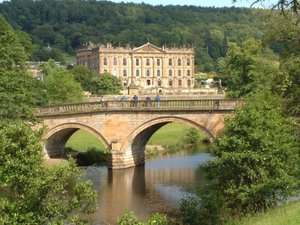
Ян Сиберехтс
1627 - 1703 , Бельгия
Основные сведения
- Artistic Movement Or Style: Барокко, Пейзаж
- Artists Or Movements Influenced By This Artist: ['Питер Тилемманс']
- Artists Who Influenced This Artist:
- Николаэс Берхем
- Карл Дудрин
- Date Of Birth: 1627
- Date Of Death: 1703
- Full Name: Jan Siberechts
- Nationality: Фламандский
- Notable Artworks:
- Лукка Мадонна
- Портрет Джованни Арнольфини и его жены
- Портрет Маргареты ван Эйк
- Place Of Birth: Антверпен, Бельгия