


 Предпросмотр
 Поделиться
 Поделиться
 Детали произведения

 Скачать
 Похожие работы
 Рентгенография
 Слайд-шоу
 Статистика
Vertumnus and Pomona


 Читать далее
Приобретите цифровое изображение высокого разрешения в улучшенном качестве, которое значительно превосходит онлайн-превью.
Каждый файл тщательно подготавливается нашими специалистами с использованием передовых инструментов и экспертной ручной ретуши. Мы гарантируем исключительную четкость, точную цветопередачу и детальную проработку каждого изображения.
Финальный файл доставляется по электронной почте в течение 72 часов и оптимизирован для немедленного использования в профессиональной среде, при верстке и печати. Это тот же уровень качества, которому доверяют ведущие дизайнерские студии, издательства и галереи.
Цифровое изображение
Скачайте файл высокого разрешения для личного использования, печати и творческих проектов. ( Перейти к печати Купить картину ручной работы)
Включено в каждый заказ цифровых изображений
Гарантия экспертной цифровой доставки
Выбирая ArtsDot.com, вы получаете не просто изображение — вы приобретаете профессионально обработанное цифровое произведение искусства, созданное с безупречной точностью и под защитой гарантии качества. Вот всё, что автоматически входит в ваш заказ:

Мгновенная доставка по e-mail
Ваш цифровой файл в высоком разрешении будет отправлен вам по электронной почте в течение 72 часов после оформления заказа — и сразу станет доступен для использования.

Цифровой файл с ИИ-улучшением
Ваше произведение искусства проходит профессиональную оптимизацию с использованием передовых инструментов ИИ и ручной обработки, что гарантирует максимальную детализацию, четкость и точность цветопередачи.

Бессрочная бесплатная повторная доставка
Случайно удалили или потеряли файл? Не беспокойтесь — мы отправим его вам повторно в любое время и совершенно бесплатно.

Без импортных пошлин — навсегда
Наслаждайтесь вашим произведением искусства мгновенно без таможенных пошлин, сборов или затрат на доставку — цифровые загрузки всегда не облагаются налогом.

Гарантия точности цветопередачи
Мы гарантируем, что ваше цифровое изображение максимально точно передает оригинальные цвета благодаря использованию профессиональных инструментов и систем управления цветом.

Гарантия удовлетворенности 100 дней
Если вы не будете удовлетворены своим цифровым изображением, мы внесем правки или вернем 100% стоимости в течение 100 дней — без лишних вопросов.

100% Гарантия возврата средств
Не удовлетворены покупкой? Получите полный возврат средств в течение 100 дней после получения цифрового файла — без лишних вопросов.

Скидки на оптовые заказы
Купите 3 изображения, сэкономьте 10% — Купите 5, сэкономьте 15% — Купите 10+, сэкономьте 20%. Отличное решение для творческих проектов, галерей и агентств.
A Quiet Encounter in the Golden Age
In the soft, dappled light of a seventeenth-century afternoon, Jan Tengnagel invites us into a moment of profound intimacy and mythological charm. His masterpiece, Vertumnus and Pomona, is far more than a mere depiction of two figures; it is a sensory journey into the heart of the Baroque era. The painting captures a tender, whispered conversation between Vertumnus, the god of seasonal change, and Pomona, the goddess of fruit trees and abundance. As they sit upon a rustic bench, the world around them seems to pause, held in a state of eternal grace. For the discerning collector or interior designer, this piece offers an unparalleled sense of tranquility, acting as a window into a lost era of classical elegance and pastoral romance.
The composition is a masterclass in the art of abundance. Before the seated pair lies a bountiful cornucopia of nature’s finest offerings—vibrant apples and sun-kissed oranges spill from a large basket, their textures rendered with such precision that one can almost sense their weight and sweetness. To the side, a delicate vase of flowers breathes life into the scene, while a small bird perched upon a nearby branch adds a fleeting, melodic note to the stillness. Tengnagel utilizes the characteristic Baroque technique of chiaroscuro, employing a sophisticated interplay of light and shadow to sculpt the figures from the background. This creates a breathtaking three-dimensionality, where the heavy drape of Vertumnus’s robe and the intricate patterns of Pomona’s attire possess a tactile reality that commands the viewer's attention.
Symbolism and the Art of Narrative
Beyond its visual splendor, Vertumnus and Pomona is steeped in rich allegorical meaning. The interaction between the elderly, bearded Vertumnus and the youthful, radiant Pomona serves as a poetic metaphor for the cyclical nature of time and the enduring power of love to bridge the gap between seasons. The lush, verdant backdrop of trees under a clear blue sky reinforces themes of fertility, growth, and the harmonious relationship between humanity and the natural world. Every element, from the ripening fruit to the delicate flora, acts as a symbol of prosperity and the rewards of patience.
For those looking to adorn a sophisticated living space or a curated gallery, this artwork provides a focal point of immense character. It possesses the rare ability to anchor a room with its historical gravity while simultaneously providing a sense of lightness through its naturalistic beauty. A high-quality reproduction of this work allows the warmth of Tengnagel’s palette and the depth of his storytelling to permeate a modern interior, offering an enduring connection to the humanist ideals and the exquisite craftsmanship of the Dutch Golden Age.
Похожие произведения
Биография художника
A Shadowy Master of the Golden Age
Jan Tengnagel, born in Amsterdam in 1584, remains a hauntingly beautiful yet shadowy figure within the vast annals of seventeenth-century Dutch painting. While history often reserves its brightest spotlights for luminaries such as Rembrandt or Vermeer, Tengnag nagel’s contribution to the burgeoning visual culture of the Dutch Golden Age deserves a profound and renewed appreciation. He was an artist whose life and work were defined by a delicate balance of local tradition and international inspiration, leaving behind a modest but deeply evocative oeuvre that speaks to the spiritual and social complexities of his era.
Though much of his personal history remains veiled by time, scholars believe Tengnagel’s artistic foundation was laid in the workshops of Amsterdam, likely receiving instruction under Frans Badens. This early training in allegorical painting and humanist ideals provided him with a sophisticated vocabulary of symbols and compositions. His work would later become deeply rooted in the stylistic currents of Pieter Lastman's workshop, a prestigious circle that shaped the trajectory of Dutch history painting. Through this lineage, Tengnagel developed a distinctive sensitivity to biblical narratives and religious iconography, allowing him to transform sacred stories into palpable, human experiences.
The Roman Pilgrimage and Stylistic Synthesis
A transformative chapter in Tengnagel’s life began in 1608, when he embarked on a journey to Rome. This pilgrimage was a rite of passage for many Dutch artists of the period, offering an immersive encounter with the grandeur of the papal court and the enduring legacies of the Italian Renaissance. In the sun-drenched streets of Rome, Tengnagel’s artistic vision underwent a significant evolution. He moved beyond the rigid structures of his early training to absorb the atmospheric nuances and meticulous realism found in the works of masters like Hans Memling and Pieter Steenwyck.
The influence of these encounters is woven into the very fabric of his later paintings. One can discern the quiet, meticulous detail characteristic of Northern realism blended with a new, Italianate sense of light and space. This synthesis allowed him to create works that were both intellectually rigorous and emotionally resonant. His ability to adapt foreign innovations to the Dutch sensibility is perhaps most evident in his mythological and religious subjects, where he captures moments of profound intimacy—such as the tender, whispered encounter between Vertumnus and Pomona—with a grace that feels both eternal and fleeting.
Legacy and the Art of the Civic Guard
Beyond his religious and mythological explorations, Tengnagel played a vital role in documenting the social fabric of Amsterdam. His involvement with the civic guards is immortalized in his 1613 portrait of the officers and guardsmen of the XIth District. This work serves as more than a mere record of faces; it is a vibrant window into the communal spirit and political prestige of the era. In these group portraits, Tengnagel demonstrated a remarkable ability to balance individual character with collective identity, capturing the pride of men like Captain Geurt Dircksz van Beuningen within a cohesive, celebratory composition.
Tengnagel’s life was also marked by significant personal connections that intertwined his destiny with the prominent families of Amsterdam. His marriage in 1611 to Meijnsje Simonsdr. Pynas, the sister of the celebrated painters Jan and Jacob Pynas, placed him at the very heart of the Dutch artistic elite. While his total output may be limited, the significance of his work lies in its quality and its role as a bridge between the late Renaissance and the height of the Dutch Golden Age. He remains a testament to the many "forgotten" masters whose subtle hands helped paint the magnificent tapestry of art history.
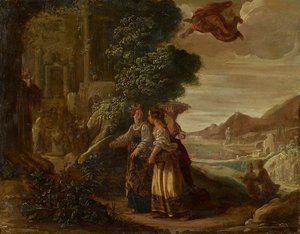
Jan Tengnagel
1584 - 1631 , Netherlands
Основные сведения
- Artistic Movement Or Style: Early Seventeenth Century Dutch Painting
- Artists Or Movements Influenced By This Artist: ['Hans Memling']
- Artists Who Influenced This Artist:
- Frans Badens
- Pieter Lastman
- Date Of Birth: Amsterdam, Netherlands (1584)
- Date Of Death: 1631
- Full Name: Jan Tengnagel
- Nationality: Dutch
- Notable Artworks:
- Vertumnus and Pomona
- Officers and other civic guardsmen of the XIth District of Amsterdam
- Place Of Birth: Amsterdam