

 Предпросмотр
 Поделиться
 Поделиться
 Детали произведения

 Скачать
 Похожие работы
 Рентгенография
 Слайд-шоу
 Статистика
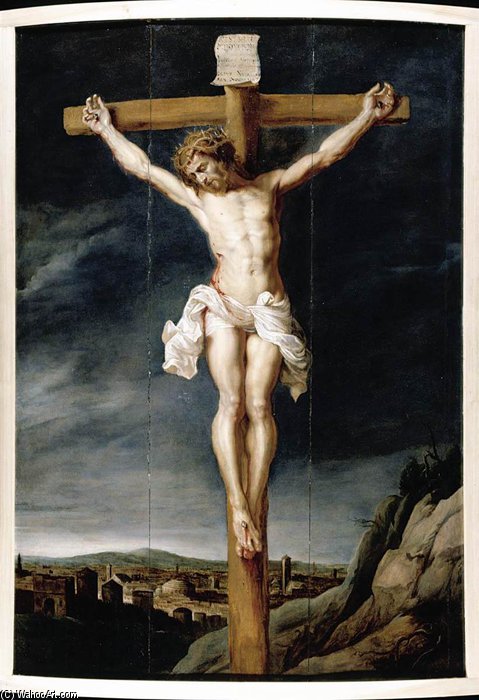
Christ On The Cross
 Читать далее
Приобретите цифровое изображение высокого разрешения в улучшенном качестве, которое значительно превосходит онлайн-превью.
Каждый файл тщательно подготавливается нашими специалистами с использованием передовых инструментов и экспертной ручной ретуши. Мы гарантируем исключительную четкость, точную цветопередачу и детальную проработку каждого изображения.
Финальный файл доставляется по электронной почте в течение 72 часов и оптимизирован для немедленного использования в профессиональной среде, при верстке и печати. Это тот же уровень качества, которому доверяют ведущие дизайнерские студии, издательства и галереи.
Цифровое изображение
Скачайте файл высокого разрешения для личного использования, печати и творческих проектов. ( Перейти к печати Купить картину ручной работы)
Включено в каждый заказ цифровых изображений
Гарантия экспертной цифровой доставки
Выбирая ArtsDot.com, вы получаете не просто изображение — вы приобретаете профессионально обработанное цифровое произведение искусства, созданное с безупречной точностью и под защитой гарантии качества. Вот всё, что автоматически входит в ваш заказ:

Мгновенная доставка по e-mail
Ваш цифровой файл в высоком разрешении будет отправлен вам по электронной почте в течение 72 часов после оформления заказа — и сразу станет доступен для использования.

Цифровой файл с ИИ-улучшением
Ваше произведение искусства проходит профессиональную оптимизацию с использованием передовых инструментов ИИ и ручной обработки, что гарантирует максимальную детализацию, четкость и точность цветопередачи.

Бессрочная бесплатная повторная доставка
Случайно удалили или потеряли файл? Не беспокойтесь — мы отправим его вам повторно в любое время и совершенно бесплатно.

Без импортных пошлин — навсегда
Наслаждайтесь вашим произведением искусства мгновенно без таможенных пошлин, сборов или затрат на доставку — цифровые загрузки всегда не облагаются налогом.

Гарантия точности цветопередачи
Мы гарантируем, что ваше цифровое изображение максимально точно передает оригинальные цвета благодаря использованию профессиональных инструментов и систем управления цветом.

Гарантия удовлетворенности 100 дней
Если вы не будете удовлетворены своим цифровым изображением, мы внесем правки или вернем 100% стоимости в течение 100 дней — без лишних вопросов.

100% Гарантия возврата средств
Не удовлетворены покупкой? Получите полный возврат средств в течение 100 дней после получения цифрового файла — без лишних вопросов.

Скидки на оптовые заказы
Купите 3 изображения, сэкономьте 10% — Купите 5, сэкономьте 15% — Купите 10+, сэкономьте 20%. Отличное решение для творческих проектов, галерей и агентств.
Похожие произведения
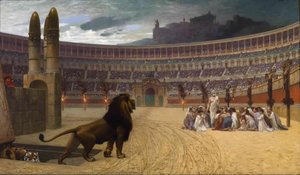
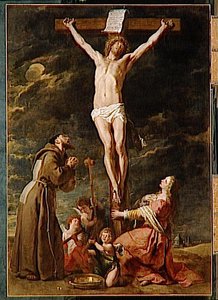
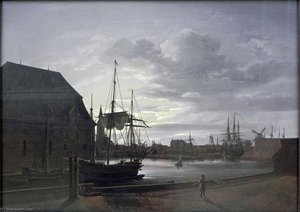
Биография художника
A Life Bridging Worlds: Jan van Boeckhorst and the Flourishing Antwerp Baroque
Born around 1604 in Münster, Westphalia, Jan van Boeckhorst embarked on a life that beautifully illustrates the interconnectedness of the European art world during the Baroque period. Initially destined for a religious vocation—he became a canon at seventeen—Boeckhorst’s true calling lay within the realm of painting. This shift in path speaks to a powerful artistic impulse that ultimately led him to Antwerp, then the vibrant heart of Flemish artistry. His father, Heinrich, held a prominent position as mayor of Münster, providing a secure upbringing, yet it was the allure of color and form that truly captured young Jan’s imagination. He began his formal studies around the age of twenty-two, setting in motion a career marked by collaboration with giants like Peter Paul Rubens and Anthony van Dyck, and a dedication to diverse artistic endeavors.From Religious Calling to Artistic Mastery
Boeckhorst's journey to becoming a respected painter was not straightforward. His early years within the Jesuit order instilled discipline and perhaps a sense of narrative purpose that would later inform his religious paintings. The move to Antwerp in the mid-1620s, with the intention of studying under Rubens, proved pivotal. While concrete evidence of direct tutelage remains elusive—a statement by Rubens’ nephew hints at this connection—a close working relationship undoubtedly developed during the 1630s. This association was crucial; Boeckhorst absorbed the dynamism and dramatic flair that characterized Rubens' style. Brief instruction from Jacob Jordaens, while Rubens was in London, further broadened his artistic horizons. Establishing himself as “Lange Jan” (Tall John) due to his stature, he quickly became a recognizable figure within Antwerp’s bustling art scene. A significant early commission—26 works for a chapel between 1626 and 1635, created in collaboration with Jan Wildens—though now lost, demonstrates the trust placed in his abilities even at an early stage of his career. His acceptance into the Antwerp Guild of Saint Luke in 1633-1634 solidified his position as a master craftsman within the artistic community.Collaboration and Innovation: Boeckhorst’s Artistic Development
Boeckhorst's talent lay not only in his individual creations but also in his remarkable ability to collaborate effectively with other leading artists of his time. His involvement in the 1635 “Joyous Entry” of Cardinal-Infante Ferdinand into Antwerp, working alongside Rubens, Gerard Seghers, and Jan Borchgraef, stands as a testament to his skill and reputation. He contributed architectural elements and figures – notably "Securitas" and "Salus Publica"—to the elaborate decorations, showcasing his versatility. A subsequent journey to Italy in 1635 further refined his artistic sensibilities, exposing him to classical influences that subtly enriched his Baroque style. Upon returning to Antwerp between 1636-1638, he continued collaborating with Rubens’ workshop on the Torre de la Parada hunting pavilion project for Philip IV of Spain, meticulously translating Rubens' oil sketches into full-scale decorations. Beyond painting, Boeckhorst demonstrated a remarkable range as a designer for tapestries—creating designs for eight depicting the myths of Apollo—and providing illustrations for Antwerp publishers, including the Breviarium Romanum and Missale Romanum. This multifaceted approach to art highlights his adaptability and entrepreneurial spirit.A Legacy of Versatility and Baroque Splendor
Jan van Boeckhorst’s artistic style is a compelling synthesis of influences—the dramatic energy of Rubens, the elegant refinement of Van Dyck, and the robust realism of Jordaens. He excelled in history paintings, tackling religious and mythological themes with skill and sensitivity. His allegorical works are imbued with symbolic depth, while his genre scenes offer glimpses into everyday life during the Baroque era. Following Rubens’ death in 1640, Boeckhorst completed several unfinished works by the master, demonstrating both respect for his predecessor and a mastery of his techniques. The sale of his extensive collection after his death on April 21, 1668—fetching a substantial 6,026 guilders—included a complete set of early Rubens drawings, underscoring his appreciation for artistic heritage. While relatively few paintings bear his signature and date, Boeckhorst’s collaborations with renowned artists and the quality of his surviving works attest to his importance within the Flemish art world. He remains a compelling figure, embodying the spirit of innovation and collaboration that defined Antwerp's golden age of Baroque painting.Themes and Techniques
- Baroque Dynamism: Boeckhorst’s paintings are characterized by movement, drama, and emotional intensity—hallmarks of the Baroque style.
- Classical Influences: His time in Italy exposed him to classical art, which subtly informed his compositions and figure studies.
- Religious Narrative: Many of his works depict biblical scenes or allegorical representations of religious concepts, reflecting the devout atmosphere of Antwerp.
- Versatile Technique: Boeckhorst was proficient in oil painting, tapestry design, and illustration, demonstrating a broad range of artistic skills.
- Collaboration as Key: His frequent collaborations with other artists highlight the collaborative nature of art production during the Baroque period.
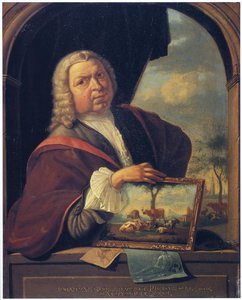
Jan van Boeckhorst
1604 - 1668 , Germany
Основные сведения
- Artistic Movement Or Style: Baroque
- Artists Who Influenced This Artist:
- Peter Paul Rubens
- Anthony van Dyck
- Jacob Jordaens
- Date Of Birth: c. 1604
- Date Of Death: 1668
- Full Name: Jan van Boeckhorst
- Nationality: Flemish
- Notable Artworks:
- Christ On The Cross
- Alexander the Great crowns Roxana
- The Martyrdom of Saint Sebastian
- Place Of Birth: Münster, Germany