

 Предпросмотр
 Поделиться
 Поделиться
 Детали произведения

 Скачать
 Похожие работы
 Рентгенография
 Слайд-шоу
 Статистика
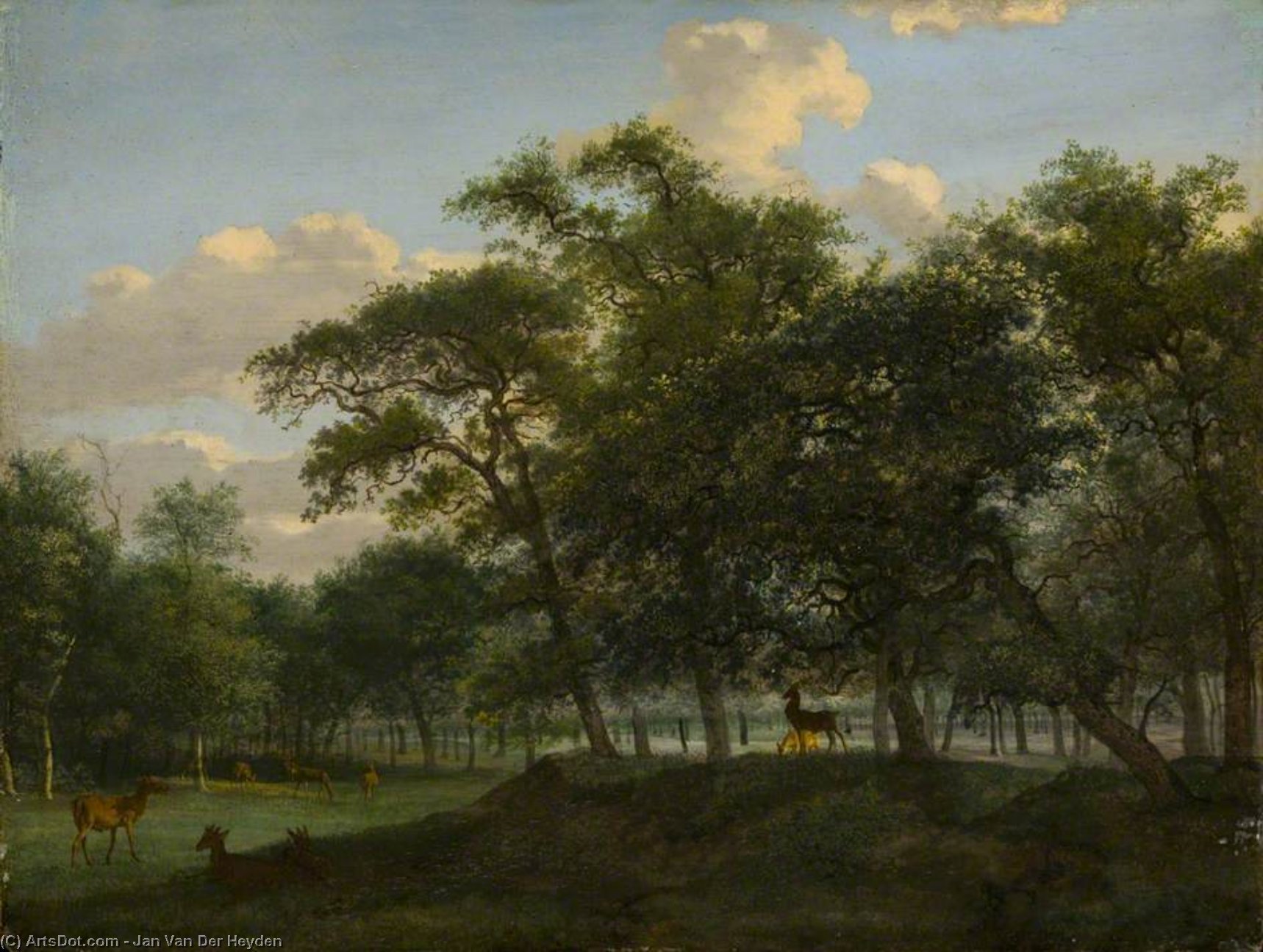
Wooded Park Landscape with Deer

 Читать далее
Жикле / Арт-принт
Печать (жикле) или холст музейного качества с быстрыми сроками изготовления и широким выбором вариантов отделки. ( Купить картину ручной работы Перейти к цифровым изображениям)




P118B $10

P118H $10

P118W $10

P438Z $10

P508JH $12

P508YH $12

P805H $10

P805Z $10

P919BZ $10

P919G $10

P919XJ $10

P959ZH $10

P968JZ $12

W106C $8

W218G $10

W218JH $8

W218Y $10

W307PJ $10

W316G $10

W316PJ $8

W316Y $10

W398PJ $8

W4111J $10

W500HY $15

W500JH $15

W692G $12

W849H $8

W940BG $15

W953PJ $8




Выберите один из наших стандартных размеров, соответствующих оригинальным пропорциям произведения искусства.

Вы можете указать свои собственные размеры, чтобы репродукция идеально подошла под конкретную раму или пространство. Если выбранный вами размер не будет соответствовать пропорциям оригинала, мы либо обрежем произведение, либо дополним изображение зеркальным отражением краев или однотонной заливкой. Перед началом производства вам будет отправлен цифровой макет для утверждения.
Пожалуйста, обратите внимание, что предварительный просмотр на экране не отображает фактическую обрезку или расширение изображения. Только макет точно покажет финальную композицию.
Несмотря на возможность заказа индивидуальных размеров, мы рекомендуем выбирать размер из предопределенного списка, чтобы сохранить оригинальные пропорции.
Доставка по всему миру () за 2 недели вместо стандартных 4/5 недель. (11 Сентябрь)

Бесплатная экспресс-доставка по всему миру

Высококачественный льняной холст

Полное страхование доставки

Гарантия возмещения таможенных пошлин

Гарантия точного соответствия цветов

100-дневная политика возврата (только при обнаружении дефектов)

Гарантия возврата 100% средств

Предложение оптовых скидок
 Вариант со стеклом доступен только для размеров менее 110 см

Wooded Park Landscape with Deer
Жикле / Арт-принт
Размер репродукции
-


Итоговая стоимость
$ 62
A Serene Glimpse into Dutch Golden Age Nature
This captivating artwork presents a "Wooded Park Landscape with Deer," a quintessential example of traditional Dutch landscape painting reminiscent of the esteemed Golden Age. Jan van der Heyden, known primarily for his architectural depictions of Amsterdam, demonstrates here a remarkable talent for capturing the tranquility and beauty of nature. The scene unfolds as a peaceful clearing within a dense forest, populated by several deer grazing contentedly. The composition is carefully balanced; towering trees dominate the upper portion, while an open field gently leads the eye towards a softly rendered horizon. This creates a sense of depth despite the slightly flattened perspective, achieved through skillful layering and diminishing scale – hallmarks of Dutch landscape artistry.Style & Technique: A Masterful Blend of Realism
Van der Heyden’s style is firmly rooted in the observational traditions of the Dutch Golden Age. He meticulously renders natural elements with a keen eye for detail, prioritizing realism and atmospheric effects. The painting utilizes oil on canvas, allowing for rich color blending and subtle gradations that contribute to the overall sense of serenity. Noticeable brushstrokes add texture – particularly evident in the foliage and earth – enhancing the impression of a slightly rough, tangible surface. The lighting is soft and diffused, bathing the scene in a gentle glow that further emphasizes the peaceful atmosphere. The palette is dominated by earthy greens and browns, punctuated by muted blues and yellows in the sky, creating a harmonious and calming visual experience.Historical Context & Artistic Significance
Created during Jan van der Heyden’s career (1637-1712), this piece reflects the Dutch Golden Age's fascination with depicting everyday life and natural beauty. While Van der Heyden is celebrated for his townscapes, this work showcases a versatility that expands our understanding of his artistic range. The popularity of landscape painting during this period stemmed from a growing appreciation for nature amongst the burgeoning middle class, who sought to bring elements of the countryside into their homes. This artwork aligns with that trend, offering a window into the idealized pastoral landscapes valued by Dutch society at the time.Symbolism & Emotional Resonance
Beyond its aesthetic appeal, this landscape carries symbolic weight. Deer have long been associated with gentleness, grace, and harmony – qualities reflected in the overall mood of the painting. The scene evokes themes of tranquility, a peaceful coexistence between humans and nature, and a sense of pastoral idyll. The artwork invites viewers to pause and appreciate the simple beauty of the natural world, offering a respite from the bustle of daily life. It’s an invitation to connect with a timeless vision of serenity and balance – a feeling that can enrich any space it graces.Похожие произведения

Биография художника
Jan van der Heyden: A Master of Urban Light and Ingenious Innovation
Jan van der Heyden, born in the bustling city of Gorinchem in 1637, stands as a remarkably complex figure in Dutch Golden Age art and engineering. More than just a painter capturing the vibrant scenes of Amsterdam and beyond, he was an innovator, a meticulous observer, and a pivotal contributor to urban planning and firefighting technology. His life story is one of artistic evolution intertwined with practical ingenuity – a testament to a mind that seamlessly blended aesthetic vision with pragmatic solutions. His early years were steeped in the traditions of his Mennonite family, but it was his relocation to Amsterdam in 1646 that truly ignited his artistic trajectory, placing him at the heart of a burgeoning urban landscape and exposing him to new influences.- Early Influences: While specific details about his early training remain somewhat elusive, it’s believed he received foundational instruction from his brother, Goris van der Heyden, a skilled craftsman specializing in mirrors – a craft demanding precision and attention to detail that undoubtedly informed Van der Heyden's later work. Some scholars suggest an apprenticeship with Jacob van der Ulft, a renowned glass painter from Gorinchem, further honing his drafting skills and understanding of color application. This early exposure to the reflective qualities of glass may have subtly shaped the clarity and meticulousness evident in his paintings.
- From Decorative Arts to Architectural Precision: Van der Heyden’s artistic path gradually shifted towards a specialization that would secure his place in art history: the depiction of townscapes. He emerged as one of the first Dutch artists to dedicate himself almost entirely to this genre, becoming a leading architectural painter of his time. Unlike many of his contemporaries who focused on portraits or historical scenes, Van der Heyden turned his gaze to the bustling streets and stately canals of Amsterdam and beyond.
Capturing the Essence of the Dutch City
Van der Heyden’s paintings are characterized by an extraordinary level of realism and detail – a remarkable achievement for his time. He didn't simply record buildings; he captured the *atmosphere* of the city, conveying its energy, light, and social life. His canvases offer meticulously detailed views not only of his adopted city but also of other Dutch, Flemish, and German urban centers. Works like *View of Oudezijds Voorburgwal with the Oude Kerk in Amsterdam* exemplify this dedication to realism, capturing the play of light on brickwork, the textures of cobblestone streets, and the lively atmosphere of 17th-century life. He wasn’t interested in idealized representations; instead, he presented a truthful, almost photographic, depiction of urban reality. His compositions often featured a dynamic interplay of figures and architectural elements, creating a sense of movement and immediacy.- Architectural Fantasies: Notably, Van der Heyden wasn’t limited to simply documenting existing structures. He also created “architectural fantasies,” imaginative compositions blending elements from different buildings and styles – a technique that foreshadowed later developments in architectural illustration and design. These works demonstrate a playful creativity alongside his technical mastery.
- Light and Shadow: Van der Heyden’s masterful use of light and shadow is particularly noteworthy. He meticulously observed how sunlight interacted with the surfaces of buildings, creating dramatic contrasts and highlighting key features. This attention to detail elevated his paintings beyond mere topographical representations, transforming them into evocative studies of urban space.
Beyond the Brush: An Engineer’s Vision
However, Van der Heyden's contributions extended far beyond the realm of art. He was a practical inventor and engineer who actively sought solutions to real-world problems, most notably in the area of firefighting – a critical concern for densely populated cities like Amsterdam. In 1672, collaborating with his brother Nicolaes – a hydraulic engineer – he devised significant improvements to the fire hose, addressing a major bottleneck in firefighting efforts. This wasn’t merely a minor adjustment; it was a revolutionary advancement that dramatically increased the efficiency of water delivery. He didn't stop there. Van der Heyden reorganized Amsterdam’s volunteer fire brigade in 1685, implementing more efficient strategies and protocols, transforming a chaotic system into a coordinated force for public safety. His dedication culminated in the publication of *Brandspuiten-boek*, widely considered the first comprehensive firefighting manual – a detailed guide complete with his own meticulously drawn illustrations. This work wasn’t just a technical document; it was a testament to his commitment to protecting the city and its inhabitants.- Street Lighting Innovation: Perhaps Van der Heyden's most enduring legacy is his design and implementation of a comprehensive street lighting scheme for Amsterdam, which illuminated the city’s streets for over a century. This innovative system dramatically improved nighttime visibility and security, becoming a model adopted by towns and cities across Europe.
A Lasting Legacy
Jan van der Heyden died in 1712 as a wealthy man, leaving behind a substantial estate that included over seventy of his own paintings – a remarkable testament to both his productivity and the value placed on his work during his lifetime. His only known pupil was his son, Jan, who continued some aspects of his father’s artistic legacy. Van der Heyden's influence resonated through subsequent generations of artists, particularly those specializing in architectural painting. He provided valuable insights into 17th-century urban life and architecture, offering a visual record of cities as they existed during that period. His detailed depictions serve as invaluable historical documents for modern scholars. His innovative approach to townscapes, combined with his practical engineering contributions, cemented his position as a unique and multifaceted figure in Dutch history. He wasn’t simply an artist capturing the world around him; he was actively shaping it, improving the lives of those who inhabited it. Van der Heyden's legacy endures not only through his captivating paintings but also through the enduring impact of his inventions on urban safety and infrastructure.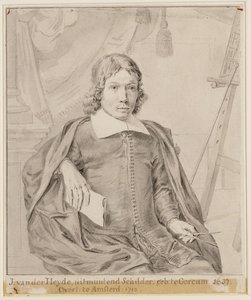
Ян ван дер Хейден
1637 - 1712 , Нидерланды
Основные сведения
- Artistic Movement Or Style: Голландская золотая эра, барокко
- Artists Or Movements Influenced By This Artist: ['18-й век, Венеция']
- Artists Who Influenced This Artist: ['Якоб ван дер Ульт']
- Date Of Birth: 1637
- Date Of Death: 1712
- Full Name: Jan van der Heyden
- Nationality: Нидерландский
- Notable Artworks:
- Вид на Оудезидс Воорбувал
- Поле для стрельбы из пожарных машин
- Архитектурная фантазия
- Place Of Birth: Горихтем, Нидерланды
Похожие статьи

Golden Age Reflections: Dutch Baroque Painting & Cultural Innovation
Explore the Dutch Golden Age of painting! Discover key artists like Vermeer & ter Borch, their innovative techniques, and the rich cultural context behind these Baroque masterpieces. Learn about collecting & appreciating this iconic art period.
Golden Light & Dutch Skies: Bringing the Magic of Dutch Golden Age Landscapes into Your Home
Transform your home with the breathtaking light of Dutch Golden Age landscapes. Discover how hand-painted oil reproductions of masterworks like Ruisdael and Vermeer bring timeless elegance, atmosphere, and soulful texture to modern interiors. Elevate your space with museum-quality art.
Charles Leickert: Capturing the Dutch Golden Age Light – A Comprehensive Study of Technique, Context, and Legacy
Explore the captivating winter landscapes of Charles Leickert, a master of Dutch Golden Age light & atmosphere. Discover his techniques, symbolism, and lasting legacy – a comprehensive study for art enthusiasts and collectors.
Nicolaes Berchem: Dutch Golden Age Pastoralism & the Evolution of Landscape Painting
Explore the captivating world of Nicolaes Berchem, a leading Dutch Golden Age painter. Discover his idyllic landscapes, masterful technique & lasting influence on art history. Learn more at ArtsDot.

Золотой век Голландии: 10 шедевров, изменивших искусство | ArtsDot.com
Погрузитесь в эпоху Золотого века Нидерландов! 10 шедевров Рембрандта, Вермеера и других мастеров. Узнайте истории создания культовых картин и вдохновитесь для интерьера. Репродукции музейного качества на ArtsDot.com.