

 Предпросмотр
 Поделиться
 Поделиться
 Детали произведения

 Скачать
 Похожие работы
 Рентгенография
 Слайд-шоу
 Статистика
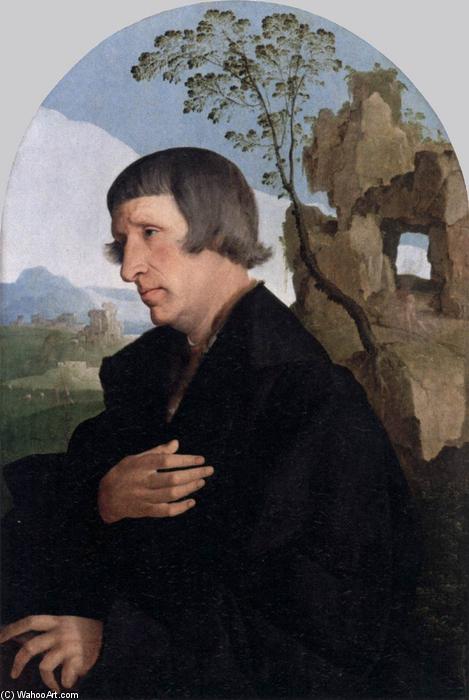
Portrait of a Man
 Oil On Canvas
- WallArt
- Northern Renaissance
 1525
1525 66.0 x 44.0 cm
 Стейтлешские музеи Берлина
 Читать далее
Масляная репродукция ручной работы
Картина маслом на холсте в выбранном вами размере и раме, написанная на заказ нашими художниками. ( Перейти к печати Перейти к цифровым изображениям)




P118B $10

P118H $10

P118W $10

P438Z $10

P508JH $12

P508YH $12

P805H $10

P805Z $10

P919BZ $10

P919G $10

P919XJ $10

P959ZH $10

P968JZ $12

W106C $8

W218G $10

W218JH $8

W218Y $10

W307PJ $10

W316G $10

W316PJ $8

W316Y $10

W398PJ $8

W4111J $10

W500HY $15

W500JH $15

W692G $12

W849H $8

W940BG $15

W953PJ $8




Выберите один из наших стандартных размеров, соответствующих оригинальным пропорциям произведения искусства.

Вы можете указать собственные размеры, чтобы картина идеально вписалась в выбранную раму или пространство. Если выбранный вами размер не соответствует пропорциям оригинала, мы либо обрежем полотно, либо расширим его за счет дополнительных элементов, написанных вручную. Цифровой макет будет отправлен вам на утверждение перед началом производства.
Обратите внимание, что предварительный просмотр на экране не отражает фактическую обрезку или расширение. Только макет точно покажет окончательную композицию.
Хотя доступны индивидуальные размеры, мы рекомендуем выбирать вариант из предопределенного списка, чтобы сохранить исходные пропорции.
После оформления заказа команда ArtsDot.com свяжется с клиентом по электронной почте для уточнения деталей и предоставит предварительный макет
Доставка по всему миру () за 3–4 недели вместо стандартных 5 недель. (11 Сентябрь). Без компромиссов в качестве.

Бесплатная экспресс-доставка по всему миру

Высококачественный льняной холст

Полное страхование доставки

Гарантия возмещения таможенных пошлин

Гарантия точного соответствия цветов

100-дневная политика возврата (только при обнаружении дефектов)

Гарантия возврата 100% средств

Предложение оптовых скидок
 Вариант со стеклом доступен только для размеров менее 110 см

Portrait of a Man
Техника репродукции
Размер репродукции
-


Итоговая стоимость
$ 263
A Portrait of Quiet Intensity: Jan van Eyck’s Self-Portrait
The year is 1433. Bruges, a burgeoning center of commerce and art in the Low Countries, hums with activity – the clang of blacksmiths' hammers, the chatter of merchants, and the meticulous brushstrokes of artists striving to capture the essence of their subjects. Within this vibrant scene, Jan van Eyck, one of the most innovative painters of his time, embarked on a remarkably intimate undertaking: a self-portrait, now known as “Portrait of a Man (Self Portrait?)”. This small panel, measuring just over 30 centimeters in height and width, is far more than a simple likeness; it’s a profound meditation on identity, aging, and the artist's own considered gaze.
Van Eyck, already renowned for his technical mastery – particularly evident in works like the “Arnolfini Portrait” – pushed the boundaries of portraiture with this piece. He eschewed the idealized beauty often favored by his contemporaries, instead presenting a strikingly honest depiction of himself. The sitter is not youthful or heroic; he’s a man in his middle years, marked by the subtle lines etched into his face, the slight droop of his eyelids, and the stubble clinging to his chin. These imperfections – the wrinkles around his eyes, the pronounced jawline, the slightly bloodshot gaze – are rendered with an astonishing level of detail, reflecting Van Eyck’s meticulous observation and unparalleled skill in capturing texture and light.
The Language of Detail: Technique and Materials
What immediately distinguishes this portrait is Van Eyck's revolutionary use of oil paint. While the medium was gaining traction at the time, he employed it with a boldness that set him apart. He layered thin glazes of color upon each other, building up complex textures and luminous effects. The meticulous application is evident in every detail – the individual strands of hair, the folds of his robe, the subtle sheen on the polished wood of the frame. The use of ultramarine blue, a pigment derived from lapis lazuli (a stone incredibly rare and expensive at the time), adds to the portrait’s richness and depth.
Furthermore, Van Eyck's mastery of perspective is remarkable for its scale. The sitter occupies almost the entire panel, creating an immediate sense of intimacy. He employs a technique known as “aerial perspective,” subtly blurring details in the background to create a sense of distance and atmospheric depth. The use of light – diffused and natural – illuminates the subject’s face, highlighting his features and drawing the viewer's eye directly into his gaze. The portrait is not merely a representation; it’s an immersive experience.
Symbolism and Introspection
Beyond its technical brilliance, “Portrait of a Man (Self Portrait?)" is laden with symbolic meaning. The prominent headdress, a chaperon or cornette, was a symbol of status and wealth – a subtle indication of Van Eyck’s position within the artistic community. The directness of his gaze is particularly striking; it feels almost confrontational, as if the artist is challenging the viewer to truly see him, to acknowledge his own humanity. Some scholars believe that the portrait was intended not just as a likeness but also as a statement about the role of the artist – a witness to his time, capturing both the beauty and the burdens of human existence.
The inscription at the top of the frame, “Als Ich Can” (As I can), is a testament to Van Eyck’s confidence in his abilities. It's a playful assertion of his unique skill set – a reminder that he alone possessed the capacity to render such intricate detail and profound emotion. This self-referential inscription elevates the portrait beyond a simple likeness, transforming it into a declaration of artistic identity.
A Timeless Masterpiece: Reproduction and Legacy
Today, “Portrait of a Man (Self Portrait?)" resides in the National Gallery, London, where it continues to captivate viewers with its arresting realism and psychological depth. Reproductions offer an accessible way to experience this extraordinary work of art, allowing us to appreciate Van Eyck’s genius on a personal level. When selecting a reproduction, consider the quality of materials – archival inks and fine-art paper will ensure that the colors remain vibrant for generations to come. This portrait is more than just an image; it's a window into the mind of a master artist, inviting us to contemplate the complexities of human identity and the enduring power of art.
Похожие произведения
Биография художника
Ранние годы и обучение
Ян ван Скорл, выдающийся голландский живописец, родился в 1495 году в Схорле, Нидерланды. Хотя подробности его ранней жизни и обучения задокументированы не полностью, искусствоведы полагают, что он перенимал мастерство у различных великих учителей того времени, среди которых были Питер Герритсз в Харлеме, Якоб Корнелиз в Амстердаме или Ян Госсарт в Утрехте.Карьера и влияния
Путешествия привели ван Скорла в Италию, где он глубоко прочувствовал и впитал итальянскую манеру письма, став одним из основоположников романского стиля. Его творчество находилось под сильным влиянием Джорджоне, а также ознаменовалось творческим взаимодействием с Мартену ван Хемскерком. В своих поздних работах ван Скорл мастерски воссоздавал впечатления от паломничества в Иерусалим, демонстрируя уникальный синтез нидерландской традиции и итальянского изящества.Значимые произведения и наследие
К числу наиболее выдающихся работ ван Скорла относятся:- «Сиппеналтар» (1520), завершенный в деревне Обервеллах;
- портреты, алтарные образы и пейзажи, многие из которых, к сожалению, были утрачены во время иконоборчества периода Реформации;
- совместные проекты с Мартеном ван Хемскерком и влияние Микеланджело.
Художественный стиль и значение
Ключевые аспекты стиля ван Скорла:- гармоничное слияние итальянских и нидерландских художественных влияний;
- использование романского стиля в нидерландской живописи;
- сотрудничество с выдающимися мастерами своей эпохи.
Дополнительная литература и ресурсы
Для получения более подробной информации о Яне ван Скорле и его произведениях, посетите: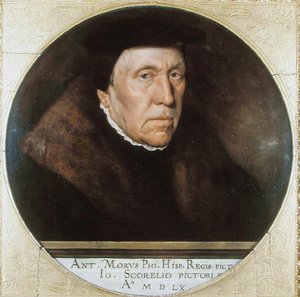
Ян Ван Скорл
1495 - 1562 , Нидерланды
Основные сведения
- Artistic Movement Or Style: Романизм, Ренессанс
- Artists Or Movements Influenced By This Artist:
- Maarten van Heemskerck
- Итальянский Ренессанс
- Artists Who Influenced This Artist:
- Pieter Gerritsz
- Jacob Cornelisz
- Jan Gossaert
- Giorgione
- Date Of Birth: 1495-08-01
- Date Of Death: 1562-12-06
- Full Name: Ян ван Скорел
- Nationality: Голландский
- Notable Artworks:
- Sippenaltar
- Мария Магдалина (Scorel)
- Place Of Birth: Схорл, Нидерланды
Похожие статьи
Топ-10 шедевров Раннего Нидерландского Возрождения: искусство для вашего дома
Погрузитесь в мир Раннего Нидерландского Возрождения! Узнайте истории создания шедевров Яна ван Эйка, Кампена и других великих мастеров. Купите высококачественные репродукции картин для вашего интерьера на ArtsDot.com.
Illuminating Realism: A Comprehensive Exploration of the Early Netherlandish Renaissance Movement
Explore the captivating world of Early Netherlandish painting! Discover Jan van Eyck & other Flemish masters, their revolutionary techniques, hidden symbolism, and lasting legacy. A comprehensive guide for art enthusiasts.

Рембрандт ван Рейн: Топ-25 шедевров великого голландского мастера | ArtsDot
Погрузитесь в мир великого Рембрандта! 25 шедевров голландского барокко, истории создания картин и уникальные техники художника. Купите репродукции картин Рембрандта высочайшего качества для вашего интерьера на ArtsDot.com
10 Шедевров Раннего Нидерландского Живописи: История Искусства в Вашем Интерьере
Погрузитесь в мир Раннего нидерландского живописи! Откройте 10 шедевров Яна ван Эйка, Рогира ван дер Вейдена и других мастеров. История искусства, техника исполнения и вдохновение для вашего интерьера на ArtsDot.com.
Jan van Eyck: Innovation, Symbolism & the Dawn of Early Netherlandish Painting
Explore the revolutionary art of Jan van Eyck! Discover his groundbreaking oil painting techniques, hidden symbolism, and lasting impact on the Early Netherlandish Renaissance. A deep dive for art enthusiasts.