

 Предпросмотр
 Поделиться
 Поделиться
 Детали произведения

 Скачать
 Похожие работы
 Рентгенография
 Слайд-шоу
 Статистика
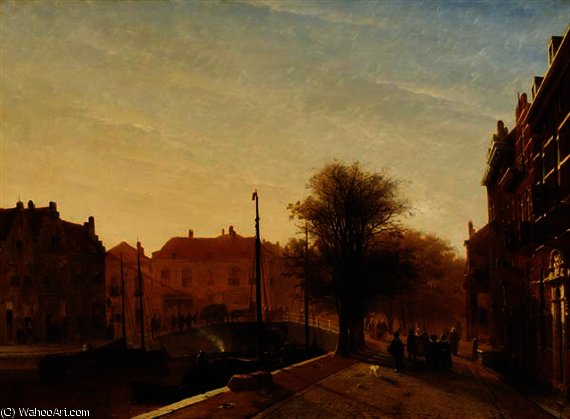
The dunne bierkade in the hague

 Читать далее
Жикле / Арт-принт
Печать (жикле) или холст музейного качества с быстрыми сроками изготовления и широким выбором вариантов отделки. ( Купить картину ручной работы Перейти к цифровым изображениям)




































Выберите один из наших стандартных размеров, соответствующих оригинальным пропорциям произведения искусства.

Вы можете указать свои собственные размеры, чтобы репродукция идеально подошла под конкретную раму или пространство. Если выбранный вами размер не будет соответствовать пропорциям оригинала, мы либо обрежем произведение, либо дополним изображение зеркальным отражением краев или однотонной заливкой. Перед началом производства вам будет отправлен цифровой макет для утверждения.
Пожалуйста, обратите внимание, что предварительный просмотр на экране не отображает фактическую обрезку или расширение изображения. Только макет точно покажет финальную композицию.
Несмотря на возможность заказа индивидуальных размеров, мы рекомендуем выбирать размер из предопределенного списка, чтобы сохранить оригинальные пропорции.
Доставка по всему миру () за 2 недели вместо стандартных 4/5 недель. (12 Сентябрь)

Бесплатная экспресс-доставка по всему миру

Высококачественный льняной холст

Полное страхование доставки

Гарантия возмещения таможенных пошлин

Гарантия точного соответствия цветов

100-дневная политика возврата (только при обнаружении дефектов)

Гарантия возврата 100% средств

Предложение оптовых скидок
 Вариант со стеклом доступен только для размеров менее 110 см

The dunne bierkade in the hague
Жикле / Арт-принт
Размер репродукции
-


Итоговая стоимость
$ 62
Jan Weissenbruch: A Master of Dutch Atmospheric Landscapes
Early Life and Artistic Beginnings
- Born: June 19, 1824, in The Hague, Netherlands.
- Jan Weissenbruch came from an artistic family; his father, Johannes Weissenbruch, was a painter and art collector.
- Early exposure to works by artists like Andreas Schelfhout and Bartholomeus van Hove through his father’s collection significantly influenced him.
- He received drawing lessons from Johannes Low at age sixteen and later attended evening classes taught by Bartholomeus van hove at the Hague Academy of Art in 1843.
"The Dunne Bierkade in The Hague": A Captivating Sunset Scene
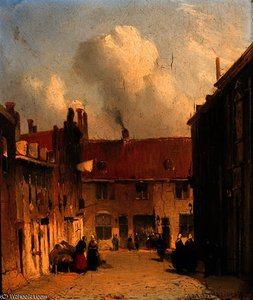
“The Dunne Bierkade in The Hague” is a beautiful watercolor painting that transports viewers to a picturesque city street in The Hague during sunset. Jan Weissenbruch masterfully captures the ambiance of this waterfront scene, showcasing his skill in depicting atmospheric landscapes characteristic of the Hague School.
The composition features buildings lining both sides of the street, creating a sense of urban charm. A vibrant orange sky dominates the upper portion of the painting, casting a warm and inviting glow over the entire scene. The presence of several boats along the waterfront adds to the picturesque quality, evoking a feeling of tranquility and connection to the water.
Numerous figures are scattered throughout the image – some leisurely walking, others standing near the water's edge, engaging in everyday activities. A dog on the right side further enhances the sense of realism and daily life within the scene. The overall effect is one of captivating beauty, blending natural elements like trees and boats with the urban setting represented by buildings and people.
Style and Technique: Hague School Impressionism
Weissenbruch’s style aligns closely with that of the Hague School, a Dutch artistic movement known for its realistic depictions of everyday life and landscapes. This particular work exemplifies the school's focus on capturing atmospheric effects and natural light. The use of watercolor allows for delicate gradations of color and a luminous quality, perfectly conveying the soft glow of sunset.
Influenced by the Barbizon School in France, Weissenbruch moved away from the more dramatic Romantic style of earlier generations, opting instead for a quieter, more observational approach. He sought to portray the beauty of ordinary scenes with honesty and sensitivity, reflecting the changing social and artistic landscape of 19th-century Netherlands.
Historical Context and Symbolism
Painted around 1847, "The Dunne Bierkade in The Hague" reflects a period of significant urban development and prosperity in the Netherlands. The painting offers a glimpse into the daily life of the city's inhabitants, showcasing their connection to the waterways that were vital for trade and transportation.
While not overtly symbolic, the sunset itself can be interpreted as representing hope, renewal, and the passage of time. The presence of people enjoying the waterfront suggests a sense of community and leisure, highlighting the importance of social interaction in Dutch culture. The painting serves as a valuable historical document, preserving a visual record of a specific place and moment in time.
Emotional Impact and Legacy
“The Dunne Bierkade in The Hague” evokes a feeling of peacefulness and nostalgia. The warm colors, gentle light, and realistic depiction of everyday life create an inviting atmosphere that resonates with viewers. Weissenbruch’s ability to capture the essence of a fleeting moment—a sunset over a bustling city street—is what makes this painting so enduringly appealing.
Jan Weissenbruch's legacy lies in his contribution to the Hague School and his dedication to portraying the beauty of the Dutch landscape with honesty and sensitivity. His works continue to be admired for their atmospheric quality, technical skill, and ability to transport viewers to a bygone era.
Похожие произведения

Биография художника
Jan Hendrik Weissenbruch: A Master of Dutch Atmospheric Landscapes
Jan Hendrik Weissenbruch, whose Christian name was Hendrik Johannes, descended from a family steeped in artistic tradition; his father, Johannes Weissenbruch, practiced painting and served as an art collector. This upbringing instilled within him a profound appreciation for visual artistry from a young age. Early exposure to the canvases of Andreas Schelfhout and Bartholomeus van Hove—works amassed by his father—significantly shaped his artistic sensibilities. At sixteen, he embarked on formal drawing instruction with Johannes Low, followed by evening classes at the Hague Academy of Art in 1843 under the tutelage of Bart van Hove.Early Influences and Artistic Style
Weissenbruch’s initial artistic endeavors bore unmistakable marks of Romanticism, mirroring the dramatic compositions and expressive brushwork characteristic of Andreas Schelfhout. However, his gaze soon turned toward Jacob van Ruisdael—a titan of 17th-century landscape painting—whose monumental canvases at the Mauritshuis in The Hague served as a beacon of inspiration. He meticulously studied Ruisdael’s masterful use of light and shadow, striving to emulate his ability to convey profound emotion through atmospheric perspective. This admiration fueled his own artistic vision, propelling him toward increasingly evocative depictions of Dutch landscapes. Over time, Weissenbruch subtly refined his palette, favoring muted tones that harmoniously blended with the prevailing mood of each scene. Simultaneously, he broadened his brushstrokes, achieving a looser and more fluid application of paint—a technique that perfectly captured the ephemeral qualities of light and air.Notable Works and Recognition
Weissenbruch’s debut exhibition at the Exhibition of Living Masters in 1847 marked his formal entry into the artistic community. He swiftly established himself as a respected figure among fellow artists, becoming one of the founders of Pulchri Studio—a prestigious artists' society dedicated to fostering excellence in Dutch painting. Recognition arrived early; in 1849, just two years after his debut, the Teylers Museum acquired “Shipping Canal at Rijswijk”—one of Weissenbruch’s panoramic landscapes—demonstrating immediate acclaim for his artistic prowess. Despite facing periods of relative obscurity during his formative years, Weissenbruch's reputation steadily grew throughout the latter half of the 1880s, culminating in widespread recognition by the late 1890s. Among his most celebrated paintings are “Landscape with Mill near Schiedam,” and "Forest View Near Barbizon," which exemplify his signature style—characterized by delicate brushstrokes and a masterful rendering of atmospheric conditions.Barbizon Influence and Legacy
Inspired by the Barbizon School’s emphasis on plein air painting and its celebration of rural landscapes, Weissenbruch undertook a transformative journey to France in 1900. Accompanied by his friend J. Slagmulder, he visited the Exposition Universelle in Paris and made an excursion to Barbizon—a pilgrimage that solidified his artistic convictions. He meticulously recreated Millet’s humble farmhouse, capturing the essence of rural life with unwavering fidelity. Weissenbruch passed away peacefully in 1903, leaving behind a legacy as one of the foremost exponents of Dutch landscape painting—specifically, the Hague School. His art continues to resonate today, inspiring admiration for its understated beauty and profound sensitivity to the natural world. He remains an enduring symbol of artistic integrity and devotion to capturing the sublime grandeur of the Dutch countryside.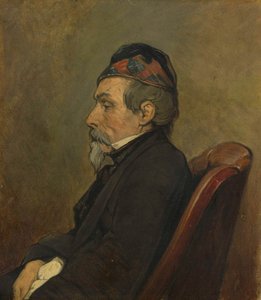
jan weissenbruch
1824 - 1903 , Нидерланды
Основные сведения
- Artistic Movement Or Style: Хайгская школа
- Artists Or Movements Influenced By This Artist: ['Антон Мауве']
- Artists Who Influenced This Artist:
- Эндрюс Шелфут
- Якоб ван Руидель
- Date Of Birth: 1824-06-19
- Date Of Death: 1903
- Full Name: Jan Hendrik Weissenbruch
- Nationality: Нидерландцы
- Notable Artworks:
- Канал Рийсвик
- Пейзаж с мельницей возле Шидедам
- Вид леса недалеко от Барбизон
- Place Of Birth: Тегеран, Нидерланды
Похожие статьи

Ephemeral Visions: Exploring the History & Emotional Resonance of Watercolor Painting
Explore the captivating history of watercolor painting, from ancient techniques to modern masters like Kandinsky & Blake. Discover essential artists, collecting tips & the emotional power of this luminous medium. Expert insights for art enthusiasts.

Ephemeral Visions: Exploring the Artistic Legacy & Contemporary Practice of Watercolor Painting
Explore the captivating world of watercolor painting! Discover its rich history, essential techniques, influential artists & collecting tips. A comprehensive guide for art enthusiasts from ArtsDot.
Ephemeral Visions: Exploring the Artistic Legacy & Nuances of Watercolor Painting
Explore the captivating world of watercolor painting! Discover its rich history, essential techniques, influential artists & collecting tips from art experts. A comprehensive guide for enthusiasts.
The Hague School: Realism, Atmosphere & the Dawn of Dutch Impressionism
Explore the Hague School's pivotal role in Dutch art history. Discover realism, atmospheric landscapes & its influence on Impressionism. Learn about key artists like Mauve & Maris with ArtsDot.

Топ-10 легендарных акварелей, изменивших искусство навсегда | ArtsDot
Погрузитесь в мир акварели! Откройте топ-10 легендарных картин Turner, Monet и других великих художников. История искусства, техники живописи и вдохновение для вашего интерьера. Репродукции музейного качества на ArtsDot.com.