


 Предпросмотр
 Поделиться
 Поделиться
 Детали произведения

 Скачать
 Похожие работы
 Рентгенография
 Слайд-шоу
 Статистика
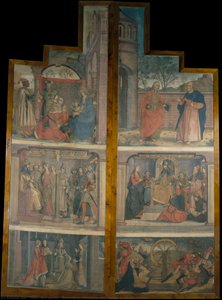
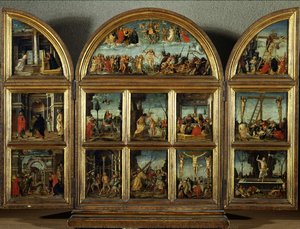
Triptych with Calvary and Patrons
 Oil On Panel
- Northern Renaissance
 1506
1506- Renaissance
 37.0 x 26.0 cm
 Рейксмюзеум
 Читать далее
Масляная репродукция ручной работы
Картина маслом на холсте в выбранном вами размере и раме, написанная на заказ нашими художниками. ( Перейти к печати Перейти к цифровым изображениям)




P118B $10

P118H $10

P118W $10

P438Z $10

P508JH $12

P508YH $12

P805H $10

P805Z $10

P919BZ $10

P919G $10

P919XJ $10

P959ZH $10

P968JZ $12

W106C $8

W218G $10

W218JH $8

W218Y $10

W307PJ $10

W316G $10

W316PJ $8

W316Y $10

W398PJ $8

W4111J $10

W500HY $15

W500JH $15

W692G $12

W849H $8

W940BG $15

W953PJ $8
Выберите один из наших стандартных размеров, соответствующих оригинальным пропорциям произведения искусства.

Вы можете указать собственные размеры, чтобы картина идеально вписалась в выбранную раму или пространство. Если выбранный вами размер не соответствует пропорциям оригинала, мы либо обрежем полотно, либо расширим его за счет дополнительных элементов, написанных вручную. Цифровой макет будет отправлен вам на утверждение перед началом производства.
Обратите внимание, что предварительный просмотр на экране не отражает фактическую обрезку или расширение. Только макет точно покажет окончательную композицию.
Хотя доступны индивидуальные размеры, мы рекомендуем выбирать вариант из предопределенного списка, чтобы сохранить исходные пропорции.
После оформления заказа команда ArtsDot.com свяжется с клиентом по электронной почте для уточнения деталей и предоставит предварительный макет
Доставка по всему миру () за 3–4 недели вместо стандартных 5 недель. (14 Сентябрь). Без компромиссов в качестве.

Бесплатная экспресс-доставка по всему миру

Высококачественный льняной холст

Полное страхование доставки

Гарантия возмещения таможенных пошлин

Гарантия точного соответствия цветов

100-дневная политика возврата (только при обнаружении дефектов)

Гарантия возврата 100% средств

Предложение оптовых скидок
 Вариант со стеклом доступен только для размеров менее 110 см

Triptych with Calvary and Patrons
Техника репродукции
Размер репродукции
-


Итоговая стоимость
$ 263
A Devotional Masterpiece: The Sacred Narrative of Jan Wellens de Cock
In the quiet, contemplative realm of the Northern Renaissance, few forms command as much reverence as the triptych. Triptych with Calvary and Patrons, painted in 1506 by the master Jan Wellens de Cock, serves as a profound window into the spiritual psyche of the sixteenth century. This intricate three-paneled work does not merely depict a scene; it invites the viewer into a sacred ritual of observation and mourning. Through his meticulous application of oil, De Cock captures the harrowing moment of the Crucifixion, weaving together a tapestry of human grief and divine sacrifice that remains as emotionally resonant today as it was five centuries ago.
The composition is a triumph of narrative layering, where the central drama of Christ on the cross is surrounded by a sea of witnesses. In the first panel, we encounter a poignant intimacy, with figures gathered closely around the base of the cross, their gazes fixed upward in a mixture of awe and agony. As the eye moves through the secondary panels, the scale of the tragedy expands to include a bustling crowd of onlookers and patrons, creating a sense of communal experience. The artist’s ability to balance the monumental weight of the Crucifixion with the delicate, almost miniature details—such as the subtle presence of horses in the distance and the fleeting movement of birds in the periphery—demonstrates a technical virtuosity that defines the Flemish tradition.
Beyond its surface beauty, the painting is steeped in the rich symbolism characteristic of the era. Every element, from the specific arrangement of the patrons to the atmospheric landscape, serves a theological purpose. The presence of the birds and the distant animals suggests the interconnectedness of all creation in the face of the divine sacrifice. For the collector or the interior designer, this piece offers more than just aesthetic value; it provides a focal point of profound historical depth. The interplay of light and shadow across the textured surfaces creates a sense of movement that breathes life into the static panels, making it an ideal centerpiece for spaces dedicated to reflection, classical elegance, or sophisticated storytelling.
Owning a reproduction of such a significant work allows one to bring the solemnity and grandeur of the Renaissance into a contemporary setting. Whether placed in a curated gallery wall or used as a standalone statement piece in a study, Triptych with Calvary and Patrons evokes a sense of timelessness. It is a work that rewards prolonged study, revealing new layers of emotion and craftsmanship with every glance, making it an indispensable acquisition for those who seek to surround themselves with art that speaks to the eternal human condition.
Похожие произведения
Биография художника
Alessandro di Mariano Filipepi: The Enchanting Botticelli
Sandro Botticelli, born Alessandro di Mariano di Vanni Filipepi around 1445 in Florence, Italy, was a painter whose work profoundly shaped the trajectory of the Italian Renaissance. His life, though tragically short, spanning from approximately 1445 to 1510, witnessed a remarkable evolution in artistic style and a rediscovery of his legacy centuries later. Initially apprenticed to various masters – first Maso Finiguerra, then Fra Filippo Lippi – Botticelli’s early career was marked by the creation of frescoes for Florentine churches and cathedrals, establishing him as a skilled craftsman within the established artistic traditions of the city. His youth was characterized by a restless spirit, a penchant for wit, and a reputation for youthful mischief, traits that perhaps contributed to his early withdrawal from formal schooling – a deviation from the norm at the time.Early Influences and Florentine Apprenticeship
Botticelli’s artistic development was deeply rooted in the late Gothic style prevalent in Florence during his formative years. The influence of Fra Filippo Lippi, particularly his mastery of tempera painting and meticulous attention to detail, is readily apparent in Botticelli's early works. However, he quickly transcended mere imitation, demonstrating a burgeoning sense of composition and an emerging interest in classical motifs – a trend that would become increasingly prominent throughout his career. His apprenticeship with Antonio del Pollaiuolo exposed him to the techniques of oil painting, further expanding his artistic toolkit and allowing for richer color palettes and greater textural possibilities. Crucially, Botticelli’s connections through Lippi afforded him patronage from influential families like the Medici, securing commissions that propelled his career forward.The Zenith of Mythological Vision
The period between 1478 and 1490 represents the apex of Botticelli's artistic achievement. During this time, he produced some of his most celebrated works – paintings steeped in classical mythology and imbued with a unique blend of elegance, grace, and psychological depth. Perhaps his most iconic creations are *The Birth of Venus* and *Primavera*, both housed within the Uffizi Gallery in Florence. *The Birth of Venus* depicts the goddess emerging from a giant scallop shell, while *Primavera* portrays a vibrant allegorical scene celebrating spring, populated by mythological figures such as Venus, Flora, Zephyrus, and Mercury. These works are not merely decorative; they are complex narratives filled with symbolic meaning, reflecting Botticelli’s engagement with humanist philosophy and his fascination with the beauty of the human form. The use of flowing lines, delicate drapery, and a restrained palette contributes to an atmosphere of ethereal serenity, characteristic of his style.Religious Works and the Development of Style
While renowned for his mythological paintings, Botticelli’s output encompassed a wide range of religious subjects throughout his career. He produced numerous depictions of the *Madonna and Child*, often rendered in the elegant round format known as *tondi*. These works demonstrate his technical skill and his ability to convey profound emotion through subtle gestures and expressions. As the 1490s progressed, Botticelli’s style underwent a noticeable shift. His paintings became more personal, imbued with a melancholic quality and a departure from the idealized beauty of his earlier work. This evolution is evident in *The Mystic Nativity*, one of the few works definitively dated to 1501, which showcases a darker palette and a more introspective mood. Some art historians suggest this stylistic change reflects the growing influence of Leonardo da Vinci, whose innovative techniques were beginning to challenge the established conventions of Renaissance painting.Rediscovery and Lasting Legacy
Botticelli’s work largely faded from public consciousness after his death in 1510. For centuries, his paintings were dismissed as mannered or overly sentimental. However, during the late 19th century, a renewed interest in Italian Renaissance art led to a reassessment of Botticelli's oeuvre. The Pre-Raphaelites championed his work, recognizing its lyrical beauty and its evocative power. This rediscovery sparked a profound appreciation for Botticelli’s unique artistic vision, solidifying his place as one of the most important figures of the Early Renaissance. Today, Botticelli’s paintings are celebrated for their exquisite detail, their graceful forms, and their enduring capacity to transport viewers to a world of myth, beauty, and human emotion. His influence continues to resonate in art history, inspiring generations of artists with his innovative approach to composition, color, and symbolism.
jan wellens de cock
1510 - 1570 , Netherlands
Основные сведения
- Artistic Movement Or Style: Early Renaissance
- Artists Or Movements Influenced By This Artist: ['Pre-Raphaelites']
- Artists Who Influenced This Artist: ['Fra Filippo Lippi']
- Date Of Birth: c. 1445
- Date Of Death: 1510
- Full Name: Alessandro di Mariano di Vanni Filipepi
- Nationality: Italian
- Notable Artworks:
- Primavera
- The Birth of Venus
- Adoration of the Magi
- Place Of Birth: Florence, Italy
Похожие статьи

О нас
Откройте для себя нашу историю! Мы привносим искусство мирового класса в вашу жизнь благодаря экспертному отбору, индивидуальным заказам и бесплатным обзорам. Одобрено частными лицами и компаниями с 2000 года.

Theo van Doesburg: Pioneering De Stijl & the Evolution of Neo-Plasticism
Explore the revolutionary De Stijl movement & Neo-Plasticism with our expert guide. Discover Piet Mondrian, Theo van Doesburg, and the lasting impact of this influential art style. Learn about collecting & investing in De Stijl masterpieces.
Pieter de Hooch: Illuminating Dutch Domestic Life & Golden Age Charm
Explore the captivating world of Pieter de Hooch, a master of Dutch Golden Age painting. Discover his innovative use of light, intimate domestic scenes, and lasting influence on art history. Learn more at ArtsDot.
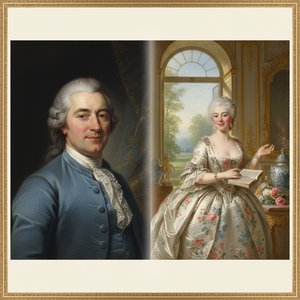
Maurice Quentin de La Tour: Light, Shadow & the Rococo Portrait
Explore the captivating world of Maurice Quentin de La Tour, a master of Rococo portraiture. Discover his innovative pastel techniques, intimate depictions of French aristocracy, and lasting artistic legacy. Learn more at ArtsDot.

Топ-25 шедевров Гойи: от придворного портрета до мрачных пророчеств | ArtsDot
Погрузитесь в мир гения Франсиско Гойи! 🎨 От придворных портретов до мрачных "Капричос" – исследуйте топ-25 шедевров испанского романтизма. Купите репродукции картин Гойи музейного качества на ArtsDot.com и украсьте свой интерьер искусством.