Меню
ПредпросмотрПредпросмотр Предпросмотр в ARПредпросмотр в AR Перейти к печати Перейти к печатиКупить картину ручной работы Купить картину ручной работы ПоделитьсяПоделиться
Детали произведенияДетали произведения Добавить в избранное Добавить в избранное СкачатьСкачать Похожие работыПохожие работы РентгенографияРентгенография Слайд-шоуСлайд-шоу СтатистикаСтатистика

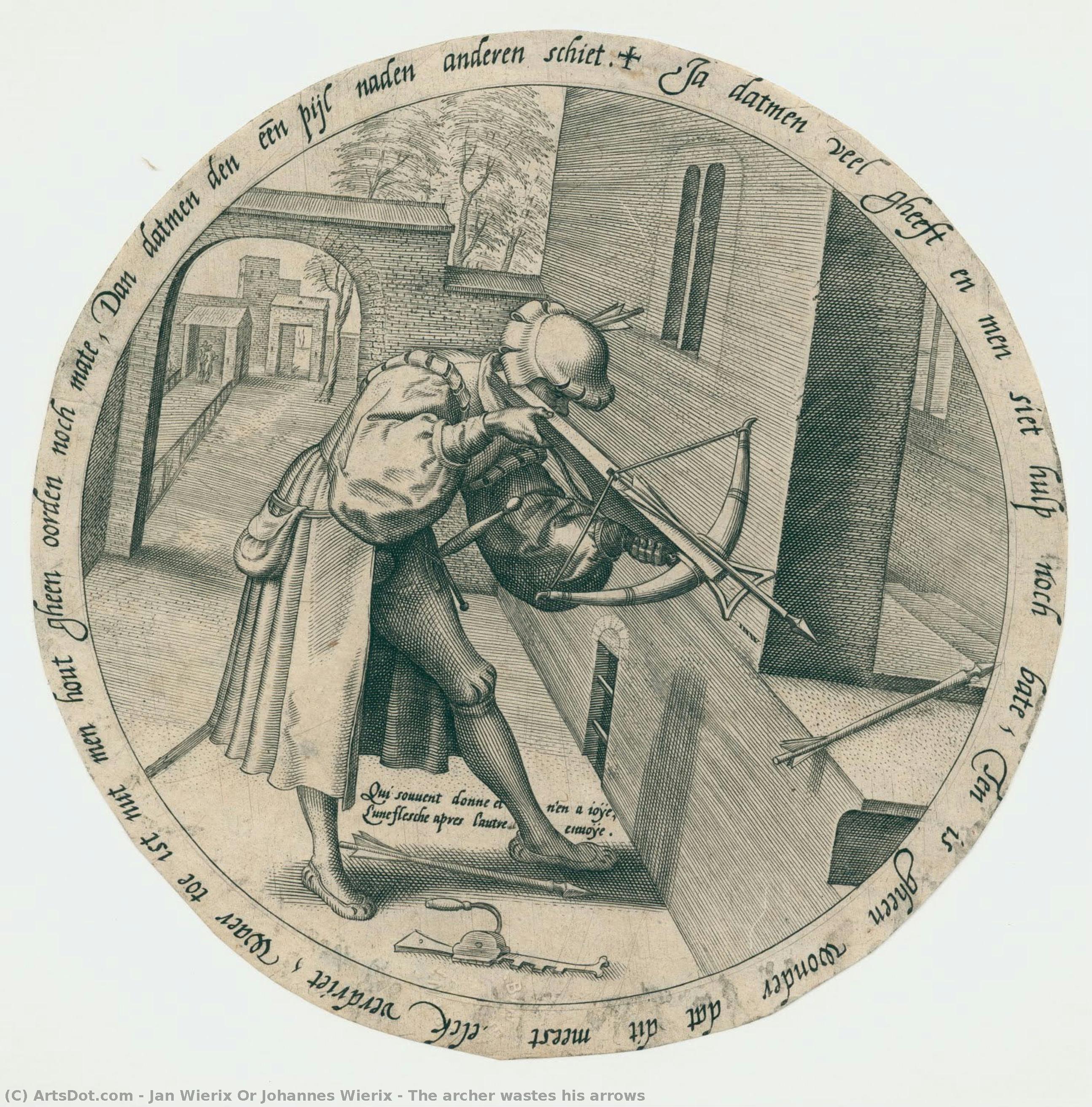
The archer wastes his arrows

1568 engraving 'The Archer Wastes His Arrows' by Wierix depicts a moral critique of wastefulness in Northern Renaissance style. Detailed linework & symbolism – explore this unique print!

Johannes Wierix (1549-c. 1620) was a Flemish engraver & publisher known for intricate designs, miniature drawings, and prints supporting the Catholic cause. Explore his art!

Приобретите цифровое изображение высокого разрешения в улучшенном качестве, которое значительно превосходит онлайн-превью.

Каждый файл тщательно подготавливается нашими специалистами с использованием передовых инструментов и экспертной ручной ретуши. Мы гарантируем исключительную четкость, точную цветопередачу и детальную проработку каждого изображения.

Финальный файл доставляется по электронной почте в течение 72 часов и оптимизирован для немедленного использования в профессиональной среде, при верстке и печати. Это тот же уровень качества, которому доверяют ведущие дизайнерские студии, издательства и галереи.

Цифровое изображение

Скачайте файл высокого разрешения для личного использования, печати и творческих проектов. (Перейти к печати Перейти к печатиКупить картину ручной работы Купить картину ручной работы)

Итоговая стоимость

$ 24,00

Включено в каждый заказ цифровых изображений

Гарантия экспертной цифровой доставки

Выбирая ArtsDot.com, вы получаете не просто изображение — вы приобретаете профессионально обработанное цифровое произведение искусства, созданное с безупречной точностью и под защитой гарантии качества. Вот всё, что автоматически входит в ваш заказ:

shipping_icon
Мгновенная доставка по e-mail

Ваш цифровой файл в высоком разрешении будет отправлен вам по электронной почте в течение 72 часов после оформления заказа — и сразу станет доступен для использования.

canvas_icon
Цифровой файл с ИИ-улучшением

Ваше произведение искусства проходит профессиональную оптимизацию с использованием передовых инструментов ИИ и ручной обработки, что гарантирует максимальную детализацию, четкость и точность цветопередачи.

insurance_icon
Бессрочная бесплатная повторная доставка

Случайно удалили или потеряли файл? Не беспокойтесь — мы отправим его вам повторно в любое время и совершенно бесплатно.

tax_icon
Без импортных пошлин — навсегда

Наслаждайтесь вашим произведением искусства мгновенно без таможенных пошлин, сборов или затрат на доставку — цифровые загрузки всегда не облагаются налогом.

color_icon
Гарантия точности цветопередачи

Мы гарантируем, что ваше цифровое изображение максимально точно передает оригинальные цвета благодаря использованию профессиональных инструментов и систем управления цветом.

return_icon
Гарантия удовлетворенности 100 дней

Если вы не будете удовлетворены своим цифровым изображением, мы внесем правки или вернем 100% стоимости в течение 100 дней — без лишних вопросов.

guarantee_icon
100% Гарантия возврата средств

Не удовлетворены покупкой? Получите полный возврат средств в течение 100 дней после получения цифрового файла — без лишних вопросов.

discount_icon
Скидки на оптовые заказы

Купите 3 изображения, сэкономьте 10% — Купите 5, сэкономьте 15% — Купите 10+, сэкономьте 20%. Отличное решение для творческих проектов, галерей и агентств.
Биография художника

A Life Etched in Detail: The World of Johannes Wierix

Johannes Wierix, born in Nijmegen in 1549 and passing around 1620, was a Flemish engraver whose life unfolded amidst the religious and artistic turbulence of the late Renaissance. He wasn’t merely a craftsman reproducing images; he was a storyteller translating visions into intricate lines, a publisher disseminating art, and a subtle advocate for his faith during a period of profound upheaval in the Southern Netherlands. The Wierix family—Anton I, Johannes, Hieronymus, and Anton II—were a force within Antwerp’s artistic community, though often described with a colorful reputation for their unconventional lifestyle. While their father, Anton I, initially registered as a painter, it seems he didn't directly instruct his sons in the art of engraving. Instead, Johannes and his brothers found early training through goldsmithing, a discipline that undoubtedly honed their precision and attention to detail—qualities that would become hallmarks of their work.

Early Career and Plantin’s Influence

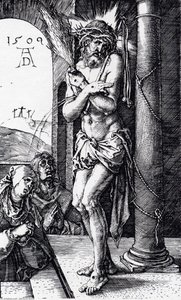
Johannes began his artistic journey as a reproductive engraver, skillfully copying the works of masters like Albrecht Dürer. This early practice served as a crucial foundation, building technical prowess and an understanding of established styles. A significant turning point came with employment at the renowned publishing house of Christophe Plantin in 1569. Plantin’s workshop was a hub of intellectual and artistic activity, exposing Johannes to a wider range of designs and fostering his development. However, their relationship wasn't without its challenges. Letters from Plantin reveal a somewhat exasperated employer dealing with the Wierix brothers’ penchant for taverns, pawned tools, and unpaid debts—a testament to their spirited personalities. Despite these difficulties, Plantin recognized their talent and continued to commission work, highlighting their importance even amidst their chaotic tendencies. Johannes officially became a master engraver in Antwerp's Guild of Saint Luke in 1572-1573, solidifying his position within the artistic landscape.

Artistic Style and Religious Undertones

Johannes Wierix distinguished himself through an exceptional level of detail and finesse in his engravings. His work wasn’t characterized by broad, sweeping gestures but rather by a meticulous rendering of textures, patterns, and human anatomy. He excelled at both reproducing existing designs and creating original compositions. A defining aspect of his oeuvre is the strong Catholic sentiment woven into many of his prints. Following the Fall of Antwerp in 1585 and a personal religious conversion, Johannes, along with his family, dedicated much of their artistic output to supporting the Catholic cause during the Reformation. This manifested in engravings depicting scenes from the lives of saints, biblical narratives emphasizing Catholic doctrine, and allegorical representations promoting the faith. These works weren’t simply devotional images; they were powerful tools for religious propaganda, intended to bolster morale and reaffirm Catholic beliefs in a region facing Protestant influence.

Miniature Masterpieces and Beyond

Beyond his larger engravings, Johannes Wierix became particularly celebrated for his miniature pen drawings—exquisite, incredibly detailed compositions often contained within small frames or medallions. These tiny masterpieces showcase an astonishing level of skill and artistry, demanding close inspection to fully appreciate their intricacy. He also extended his talents to engraving on silver and ivory, demonstrating versatility and a commitment to exploring different mediums. His influence wasn’t limited to prints; the Wierix family as a whole played a vital role in disseminating Netherlandish art abroad, introducing Flemish styles and techniques to a wider European audience.

Legacy and Historical Significance

Johannes Wierix's legacy lies not only in the beauty and technical brilliance of his engravings but also in their historical context. He was an artist deeply embedded within the religious conflicts of his time, using his skills to actively participate in the Counter-Reformation. His work provides valuable insight into the artistic strategies employed by Catholics to counter Protestant ideologies and reaffirm their faith. While often overshadowed by more celebrated contemporaries, Johannes Wierix remains a significant figure in 16th-century Flemish art—a master engraver whose intricate designs continue to captivate and inspire, offering a glimpse into a world etched with detail, devotion, and the complexities of a turbulent era.