 Предпросмотр
 Поделиться
 Поделиться
 Детали произведения

 Скачать
 Похожие работы
 Рентгенография
 Слайд-шоу
 Статистика
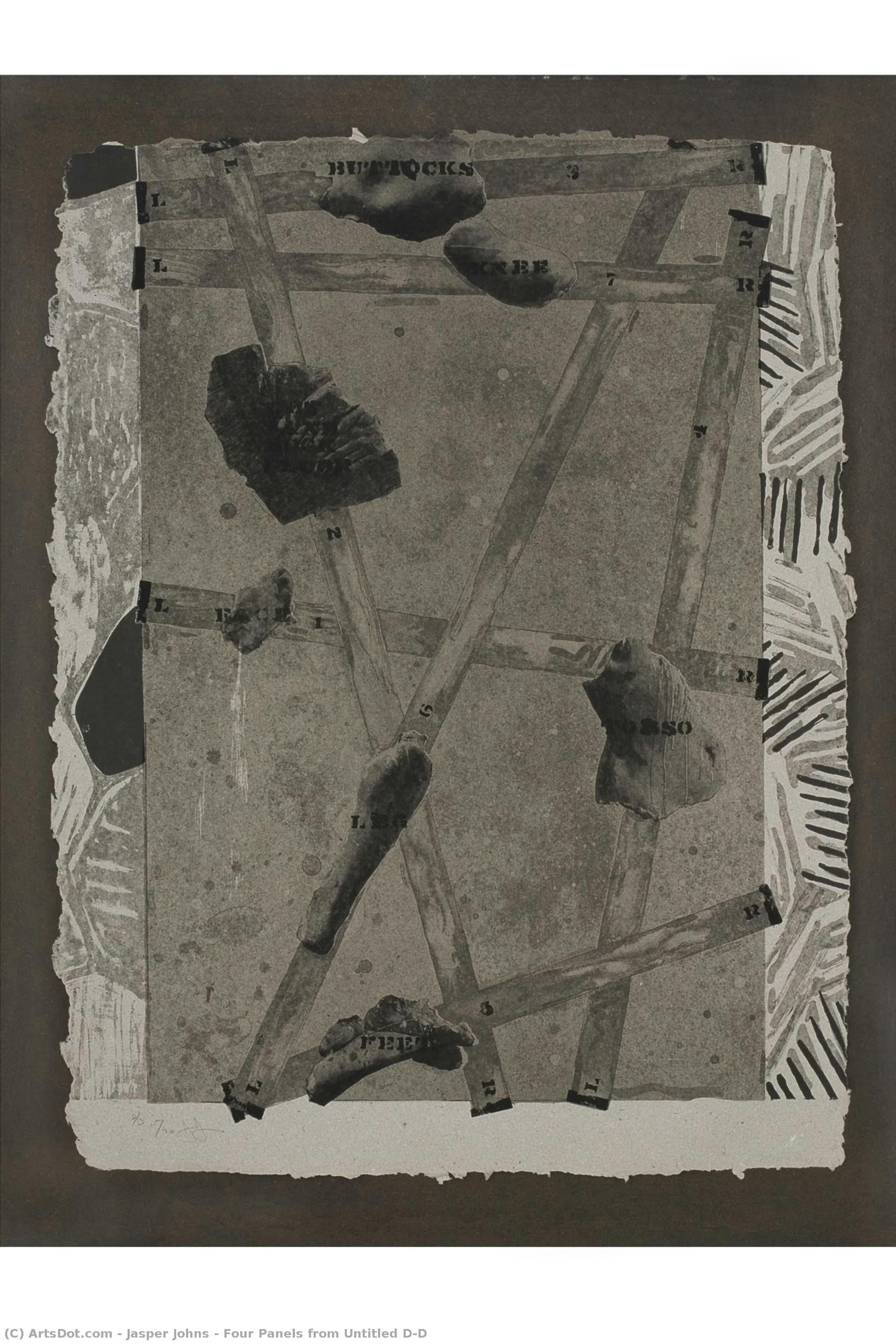
Four Panels from Untitled D/D


 Читать далее
Жикле / Арт-принт
Печать (жикле) или холст музейного качества с быстрыми сроками изготовления и широким выбором вариантов отделки. ( Купить картину ручной работы Перейти к цифровым изображениям)




P118B $10

P118H $10

P118W $10

P438Z $10

P508JH $12

P508YH $12

P805H $10

P805Z $10

P919BZ $10

P919G $10

P919XJ $10

P959ZH $10

P968JZ $12

W106C $8

W218G $10

W218JH $8

W218Y $10

W307PJ $10

W316G $10

W316PJ $8

W316Y $10

W398PJ $8

W4111J $10

W500HY $15

W500JH $15

W692G $12

W849H $8

W940BG $15

W953PJ $8




Выберите один из наших стандартных размеров, соответствующих оригинальным пропорциям произведения искусства.

Вы можете указать свои собственные размеры, чтобы репродукция идеально подошла под конкретную раму или пространство. Если выбранный вами размер не будет соответствовать пропорциям оригинала, мы либо обрежем произведение, либо дополним изображение зеркальным отражением краев или однотонной заливкой. Перед началом производства вам будет отправлен цифровой макет для утверждения.
Пожалуйста, обратите внимание, что предварительный просмотр на экране не отображает фактическую обрезку или расширение изображения. Только макет точно покажет финальную композицию.
Несмотря на возможность заказа индивидуальных размеров, мы рекомендуем выбирать размер из предопределенного списка, чтобы сохранить оригинальные пропорции.
Доставка по всему миру () за 2 недели вместо стандартных 4/5 недель. (11 Сентябрь)

Бесплатная экспресс-доставка по всему миру

Высококачественный льняной холст

Полное страхование доставки

Гарантия возмещения таможенных пошлин

Гарантия точного соответствия цветов

100-дневная политика возврата (только при обнаружении дефектов)

Гарантия возврата 100% средств

Предложение оптовых скидок
 Вариант со стеклом доступен только для размеров менее 110 см

Four Panels from Untitled D/D
Жикле / Арт-принт
Размер репродукции
-


Итоговая стоимость
$ 62
A Quiet Revolution: Unpacking the Layers of Jasper Johns’ *Four Panels from Untitled D/D*
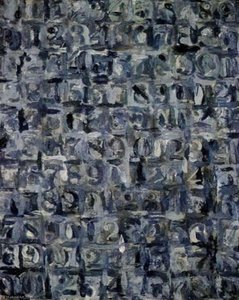
Jasper Johns' *Four Panels from Untitled D/D*, a deceptively simple composition rendered in stark black and white, represents more than just a collection of geometric forms. It embodies a pivotal shift within American art – a deliberate move away from the raw emotionalism of Abstract Expressionism towards a cooler, more intellectually engaged approach that would profoundly influence the rise of Pop Art. The photograph captures not merely an image, but a carefully constructed dialogue between representation and abstraction, inviting viewers to contemplate the very nature of seeing and knowing. Johns’ work during this period, particularly these panels, is deeply rooted in his personal experiences, subtly weaving together themes of displacement, memory, and the enduring power of American iconography.
The Language of Symbols: Geometry and Everyday Objects
At first glance, the panels present a series of seemingly random shapes – triangles, rectangles, and an oval – arranged with a meticulous precision. However, Johns wasn’t interested in spontaneous creation; he employed a system of controlled repetition and variation. This technique, often referred to as “controlled chance,” was central to his process. He would begin by drawing simple forms on paper, then meticulously transferring them onto the canvas, altering their size, position, or orientation slightly each time. The result is not chaos but a carefully orchestrated dance between order and irregularity. These geometric shapes aren’t merely decorative; they function as symbols – echoes of familiar objects and structures from everyday life, subtly hinting at the world beyond the purely abstract.
- Triangles: Frequently associated with stability, strength, and even danger, triangles can be interpreted as anchors in a shifting visual landscape.
- Rectangles: Representing order, structure, and perhaps a sense of confinement, they offer a counterpoint to the more fluid forms.
- Oval: Evoking curves, cycles, and the organic – a gentle reminder of the natural world within the constructed reality of the panels.
A Post-War Perspective: Memory and Identity
Created in the aftermath of World War II, *Four Panels from Untitled D/D* reflects the anxieties and uncertainties of a nation grappling with profound social and psychological changes. Johns’ own experiences – his childhood marked by parental separation, followed by service in Korea – undoubtedly informed this period of artistic exploration. The repetition of forms can be seen as an attempt to impose order on a world that felt increasingly fragmented and unstable. The stark monochrome palette further amplifies the sense of detachment and introspection, stripping away any superfluous emotionality and focusing instead on the essential elements of form and structure. It’s a visual meditation on memory, not necessarily recalling specific events, but rather constructing a personal landscape from fragments of experience.
The Technique of Illusion: Surface and Depth
Despite the seemingly flat surface of the panels, Johns masterfully employs techniques to create an illusion of depth and complexity. The careful placement of shapes within each panel generates subtle variations in tone and value, suggesting a three-dimensional space. He often used a technique called “dry brushing,” applying paint thinly to the canvas, allowing the underlying surface to peek through. This creates a sense of texture and materiality, grounding the abstract forms in a tangible reality. The black and white photography captures this delicate interplay between surface and depth, highlighting the artist’s meticulous attention to detail and his innovative approach to painting.
A hand-painted reproduction of *Four Panels from Untitled D/D* offers an unparalleled opportunity to experience the profound beauty and intellectual rigor of this seminal work. Its quiet intensity invites contemplation, while its subtle complexities reward repeated viewing. It’s a piece that speaks not just to the eye but also to the mind, embodying the spirit of a generation grappling with identity in a rapidly changing world.
Похожие произведения

Биография художника
A Life Painted in Symbols: The World of Jasper Johns
Jasper Johns emerged as a pivotal figure in the landscape of American art, bridging the emotive intensity of Abstract Expressionism with the burgeoning Pop Art movement that would soon redefine artistic boundaries. Born in Augusta, Georgia, in 1930, his early life was marked by a sense of displacement following his parents’ divorce, an experience that perhaps subtly informed his later explorations of identity and belonging within the context of American iconography. His formative years unfolded across various schools before he briefly attended the University of South Carolina, but it wasn't until his move to New York City in 1949 that Johns truly began to forge his artistic path. A period of service during the Korean War further shaped his perspective, exposing him to a world far removed from the burgeoning art scene he was eager to embrace upon his return.Breaking with Abstraction: The Dawn of a New Visual Language
The post-war American art world was dominated by Abstract Expressionism—a style characterized by spontaneous gesture and deeply personal emotional expression. While initially influenced by this movement, Johns felt compelled to move beyond its purely non-representational approach. He sought a new visual language, one that incorporated recognizable imagery not as illustrations but as vehicles for deeper contemplation. This wasn’t simply about *depicting* the world; it was about questioning how we perceive and interpret symbols within it. Key influences guided his departure: Marcel Duchamp's radical readymades challenged conventional notions of art-making, forcing a reevaluation of what constituted “art,” while the emphasis on materiality in Abstract Expressionism informed Johns’ early techniques—particularly his use of encaustic, a mixture of pigment and hot wax that allowed for layered textures and subtle shifts in color. However, it was the everyday objects and potent symbols of American culture—flags, targets, maps, numbers—that truly became central to his artistic vocabulary. He wasn't interested in escaping representation; he wanted to dissect it, layer it with meaning, and ultimately reveal its inherent ambiguities.Iconic Images: Flags, Targets, and the Language of Symbols
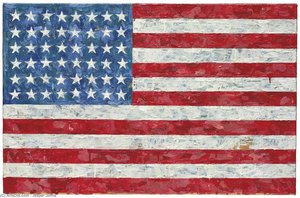
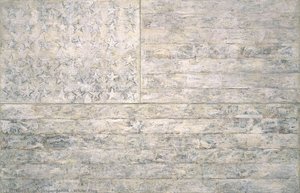
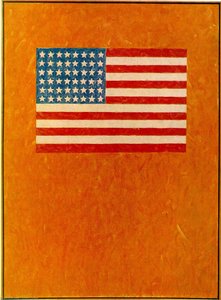
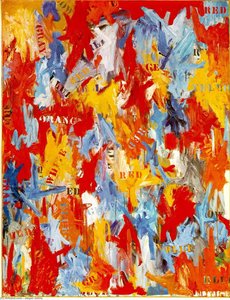
Johns’ breakthrough works arrived in the mid-1950s, instantly establishing him as a force to be reckoned with. His paintings of flags, most notably *Flag* (1954–55), were not patriotic declarations but rather investigations into the very nature of representation. Rendered in a semi-abstract style, using encaustic—pigment mixed with hot wax—and collage techniques, these flags weren’t simply images; they were textured surfaces laden with symbolic weight. The image itself was deliberately ambiguous – a depiction of the American flag, yet simultaneously a study in its materiality and construction. The target series, beginning in 1958, further explored this fascination with recognizable forms, questioning perception and meaning through the seemingly straightforward image of a bullseye. *Map* (1961), with its fragmented and layered depictions of the United States, delved into themes of geography, identity, and the complexities of national representation. Works like *False Start* (1959) demonstrated his experimentation with language and visual codes, creating complex compositions that challenged viewers to decipher their underlying meanings. Even *White Flag* (1955), a seemingly simple monochrome canvas, prompted profound questions about absence, surrender, and the very act of seeing.The Influence of Rauschenberg and Neo-Dada
Johns’ artistic evolution was profoundly shaped by his close collaboration with Robert Rauschenberg. Their shared interest in blurring the boundaries between art and life led to a dynamic exchange of ideas and techniques. Rauschenberg's "combine paintings," incorporating found objects and collage elements, influenced Johns’ approach to layering imagery and challenging traditional notions of artistic authorship. This period also saw a strong influence from Neo-Dada, with its playful appropriation of everyday objects and its rejection of established art conventions. Johns embraced this spirit of experimentation, using techniques like assemblage and ready-made elements in his work, further complicating the relationship between image and reality.Recognition and Enduring Impact
Jasper Johns has received numerous accolades throughout his illustrious career. He was awarded the Golden Lion at the Venice Biennale in 1988, a testament to his enduring influence on the art world. In 1990, he was presented with the National Medal of Arts, recognizing his significant contributions to American culture. He also received the Presidential Medal of Freedom in 2011, the highest civilian honor bestowed by the United States government. His works are held in major museum collections throughout the world—the Museum of Modern Art, the Whitney Museum of American Art, the Metropolitan Museum of Art in New York, and Tate Modern in London, to name just a few. Johns’ impact extends beyond his paintings; he has been a significant contributor to printmaking and sculpture, demonstrating his versatility and unwavering commitment to artistic innovation. His enduring legacy lies not only in the iconic images he created but also in the profound questions he raised about the nature of representation, symbolism, and the very essence of what it means to be an artist in a rapidly changing world. He remains an active artist, constantly evolving his approach and solidifying his position as one of the most important figures in 20th and 21st-century art.
Джеймс Джонс
1930 - , Соединенные Штаты Америки
Основные сведения
- Artistic Movement Or Style: Поп-арт, Абстрактный экспрессионизм
- Artists Or Movements Influenced By This Artist:
- Ворхол
- Лихтенштейн
- Artists Who Influenced This Artist:
- Дюшан
- Ротко
- Date Of Birth: 15 мая 1930 г.
- Full Name: Jasper Johns
- Nationality: Американский
- Notable Artworks:
- Flag
- Target
- Map
- Place Of Birth: А Augusta, США
Похожие статьи

Джон Констебль: 25 шедевров английского пейзажа для вашего интерьера
Погрузитесь в мир английского пейзажа с Джоном Констеблом! 25 шедевров романтизма, история создания картин и вдохновение для вашего интерьера. Репродукции высокого качества на ArtsDot.com – искусство для ценителей.

Джон Сингер Сарджент: 25 шедевров портретной живописи для вашего интерьера | ArtsDot
Погрузитесь в мир Джона Сингера Сарджента! 25 шедевров импрессионизма и реализма, раскрывающих элегантность эпохи Gilded Age. Купите репродукции картин Сарджента музейного качества для вашего интерьера на ArtsDot.com.
Beyond Form & Color: Geometric Abstraction's Evolution in 20th/21st Century Art
Explore the evolution of geometric abstraction from Cubism to contemporary art. Discover key artists like Malevich & Mondrian, investment insights, and expert collecting advice at ArtsDot.

Геометрическая абстракция: 10 шедевров, изменивших искусство | ArtsDot.com
Погрузитесь в мир геометрической абстракции! От Кандинского до Малевича – 10 шедевров, изменивших искусство. Узнайте историю создания и значение культовых картин. Репродукции музейного качества на ArtsDot.com. Вдохновение для вашего интерьера!
Beyond Form & Color: Geometric Abstraction's Enduring Legacy in Art History
Explore the captivating world of geometric abstraction! Discover its origins, key artists like Malevich & Mondrian, and why this movement remains highly valued by art collectors today. Expert insights at ArtsDot.