

 Предпросмотр
 Поделиться
 Поделиться
 Детали произведения

 Скачать
 Похожие работы
 Рентгенография
 Слайд-шоу
 Статистика
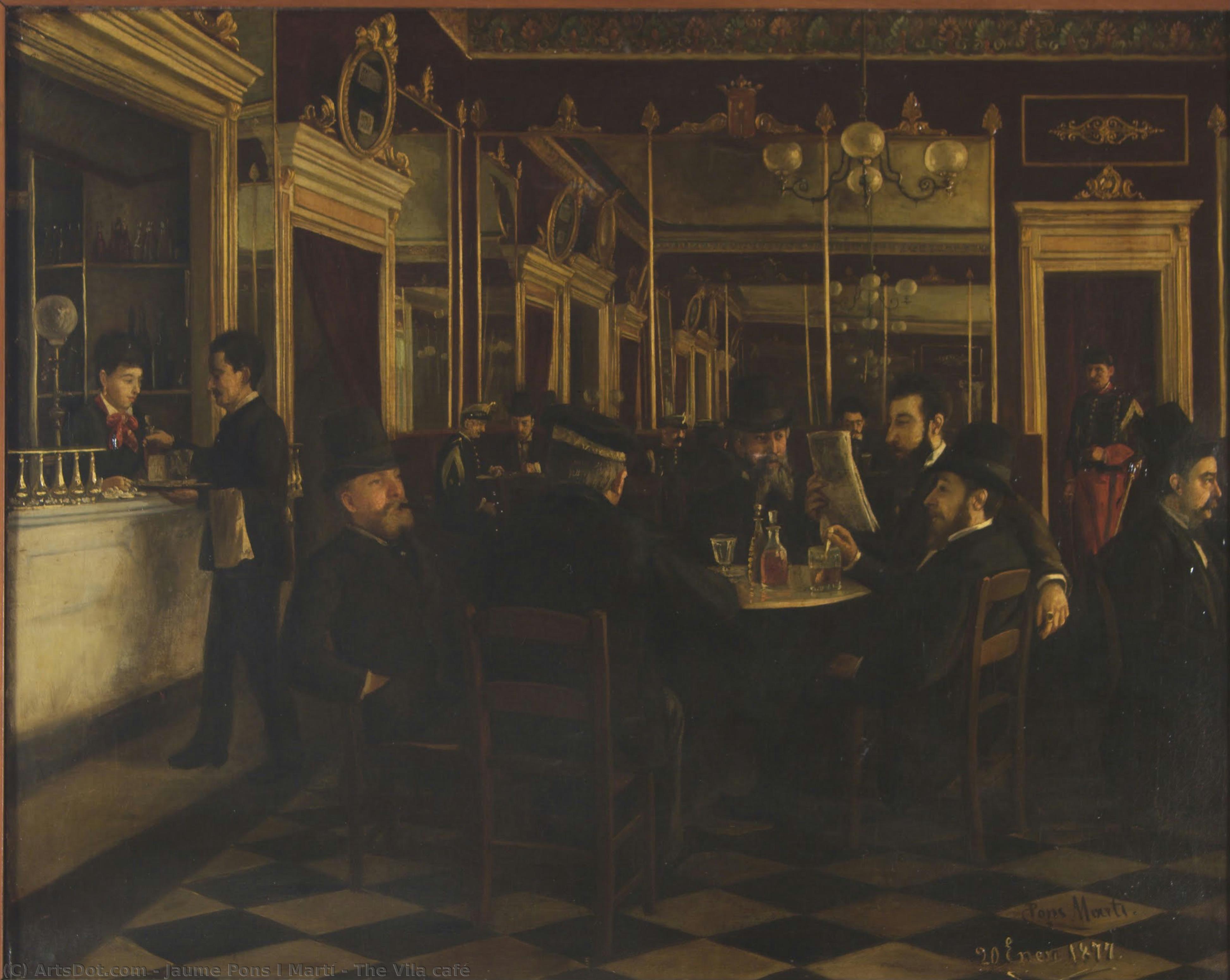
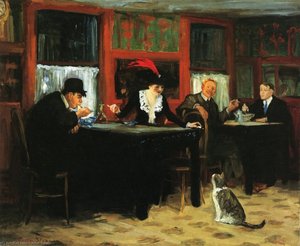
The Vila café
 68.0 x 85.0 cm
 Girona Art Museum
 Читать далее
Масляная репродукция ручной работы
Картина маслом на холсте в выбранном вами размере и раме, написанная на заказ нашими художниками. ( Перейти к печати Перейти к цифровым изображениям)




































Выберите один из наших стандартных размеров, соответствующих оригинальным пропорциям произведения искусства.

Вы можете указать собственные размеры, чтобы картина идеально вписалась в выбранную раму или пространство. Если выбранный вами размер не соответствует пропорциям оригинала, мы либо обрежем полотно, либо расширим его за счет дополнительных элементов, написанных вручную. Цифровой макет будет отправлен вам на утверждение перед началом производства.
Обратите внимание, что предварительный просмотр на экране не отражает фактическую обрезку или расширение. Только макет точно покажет окончательную композицию.
Хотя доступны индивидуальные размеры, мы рекомендуем выбирать вариант из предопределенного списка, чтобы сохранить исходные пропорции.
После оформления заказа команда ArtsDot.com свяжется с клиентом по электронной почте для уточнения деталей и предоставит предварительный макет
Доставка по всему миру () за 3–4 недели вместо стандартных 5 недель. (11 Сентябрь). Без компромиссов в качестве.

Бесплатная экспресс-доставка по всему миру

Высококачественный льняной холст

Полное страхование доставки

Гарантия возмещения таможенных пошлин

Гарантия точного соответствия цветов

100-дневная политика возврата (только при обнаружении дефектов)

Гарантия возврата 100% средств

Предложение оптовых скидок
 Вариант со стеклом доступен только для размеров менее 110 см

The Vila café
Техника репродукции
Размер репродукции
-


Итоговая стоимость
$ 263
Похожие произведения






Биография художника
Gustave Courbet: A Revolutionary Vision of Reality
Born in Ornans, France, in 1819, Gustave Courbet’s life and art were inextricably linked to a profound rejection of academic tradition and a passionate commitment to portraying the world as he saw it. His early years, marked by a rebellious spirit instilled by his anti-monarchical family, foreshadowed a career dedicated to challenging established artistic norms. Initially drawn to lithography, Courbet quickly gravitated towards painting, establishing himself as a pivotal figure in the Realist movement – a reaction against the idealized Romanticism that dominated much of the early 19th century.
Courbet’s artistic journey was not without obstacles. His ambitious works, particularly “The Painter's Studio,” were repeatedly rejected by official Salon exhibitions, including the prestigious 1855 exhibition in Paris. This rejection, rather than deterring him, fueled his determination to create an alternative platform for his art. In a bold move, he organized his own independent exhibition in 1855, showcasing “The Painter’s Studio” alongside other works, effectively establishing the "Pavilion of Realism" and forcing the Parisian art world to confront a new, unvarnished perspective.
The Palette of Everyday Life
Courbet's artistic philosophy centered on depicting subjects from everyday life – peasants, laborers, landscapes, and still lifes – with uncompromising honesty. He eschewed historical or mythological themes, believing that true art should reflect the realities of contemporary existence. His paintings are characterized by a deliberate lack of idealization; figures are rendered in their natural state, often depicted with unflattering details and without romantic embellishment. This commitment to realism extended beyond mere representation; Courbet sought to capture the essence of his subjects, conveying their dignity, struggles, and humanity.
Consider “The Stone Breakers” (1849-50), a monumental work that depicts two elderly laborers engaged in backbreaking work. The painting’s scale is deliberately imposing, forcing the viewer to confront the harsh realities of rural poverty. Similarly, his landscapes, such as "Pluie de Printemps" ("Spring Rain," 1873-74) and “The Haystacks” (1870-72), are not picturesque vistas but rather honest portrayals of the natural world, imbued with a sense of atmosphere and emotion. His use of color was equally revolutionary; he favored earthy tones and muted palettes, rejecting the bright, vibrant hues often associated with academic painting.
Symbolism and Social Commentary
While committed to Realism, Courbet’s work is not devoid of symbolism or social commentary. “The Painter's Studio” itself is a complex allegory, representing the artist’s struggle for recognition and independence within the constraints of the art establishment. The figures in the painting – the artist, his model, and the child – each embody different aspects of the artistic process and the societal pressures faced by an aspiring artist. The inclusion of the nude woman, often interpreted as a symbol of inspiration or muse, adds another layer of complexity to the work’s meaning.
Furthermore, Courbet's paintings frequently addressed social issues, such as poverty, labor exploitation, and the plight of the marginalized. “A Burial at Ornans” (1849-50), a massive canvas depicting a village funeral, is particularly notable for its unflinching portrayal of rural life and its critique of societal inequalities. The painting’s scale and realism shocked many viewers, who were accustomed to more conventional depictions of death and mourning.
Legacy and Influence
Gustave Courbet's impact on the course of art history is undeniable. He challenged the conventions of academic painting and paved the way for subsequent movements such as Impressionism and Post-Impressionism. His emphasis on realism, his rejection of idealized subjects, and his willingness to address social issues inspired generations of artists to break free from traditional constraints and explore new forms of expression.
Despite facing criticism and censorship throughout his career, Courbet remained steadfast in his artistic vision. He died in Paris in 1877, leaving behind a body of work that continues to resonate with viewers today. His paintings serve as a powerful reminder of the transformative potential of art – its ability to challenge perceptions, provoke thought, and illuminate the complexities of human experience. His legacy endures not only through his individual masterpieces but also through the profound influence he exerted on the development of modern art.
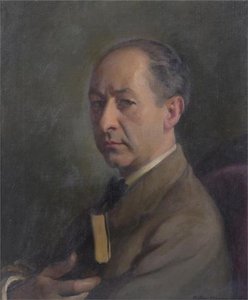
jaume pons i martí
1855 - 1931 , Spain
Основные сведения
- Artistic Movement Or Style: Realism
- Artists Or Movements Influenced By This Artist:
- Impressionism
- Cubism
- Artists Who Influenced This Artist: ['Jean-François Millet']
- Date Of Birth: 1855
- Date Of Death: 1931
- Full Name: Jean Désiré Gustave Courbet
- Nationality: French
- Notable Artworks:
- The Painter’s Studio
- L'Atelier du Peintre
- Bonjour Monsieur Courbet
- Place Of Birth: Ornans, France