

 Предпросмотр
 Поделиться
 Поделиться
 Детали произведения

 Скачать
 Похожие работы
 Рентгенография
 Слайд-шоу
 Статистика
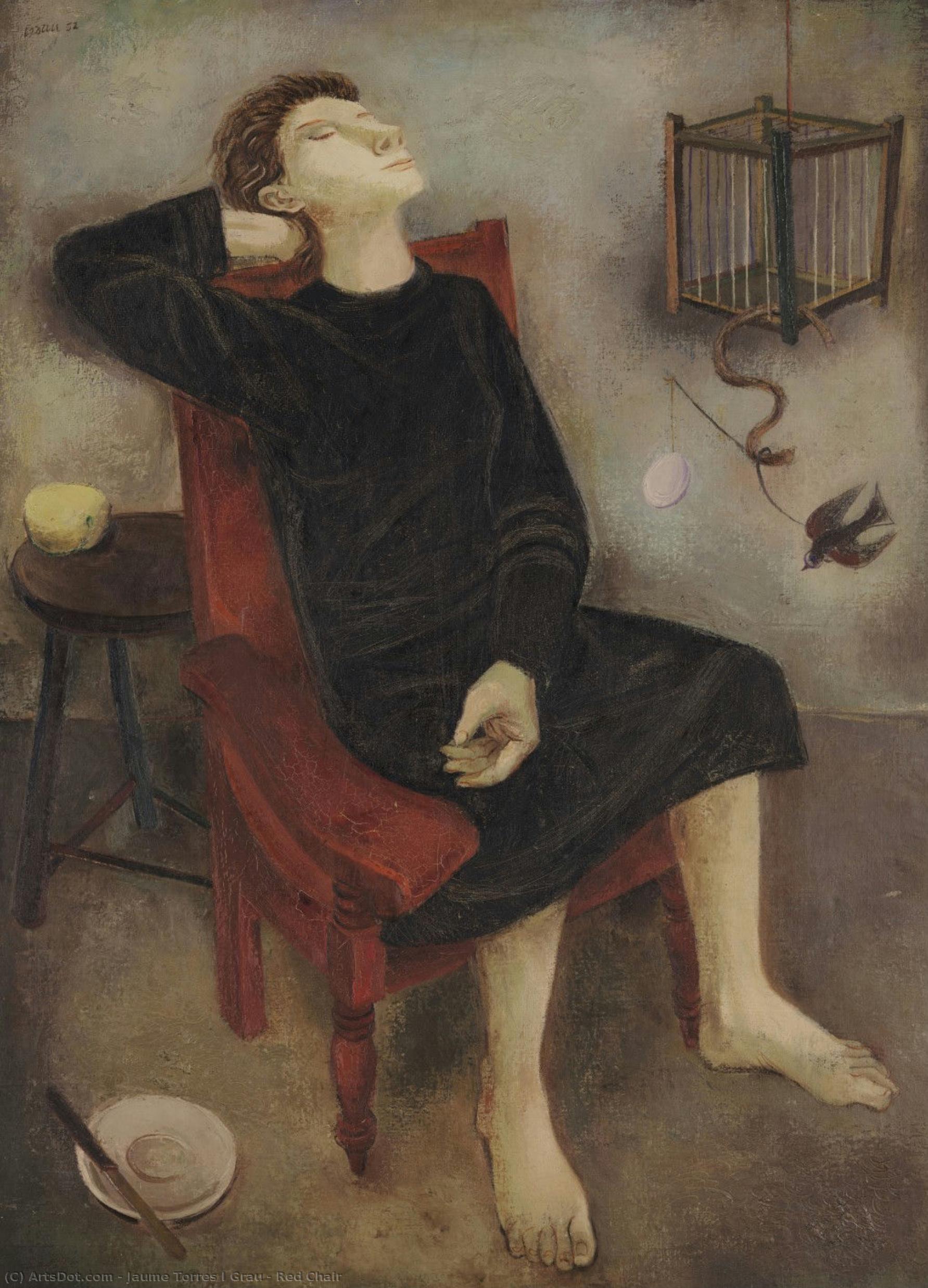
Red Chair
 1952
1952- Modern
 109.0 x 80.0 cm
 Национальный музей Колумбии
 Читать далее
Приобретите цифровое изображение высокого разрешения в улучшенном качестве, которое значительно превосходит онлайн-превью.
Каждый файл тщательно подготавливается нашими специалистами с использованием передовых инструментов и экспертной ручной ретуши. Мы гарантируем исключительную четкость, точную цветопередачу и детальную проработку каждого изображения.
Финальный файл доставляется по электронной почте в течение 72 часов и оптимизирован для немедленного использования в профессиональной среде, при верстке и печати. Это тот же уровень качества, которому доверяют ведущие дизайнерские студии, издательства и галереи.
Цифровое изображение
Скачайте файл высокого разрешения для личного использования, печати и творческих проектов. ( Перейти к печати Купить картину ручной работы)
Включено в каждый заказ цифровых изображений
Гарантия экспертной цифровой доставки
Выбирая ArtsDot.com, вы получаете не просто изображение — вы приобретаете профессионально обработанное цифровое произведение искусства, созданное с безупречной точностью и под защитой гарантии качества. Вот всё, что автоматически входит в ваш заказ:

Мгновенная доставка по e-mail
Ваш цифровой файл в высоком разрешении будет отправлен вам по электронной почте в течение 72 часов после оформления заказа — и сразу станет доступен для использования.

Цифровой файл с ИИ-улучшением
Ваше произведение искусства проходит профессиональную оптимизацию с использованием передовых инструментов ИИ и ручной обработки, что гарантирует максимальную детализацию, четкость и точность цветопередачи.

Бессрочная бесплатная повторная доставка
Случайно удалили или потеряли файл? Не беспокойтесь — мы отправим его вам повторно в любое время и совершенно бесплатно.

Без импортных пошлин — навсегда
Наслаждайтесь вашим произведением искусства мгновенно без таможенных пошлин, сборов или затрат на доставку — цифровые загрузки всегда не облагаются налогом.

Гарантия точности цветопередачи
Мы гарантируем, что ваше цифровое изображение максимально точно передает оригинальные цвета благодаря использованию профессиональных инструментов и систем управления цветом.

Гарантия удовлетворенности 100 дней
Если вы не будете удовлетворены своим цифровым изображением, мы внесем правки или вернем 100% стоимости в течение 100 дней — без лишних вопросов.

100% Гарантия возврата средств
Не удовлетворены покупкой? Получите полный возврат средств в течение 100 дней после получения цифрового файла — без лишних вопросов.

Скидки на оптовые заказы
Купите 3 изображения, сэкономьте 10% — Купите 5, сэкономьте 15% — Купите 10+, сэкономьте 20%. Отличное решение для творческих проектов, галерей и агентств.
A Moment of Quietude: The Soul of Red Chair
In the quiet corners of art history, certain works possess the uncanny ability to freeze time, capturing a fleeting breath of stillness amidst the chaos of existence. Red Chair, a poignant creation from 1952, serves as such a sanctuary. At first glance, the viewer is met with the intimate portrait of a woman, her form draped in a state of profound repose. She sits upon a striking red chair, her hands resting gently against its back, suggesting a moment of deep reflection or perhaps the heavy pull of sleep. There is an undeniable intimacy in her posture, inviting the observer to step into this private chamber and share in her silent, meditative trance.
The composition is masterfully balanced, weaving together elements of domesticity and subtle mystery. Beyond the central figure, the room breathes with its own quiet life; a birdcage hangs suspended from the ceiling, housing two small birds that act as silent witnesses to the woman's solitude. This inclusion of nature within the domestic sphere adds a layer of delicate tension—the caged beauty contrasting with the unconstrained stillness of the subject. Near the bottom corner, a simple bowl rests, grounding the scene in the tactile reality of everyday life. Every element feels intentional, contributing to an atmosphere that is both heavy with peace and light with the ephemeral nature of a passing thought.
Technique and the Language of Color
The visual impact of this piece relies heavily on its masterful use of color and texture. The Red Chair acts as the chromatic heartbeat of the painting, its bold, saturated hue commanding attention and providing a warm, structural anchor for the more muted tones of the surrounding room. This splash of crimson does not merely serve a decorative purpose; it vibrates against the softer, perhaps more melancholic palette used for the woman's skin and the shadows of the interior. The artist employs a technique that emphasizes form through light, allowing the contours of the woman's relaxed limbs to emerge from the background with a soft, almost dreamlike quality.
For the discerning collector or interior designer, this work offers a sophisticated interplay of warmth and tranquility. The way the light interacts with the textures—the perceived weight of the chair, the delicate feathers of the birds, and the smooth surface of the bowl—creates a multidimensional experience. It is a piece that does not shout for attention but rather commands it through a steady, rhythmic presence. When rendered as a high-quality reproduction, the depth of these colors and the subtle nuances of the brushwork can transform a modern living space into a gallery of contemplative elegance.
Symbolism and Emotional Resonance
Beyond its aesthetic beauty, Red Chair invites deep psychological inquiry. The symbolism of the birdcage is particularly evocative; it can be interpreted as a metaphor for the human condition—the tension between our desire for freedom and the comforts of the structures we build around ourselves. Is the woman truly at peace, or is her stillness a form of confinement? This ambiguity is precisely what gives the painting its enduring emotional resonance. It captures the bittersweet essence of solitude, where one can find both profound rest and a haunting sense of isolation.
To possess a reproduction of this work is to bring a piece of this complex emotional landscape into one's own home. It serves as a focal point for conversation and a source of inspiration for those who appreciate art that explores the depths of the human spirit. Whether placed in a sunlit study or a dimly lit library, the painting radiates a sense of timelessness, reminding us that even in our most quiet, solitary moments, there is a profound beauty to be found in the simple act of being.
Похожие произведения
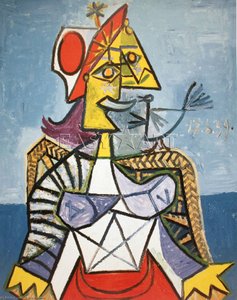
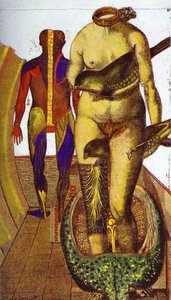
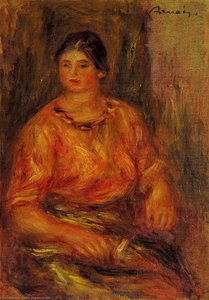
Биография художника
The Architect of Catalan Modernisme: Jaume Torres i Grau
In the vibrant, sun-drenched streets of Barcelona at the turn of the twentieth century, a profound architectural transformation was taking place, driven by the spirit of Modernisme. At the heart of this movement stood Jaume Torres i Grau, an architect whose vision helped sculpt the very identity of the Catalan capital. Born in 1879, Torres i Grau emerged from a period of intense cultural awakening, bringing to his craft a unique ability to blend ornamental beauty with structural innovation. His life and work serve as a testament to an era when architecture was not merely about shelter, but about expressing the soul of a nation through stone, iron, and intricate design.
The early years of Torres i Grau’s career were defined by a masterful command of the Modernista style, characterized by organic forms and a deep reverence for craftsmanship. Working alongside his brother Raimon within the Sociedad Hermanos Torres, Jaume contributed to some of the most iconic residential ensembles in Barcelona. His hands shaped the elegant facades of the buildings on Aribau and París streets between 1905 and 1907, where the rhythmic interplay of light and shadow across decorative elements created a sense of movement within the urban fabric. These works were not isolated structures but part of a larger dialogue with the city, reflecting the burgeoning prosperity and artistic ambition of the Catalan bourgeoisie.
A Transition Toward Classical Elegance
As the twentieth century progressed, the exuberant curves of Modernisme began to yield to new aesthetic currents. Torres i Grau demonstrated an extraordinary artistic plasticity, evolving his style in harmony with the shifting cultural tides of Spain. By the 1920s, his work underwent a significant metamorphosis, moving away from the floral excesses of his youth toward the more disciplined and monumental forms of Novecentismo. This period saw him embracing the grandeur of Baroque and Classicist influences, seeking a sense of order, permanence, and civic dignity.
This stylistic evolution is perhaps most brilliantly realized in his contribution to the Edificio de Correos y Telégrafos on Vía Layetana. In this monumental project, completed between 1926 and 1928, one can witness the architect's ability to command scale and authority. The transition from the whimsical to the classical allowed him to create spaces that felt both timeless and deeply rooted in the historical continuity of Europe. His later works were characterized by a sophisticated restraint, where the beauty lay in the precision of proportion and the strength of the architectural silhouette.
Legacy in the Heart of Barcelona
The enduring significance of Jaume Torres i Grau lies in his ability to have captured two distinct eras of Spanish history through the medium of built space. He was a bridge between the romantic, organic dreamscapes of the late 19th century and the structured, rationalist aspirations of the early 20th century. His architectural legacy remains etched into the very bones of Barcelona, visible in landmarks such as:
- Casa Ramos: A stunning example of his early mastery located in Plaza de Lesseps, showcasing the intricate detailing of the Modernista period.
- Casa Elena Castellano: An exquisite residential work on Calle de Santa Anna that exemplifies the delicate ornamentation of his formative years.
- The Central Post Office: A monumental achievement that stands as a pillar of the city's classical architectural heritage.
Though he passed away in 1945, the spirit of Torres i Grau continues to resonate through the streets he helped define. To walk through Barcelona is to engage in a silent conversation with his vision—a vision that transformed a growing metropolis into a living gallery of stone and light. His work remains an essential chapter in the story of Catalan identity, reminding us that architecture is the most permanent form of poetry.
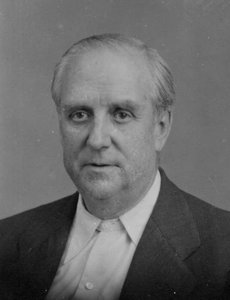
jaume torres i grau
1879 - 1945 , Spain
Основные сведения
- Artistic Movement Or Style: Expressionism, Surrealism, Bauhaus
- Artists Or Movements Influenced By This Artist:
- Kandinsky
- Bauhaus
- Artists Who Influenced This Artist:
- Leonardo da Vinci
- Wassily Kandinsky
- Date Of Birth: 18 December 1879
- Date Of Death: 29 June 1940
- Full Name: Paul Klee
- Nationality: Swiss-German
- Notable Artworks:
- Angelus Novus
- Senecio
- Twittering Machine
- Place Of Birth: Münchenbuchsee, Switzerland