

 Предпросмотр
 Поделиться
 Поделиться
 Детали произведения

 Скачать
 Похожие работы
 Рентгенография
 Слайд-шоу
 Статистика
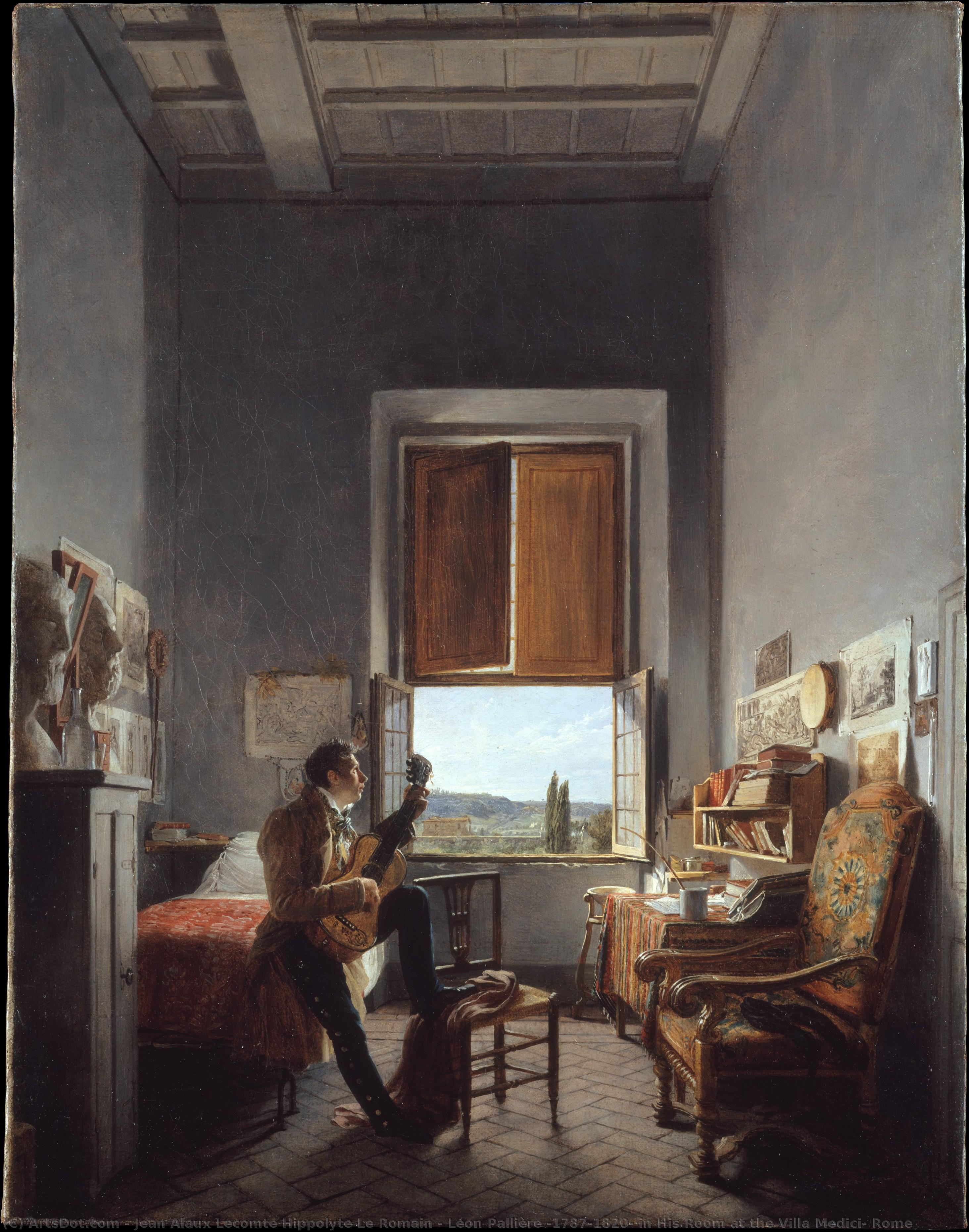
Léon Pallière (1787–1820) in His Room at the Villa Medici, Rome
 1817
1817 58.0 x 45.0 cm
 Музей Метрополитен
 Читать далее
Приобретите цифровое изображение высокого разрешения в улучшенном качестве, которое значительно превосходит онлайн-превью.
Каждый файл тщательно подготавливается нашими специалистами с использованием передовых инструментов и экспертной ручной ретуши. Мы гарантируем исключительную четкость, точную цветопередачу и детальную проработку каждого изображения.
Финальный файл доставляется по электронной почте в течение 72 часов и оптимизирован для немедленного использования в профессиональной среде, при верстке и печати. Это тот же уровень качества, которому доверяют ведущие дизайнерские студии, издательства и галереи.
Цифровое изображение
Скачайте файл высокого разрешения для личного использования, печати и творческих проектов. ( Перейти к печати Купить картину ручной работы)
Включено в каждый заказ цифровых изображений
Гарантия экспертной цифровой доставки
Выбирая ArtsDot.com, вы получаете не просто изображение — вы приобретаете профессионально обработанное цифровое произведение искусства, созданное с безупречной точностью и под защитой гарантии качества. Вот всё, что автоматически входит в ваш заказ:

Мгновенная доставка по e-mail
Ваш цифровой файл в высоком разрешении будет отправлен вам по электронной почте в течение 72 часов после оформления заказа — и сразу станет доступен для использования.

Цифровой файл с ИИ-улучшением
Ваше произведение искусства проходит профессиональную оптимизацию с использованием передовых инструментов ИИ и ручной обработки, что гарантирует максимальную детализацию, четкость и точность цветопередачи.

Бессрочная бесплатная повторная доставка
Случайно удалили или потеряли файл? Не беспокойтесь — мы отправим его вам повторно в любое время и совершенно бесплатно.

Без импортных пошлин — навсегда
Наслаждайтесь вашим произведением искусства мгновенно без таможенных пошлин, сборов или затрат на доставку — цифровые загрузки всегда не облагаются налогом.

Гарантия точности цветопередачи
Мы гарантируем, что ваше цифровое изображение максимально точно передает оригинальные цвета благодаря использованию профессиональных инструментов и систем управления цветом.

Гарантия удовлетворенности 100 дней
Если вы не будете удовлетворены своим цифровым изображением, мы внесем правки или вернем 100% стоимости в течение 100 дней — без лишних вопросов.

100% Гарантия возврата средств
Не удовлетворены покупкой? Получите полный возврат средств в течение 100 дней после получения цифрового файла — без лишних вопросов.

Скидки на оптовые заказы
Купите 3 изображения, сэкономьте 10% — Купите 5, сэкономьте 15% — Купите 10+, сэкономьте 20%. Отличное решение для творческих проектов, галерей и агентств.
Похожие произведения








Биография художника
Jean-Alaux Lecomte Hippolyte Le Romain: A Master of Napoleonic Drama
The world of 19th-century art is replete with depictions of military conflict, yet few artists managed to capture the visceral reality and dramatic intensity of battle with such compelling power as Jean-Alaux Lecomte Hippolyte Le Romain. Born in Paris in 1786, Le Romain’s career unfolded against the backdrop of a rapidly changing Europe – a continent grappling with the legacy of Napoleon Bonaparte and perpetually poised on the brink of war. His life, though tragically cut short in 1864, left behind a remarkable body of work that continues to resonate with its dramatic realism and profound understanding of human experience under extreme pressure.
Le Romain’s early artistic training remains somewhat shrouded in mystery, but it is believed he initially studied at the École des Beaux-Arts in Paris. However, his true passion lay not in idealized landscapes or classical subjects, but in the gritty details of military life and the harrowing spectacle of war. This fascination was fueled by a deep respect for history and a keen interest in the Napoleonic era – an era that had profoundly shaped France and Europe. He quickly established himself as a painter specializing in historical paintings, particularly those depicting significant battles and campaigns from the French Revolutionary period through the reign of Napoleon.
The Rise of a Military Romantic
Le Romain’s artistic style evolved dramatically over his career, reflecting both the prevailing trends of the Romantic movement and his own unique vision. Initially influenced by the works of artists like David, he gradually developed a more dynamic and emotionally charged approach. His paintings are characterized by their meticulous attention to detail – from the uniforms of the soldiers to the terrain of the battlefield – yet they never succumb to mere technical virtuosity. Instead, Le Romain used these details to create a sense of immediacy and authenticity, drawing the viewer directly into the heart of the action.
A key element of his style was his masterful use of light and shadow. He employed dramatic chiaroscuro – strong contrasts between light and dark – to heighten the emotional impact of his scenes. The smoke-filled skies, the flickering flames of burning buildings, and the desperate faces of the soldiers all contribute to a sense of chaos and urgency. Furthermore, Le Romain’s compositions are often deliberately asymmetrical, creating a feeling of instability and movement that mirrors the tumultuous nature of war. He wasn't simply illustrating battles; he was conveying the psychological toll on those who fought them.
Notable Works and Influences
Le Romain’s most celebrated works depict pivotal moments from the Napoleonic Wars, including the Battle of Austerlitz (1805), the Battle of Borodino (1812), and the Battle of Waterloo (1815). His painting “Bivouac d'Osterode” (1807), depicting the aftermath of a Russian campaign, is particularly noteworthy for its depiction of exhausted soldiers huddled around a meager fire – a poignant reminder of the human cost of war. His work "Bass ophicleide view 1" showcases his ability to capture the sounds and atmosphere of battle through visual representation.
While Le Romain was undoubtedly influenced by the Romantic tradition, he also drew inspiration from classical art and military history. He meticulously researched historical accounts and consulted with veterans to ensure the accuracy of his depictions. Interestingly, his work "Léon Pallière (1787–1820) in His Room at the Villa Medici, Rome" demonstrates a shift towards a more intimate and contemplative style, possibly reflecting a period of personal reflection or artistic experimentation.
Legacy and Historical Significance
Jean-Alaux Lecomte Hippolyte Le Romain’s paintings remain significant not only for their artistic merit but also for their historical documentation. They offer invaluable insights into the realities of warfare during the Napoleonic era, providing a visceral understanding of the experiences of soldiers on the front lines. His work helped to shape public perception of war and its consequences, moving beyond romanticized notions of heroism and glory.
Despite his untimely death in 1864, Le Romain’s legacy endures. His paintings are held in prominent museums throughout France and Europe, and continue to be studied by art historians and military scholars alike. He stands as a testament to the power of art to capture history, evoke emotion, and illuminate the human condition – particularly in times of conflict. His ability to translate the chaos and drama of battle onto canvas cemented his place as one of the most important artists of the 19th century.
jean alaux lecomte hippolyte le romain
1786 - 1864
Основные сведения
- Artistic Movement Or Style: Historical painting
- Date Of Birth: 1786
- Date Of Death: 1864
- Full Name: Jean-Alaux Lecomte Hippolyte Le Romain
- Nationality: French
- Notable Artworks:
- Bivouac d'Osterode
- Bass ophicleide view
- Place Of Birth: Paris, France