

 Предпросмотр
 Поделиться
 Поделиться
 Детали произведения

 Скачать
 Похожие работы
 Рентгенография
 Слайд-шоу
 Статистика
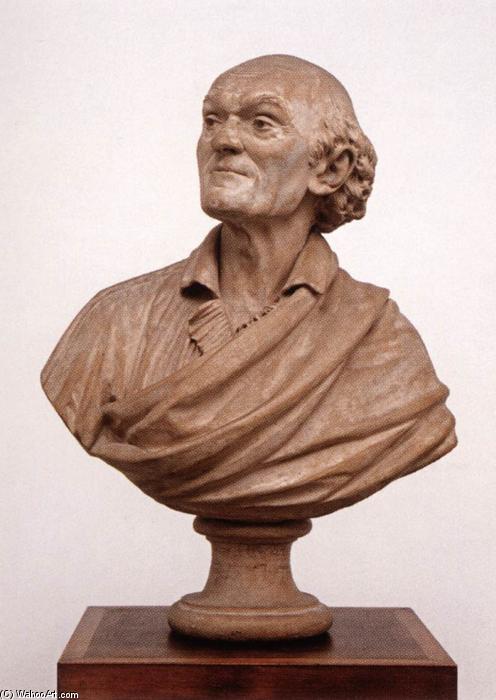
Portrait of Joseph Jérôme Lalande


 Читать далее
Приобретите цифровое изображение высокого разрешения в улучшенном качестве, которое значительно превосходит онлайн-превью.
Каждый файл тщательно подготавливается нашими специалистами с использованием передовых инструментов и экспертной ручной ретуши. Мы гарантируем исключительную четкость, точную цветопередачу и детальную проработку каждого изображения.
Финальный файл доставляется по электронной почте в течение 72 часов и оптимизирован для немедленного использования в профессиональной среде, при верстке и печати. Это тот же уровень качества, которому доверяют ведущие дизайнерские студии, издательства и галереи.
Цифровое изображение
Скачайте файл высокого разрешения для личного использования, печати и творческих проектов. ( Перейти к печати Купить картину ручной работы)
Включено в каждый заказ цифровых изображений
Гарантия экспертной цифровой доставки
Выбирая ArtsDot.com, вы получаете не просто изображение — вы приобретаете профессионально обработанное цифровое произведение искусства, созданное с безупречной точностью и под защитой гарантии качества. Вот всё, что автоматически входит в ваш заказ:

Мгновенная доставка по e-mail
Ваш цифровой файл в высоком разрешении будет отправлен вам по электронной почте в течение 72 часов после оформления заказа — и сразу станет доступен для использования.

Цифровой файл с ИИ-улучшением
Ваше произведение искусства проходит профессиональную оптимизацию с использованием передовых инструментов ИИ и ручной обработки, что гарантирует максимальную детализацию, четкость и точность цветопередачи.

Бессрочная бесплатная повторная доставка
Случайно удалили или потеряли файл? Не беспокойтесь — мы отправим его вам повторно в любое время и совершенно бесплатно.

Без импортных пошлин — навсегда
Наслаждайтесь вашим произведением искусства мгновенно без таможенных пошлин, сборов или затрат на доставку — цифровые загрузки всегда не облагаются налогом.

Гарантия точности цветопередачи
Мы гарантируем, что ваше цифровое изображение максимально точно передает оригинальные цвета благодаря использованию профессиональных инструментов и систем управления цветом.

Гарантия удовлетворенности 100 дней
Если вы не будете удовлетворены своим цифровым изображением, мы внесем правки или вернем 100% стоимости в течение 100 дней — без лишних вопросов.

100% Гарантия возврата средств
Не удовлетворены покупкой? Получите полный возврат средств в течение 100 дней после получения цифрового файла — без лишних вопросов.

Скидки на оптовые заказы
Купите 3 изображения, сэкономьте 10% — Купите 5, сэкономьте 15% — Купите 10+, сэкономьте 20%. Отличное решение для творческих проектов, галерей и агентств.
A Portrait of Enlightenment: Jean-Antoine Houdon’s Bust of Joseph Jérôme Lalande
The bronze bust of Joseph Jérôme Lalande, created in 1802 by Jean-Antoine Houdon, transcends mere representation; it embodies the spirit of the Enlightenment—a testament to humanist ideals and a profound exploration of intellect. Standing before this sculpture is akin to stepping into a moment frozen in time, capturing not just the physical appearance of the astronomer but also his inner contemplation and unwavering dedication to scientific inquiry.- Subject Matter: Lalande (1752-1826) was a French astronomer renowned for his meticulous observations and contributions to celestial mechanics. Houdon’s commission aimed to immortalize him as a symbol of intellectual brilliance and the pursuit of knowledge during an era defined by reason and scientific advancement.
- Style: Houdon's style exemplifies Neoclassicism, rejecting the ornate excesses of Rococo art in favor of clarity, restraint, and idealized forms inspired by classical Greek sculpture. The bust’s smooth surfaces and subtle modeling convey a sense of dignified composure—a deliberate contrast to the turbulent political landscape of his time.
- Technique: Houdon employed traditional bronze casting techniques, meticulously sculpting the likeness from wax before applying a patina – a chemical process that transforms the metal surface into a rich brown hue. This painstaking method ensured an enduring finish, preserving Lalande’s visage for generations to come. The sculpture rests upon a resin base, providing stability and complementing the bronze material.
Похожие произведения
Биография художника
Jean-Antoine Houdon: The Neoclassical Sculptor With A-List Sitters
Jean-Antoine Houdon, born in Versailles in 1741, stands as a pivotal figure bridging the Rococo and Neoclassical eras—a sculptor whose work embodies the intellectual fervor and evolving aesthetic sensibilities of the eighteenth century. His life unfolded amidst dramatic shifts in French society, from the waning opulence of the monarchy through the revolutionary upheaval and Napoleonic ascendance. Yet, Houdon remained remarkably consistent in his artistic vision: to capture not merely a likeness, but the very essence of his subjects—their intellect, character, and inner lives—in enduring marble and bronze. This dedication stemmed from an early aptitude for sculpture, nurtured by formal training at the Académie Royale de Peinture et de Sculpture beginning in 1752 under esteemed sculptors like René-Michel Slodtz, Jean-Baptiste Lemoyne, and Jean-Baptiste Pigalle. His subsequent enrollment at the École Royale des Élèves Protégés from 1761 to 1764 solidified his foundation, culminating in a triumphant win of the Prix de Rome competition in 1761—an award that granted him invaluable study time with classical art firsthand in Italy, an experience profoundly shaping his aesthetic sensibilities.Early Training and Artistic Foundations
Houdon’s artistic journey commenced at a remarkably young age—nine years old—when he began sculpting under the tutelage of Michel Ange Slodtz, Jean-Baptiste Lemoyne, and Jean-Baptiste Pigalle at the Académie Royale de Peinture et de Sculpture. These masters instilled in him a deep understanding of anatomical principles and sculptural technique, laying the groundwork for his future achievements. The École Royale des Élèves Protégés further honed his skills, providing him with access to the Louvre’s studios—a privilege afforded by his father's position as concierge—where he immersed himself in the study of ancient sculptures and artistic traditions. This formative experience instilled in Houdon a lifelong fascination with classical art and its influence on aesthetic expression. The Prix de Rome competition proved to be a decisive moment, securing him a prestigious scholarship to Rome and granting him unparalleled opportunity to engage directly with the masterpieces of antiquity—a pivotal step in shaping his distinctive style.The Triumph of Verisimilitude: A Revolutionary Approach
Unlike many sculptors of his time who idealized their subjects according to prevailing artistic conventions, Houdon championed verisimilitude—the faithful representation of reality—as paramount to achieving artistic excellence. He meticulously studied human anatomy, dissecting cadavers and conducting detailed observations to gain a profound understanding of the human form. This dedication to realism extended beyond mere physical accuracy; Houdon sought to penetrate the surface, revealing the personality and intellect within his subjects. His sculptures weren’t merely portraits; they were psychological explorations—capturing not just how someone looked but *who* they were—their emotions, motivations, and inner thoughts. He achieved this remarkable feat through subtle nuances in expression, posture, and the rendering of details like the eyes—often carved with a slight concavity to capture the play of light and suggest inner contemplation. This innovative technique distinguished Houdon from his contemporaries and established him as a pioneer of sculptural realism.Classical Influences and Artistic Style
Houdon’s artistic style was profoundly influenced by the Baroque tradition, particularly the dramatic grandeur and expressive dynamism of Bernini—whom he admired greatly during his time in Rome. However, he swiftly assimilated the lessons of antiquity, embracing classical ideals of beauty and proportion while simultaneously rejecting excessive ornamentation. His sculptures often featured idealized poses reminiscent of Greek statues—a deliberate stylistic choice that reflected his conviction in the enduring power of classical art as a source of inspiration. Yet, Houdon’s approach was never purely imitative; he infused his works with a distinctive humanist sensibility—capturing not just physical likeness but also psychological depth and emotional resonance. He skillfully blended classical influences with Baroque dynamism, creating sculptures that were both aesthetically refined and emotionally compelling. His meticulous attention to detail—evident in the rendering of skin textures, drapery folds, and facial expressions—further cemented his reputation as one of France’s greatest sculptors.A Pantheon of Enlightenment Figures: Portraits That Speak Volumes
Jean-Antoine Houdon's legacy rests primarily on his extraordinary portrait sculptures—a genre he elevated to an art form capable of profound psychological insight and historical documentation. He amassed a remarkable clientele comprising intellectuals, statesmen, artists, and aristocrats—individuals who recognized the transformative power of capturing their likenesses with unparalleled accuracy and sensitivity. His portraits weren’t merely decorative objects; they were windows into the minds and souls of his subjects—revealing their character traits, intellectual pursuits, and emotional states. Houdon's ability to convey not just *how* someone looked but *who* they were—a feat achieved through subtle nuances in expression, posture, and the rendering of details like the eyes—set him apart from his peers and established him as a master sculptor whose work continues to captivate audiences today. Among his most celebrated portraits are those of Voltaire, Benjamin Franklin, Denis Diderot, George Washington, Thomas Jefferson, and Napoleon Bonaparte—each sculpture embodying the spirit of its subject with remarkable eloquence and conviction. Houdon’s enduring influence can be seen in the works of countless artists who followed him—a testament to his pioneering contribution to sculptural realism and his unwavering commitment to capturing the human condition with artistic brilliance.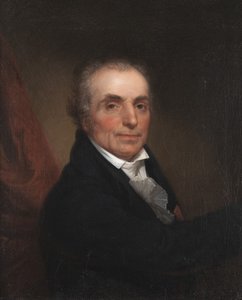
Жан-Антуан Гудон
1741 - 1828 , Франция
Основные сведения
- Artistic Movement Or Style: Неоклассицизм
- Artists Or Movements Influenced By This Artist: ['Канова']
- Artists Who Influenced This Artist:
- Рене-Мишель Слотц
- Жан-Баптист Лемуан
- Жан-Баптист Пигаль
- Date Of Birth: 1741
- Full Name: Jean-Antoine Houdon
- Nationality: Французский
- Notable Artworks:
- Статуя Вашингтона
- Вольтер
- Бенджамин Франклин
- Place Of Birth: Versailles, Франция