

 Предпросмотр
 Поделиться
 Поделиться
 Детали произведения

 Скачать
 Похожие работы
 Рентгенография
 Слайд-шоу
 Статистика
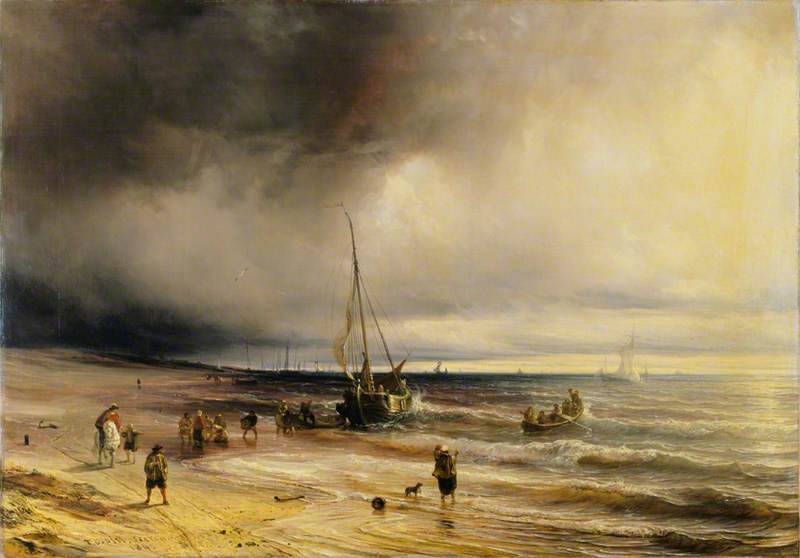
A Dutch Coast Scene
 1846
1846 88.0 x 126.0 cm
 Уоллоус Коллекшн
 Читать далее
Приобретите цифровое изображение высокого разрешения в улучшенном качестве, которое значительно превосходит онлайн-превью.
Каждый файл тщательно подготавливается нашими специалистами с использованием передовых инструментов и экспертной ручной ретуши. Мы гарантируем исключительную четкость, точную цветопередачу и детальную проработку каждого изображения.
Финальный файл доставляется по электронной почте в течение 72 часов и оптимизирован для немедленного использования в профессиональной среде, при верстке и печати. Это тот же уровень качества, которому доверяют ведущие дизайнерские студии, издательства и галереи.
Цифровое изображение
Скачайте файл высокого разрешения для личного использования, печати и творческих проектов. ( Перейти к печати Купить картину ручной работы)
Включено в каждый заказ цифровых изображений
Гарантия экспертной цифровой доставки
Выбирая ArtsDot.com, вы получаете не просто изображение — вы приобретаете профессионально обработанное цифровое произведение искусства, созданное с безупречной точностью и под защитой гарантии качества. Вот всё, что автоматически входит в ваш заказ:

Мгновенная доставка по e-mail
Ваш цифровой файл в высоком разрешении будет отправлен вам по электронной почте в течение 72 часов после оформления заказа — и сразу станет доступен для использования.

Цифровой файл с ИИ-улучшением
Ваше произведение искусства проходит профессиональную оптимизацию с использованием передовых инструментов ИИ и ручной обработки, что гарантирует максимальную детализацию, четкость и точность цветопередачи.

Бессрочная бесплатная повторная доставка
Случайно удалили или потеряли файл? Не беспокойтесь — мы отправим его вам повторно в любое время и совершенно бесплатно.

Без импортных пошлин — навсегда
Наслаждайтесь вашим произведением искусства мгновенно без таможенных пошлин, сборов или затрат на доставку — цифровые загрузки всегда не облагаются налогом.

Гарантия точности цветопередачи
Мы гарантируем, что ваше цифровое изображение максимально точно передает оригинальные цвета благодаря использованию профессиональных инструментов и систем управления цветом.

Гарантия удовлетворенности 100 дней
Если вы не будете удовлетворены своим цифровым изображением, мы внесем правки или вернем 100% стоимости в течение 100 дней — без лишних вопросов.

100% Гарантия возврата средств
Не удовлетворены покупкой? Получите полный возврат средств в течение 100 дней после получения цифрового файла — без лишних вопросов.

Скидки на оптовые заказы
Купите 3 изображения, сэкономьте 10% — Купите 5, сэкономьте 15% — Купите 10+, сэкономьте 20%. Отличное решение для творческих проектов, галерей и агентств.
Похожие произведения






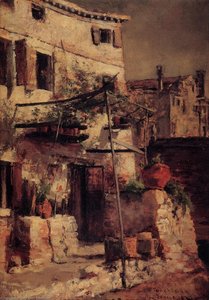
Биография художника
Early Life and Artistic Beginnings
Jean Antoine Théodore Gudin, born in Paris in 1802, embarked on a life that would inextricably link his name to the romantic depiction of the sea. His early years remain somewhat shrouded in mystery; accounts suggest a modest upbringing with a mother who shouldered the responsibility of raising him and his brother, Jean-Louis. A brief enrollment at naval school hinted at an initial path toward maritime service, but it was a journey to New York that proved pivotal, exposing him to a world far removed from Parisian ateliers and igniting a fascination with the ocean’s boundless energy. This experience, coupled with mingling amongst Bonapartist exiles, instilled in him a unique perspective—a blend of adventure, political awareness, and an appreciation for the power of nature.
Returning to Paris in 1822, Gudin found himself drawn toward art, inspired by his brother’s studies under Horace Vernet. He entered the studio of Anne-Louis Girodet, a master known for his dramatic compositions and meticulous technique. This formal training provided him with a solid foundation in draftsmanship and composition, but it was an event in 1823 that would profoundly shape his artistic sensibility: a harrowing shipwreck on the Seine River. While he survived, the tragic loss of his brother left an indelible mark, fueling a lifelong connection to the sea—not merely as a subject of beauty, but as a force capable of both awe-inspiring grandeur and devastating power.
A Rising Star in the Salon Era
Gudin’s debut at the Paris Salon in 1824 marked the beginning of his ascent within the French art world. He quickly gained recognition for his evocative seascapes, capturing the dynamic interplay of light, water, and sky with a burgeoning Romantic sensibility. His talent did not go unnoticed by King Louis Philippe I, who commissioned him to paint a depiction of the ship that had carried Gudin on his American voyage—a testament to the growing appreciation for his unique style. By 1828, he was further honored with a commission from Charles X to portray Ensign Hippolyte Bisson’s heroic act of self-sacrifice, solidifying his reputation as a painter capable of capturing both historical drama and emotional intensity.
The Algerian Expedition in 1830 proved to be another turning point. Traveling alongside French Navy officer Abel Aubert du Petit-Thouars, Gudin immersed himself in the sights and sounds of naval warfare, meticulously sketching scenes that would later form the basis for a series of powerful paintings. This experience not only honed his technical skills but also deepened his understanding of maritime life and strategy.
Peintre de la Marine and Courtly Patronage
Upon his return from Algeria, Gudin was appointed one of the first two official Peintres de la Marine, a prestigious title bestowed by King Louis Philippe. This appointment signaled a new era in French naval art, recognizing the importance of documenting and celebrating the nation’s maritime prowess. Alongside Louis-Philippe Crépin, Gudin played a crucial role in establishing a tradition of romantic seascapes that would define the genre for decades to come.
The patronage of both Louis Philippe I and Napoleon III provided Gudin with unparalleled opportunities. He embarked on extensive painting trips throughout Europe—Italy, Switzerland, Russia—capturing diverse coastal landscapes and naval scenes. His commissions included a monumental series of ninety paintings depicting victories of the French Navy for the Palace of Versailles, a project that, while ambitious, reportedly took a toll on his health. Despite these challenges, Gudin continued to produce a prolific body of work, earning accolades from across Europe—including the cross Pour le Mérite in Berlin in 1845.
Legacy and Historical Significance
Jean Antoine Théodore Gudin’s influence extended beyond the canvas. He was not only a celebrated painter but also a dedicated advocate for maritime safety, playing a key role in establishing the Société centrale de sauvetage des naufragés in 1864—a testament to his enduring connection to the sea and its inherent dangers. His daughter, Henriette Gudin, followed in his footsteps, becoming a respected marine painter herself.
Gudin’s work embodies the spirit of Romanticism, characterized by dramatic compositions, emotional intensity, and a fascination with the power of nature. He masterfully captured the beauty and terror of the sea, elevating naval scenes from mere documentation to compelling works of art. His paintings served not only as historical records but also as powerful symbols of French national pride and maritime ambition. Today, his legacy continues to inspire artists and captivate audiences worldwide, cementing his place as one of the most important marine painters of the 19th century.
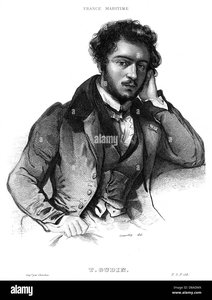
jean antoine théodore de gudin
1802 - 1880