

 Предпросмотр
 Поделиться
 Поделиться
 Детали произведения

 Скачать
 Похожие работы
 Рентгенография
 Слайд-шоу
 Статистика
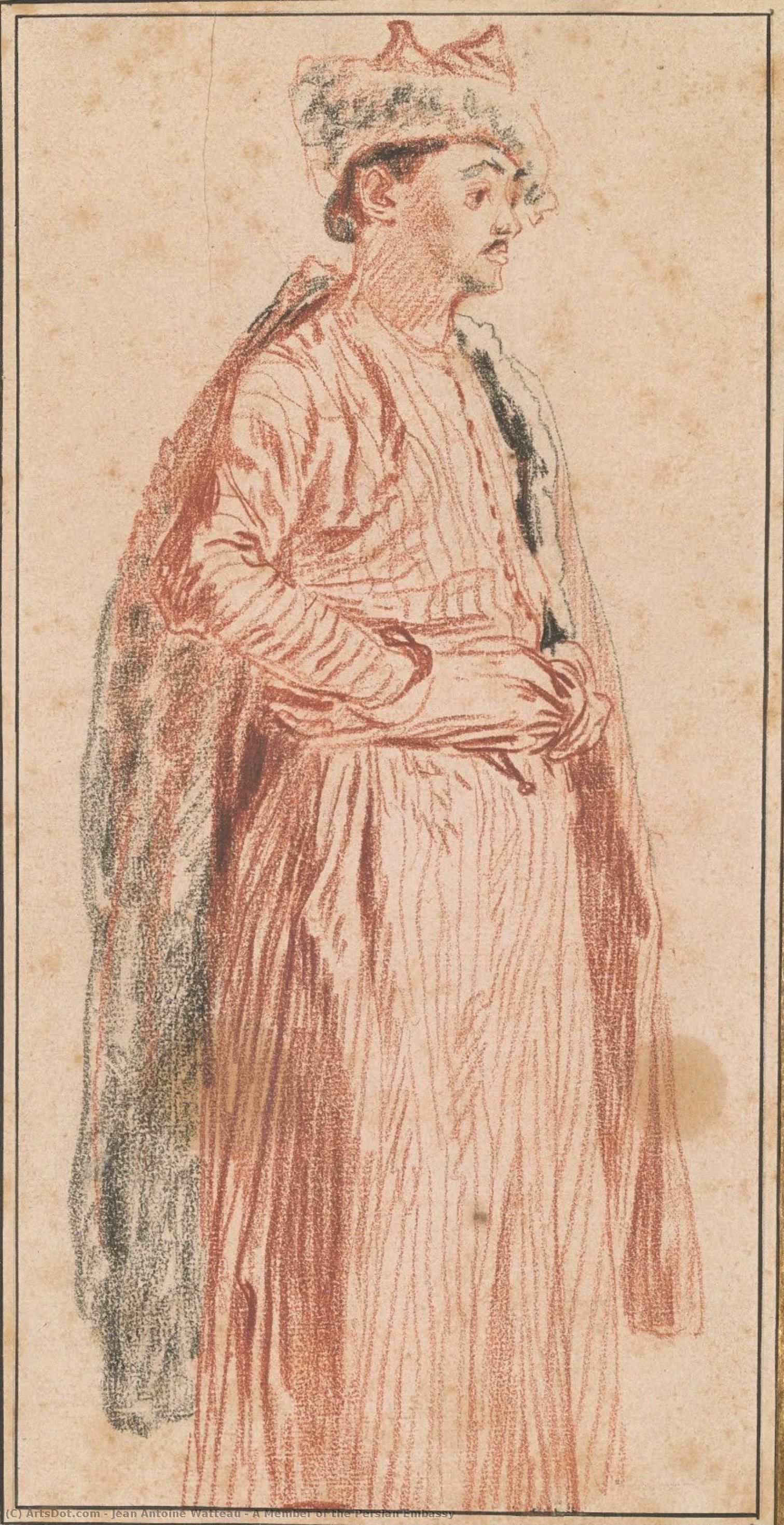
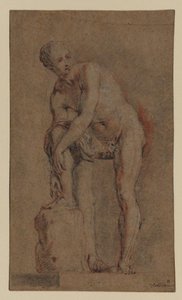
A Member of the Persian Embassy
 Acrylic On Canvas
- WallArt
- Rococo
 1715
1715- Renaissance
 29.0 x 14.0 cm
 Читать далее
Приобретите цифровое изображение высокого разрешения в улучшенном качестве, которое значительно превосходит онлайн-превью.
Каждый файл тщательно подготавливается нашими специалистами с использованием передовых инструментов и экспертной ручной ретуши. Мы гарантируем исключительную четкость, точную цветопередачу и детальную проработку каждого изображения.
Финальный файл доставляется по электронной почте в течение 72 часов и оптимизирован для немедленного использования в профессиональной среде, при верстке и печати. Это тот же уровень качества, которому доверяют ведущие дизайнерские студии, издательства и галереи.
Цифровое изображение
Скачайте файл высокого разрешения для личного использования, печати и творческих проектов. ( Перейти к печати Купить картину ручной работы)
Включено в каждый заказ цифровых изображений
Гарантия экспертной цифровой доставки
Выбирая ArtsDot.com, вы получаете не просто изображение — вы приобретаете профессионально обработанное цифровое произведение искусства, созданное с безупречной точностью и под защитой гарантии качества. Вот всё, что автоматически входит в ваш заказ:

Мгновенная доставка по e-mail
Ваш цифровой файл в высоком разрешении будет отправлен вам по электронной почте в течение 72 часов после оформления заказа — и сразу станет доступен для использования.

Цифровой файл с ИИ-улучшением
Ваше произведение искусства проходит профессиональную оптимизацию с использованием передовых инструментов ИИ и ручной обработки, что гарантирует максимальную детализацию, четкость и точность цветопередачи.

Бессрочная бесплатная повторная доставка
Случайно удалили или потеряли файл? Не беспокойтесь — мы отправим его вам повторно в любое время и совершенно бесплатно.

Без импортных пошлин — навсегда
Наслаждайтесь вашим произведением искусства мгновенно без таможенных пошлин, сборов или затрат на доставку — цифровые загрузки всегда не облагаются налогом.

Гарантия точности цветопередачи
Мы гарантируем, что ваше цифровое изображение максимально точно передает оригинальные цвета благодаря использованию профессиональных инструментов и систем управления цветом.

Гарантия удовлетворенности 100 дней
Если вы не будете удовлетворены своим цифровым изображением, мы внесем правки или вернем 100% стоимости в течение 100 дней — без лишних вопросов.

100% Гарантия возврата средств
Не удовлетворены покупкой? Получите полный возврат средств в течение 100 дней после получения цифрового файла — без лишних вопросов.

Скидки на оптовые заказы
Купите 3 изображения, сэкономьте 10% — Купите 5, сэкономьте 15% — Купите 10+, сэкономьте 20%. Отличное решение для творческих проектов, галерей и агентств.
A Glimpse into a Vanishing World: Decoding Watteau’s ‘A Member of the Persian Embassy’
This captivating drawing by Jean-Antoine Watteau offers a poignant study in character and costume, transporting us back to an era of diplomatic exchange and exotic fascination. Created in 1715, the work depicts a figure identified as belonging to the Persian embassy that visited France during this period – a significant event that stirred considerable public interest. The subject is rendered with remarkable detail, his elaborate robes and crowned head suggesting both status and perhaps a touch of melancholy. Watteau doesn’t present a triumphant ambassador, but rather a man seemingly lost in thought, creating an intimate portrait beyond mere documentation.Rococo Sensibility & Artistic Technique
Watteau's style is immediately recognizable as bridging the gap between the Baroque and Rococo movements. While possessing a grounding in realistic representation – evident in the meticulous rendering of fabric folds and facial features – there’s an underlying *finesse* and elegance characteristic of the emerging Rococo aesthetic. The drawing showcases Watteau’s mastery of drypoint or hatching techniques, utilizing varying line weights to create texture and depth with remarkable subtlety. The limited palette of browns and reddish-brown tones contributes to a sense of age and faded grandeur, evoking a nostalgic atmosphere. This isn't simply a portrait; it is an exercise in tonal modeling and textural representation that highlights Watteau’s technical brilliance.Historical Context & Cultural Exchange
The arrival of the Persian embassy in France was a cultural phenomenon. It sparked widespread curiosity about the East, influencing fashion, decorative arts, and even literature. Watteau's drawing reflects this fascination, offering a glimpse into the exotic attire and bearing of these visitors. However, it’s important to note that Watteau likely never saw the ambassador directly; his depiction is based on descriptions and perhaps earlier sketches made during public viewings. This distance lends an air of romanticized observation to the work, rather than strict documentary accuracy. The piece serves as a visual record of a moment in history where East met West, filtered through the lens of 18th-century French artistic sensibility.Emotional Resonance & Lasting Appeal
Beyond its historical and technical merits, ‘A Member of the Persian Embassy’ possesses a compelling emotional depth. The subject's downcast gaze and subtly melancholic expression invite contemplation. Is he weary from travel? Reflective about his mission? Or perhaps simply observing the unfamiliar customs around him? Watteau masterfully conveys a sense of quiet dignity and introspection, making this drawing more than just a portrait; it’s a study in human emotion. The small scale (29 x 14 cm) further enhances its intimacy, drawing the viewer into a close encounter with this enigmatic figure from another world. This piece would be an exquisite addition to any collection focused on 18th-century art, portraiture, or cultural exchange.Похожие произведения

![Three Studies Of A Woman's Head And A Study Of Hands [recto], — Ватто, Rococo Style](/media/artworks/images-thumb/65/73/65730255a762c06e3235059db7ffcb5f.jpg)
Биография художника
A Delicate Brushstroke: The Life and Art of Jean-Antoine Watteau
Jean-Antoine Watteau, a name synonymous with the blossoming Rococo style, emerged from the northern French city of Valenciennes in 1684. His brief but incandescent career irrevocably altered the course of eighteenth-century painting, shifting its focus from the grandeur and drama of the Baroque to an intimate world of elegance, leisure, and subtle emotion. Unlike many artists who followed a clearly defined path, Watteau’s journey was marked by initial struggles for recognition within the established art institutions of Paris. Born into a family of modest means—his father a master roofer—young Jean-Antoine displayed an early aptitude for drawing, initially sketching the colorful characters and bustling scenes of his hometown streets. This formative experience instilled in him a keen eye for observation and a fascination with everyday life, themes that would permeate his later work. His initial training under local artists Jacques-Albert Gérin and Julien provided a foundation, but it was his move to Paris around 1702 that truly ignited his artistic development.From Theatrical Scenes to *Fêtes Galantes*
In the vibrant heart of Paris, Watteau entered the workshop of Claude Gillot, a painter specializing in theatrical designs and the popular genre of *fêtes galantes*—depictions of aristocratic outdoor entertainments. This apprenticeship proved pivotal. Gillot’s influence exposed Watteau to the world of commedia dell'arte, with its masked characters and playful narratives, which would become a recurring motif throughout his oeuvre. However, Watteau’s artistic sensibilities didn’t neatly align with the rigid categories favored by the Académie Royale de Peinture et de Sculpture. His genre paintings were deemed unsuitable for official recognition, leading to initial rejection when he attempted to compete for the prestigious Prix de Rome. Undeterred, and demonstrating a remarkable resilience, Watteau persevered, eventually gaining acceptance as a *maître amateur* in 1717—a status that allowed him to exhibit his work independently. This period marked a crucial turning point, allowing him to fully develop his unique style characterized by luminous colors, delicate brushwork, and an air of wistful melancholy. He began to move away from direct theatrical representation towards more poetic and evocative scenes, inventing the *fête galante* as a distinct genre—idyllic gatherings in park-like settings where aristocratic figures engaged in flirtatious pursuits and refined pastimes.The Essence of Rococo: Style and Masterpieces
Watteau’s paintings are instantly recognizable for their distinctive qualities. He possessed an unparalleled ability to capture the elegance and refinement of aristocratic life, not through bombastic displays of power or wealth, but through subtle gestures, nuanced expressions, and a masterful use of light and color. His figures exude a poetic grace and a delicate emotional depth that sets them apart from the more formal portraits of his predecessors. The Country Dance (1718-1721), perhaps one of his most celebrated works, exemplifies this perfectly—a vibrant scene depicting carefree rustic life with exquisite detail and an underlying sense of longing. Other masterpieces such as Ceres (Summer) (1705) demonstrate his skill in portraying the beauty of nature and the human form, while The Embarkation for Cythera (1717) and its companion piece, Pilgrimage to Cythera, are iconic depictions of mythological journeys to the island of love, imbued with a sense of mystery and romantic yearning. Even his theatrical portraits, like Gilles (1719), possess an enigmatic quality that invites contemplation. Watteau’s technique was equally innovative; he employed a feathery brushstroke and a delicate layering of colors to create a shimmering effect, capturing the fleeting beauty of light and atmosphere.Legacy and Enduring Influence
Watteau's artistic lineage is complex, drawing inspiration from diverse sources. He deeply admired Venetian Renaissance masters like Titian and Veronese, particularly their rich color palettes and dynamic compositions. The influence of Flemish artists such as Rubens is also evident in his energetic brushwork and sensuous figures. However, Watteau didn’t simply imitate these predecessors; he synthesized their influences into something entirely new and uniquely his own—a style that became the hallmark of Rococo painting. Despite a tragically short life—he succumbed to tuberculosis in 1721 at the age of just thirty-seven—Watteau left an indelible mark on art history. His work profoundly influenced generations of artists, including Fragonard and Boucher, who further developed the themes and techniques he pioneered. He redefined genre painting, elevating it to a level of artistic sophistication previously reserved for historical or religious subjects. Today, his paintings are treasured in major museums worldwide—from the National Gallery of Art in Washington D.C. to the Museo del Prado in Madrid—continuing to captivate audiences with their beauty, grace, and enduring appeal, solidifying his place as one of the most important and beloved artists of the Rococo period.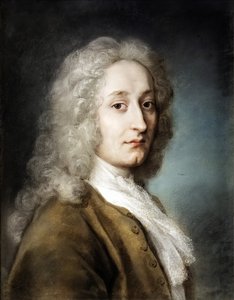
Ватто
1684 - 1721 , Франция
Основные сведения
- Artistic Movement Or Style: Рококо
- Artists Or Movements Influenced By This Artist:
- Фржегонд
- Боше
- Ватто
- Artists Who Influenced This Artist:
- Титян
- Веронезе
- Рембрандт
- Date Of Birth: 1684
- Date Of Death: 1721
- Full Name: Jean-Antoine Watteau
- Nationality: Француз
- Notable Artworks:
- Танец в деревне
- Церера (Лето)
- Договор женитьбы
- Place Of Birth: Валенсиенн, Франция