 Предпросмотр
 Поделиться
 Поделиться
 Детали произведения

 Скачать
 Похожие работы
 Рентгенография
 Слайд-шоу
 Статистика
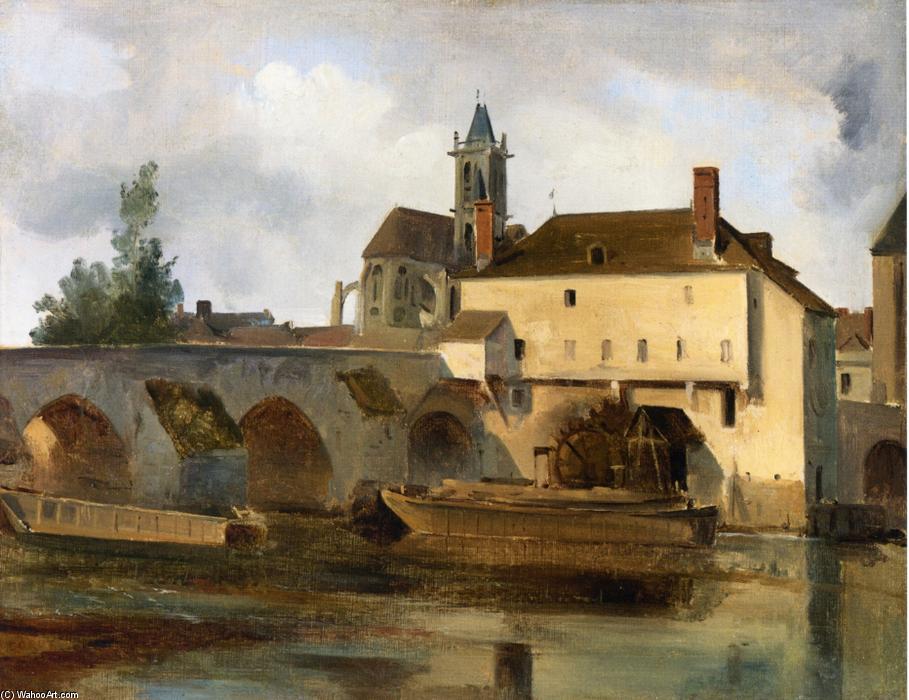
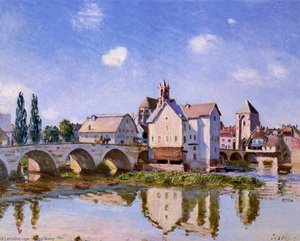
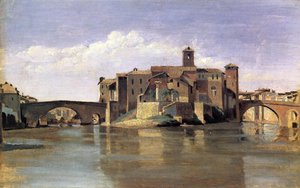
Moret sur Loing, the Bridge and the Church


 Читать далее
Жикле / Арт-принт
Печать (жикле) или холст музейного качества с быстрыми сроками изготовления и широким выбором вариантов отделки. ( Купить картину ручной работы Перейти к цифровым изображениям)




P118B $10

P118H $10

P118W $10

P438Z $10

P508JH $12

P508YH $12

P805H $10

P805Z $10

P919BZ $10

P919G $10

P919XJ $10

P959ZH $10

P968JZ $12

W106C $8

W218G $10

W218JH $8

W218Y $10

W307PJ $10

W316G $10

W316PJ $8

W316Y $10

W398PJ $8

W4111J $10

W500HY $15

W500JH $15

W692G $12

W849H $8

W940BG $15

W953PJ $8

Выберите один из наших стандартных размеров, соответствующих оригинальным пропорциям произведения искусства.

Вы можете указать свои собственные размеры, чтобы репродукция идеально подошла под конкретную раму или пространство. Если выбранный вами размер не будет соответствовать пропорциям оригинала, мы либо обрежем произведение, либо дополним изображение зеркальным отражением краев или однотонной заливкой. Перед началом производства вам будет отправлен цифровой макет для утверждения.
Пожалуйста, обратите внимание, что предварительный просмотр на экране не отображает фактическую обрезку или расширение изображения. Только макет точно покажет финальную композицию.
Несмотря на возможность заказа индивидуальных размеров, мы рекомендуем выбирать размер из предопределенного списка, чтобы сохранить оригинальные пропорции.
Доставка по всему миру () за 2 недели вместо стандартных 4/5 недель. (13 Сентябрь)

Бесплатная экспресс-доставка по всему миру

Высококачественный льняной холст

Полное страхование доставки

Гарантия возмещения таможенных пошлин

Гарантия точного соответствия цветов

100-дневная политика возврата (только при обнаружении дефектов)

Гарантия возврата 100% средств

Предложение оптовых скидок
 Вариант со стеклом доступен только для размеров менее 110 см

Moret sur Loing, the Bridge and the Church
Жикле / Арт-принт
Размер репродукции
-


Итоговая стоимость
$ 62
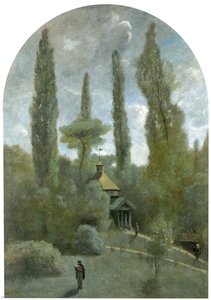
The Little Valley
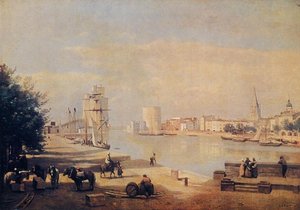
Jean-Baptiste Camille Corot’s “Moret sur Loing,” painted in 1822, stands as an emblem of the Barbizon School's aesthetic—a movement that championed direct observation of nature and eschewed academic conventions. This serene landscape captures the essence of Moret-sur-Loing, nestled along the confluence of the Seine and Loing rivers, offering a glimpse into rural French life during Corot’s formative years.- Subject Matter: The painting depicts a picturesque valley bathed in soft sunlight, dominated by rolling hills covered in lush vegetation—primarily grasses and shrubs—creating an idyllic pastoral scene.
- Style & Technique: Corot employed his signature technique of “plein air” painting, applying thin layers of oil paint with delicate brushstrokes to achieve remarkable tonal gradations and atmospheric perspective. The artist’s masterful handling of light is particularly noteworthy, conveying a palpable sense of tranquility and warmth.
- Historical Context: Painted during Corot's early career, “Moret sur Loing” reflects the Barbizon School’s rejection of idealized representations favored by Neoclassical artists. Instead, it embraced realism—albeit imbued with poetic sensibility—capturing the beauty of the natural world as perceived by artists who sought to reconnect with tradition and escape the constraints of Parisian artistic circles.
- Symbolism: The valley itself symbolizes harmony and simplicity—values central to Barbizon ideals. The gentle slopes, dappled sunlight, and vibrant greenery evoke feelings of peace, contemplation, and connection to the rhythms of nature.
- Subject Matter: The painting portrays a traditional windmill—a prominent feature of Montmartre’s agricultural heritage—standing proudly amidst undulating hillsides dotted with trees.
- Style & Technique: Unlike his earlier works, “A Windmill in Montmartre” demonstrates Corot's mastery of tonal modulation and atmospheric haze, achieved through meticulous blending and layering of oil paint. The artist skillfully captures the diffused light filtering through the clouds, creating a luminous effect that enhances the painting’s emotional impact.
- Historical Context: Painted during Corot’s mature artistic phase—a time marked by experimentation with color and technique—the windmill scene reflects the Barbizon School's fascination with capturing fleeting moments of beauty in rural landscapes.
- Emotional Impact: The painting evokes feelings of nostalgia for a bygone era—a reminder of France’s agricultural traditions and its connection to the natural world. Its serene composition invites viewers to immerse themselves in the contemplative atmosphere of Montmartre’s countryside.
- Subject Matter: The painting portrays a sailboat gliding away from the riverbank—a common sight in Parisian harbors during Corot’s lifetime—accompanied by a woman and child seated on board.
- Style & Technique: “Le Batelier Quittant La Rive Avec Une Femme Et Un Enfant Assis Dans Sa Barque, Soleil Couchant 2” showcases Corot's refined technique of tonal blending and atmospheric perspective—achieved through meticulous layering of oil paint to create a luminous effect that captures the subtle nuances of twilight.
- Historical Context: Painted during Corot’s later years—a period marked by experimentation with color and texture—the seascape reflects the Barbizon School's fascination with portraying dramatic landscapes under changing conditions.
- Emotional Impact: The painting evokes feelings of wistfulness and contemplation—expressing the beauty of fleeting moments in nature and capturing the melancholic mood of sunset over the Seine.
- Subject Matter: The painting portrays fishermen diligently pursuing eels in a tranquil pond—reflecting Corot’s fascination with capturing the rhythms of rural life during his excursions abroad.
- Style & Technique: “The Eel Gatherers” demonstrates Corot's masterful handling of tonal modulation and atmospheric haze—achieved through subtle blending and layering of oil paint to convey a sense of serenity and realism.
- Historical Context: Painted during Corot’s mature artistic phase—a time marked by experimentation with color and technique—the eel gathering scene embodies the Barbizon School's commitment to portraying landscapes as perceived by artists who sought to reconnect with tradition and escape the constraints of Parisian artistic circles.
- Emotional Impact: The painting evokes feelings of peace and contentment—expressing the beauty of rural simplicity and capturing the tranquil atmosphere of a sunlit pond.
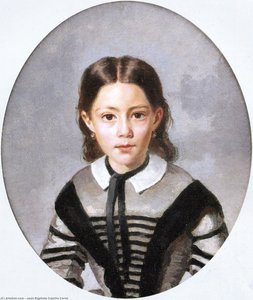
- Subject Matter: The painting portrays a young girl engrossed in reading—a symbol of intellectual curiosity and feminine grace—within the serene setting of her home.
- Style & Technique: “Young Girl Reading” showcases Corot’s masterful handling of tonal modulation and atmospheric perspective—achieved through subtle blending and layering of oil paint to convey a sense of realism and emotional depth.
- Historical Context: Painted during Corot’s later years—a time marked by experimentation with color and texture—the portrait reflects the Barbizon School's fascination with portraying human subjects in landscapes—capturing their inner lives alongside the beauty of the natural world.
- Emotional Impact: The painting evokes feelings of warmth, tenderness, and contemplation—expressing the serenity of domestic life and capturing the quiet beauty of a sunlit interior.
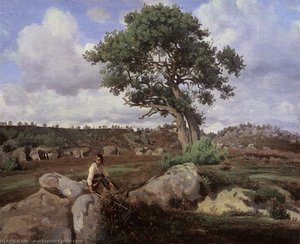
- Subject Matter: The painting portrays a single tree—a symbol of resilience and solitude—standing majestically amidst lush foliage—capturing the beauty of natural detail with meticulous precision.
- Style & Technique: “Study of a Tree” demonstrates Corot’s masterful handling of tonal modulation and atmospheric perspective—achieved through subtle blending and layering of oil paint to convey a sense of realism and emotional depth.
- Historical Context: Painted during Corot’s later years—a time marked by experimentation with color and texture—the tree study embodies the Barbizon School's commitment to portraying landscapes as perceived by artists who sought to reconnect with tradition and escape the constraints of Parisian artistic circles.
- Emotional Impact: The painting evokes feelings of peace, contemplation, and admiration for the grandeur of nature—expressing the serenity of rural solitude and capturing the beauty of natural detail.
- Subject Matter: The painting portrays a bridge crossing the Seine—a prominent feature of Mantes’ riverside landscape—illuminated by dappled sunlight
Похожие произведения



Биография художника
A Life Immersed in Light and Landscape
Jean-Baptiste-Camille Corot, имя, которое звучит с тихой красотой французской пейзажной живописи XIX века, родился в комфортной парижской буржуазной семье 16 июля 1796 года. Хотя изначально его направляли по коммерческому пути, судьба – и, возможно, внутренняя художественная чувствительность – вмешались. Ранние годы его прошли как нетрадиционное воспитание; он был оставлен на попечение медсестры в сельской местности недалеко от Иза-Адам до четырех лет, что позволило ему развить глубокую связь с природой, которая навсегда сформировала его художественное видение. Это первоначальное погружение в сельскую тишину резко контрастировало с шумной городской жизнью, ожидавшей его, но заложило основу для жизненного стремления запечатлеть мимолетные качества света и атмосферы. Его родители, успешные мельники, обеспечили финансовую стабильность, давая Корроту свободу исследовать свой растущий интерес к живописи после неудачной попытки заниматься торговыми делами – редкое привилегию для начинающих художников того времени. Эта поддержка была решающей, позволяя ему полностью посвятить себя искусству без немедленных давлениях по зарабатыванию на жизнь.From Academic Foundations to Plein-Air Innovation
Формальное художественное образование Коррота началось со занятий у Ахилле Этна Мишаллона и позже Жан-Виктора Бертина, оба уважаемых пейзажистов, погруженных в неоклассическую традицию. Это заложило в нем методичный подход к композиции и форме, подчеркивая ясность и структуру. Однако Коррот не был доволен тем, чтобы просто копировать устоявшиеся стили; он стремился к чему-то более аутентичному, способу передать не только *что* он видел, но и *как* это было бы чувствовать себя погруженным в пейзаж. Переломный момент наступил с его первым путешествием в Италию в 1825 году. Римская Кампанья, залитая золотым светом и пропитанная историей, разжег его воображение. Он провел годы зарисовывая и рисуя на открытом воздухе – практику, которая тогда была относительно нераспространенной – непосредственно из природы, что позволило ему запечатлеть тонкие нюансы света и тени, деликатные атмосферные эффекты, которые стали отличительной чертой его стиля. Он не просто фиксировал топографические детали; он стремился вызвать настроение, ощущение спокойствия и гармонии. Его ранние итальянские работы демонстрируют ясность формы и яркую палитру, вдохновленные классическими идеалами, но уже намекают на более мягкий, выразительный подход, который определил его зрелый стиль. Он тщательно изучал мастеров, копируя их работы в римских галереях, но всегда фильтровал эти уроки через свое все более чувствительное восприятие природы.A Bridge Between Traditions
Художественное развитие Коррота не было линейным; это было тонкое равновесие между традицией и инновациями. Он регулярно выставлял свои работы на Парижском салоне, изначально получая признание за произведения, основанные на неоклассических принципах. Однако по мере того как он продолжал исследовать живопись на открытом воздухе, его стиль начал меняться. Он отошел от высокодетализированных, завершенных композиций в сторону более свободной манеры и приглушенной палитры. Этот сдвиг не был полным отказом от академических принципов; скорее это было попыткой привнести в них непосредственность и эмоциональную выразительность прямого наблюдения. Он стал мастером тонализма, используя тонкие вариации значений для создания глубины и атмосферы. Его пейзажи не были о драматических повествованиях или грандиозных жестах; они были о тихом созерцании, красоте обыденных сцен – лесной роще, залитой солнечным светом, спокойной речной береговой линии. Этот подход нашел отклик у растущей аудитории, стремящейся к отдыху от быстрого индустриального развития и социальных потрясений XIX века. Он умело сочетал элементы реализма с почти поэтическим чувством, создавая пейзажи, которые казались одновременно знакомыми и глубоко личными. Он не был заинтересован в грандиозных заявлениях или политических заявлениях; его искусство было о поиске красоты в обычном, возвышении обыденного до сферы спокойного созерцания.Legacy and Enduring Influence
Наследие Жан-Батиста-Камиля Коррота трудно переоценить. Он стал ключевой фигурой, связывающей неоклассическую традицию с развивающейся импрессионистской школой. Художники, такие как Моне, Писсарро и Сислей, глубоко восхищались его способностью запечатлеть мимолетные эффекты света и атмосферы, и они использовали его инновации в своих новаторских работах. Коррот не был просто предшественником импрессионизма; он был уникальным и значительным художником сам по себе. Его обширный творческий корпус – включающий пейзажи, портреты и фигурные работы – продолжает очаровывать аудиторию своей спокойной красотой и эмоциональной глубиной. Его произведения можно найти в крупных музеях по всему миру, включая Музей искусств в Данкирке и Музей Корбера в Орнане, Франция, а также Национальную галерею в Лондоне и Метрополитен-музеи в Нью-Йорке. Он умер 22 февраля 1875 года, оставив после себя наследие, которое продолжает вдохновлять художников и любителей искусства – свидетельство непреходящей силы света, пейзажа и спокойного созерцания. *Покой* (Le Repose), *Прерывание чтения* и *Агостина* остаются знаковыми примерами его мастерства, демонстрирующими его способность запечатлеть не только физический мир, но и внутреннюю жизнь своих субъектов с поразительной чувствительностью и грацией. Его влияние распространяется далеко за пределы живописи; он способствовал духу художественной свободы и поощрял молодых художников находить свой собственный голос, укрепив свое место в истории искусства.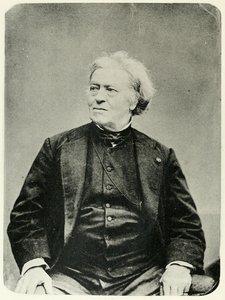
Жан-Батист Кёро
1796 - 1875 , Франция
Основные сведения
- Artistic Movement Or Style: Реализм, Импрессионизм
- Artists Or Movements Influenced By This Artist:
- Моне
- Писсарро
- Сислеи
- Artists Who Influenced This Artist:
- Мишалло́н
- Бертин
- Date Of Birth: 16 июля 1796 г.
- Date Of Death: 22 февраля 1875 г.
- Full Name: Jean-Baptiste-Camille Corot
- Nationality: Француз
- Notable Artworks:
- Отдых
- Чтение
- Агостина
- Place Of Birth: Париж, Франция