

 Предпросмотр
 Поделиться
 Поделиться
 Детали произведения

 Скачать
 Похожие работы
 Рентгенография
 Слайд-шоу
 Статистика
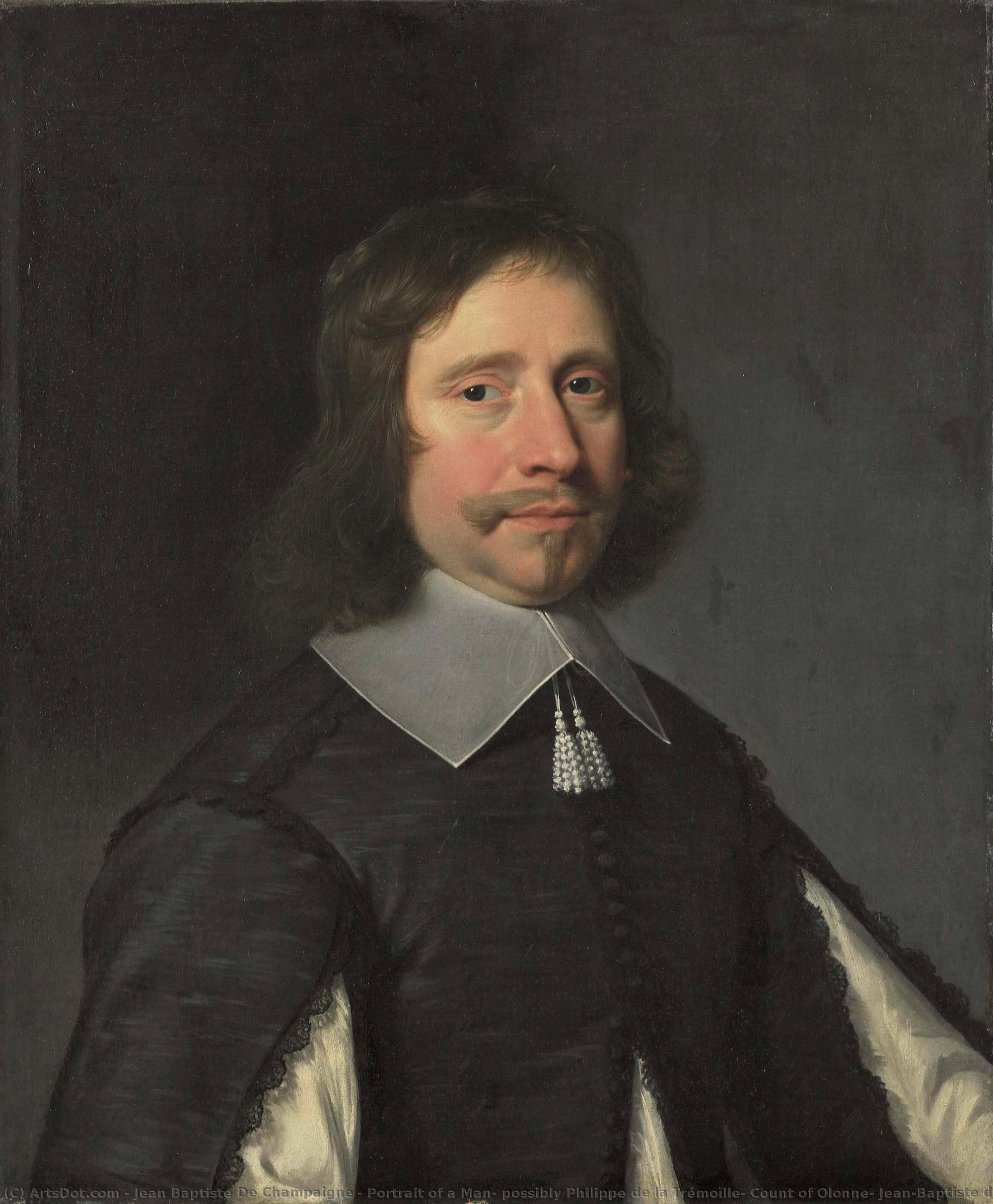
Portrait of a Man, possibly Philippe de la Trémoïlle, Count of Olonne, Jean-Baptiste de Champaigne (attributed to), 1641 - 1681
 1681
1681 66.0 x 55.0 cm
 Читать далее
Масляная репродукция ручной работы
Картина маслом на холсте в выбранном вами размере и раме, написанная на заказ нашими художниками. ( Перейти к печати Перейти к цифровым изображениям)




































Выберите один из наших стандартных размеров, соответствующих оригинальным пропорциям произведения искусства.

Вы можете указать собственные размеры, чтобы картина идеально вписалась в выбранную раму или пространство. Если выбранный вами размер не соответствует пропорциям оригинала, мы либо обрежем полотно, либо расширим его за счет дополнительных элементов, написанных вручную. Цифровой макет будет отправлен вам на утверждение перед началом производства.
Обратите внимание, что предварительный просмотр на экране не отражает фактическую обрезку или расширение. Только макет точно покажет окончательную композицию.
Хотя доступны индивидуальные размеры, мы рекомендуем выбирать вариант из предопределенного списка, чтобы сохранить исходные пропорции.
После оформления заказа команда ArtsDot.com свяжется с клиентом по электронной почте для уточнения деталей и предоставит предварительный макет
Доставка по всему миру () за 3–4 недели вместо стандартных 5 недель. (13 Сентябрь). Без компромиссов в качестве.

Бесплатная экспресс-доставка по всему миру

Высококачественный льняной холст

Полное страхование доставки

Гарантия возмещения таможенных пошлин

Гарантия точного соответствия цветов

100-дневная политика возврата (только при обнаружении дефектов)

Гарантия возврата 100% средств

Предложение оптовых скидок
 Вариант со стеклом доступен только для размеров менее 110 см

Portrait of a Man, possibly Philippe de la Trémoïlle, Count of Olonne, Jean-Baptiste de Champaigne (attributed to), 1641 - 1681
Техника репродукции
Размер репродукции
-


Итоговая стоимость
$ 263
Похожие произведения








Биография художника
Jean Baptiste de Champaigne (1631 – 1681): Bridging Flanders and Paris
Jean Baptiste de Champaigne stands as a pivotal figure in the artistic landscape of the seventeenth century, embodying the fervent spirit of Baroque painting while simultaneously navigating the intellectual currents flowing from Antwerp to Paris. Born in Brussels in 1631, he emerged from a lineage steeped in artistic tradition – his uncle, Philippe de Champaigne, established himself as a celebrated painter in Paris and profoundly influenced Jean Baptiste’s formative years. This connection cemented Champaigne's trajectory toward Parisian artistic excellence, shaping not only his technique but also his worldview.- Early Life & Training: Jean Baptiste received his initial artistic education under Philippe’s tutelage, absorbing the stylistic innovations of Mannerism and embracing the dramatic grandeur characteristic of the Baroque movement.
- The Florentine Influence: Recognizing the importance of mastering classical ideals, Champaigne undertook a transformative journey to Italy in 1658, dedicating himself to meticulously copying masterpieces by Raphael and Titian – experiences that instilled within him an unwavering commitment to anatomical accuracy and compositional balance.
Religious Artistry: Martyrdom of St Lawrence & Beyond
Champaigne’s artistic output is predominantly defined by his devotion to religious iconography, reflecting the prevailing piety of his era. His depiction of “The Martyrdom of St Lawrence,” housed in the Musée Magnin in Dijon, exemplifies his masterful command of chiaroscuro – dramatic contrasts between light and dark – skillfully conveying both physical suffering and spiritual transcendence. The painting’s meticulous detail and emotive portrayal underscore Champaigne's ability to infuse biblical narratives with palpable human emotion.- Technical Skill: Champaigne’s technique showcased a profound understanding of pigment mixing, brushwork, and perspective, hallmarks of Flemish Baroque painting.
- Symbolism & Emotion: His compositions frequently employed symbolic gestures and visual metaphors to communicate theological concepts, demonstrating his sensitivity to the spiritual dimension of art.
Academic Recognition & Parisian Legacy
Returning from Italy, Champaigne secured a prestigious position at the Académie Royale de peinture et de sculpture in Paris in 1671 – an institution that served as a crucible for artistic innovation and intellectual debate. Remarkably, he survived longer than Philippe’s own children, fostering a familial bond akin to mentorship and ensuring his son’s upbringing mirrored Champaigne's own privileged artistic education. This nurturing environment undoubtedly contributed to Jean Baptiste’s enduring contribution to French Baroque painting.- Teaching Role: As a teacher, Champaigne instilled in his pupils the principles of observation, disegno (drawing), and expressive color – shaping the artistic sensibilities of future generations.
- Influence on Parisian Art Scene: His presence at the Académie solidified Champaigne’s reputation as a leading artist and educator, bolstering Paris's position as Europe’s foremost center for artistic excellence.
Notable Works & Artistic Style
Beyond “The Martyrdom of St Lawrence,” Champaigne produced several portraits – notably “Portrait of a Man, possibly Philippe de la Trémoïlle, Count of Olonne” – demonstrating his ability to capture the psychological complexity and aristocratic grandeur of his subjects. His style blended Flemish realism with Italian Mannerist elegance, resulting in paintings characterized by refined facture, luminous color palettes, and an unwavering commitment to anatomical precision. Jean Baptiste de Champaigne’s legacy continues to inspire artists today, securing his place as a cornerstone of Baroque art history.Further Exploration
For deeper insights into Jean Baptiste de Champaigne's artistic journey and contributions, consult the resources available at Wikipedia and The National Gallery of Art.
Jean Baptiste de Champaigne
1631 - 1681 , Belgium
Основные сведения
- Artistic Movement Or Style: Baroque
- Artists Or Movements Influenced By This Artist: Raphael, Titian
- Artists Who Influenced This Artist: Philippe de Champaigne
- Date Of Birth: Brussels, Belgium (1631)
- Date Of Death: Paris (1681)
- Full Name: Jean Baptiste de Champaigne
- Nationality: Flemish
- Notable Artworks: ['The Martyrdom of St Lawrence']
- Place Of Birth: Brussels