


 Предпросмотр
 Поделиться
 Поделиться
 Детали произведения

 Скачать
 Похожие работы
 Рентгенография
 Слайд-шоу
 Статистика
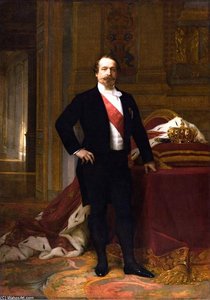
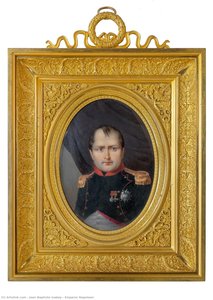
Portrait of the Emperor Napoleon III


 Читать далее
Жикле / Арт-принт
Печать (жикле) или холст музейного качества с быстрыми сроками изготовления и широким выбором вариантов отделки. ( Купить картину ручной работы Перейти к цифровым изображениям)




































Выберите один из наших стандартных размеров, соответствующих оригинальным пропорциям произведения искусства.

Вы можете указать свои собственные размеры, чтобы репродукция идеально подошла под конкретную раму или пространство. Если выбранный вами размер не будет соответствовать пропорциям оригинала, мы либо обрежем произведение, либо дополним изображение зеркальным отражением краев или однотонной заливкой. Перед началом производства вам будет отправлен цифровой макет для утверждения.
Пожалуйста, обратите внимание, что предварительный просмотр на экране не отображает фактическую обрезку или расширение изображения. Только макет точно покажет финальную композицию.
Несмотря на возможность заказа индивидуальных размеров, мы рекомендуем выбирать размер из предопределенного списка, чтобы сохранить оригинальные пропорции.
Доставка по всему миру () за 2 недели вместо стандартных 4/5 недель. (15 Сентябрь)

Бесплатная экспресс-доставка по всему миру

Высококачественный льняной холст

Полное страхование доставки

Гарантия возмещения таможенных пошлин

Гарантия точного соответствия цветов

100-дневная политика возврата (только при обнаружении дефектов)

Гарантия возврата 100% средств

Предложение оптовых скидок
 Вариант со стеклом доступен только для размеров менее 110 см

Portrait of the Emperor Napoleon III
Жикле / Арт-принт
Размер репродукции
-


Итоговая стоимость
$ 62
Похожие произведения
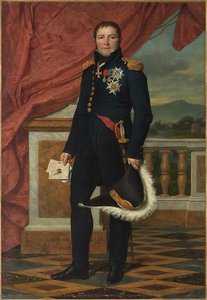
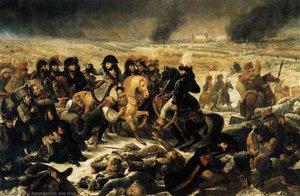
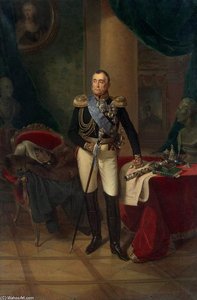
![[reproduction Of Napoleon On The Battlefield Of Eylau By Antoine-jean Gros] — Антуан-жан Гро, Romanticism](/media/artworks/images-thumb/71/d6/71d675b2075901060e862865eec8e2f4.jpg)
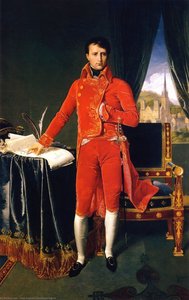
Биография художника
Jean-Baptiste Fortuné de Fournier: Capturing Imperial Elegance Through Watercolor
Jean-Baptiste Fortuné de Fournier (1797 – 1864) stands as a significant figure in French watercolor painting during the Second Empire, specifically renowned for his meticulous depictions of castle interiors—a genre that offers invaluable insight into the opulent tastes and decorative arts prevalent at the time. Born in Nice, France, he descended from Luigi Antonio Fournier, an Italian diplomat, establishing him within a milieu steeped in artistic patronage and intellectual curiosity. His early life fostered a passion for art, culminating in formal training and a dedication to mastering watercolor techniques—a medium favored by artists seeking subtlety and luminosity.- Early Influences & Artistic Training: Fournier’s formative years coincided with the burgeoning Romantic movement, exposing him to dramatic landscapes and emotive narratives. However, he swiftly gravitated towards the neoclassical ideals championed by Jacques-Nicolas Paillot Guérard and Alexandre Cabanel, absorbing their emphasis on idealized forms and precise draughtsmanship.
- Castle Interiors: A Defining Genre Fournier’s artistic breakthrough arrived with his fascination for capturing the grandeur of French castles—Saint-Cloud, Fontainebleau, and Villa San Donato being among his most celebrated subjects. Unlike grand canvases portraying historical events or mythological tales, these watercolors focused on intimate spaces—drawing rooms adorned with sumptuous fabrics, dining halls illuminated by candlelight, and corridors reflecting the aristocratic lifestyle of the era.
- Technique & Aesthetic Considerations: Fournier’s watercolor style was characterized by a remarkable level of detail and tonal gradation. He skillfully employed layering techniques to achieve depth and atmosphere, meticulously rendering textures—from velvet drapery to polished marble floors—with astonishing accuracy. His palette favored muted hues—primarily blues, greens, and golds—creating an ambiance that conveyed both elegance and tranquility.
Notable Works & Recognition
Fournier’s artistic output yielded several noteworthy pieces that continue to captivate collectors and scholars alike. Among his most acclaimed commissions were watercolors of Saint-Cloud Palace, meticulously documenting the royal residence during Napoleon III's reign. Similarly, Villa San Donato—the papal summer villa in Florence—became a subject of fascination, showcasing Fournier’s ability to convey the grandeur and refinement of Italian aristocratic culture. His works are preserved in prestigious institutions such as the Louvre Museum’s Drawing Cabinet and the Musée du Second Empire in Compiègne Palace, cementing his legacy as an artist who faithfully documented the visual landscape of his time.Historical Significance & Legacy
Fournier's contribution to art history extends beyond mere aesthetic appreciation; he served as a crucial recorder of social and cultural trends during the Second Empire—a period marked by imperial ambition, artistic innovation, and lavish displays of wealth. His watercolors offer invaluable documentation for historians studying decorative arts and interior design—providing tangible evidence of the stylistic preferences that shaped Parisian society. Furthermore, Fournier’s meticulous observation of naturalistic detail—particularly in depictions of flora and fauna—reflects a broader intellectual movement concerned with scientific inquiry and artistic representation.Further Exploration
For those interested in delving deeper into Jean-Baptiste Fortuné de Fournier's oeuvre, the British Museum’s collection features a portrait of Napoleon III by this artist (https://www.britishmuseum.org/collection/term/BIOG27664). Examining his artistic influences and comparing his style with contemporaries like Alexandre Cabanel provides valuable context for understanding the broader artistic landscape of 19th-century France. Finally, exploring reproductions of his castle interiors—available on platforms such as ArtsDot—allows viewers to experience firsthand the beauty and sophistication of Fournier’s vision.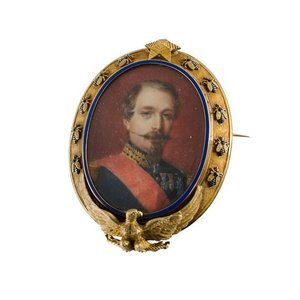
jean-baptiste fortuné de fournier
1797 - 1864 , France
Основные сведения
- Artistic Movement Or Style: Watercolor
- Artists Or Movements Influenced By This Artist: ['Rococo']
- Artists Who Influenced This Artist: ['Jean Baptiste Oudry']
- Date Of Birth: May 16, 1797
- Date Of Death: February 17, 1864
- Full Name: Jean Baptiste Fortuné de Fournier
- Nationality: French
- Notable Artworks:
- Saint-Cloud Interior
- Fontainebleau Interior
- Tuileries Interior
- Place Of Birth: Nice, France
Похожие статьи
Jean-Baptiste Debret: Witnessing Brazil’s Emergence Through Art & Identity
Explore the captivating art of Jean-Baptiste Debret, a key witness to Brazil’s imperial era. Discover his iconic portraits, historical scenes & insightful depictions of Brazilian life. Learn about his legacy and find museum-quality reproductions at ArtsDot.
Émile Jean Horace Vernet: Romantic Realism & Depicting 19th-Century Life
Explore the life & art of Émile Jean Horace Vernet, a master of Romantic Realism. Discover his captivating battle scenes, portraits, and Orientalist works – a window into 19th-century France. Learn about his techniques & enduring legacy.

Jean-Baptiste Carpeaux: Sculpting Passion & Controversy in 19th-Century France
Explore the passionate life & controversial works of Jean-Baptiste Carpeaux, a leading French sculptor of the Second Empire. Discover his realism, iconic sculptures like 'Ugolino,' and lasting legacy as a precursor to Rodin.
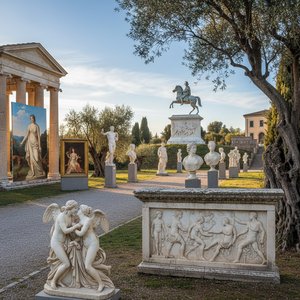
10 Шедевров Неоклассицизма: Искусство, Определившее Эпоху | ArtsDot
Погрузитесь в мир неоклассицизма! 10 шедевров от Давида, Кановы и других великих художников. Узнайте историю создания культовых картин и найдите идеальную репродукцию для вашего интерьера на ArtsDot.com

Топ-10 шедевров XIX века: искусство, история и декор от ArtsDot.com
Погрузитесь в мир искусства XIX века! От реализма до импрессионизма – 10 величайших картин, истории художников и вдохновение для вашего интерьера. Репродукции высокого качества на ArtsDot.com. Откройте всю коллекцию онлайн!