

 Предпросмотр
 Поделиться
 Поделиться
 Детали произведения

 Скачать
 Похожие работы
 Рентгенография
 Слайд-шоу
 Статистика
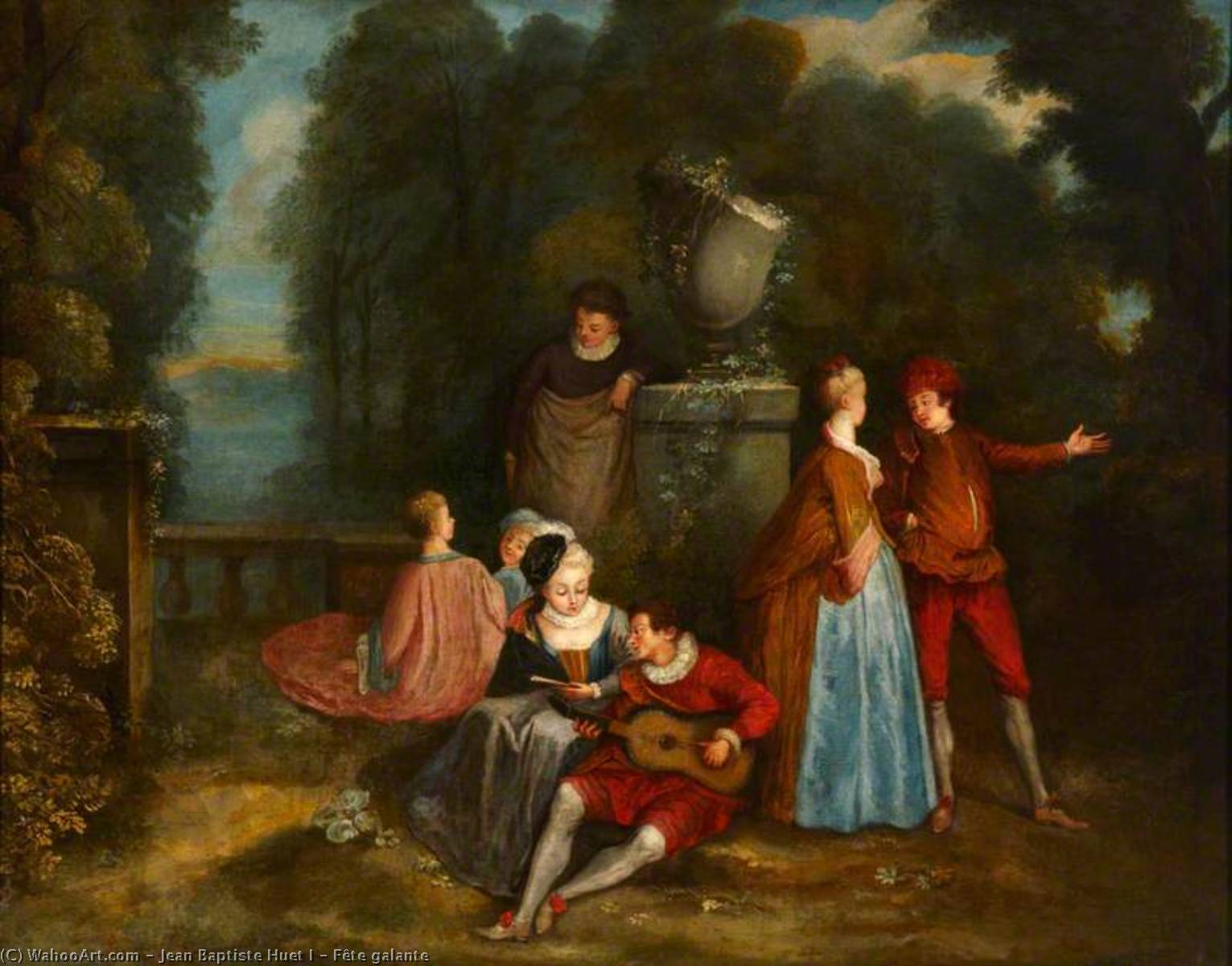
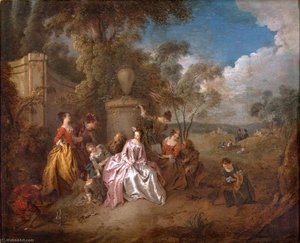
Fête galante
 78.0 x 99.0 cm
 Читать далее
Масляная репродукция ручной работы
Картина маслом на холсте в выбранном вами размере и раме, написанная на заказ нашими художниками. ( Перейти к печати Перейти к цифровым изображениям)




































Выберите один из наших стандартных размеров, соответствующих оригинальным пропорциям произведения искусства.

Вы можете указать собственные размеры, чтобы картина идеально вписалась в выбранную раму или пространство. Если выбранный вами размер не соответствует пропорциям оригинала, мы либо обрежем полотно, либо расширим его за счет дополнительных элементов, написанных вручную. Цифровой макет будет отправлен вам на утверждение перед началом производства.
Обратите внимание, что предварительный просмотр на экране не отражает фактическую обрезку или расширение. Только макет точно покажет окончательную композицию.
Хотя доступны индивидуальные размеры, мы рекомендуем выбирать вариант из предопределенного списка, чтобы сохранить исходные пропорции.
После оформления заказа команда ArtsDot.com свяжется с клиентом по электронной почте для уточнения деталей и предоставит предварительный макет
Доставка по всему миру () за 3–4 недели вместо стандартных 5 недель. (12 Сентябрь). Без компромиссов в качестве.

Бесплатная экспресс-доставка по всему миру

Высококачественный льняной холст

Полное страхование доставки

Гарантия возмещения таможенных пошлин

Гарантия точного соответствия цветов

100-дневная политика возврата (только при обнаружении дефектов)

Гарантия возврата 100% средств

Предложение оптовых скидок
 Вариант со стеклом доступен только для размеров менее 110 см

Fête galante
Техника репродукции
Размер репродукции
-


Итоговая стоимость
$ 263
A Glimpse into the Life of Jean Baptiste Huet I
Jean Baptiste Huet I was a prominent French painter, engraver, and designer, known for his pastoral scenes and sympathetic depictions of the animal world. Born in 1745, he was one of the last "King's painters" of pre-Revolutionary France. His style was influenced by notable artists such as François Boucher and Jean-Honoré Fragonard. To learn more about Jean Baptiste Huet I, visit his page on ArtsDot.com or check out his biography on Wikipedia.The Painting's Significance
The Fête galante is a quintessential representation of the French Rococo style, characterized by its lighthearted and playful nature. The painting showcases Jean Baptiste Huet I's skill in capturing the essence of leisure and social interaction during the 18th century. For art enthusiasts interested in acquiring a handmade oil painting reproduction of the Fête galante, ArtsDot.com offers high-quality reproductions on canvas.- The painting's size: 78 x 99 cm
- Medium: Oil On Canvas
- Museum: Hunterian Museum
For a deeper understanding of the artist's life and work, readers can also refer to the Wikipedia page dedicated to Jean Baptiste Huet I.
Похожие произведения






Биография художника
Jean-Baptiste Huet I: A Master of Pastoral Elegance
Jean-Baptiste Huet I (1745–1811) stands as a quietly significant figure in 18th-century French art, a painter whose talent blossomed within the refined world of pastoral scenes and aristocratic portraits. Often overshadowed by his more flamboyant contemporaries, Huet’s work reveals a remarkable sensitivity to light, color, and the subtle nuances of human emotion – qualities that secured him a place among the most esteemed artists of his time. Born in Paris into an artistic family—his uncle, Christophe Huet, was a renowned tapestry designer, and his father, Nicolas Huet, a successful draper—Jean-Baptiste’s early life was steeped in the traditions of craftsmanship and visual culture. This familial connection provided him with a unique understanding of materials, design, and the commercial aspects of art, shaping his approach to both painting and decorative arts.Early Influences and Artistic Training
Huet's artistic journey began under the tutelage of Charles Dagomer, an animal painter associated with the Académie de Saint-Luc. Dagomer’s workshop provided a crucial foundation in depicting animals with a remarkable degree of realism and expressiveness – a skill that would later inform Huet’s own celebrated depictions of livestock and wildlife. However, it was his apprenticeship with Jean-Baptiste Le Prince, a former student of François Boucher, who truly shaped Huet's artistic vision. Le Prince, known for his elegant compositions and masterful use of light, instilled in Huet a deep appreciation for Rococo aesthetics—characterized by grace, charm, and an emphasis on idyllic settings. Crucially, Huet’s interest extended beyond mere observation; he embraced printmaking as a means of disseminating his work, producing numerous engravings based on his own paintings – a practice that allowed him to reach a wider audience and establish himself as a respected artist. This dedication to both painting and printmaking was unusual for the period, demonstrating a sophisticated understanding of artistic production and distribution.The World of Pastoral Scenes
Huet’s most enduring legacy lies in his captivating depictions of pastoral life. These scenes, often populated by charming animals and elegantly dressed figures, evoke a sense of tranquility, beauty, and idealized harmony. Unlike the grand historical paintings favored by the royal court, Huet's landscapes offered a respite from the complexities of politics and power, transporting viewers to a realm of simple pleasures and natural abundance. His compositions are characterized by a meticulous attention to detail—from the textures of fur and foliage to the folds of clothing and the expressions on faces—creating an immersive experience for the viewer. He skillfully blended observation with imagination, imbuing his scenes with a subtle sense of narrative and emotional depth. The influence of Boucher is readily apparent in Huet’s use of light, color, and elegant figures, but he developed a distinct style characterized by a greater emphasis on naturalism and a more intimate portrayal of human subjects.Decorative Arts and the Jouy Manufactory
Beyond his paintings, Huet made significant contributions to the world of decorative arts. In 1780, he was commissioned by Christophe-Philippe Oberkampf, the founder of the royal manufacture of Jouy-en-Josas, to design scenic vignettes for printed cottons—a pivotal moment in his career and a testament to his artistic versatility. These designs, featuring idyllic landscapes populated by animals and figures engaged in various pastoral activities, were reproduced on exquisite fabrics that adorned the homes of wealthy patrons throughout France. The Jouy tapestries, with their intricate detail and elegant compositions, became highly sought-after items—demonstrating Huet’s ability to translate his artistic vision into a commercially viable product. This collaboration not only provided him with financial security but also cemented his reputation as a leading designer of decorative arts.Legacy and Historical Significance
Despite his considerable talent and contributions, Jean-Baptiste Huet I remained largely obscure during his lifetime. His deliberate choice to avoid public commissions in favor of private patronage contributed to this relative anonymity. However, in recent decades, scholars have increasingly recognized the significance of his work—particularly his depictions of animals and pastoral scenes—as a key example of Rococo elegance and a precursor to Impressionism. Huet’s meticulous attention to detail, his masterful use of light and color, and his ability to evoke a sense of tranquility and beauty continue to resonate with viewers today. His legacy is preserved in numerous paintings, prints, and tapestries that can be found in museums and private collections around the world—testaments to the enduring appeal of this quietly brilliant artist. His work offers a glimpse into a refined corner of 18th-century French society, revealing a deep appreciation for nature, beauty, and the pleasures of simple life.
jean baptiste huet i
1745 - 1811
Основные сведения
- Artistic Movement Or Style: Rococo, Pastoral scenes
- Artists Or Movements Influenced By This Artist:
- Jean-Baptiste Le Prince
- Impressionism
- Artists Who Influenced This Artist:
- François Boucher
- Charles Dagomer
- Date Of Birth: 1745
- Date Of Death: 1811
- Full Name: Jean-Baptiste Huet I
- Nationality: French
- Notable Artworks:
- A Pride of Lions
- Panel Furnishing Fabric
- Les Travaux de la Manufacture
- Place Of Birth: Paris, France