

 Предпросмотр
 Поделиться
 Поделиться
 Детали произведения

 Скачать
 Похожие работы
 Рентгенография
 Слайд-шоу
 Статистика
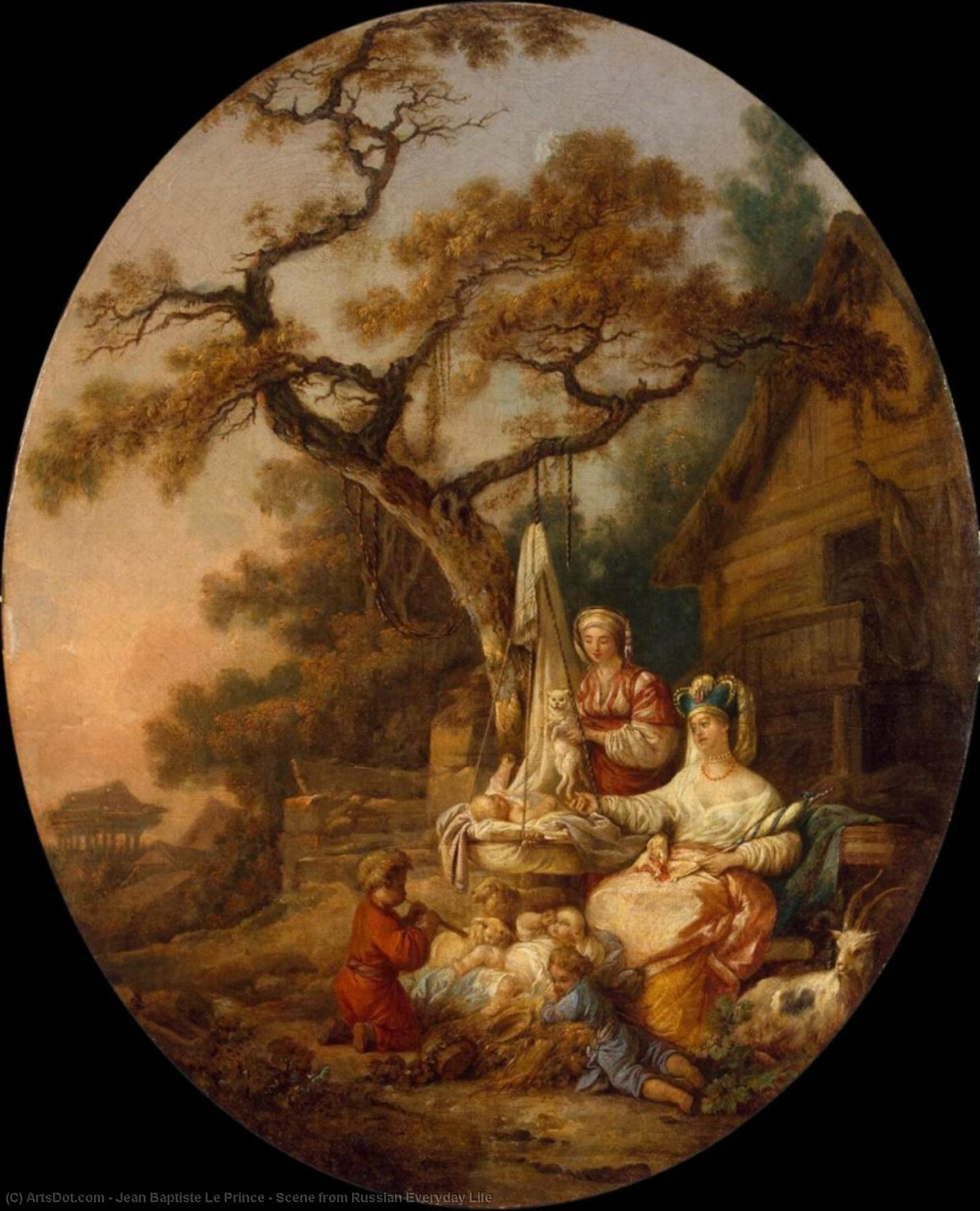
Scene from Russian Everyday Life
 Oil On Canvas
- WallArt
- Neoclassical
 1764
1764- Early Modern
 73.0 x 60.0 cm
 Эрмитаж
 Читать далее
Жикле / Арт-принт
Печать (жикле) или холст музейного качества с быстрыми сроками изготовления и широким выбором вариантов отделки. ( Купить картину ручной работы Перейти к цифровым изображениям)




P118B $10

P118H $10

P118W $10

P438Z $10

P508JH $12

P508YH $12

P805H $10

P805Z $10

P919BZ $10

P919G $10

P919XJ $10

P959ZH $10

P968JZ $12

W106C $8

W218G $10

W218JH $8

W218Y $10

W307PJ $10

W316G $10

W316PJ $8

W316Y $10

W398PJ $8

W4111J $10

W500HY $15

W500JH $15

W692G $12

W849H $8

W940BG $15

W953PJ $8




Выберите один из наших стандартных размеров, соответствующих оригинальным пропорциям произведения искусства.

Вы можете указать свои собственные размеры, чтобы репродукция идеально подошла под конкретную раму или пространство. Если выбранный вами размер не будет соответствовать пропорциям оригинала, мы либо обрежем произведение, либо дополним изображение зеркальным отражением краев или однотонной заливкой. Перед началом производства вам будет отправлен цифровой макет для утверждения.
Пожалуйста, обратите внимание, что предварительный просмотр на экране не отображает фактическую обрезку или расширение изображения. Только макет точно покажет финальную композицию.
Несмотря на возможность заказа индивидуальных размеров, мы рекомендуем выбирать размер из предопределенного списка, чтобы сохранить оригинальные пропорции.
Доставка по всему миру () за 2 недели вместо стандартных 4/5 недель. (12 Сентябрь)

Бесплатная экспресс-доставка по всему миру

Высококачественный льняной холст

Полное страхование доставки

Гарантия возмещения таможенных пошлин

Гарантия точного соответствия цветов

100-дневная политика возврата (только при обнаружении дефектов)

Гарантия возврата 100% средств

Предложение оптовых скидок
 Вариант со стеклом доступен только для размеров менее 110 см

Scene from Russian Everyday Life
Жикле / Арт-принт
Размер репродукции
-


Итоговая стоимость
$ 62
A Tender Glimpse into Enlightenment Russia
In the soft, flickering light of an eighteenth-century interior, Jean Baptiste Le Prince captures a moment that feels both profoundly intimate and historically monumental. His 1764 masterpiece, often referred to as The Russian Cradle, is far more than a simple domestic vignette; it is a carefully orchestrated tableau that breathes life into the era of Catherine the Great. As we gaze upon the woman cradling her infant, we are not merely observing a family scene, but witnessing a window into the soul of Enlightenment Russia—a period defined by a delicate tension between burgeoning modern ideals and deeply rooted traditions.
The painting presents a soulful composition where the warmth of human connection meets the structured elegance of the Rococo style. Le Prince masterfully directs our eyes through the scene, using the gentle curves of the figures and the soft textures of their traditional Russian attire to create a sense of rhythmic harmony. There is an undeniable emotional pull in the way the light falls across the mother’s face, illuminating a sense of maternal devotion that transcends time and geography, making this piece an evocative choice for any collector looking to introduce a sense of narrative depth and historical grace into a curated space.
Mastery of Light and Rococo Elegance
Technically, Le Prince demonstrates the sophisticated training he received under the legendary François Boucher. The artist employs a brilliant use of chiaroscuro, employing dramatic shifts between light and shadow to sculpt the figures from the darkness of the rural interior. This technique does not merely provide depth; it imbues the scene with a theatrical, almost sacred quality. His brushwork is nothing short of exquisite, capturing the tactile softness of skin and the heavy, intricate folds of fabric with a realism that balances the playful lightness characteristic of the Rociente era.
For the discerning interior designer, the painting offers a rich palette of muted tones and deep, resonant hues. The interplay between the darker architectural elements and the luminous highlights on the subjects creates a visual complexity that commands attention without overwhelming a room. It is a work that thrives in both grand, classical settings and more contemporary, minimalist environments, acting as a sophisticated focal point that invites prolonged contemplation.
Symbolism and the Weight of Tradition
Beneath the surface of this serene domesticity lies a profound layer of social commentary. The cradle itself serves as a potent symbol of continuity, lineage, and the preservation of values within the Russian aristocracy. However, Le Prince subtly weaves in the complexities of the era's social hierarchy. Through the positioning of the figures and the subtle distinctions in their presentation, he hints at the stratified nature of society under Catherine II—a world where the pursuit of domestic tranquility was often shadowed by the rigid structures of class and authority.
To possess a reproduction of this work is to hold a piece of history that speaks of protection, nurturing, and the enduring strength of the family unit. It is an investment in art that does not just decorate a wall, but tells a story of human resilience and the timeless beauty found in life's most quiet, fleeting moments.
Похожие произведения
Биография художника
The Illustrious Journey of Jean-Baptiste Le Prince
Born in the historic city of Metz on September 17, 1734, Jean-Baptiste Nicolas Le Prince emerged as a vital figure in the tapestry of eighteenth-century French art. His early years were marked by a profound connection to his native roots, yet his artistic destiny was destined for much broader horizons. After honing his fundamental painting techniques in Metz, the young artist’s talent caught the attention of influential patrons, leading him to Paris around 1750. Under the prestigious sponsorship of Charles Louis Auguste Fouquet de Belle-Isle, Le Prince entered the orbit of the great François Boucher. Studying under such a master of the Rococo style, Le Prince absorbed the delicate grace, fluid lines, and playful elegance that defined the era, an influence that would remain visible in the early lightness of his compositions.
However, Le Prince was far more than a mere disciple of the Rococo; he was an artist of immense curiosity and geographical breadth. In 1758, his career took a transformative turn when he journeyed to Russia to serve the court of Catherine the Great. Working within the splendor of the Imperial Palace in St. Petersburg under the direction of the renowned architect Francesco Bartolomeo Rastrelli, Le Prince experienced a world of imperial grandeur. His travels during this period were nothing short of epic, as he ventured through Finland, Lithuania, and even into the vast, mysterious reaches of Siberia. These excursions provided him with a unique reservoir of visual experiences, allowing him to capture the essence of diverse cultures and landscapes, ranging from the intimate details of Russian everyday life to more exotic, far-reaching vistas.
A Mastery of Style and Subject
As his career matured, Le Prince’s work began to reflect a sophisticated blend of his Rococo training and an emerging interest in more grounded, narrative subjects. He became a highly skilled etcher and painter, capable of navigating between the whimsical and the poignant. His oeuvre is characterized by a remarkable versatility that allows him to move seamlessly from the lightheartedness of pastoral scenes to the profound gravity of historical or ethnographic studies. In works such as Two Men & a Lady, one can witness his ability to evoke an atmosphere of idyllic beauty and musical harmony, utilizing soft lighting and delicate textures to enchant the viewer.
His technical prowess is perhaps most evident in his ability to utilize light and shadow to create depth and emotion. Whether he was depicting a Scene from Russian Everyday Life or the rustic charm of The Russian Cradle, Le Prince employed meticulous detail and emotive lighting to breathe life into his subjects. His later works often leaned toward a more structured approach, foreshadowing the shift toward Neoclassicism that would soon dominate the European art scene. This transition is beautifully captured in pieces like Visit to a Palmist, where the artist demonstrates a masterful command of social composition and portraiture, showcasing a meticulous attention to the textures of fabric and the subtle expressions of his figures.
Legacy and Artistic Significance
The historical significance of Jean-Baptiste Le Prince lies in his role as a cultural bridge. He was an artist who connected the refined salons of Paris with the burgeoning imperial splendor of Russia, and the delicate aesthetics of Boucher with the more robust, observational styles that would follow. His ability to document both the aristocratic elegance of the Enlightenment and the rugged realities of distant territories makes his body of work an invaluable historical record.
Though often overshadowed by the monumental figures of the Neoclassical movement who followed him, Le Prince’s contributions remain indispensable. His legacy is found in:
- Technical Versatility: The seamless integration of Rococo grace with a burgeoning realism and ethnographic detail.
- Cultural Documentation: His unique perspective as an artist who traveled extensively through the Russian Empire, capturing scenes that would otherwise have remained unknown to Western Europe.
- Influence on Printmaking: His skill as an etcher, which helped disseminate much of his visual narrative across the continent.
Today, the works of Jean-Baptiste Le Prince continue to captivate collectors and historians alike, serving as a window into a transformative era of European history where art, travel, and empire were inextricably linked.
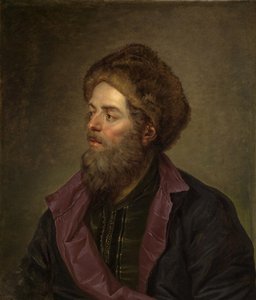
jean baptiste le prince
1734 - 1781 , France
Основные сведения
- Artistic Movement Or Style: Neoclassical
- Artists Or Movements Influenced By This Artist: ['Romanticism']
- Artists Who Influenced This Artist: ['David']
- Date Of Birth: 1734 Metz France
- Date Of Death: 1781 Paris France
- Full Name: Jean Baptiste Regnault
- Nationality: French
- Notable Artworks:
- Education of Achilles
- Alexandre and Diogène
- Place Of Birth: Paris France
Похожие статьи
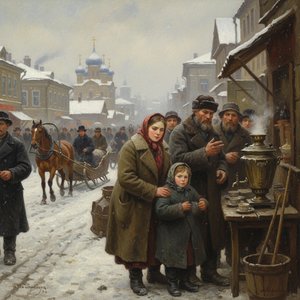
Vladimir Makovsky: Realism, Social Commentary & Russian Life in Late 19th-Century Painting
Explore the captivating world of Vladimir Makovsky, a leading Russian realist painter. Discover his insightful depictions of 19th-century life, social commentary & legacy with ArtsDot.
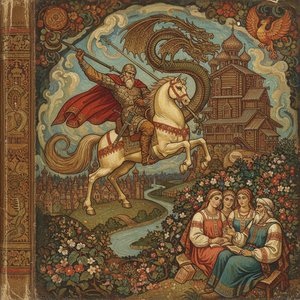
Victor Vasnetsov: Myth, Nationalism & the Revival of Russian Fairy Tale Painting
Explore the captivating world of Victor Vasnetsov, a co-founder of Russian folklorist painting. Discover his iconic works, influence on national identity, and lasting legacy in this expert guide.
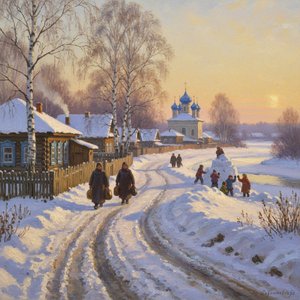
Sergey Vinogradov: Capturing the Lyricism of Everyday Russian Life
Explore the captivating world of Sergey Vinogradov (1869-1938), a leading Russian Impressionist painter. Discover his lyrical genre scenes, landscapes & wartime art – a testament to everyday life and artistic mastery.
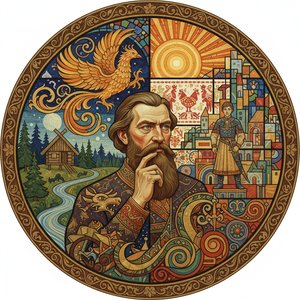
Ivan Bilibin: A Synthesis of Folklore, Modernism & National Identity in Russian Illustration
Explore the enchanting world of Ivan Bilibin, a master Russian illustrator who synthesized folklore, Art Nouveau & national identity. Discover his iconic fairy tale illustrations and legacy with ArtsDot.
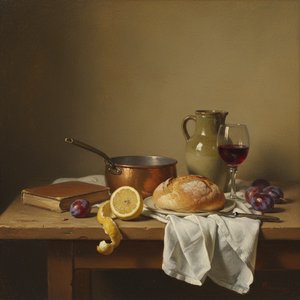
Jean-Baptiste-Siméon Chardin: Master of Still Life & Everyday Elegance
Explore the serene world of Jean-Baptiste-Siméon Chardin, master of still life & genre painting. Discover his revolutionary techniques, enduring legacy, and timeless depictions of everyday elegance. Learn more at ArtsDot.