

 Предпросмотр
 Поделиться
 Поделиться
 Детали произведения

 Скачать
 Похожие работы
 Рентгенография
 Слайд-шоу
 Статистика
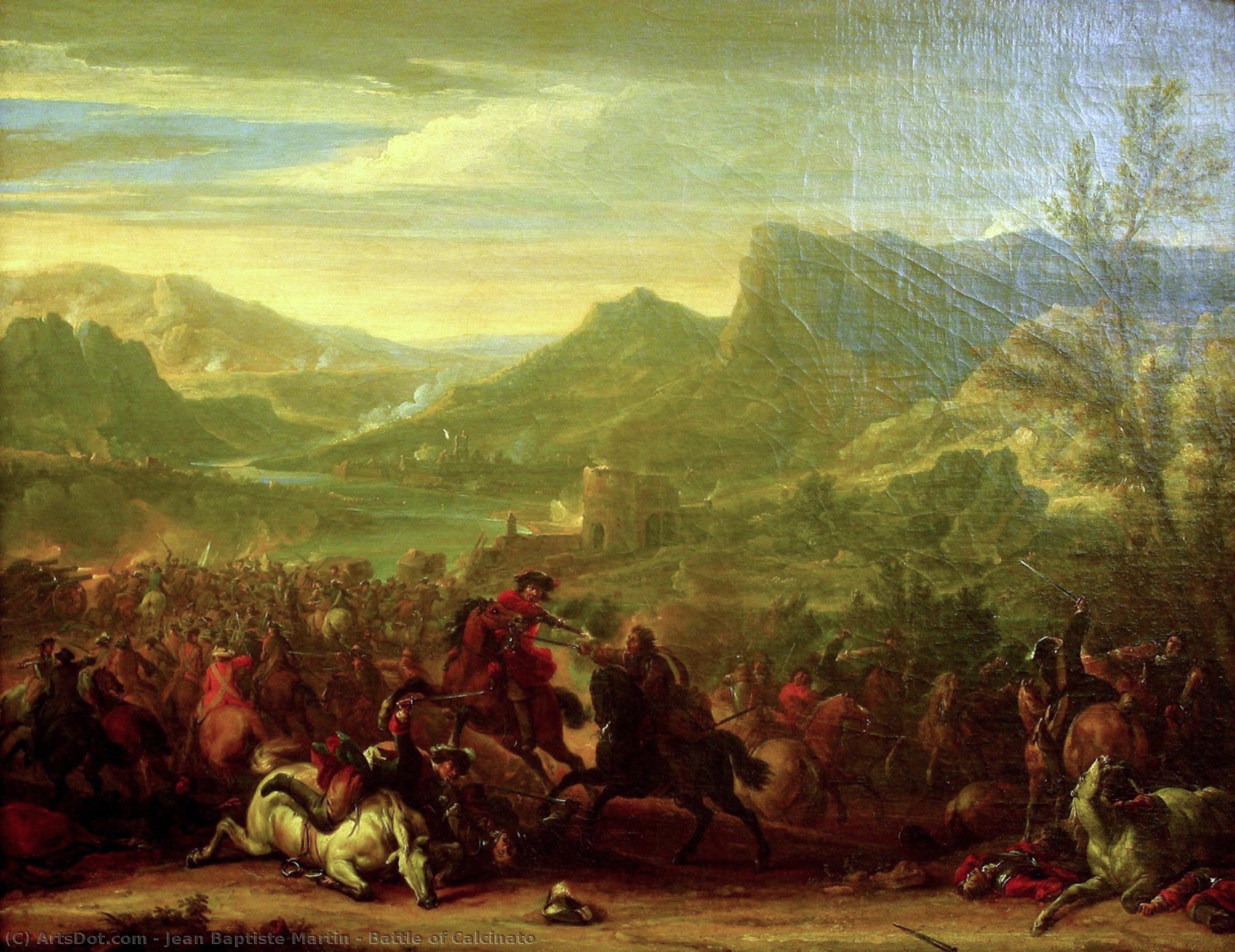
Battle of Calcinato

 Читать далее
Приобретите цифровое изображение высокого разрешения в улучшенном качестве, которое значительно превосходит онлайн-превью.
Каждый файл тщательно подготавливается нашими специалистами с использованием передовых инструментов и экспертной ручной ретуши. Мы гарантируем исключительную четкость, точную цветопередачу и детальную проработку каждого изображения.
Финальный файл доставляется по электронной почте в течение 72 часов и оптимизирован для немедленного использования в профессиональной среде, при верстке и печати. Это тот же уровень качества, которому доверяют ведущие дизайнерские студии, издательства и галереи.
Цифровое изображение
Скачайте файл высокого разрешения для личного использования, печати и творческих проектов. ( Перейти к печати Купить картину ручной работы)
Включено в каждый заказ цифровых изображений
Гарантия экспертной цифровой доставки
Выбирая ArtsDot.com, вы получаете не просто изображение — вы приобретаете профессионально обработанное цифровое произведение искусства, созданное с безупречной точностью и под защитой гарантии качества. Вот всё, что автоматически входит в ваш заказ:

Мгновенная доставка по e-mail
Ваш цифровой файл в высоком разрешении будет отправлен вам по электронной почте в течение 72 часов после оформления заказа — и сразу станет доступен для использования.

Цифровой файл с ИИ-улучшением
Ваше произведение искусства проходит профессиональную оптимизацию с использованием передовых инструментов ИИ и ручной обработки, что гарантирует максимальную детализацию, четкость и точность цветопередачи.

Бессрочная бесплатная повторная доставка
Случайно удалили или потеряли файл? Не беспокойтесь — мы отправим его вам повторно в любое время и совершенно бесплатно.

Без импортных пошлин — навсегда
Наслаждайтесь вашим произведением искусства мгновенно без таможенных пошлин, сборов или затрат на доставку — цифровые загрузки всегда не облагаются налогом.

Гарантия точности цветопередачи
Мы гарантируем, что ваше цифровое изображение максимально точно передает оригинальные цвета благодаря использованию профессиональных инструментов и систем управления цветом.

Гарантия удовлетворенности 100 дней
Если вы не будете удовлетворены своим цифровым изображением, мы внесем правки или вернем 100% стоимости в течение 100 дней — без лишних вопросов.

100% Гарантия возврата средств
Не удовлетворены покупкой? Получите полный возврат средств в течение 100 дней после получения цифрового файла — без лишних вопросов.

Скидки на оптовые заказы
Купите 3 изображения, сэкономьте 10% — Купите 5, сэкономьте 15% — Купите 10+, сэкономьте 20%. Отличное решение для творческих проектов, галерей и агентств.
Похожие произведения

Биография художника
Jean-Baptiste Martin: The Master of Battle
Jean-Baptiste Martin, often known as “Martin des Batailles,” stands as a towering figure in the history of 17th and 18th-century French art. More than simply a painter, he was a meticulous designer, a skilled decorator, and ultimately, the driving force behind some of the most dramatic and influential tapestries commissioned by Louis XIV and his successors. His legacy isn’t just found in individual paintings; it resides profoundly within the grand narratives woven into the very fabric of Versailles and other royal residences. Born in Paris in 1714, Martin's career unfolded against a backdrop of artistic innovation and courtly ambition, shaping not only his own reputation but also the aesthetic standards of an entire era.
Martin’s early life was steeped in craftsmanship. His father, a building contractor employed by the *bâtiments du roi*, provided him with a foundational understanding of design and construction – skills that would prove invaluable as he transitioned into the world of art. He began his artistic training under the tutelage of Laurent de la Hyre, a late Baroque master, absorbing techniques and an appreciation for theatrical composition. Crucially, he later apprenticed himself to Adam Frans van der Meulen, a Dutch artist who had established a significant presence in the French court. Van der Meulen’s influence was profound; Martin quickly adopted his dynamic compositions, masterful use of light and shadow, and ability to imbue scenes with a palpable sense of drama. This stylistic convergence is perhaps most evident in his early works, where echoes of van der Meulen's brushstrokes are readily apparent.
The Royal Commissions: Battles and Beyond
Martin’s career truly ascended upon the death of Adam Frans van der Meulen in 1690. He was entrusted with completing a series of monumental paintings depicting key victories from King Louis XIV’s campaigns – a task that demanded both artistic skill and an understanding of military history. These works, commissioned to honor the king's achievements, established Martin’s reputation as a master of “battle scenes,” a genre he would dominate for decades. The sheer scale of these commissions—particularly those honoring the sieges of Mons (1691) and Namur (1692)—required meticulous planning and an extraordinary level of detail. He didn't merely depict battles; he constructed narratives, conveying not just the physical clash of armies but also the strategic maneuvering, the bravery of individual soldiers, and the psychological impact of warfare.
Following this pivotal role in commemorating Louis XIV’s military successes, Martin was appointed Director of the Gobelins Manufactory in 1699 – a position previously held by van der Meulen. This appointment marked a significant shift in his career trajectory, transforming him from a painter commissioned by the court into the administrator and artistic director of one of France's most prestigious textile workshops. The Gobelins manufactory was responsible for producing the opulent tapestries that adorned the palaces of Versailles and other royal residences, and Martin’s leadership ushered in a new era of innovation and quality.
Collaboration and Innovation at the Gobelins
Martin's tenure as Director of the Gobelins wasn’t a solitary endeavor. He frequently collaborated with other artists, most notably Pierre-Denis Martin (often referred to as “Martin le jeune”), who is believed to be his nephew or brother. Together, they oversaw the creation of numerous series of tapestries celebrating royal achievements, including the monumental work installed at the Château de Marly in 1699 – a project that showcased their combined artistic vision and technical expertise. The collaboration with Pierre-Denis Martin allowed for a division of labor, enabling them to tackle complex projects with greater efficiency.
Beyond his role as director, Martin continued to paint independently, producing a diverse range of works encompassing landscapes, portraits, still lifes, and historical scenes. He also contributed significantly to the reorganization of the Gobelins manufactory itself, streamlining production processes and elevating the quality of the tapestries produced. His influence extended beyond the workshop; he was commissioned by Leopold, Duke of Lorraine, to create a series of cartoons depicting the life of his father, Charles V, for the Château de Lunéville – a project that further solidified his reputation as a court painter of distinction.
Legacy and Influence
Jean-Baptiste Martin’s impact on French art is undeniable. His meticulous attention to detail, dramatic compositions, and masterful use of light and shadow established him as the leading figure in the genre of battle scenes during the late 17th and early 18th centuries. He profoundly influenced subsequent generations of artists, particularly those involved in tapestry design. The tapestries produced under his direction remain prized examples of Baroque art, offering a glimpse into the opulent world of French royalty and demonstrating the enduring power of visual storytelling. His work continues to be studied and admired for its technical brilliance, historical significance, and emotional resonance.
Martin’s legacy extends beyond his artistic output; he represents a pivotal figure in the development of French decorative arts, shaping the aesthetic standards of an entire era. His contributions to the Gobelins Manufactory ensured that France remained at the forefront of textile innovation, and his paintings continue to captivate viewers with their dramatic intensity and historical detail.
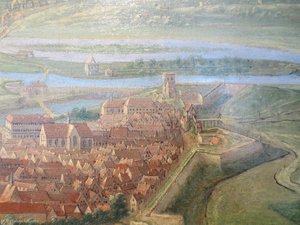
jean baptiste martin
1714 - 1789 , France
Основные сведения
- Artistic Movement Or Style: Baroque, Tapestry Art
- Artists Or Movements Influenced By This Artist: ['Gobelins Manufactory']
- Artists Who Influenced This Artist: ['Adam Frans van der Meulen']
- Date Of Birth: 1714
- Date Of Death: 1789
- Full Name: Jean-Baptiste Martin”
- Nationality: French
- Notable Artworks:
- Battle of Calcinato
- Louis XV child ride
- Saint-Martin
- Place Of Birth: France (Paris)