

 Предпросмотр
 Поделиться
 Поделиться
 Детали произведения

 Скачать
 Похожие работы
 Рентгенография
 Слайд-шоу
 Статистика
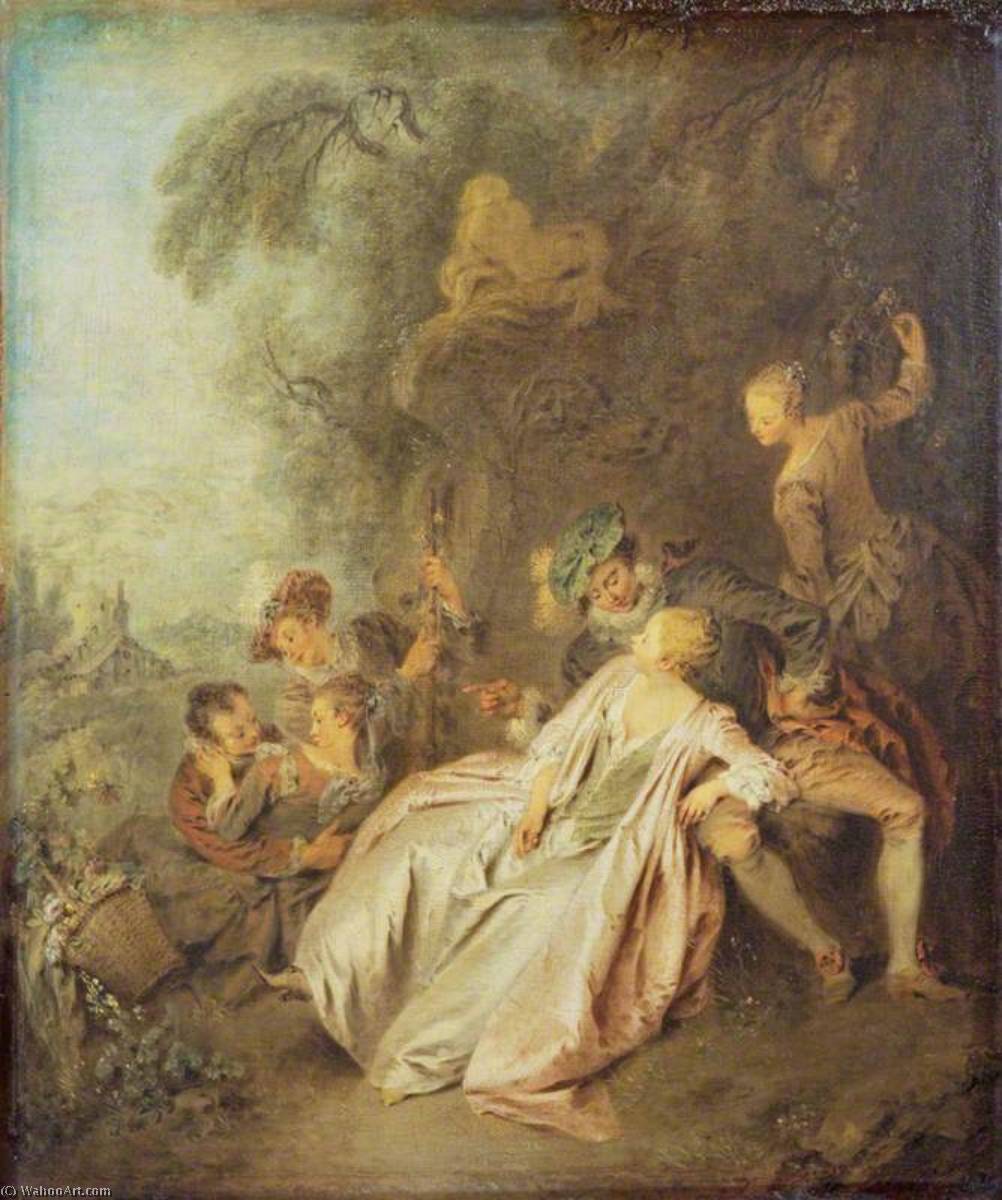
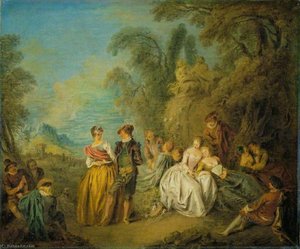
A Gallant Conversation
 Acrylic On Canvas
- WallArt
- Rococo
 1730
1730 47.0 x 39.0 cm
 Уоллоус Коллекшн
 Читать далее
Приобретите цифровое изображение высокого разрешения в улучшенном качестве, которое значительно превосходит онлайн-превью.
Каждый файл тщательно подготавливается нашими специалистами с использованием передовых инструментов и экспертной ручной ретуши. Мы гарантируем исключительную четкость, точную цветопередачу и детальную проработку каждого изображения.
Финальный файл доставляется по электронной почте в течение 72 часов и оптимизирован для немедленного использования в профессиональной среде, при верстке и печати. Это тот же уровень качества, которому доверяют ведущие дизайнерские студии, издательства и галереи.
Цифровое изображение
Скачайте файл высокого разрешения для личного использования, печати и творческих проектов. ( Перейти к печати Купить картину ручной работы)
Включено в каждый заказ цифровых изображений
Гарантия экспертной цифровой доставки
Выбирая ArtsDot.com, вы получаете не просто изображение — вы приобретаете профессионально обработанное цифровое произведение искусства, созданное с безупречной точностью и под защитой гарантии качества. Вот всё, что автоматически входит в ваш заказ:

Мгновенная доставка по e-mail
Ваш цифровой файл в высоком разрешении будет отправлен вам по электронной почте в течение 72 часов после оформления заказа — и сразу станет доступен для использования.

Цифровой файл с ИИ-улучшением
Ваше произведение искусства проходит профессиональную оптимизацию с использованием передовых инструментов ИИ и ручной обработки, что гарантирует максимальную детализацию, четкость и точность цветопередачи.

Бессрочная бесплатная повторная доставка
Случайно удалили или потеряли файл? Не беспокойтесь — мы отправим его вам повторно в любое время и совершенно бесплатно.

Без импортных пошлин — навсегда
Наслаждайтесь вашим произведением искусства мгновенно без таможенных пошлин, сборов или затрат на доставку — цифровые загрузки всегда не облагаются налогом.

Гарантия точности цветопередачи
Мы гарантируем, что ваше цифровое изображение максимально точно передает оригинальные цвета благодаря использованию профессиональных инструментов и систем управления цветом.

Гарантия удовлетворенности 100 дней
Если вы не будете удовлетворены своим цифровым изображением, мы внесем правки или вернем 100% стоимости в течение 100 дней — без лишних вопросов.

100% Гарантия возврата средств
Не удовлетворены покупкой? Получите полный возврат средств в течение 100 дней после получения цифрового файла — без лишних вопросов.

Скидки на оптовые заказы
Купите 3 изображения, сэкономьте 10% — Купите 5, сэкономьте 15% — Купите 10+, сэкономьте 20%. Отличное решение для творческих проектов, галерей и агентств.
Jean-Baptiste Pater: The Sole Pupil of Watteau – A Legacy of Elegance
Jean-Baptiste Pater (December 29, 1695 – July 25, 1736) stands as a singular figure in the annals of French Rococo art—the sole documented student of Antoine Watteau, arguably the movement’s most celebrated artist. Born in Valenciennes, France, Pater's artistic journey began under the tutelage of his sculptor father, Antoine Pater, fostering an early appreciation for form and craftsmanship that would inform his subsequent endeavors. However, it was Watteau who irrevocably shaped Pater’s vision, establishing a relationship marked by both admiration and friction—a dynamic that ultimately yielded one of the most influential painters of his time. This connection wasn't merely pedagogical; Pater absorbed Watteau’s stylistic sensibilities with an intensity rarely seen amongst artists of the era, inheriting not just technique but also a profound understanding of how to convey mood and atmosphere through delicate brushstrokes and luminous color palettes.The Influence of Watteau: A Style Defined by Illusion
Pater's artistic style is undeniably indebted to Watteau’s groundbreaking approach to painting—specifically his mastery of *fête galante*, or “gallant feasts.” Watteau revolutionized portraiture by eschewing formal studio settings and instead depicting scenes of aristocratic leisure, capturing fleeting moments of social interaction amidst picturesque landscapes. Pater skillfully adopted this technique, creating canvases that shimmer with an ethereal quality, achieved through meticulous layering of translucent glazes—a hallmark of Rococo painting. Like Watteau, Pater prioritized conveying emotion rather than simply documenting appearances; his figures are imbued with grace and serenity, reflecting the idealized vision of beauty prevalent during the period. The subtle use of color – pastel shades predominantly – contributes to this sense of dreamy sophistication, mirroring the opulent décor and refined sensibilities of the French aristocracy.A Portrait of Refinement: “A Gallant Conversation”
Consider Pater’s masterpiece, "A Gallant Conversation" (circa 1720s). This captivating Rococo portrait depicts a group of elegantly dressed individuals gathered around a fountain—a quintessential *fête galante* tableau. The composition is carefully balanced, drawing the eye upwards towards the central figure, a woman adorned in a sumptuous pink gown and subtly turned away from the viewer’s gaze. Surrounding her are several gentlemen engaged in animated conversation, their postures conveying both confidence and camaraderie. Two birds—a symbol of joy and fertility—are delicately positioned amongst the foliage, adding to the painting's decorative richness and reinforcing its thematic concerns about social harmony and pleasure. Pater’s meticulous attention to detail – from the folds of fabric to the textures of stone – underscores his commitment to capturing the illusionistic effects favored by Watteau and his contemporaries.Historical Context: The Reign of Louis XV and Artistic Patronage
“A Gallant Conversation” emerged during the reign of Louis XV, a period characterized by lavish court life and fervent artistic patronage. The monarchy actively supported artists like Pater, recognizing their ability to elevate the visual arts and solidify royal prestige. Watteau’s influence extended far beyond stylistic imitation; he championed an aesthetic that prioritized beauty, grace, and imagination—values deeply ingrained in Pater's oeuvre. This artistic climate fostered experimentation and innovation, propelling Pater towards a position of prominence within the French art world.Emotional Resonance: Capturing Transient Beauty
Ultimately, Pater’s work transcends mere visual representation; it strives to evoke an emotional response in the viewer. Like Watteau before him, Pater sought to capture the fleeting beauty of human experience—the ephemeral moments of joy and contemplation that define our lives. “A Gallant Conversation” embodies this ambition perfectly, inviting us to contemplate the elegance and serenity of a bygone era while simultaneously reminding us of the enduring power of art to inspire wonder and delight. Its luminous colors and graceful figures continue to captivate audiences today, securing Pater’s legacy as one of the most accomplished painters of his time—a testament to the transformative influence of Watteau's vision.Похожие произведения
Биография художника
Jean-Baptiste Pater: The Last Student of Watteau’s Dream
Jean-Baptiste Pater (December 29, 1695 – July 25, 1736) – a name that resonates within the halls of French Rococo art as a singular and profoundly influential figure. He wasn't merely an artist; he was, quite remarkably, the last documented student of Antoine Watteau, arguably the movement’s most celebrated master. Born in Valenciennes, a city steeped in artistic tradition, Pater’s journey began not with brushes and canvases, but with his father’s sculpting workshop – an early exposure to form, texture, and the meticulous craft that would later inform his own artistic endeavors. However, it was Watteau's ethereal vision, his mastery of atmosphere and light, that irrevocably shaped Pater’s artistic soul, forging a complex and ultimately transformative relationship—one defined by admiration, frustration, and an enduring legacy.- Early Foundations: Pater’s formative years were spent absorbing the fundamentals of sculpture under his father's guidance. This initial training instilled in him a deep appreciation for detail, precision, and the subtle interplay of light and shadow – qualities that would prove invaluable as he transitioned to painting.
- The Parisian Apprenticeship: In 1713, Pater sought mentorship from Watteau himself in Paris. The encounter was pivotal; Watteau’s distinctive style—characterized by delicate pastel palettes, shimmering lines, and a profound understanding of fleeting moments – immediately captivated the young artist, setting him on a path to emulate and ultimately surpass his master's achievements.
The Shadow of Watteau: Style and Technique
Pater’s artistic style is inextricably linked to Watteau’s influence, yet it possesses a unique character that distinguishes him as an individual voice within the Rococo movement. He inherited Watteau’s penchant for pastel colors – particularly pale blues, pinks, and greens – creating a luminous, almost dreamlike quality in his paintings. However, Pater wasn't simply a copyist; he developed a distinctive technique centered around *shimmering lines*—delicate, barely perceptible strokes that seemed to capture the very essence of light and air. These shimmering lines, meticulously applied, created an illusion of depth and movement, drawing the viewer into the scene with remarkable immediacy. Pater’s compositions often featured *fête galantes*, idyllic gatherings of aristocrats amidst gardens or landscapes – a genre popularized by Watteau but perfected by Pater through his masterful use of color, light, and spatial perspective. He wasn't content to merely depict these scenes; he sought to capture the *feeling* of them—the sense of fleeting pleasure, delicate beauty, and subtle social intrigue that defined the Rococo aesthetic.- Atmospheric Perspective: Pater’s work demonstrates a keen understanding of atmospheric perspective, anticipating the later explorations of Francesco Guardi. He skillfully manipulated color and detail to create a sense of distance and depth, blurring outlines and softening colors in the background to evoke the impression of air and space.
- The Delicate Hand: Pater's meticulous brushwork—characterized by countless tiny, shimmering lines—contributed significantly to the ethereal quality of his paintings. This painstaking technique required immense patience and skill, resulting in works that possess a remarkable sense of delicacy and refinement.
Portraits for Royalty: Frederick the Great’s Patronage
Beyond *fête galantes*, Pater achieved considerable renown through his portrait commissions, particularly those undertaken at the behest of Frederick II, King of Prussia – a demanding but ultimately rewarding patron. These portraits—including “Le Sultan au Harem” and “Le Sultan au Jardin”—are not merely representations of royalty; they are psychological studies that capture the complex emotions and inner lives of their subjects. Pater skillfully conveyed Frederick’s power, dignity, and even his occasional moments of melancholy through subtle gestures, expressions, and carefully chosen details. These portraits cemented Pater's reputation as a royal artist—a master of capturing the essence of his patrons while simultaneously showcasing his own artistic prowess.- “Le Sultan au Harem” (The Sultan’s Harem): This iconic portrait exemplifies Pater’s ability to convey both grandeur and intimacy, depicting Frederick II surrounded by his harem in a lavish setting.
- “Le Sultan au Jardin” (The Sultan in the Garden): A more intimate portrayal of Frederick, capturing him amidst a serene garden landscape—a testament to Pater's skill in creating scenes that evoke tranquility and contemplation.
A Lasting Legacy: Influence and Remembrance
Jean-Baptiste Pater’s contribution to French Rococo art is profound and enduring. He stands as the last direct student of Watteau, carrying forward the master’s stylistic innovations while forging his own distinctive artistic identity. His meticulous technique, evocative compositions, and masterful use of color and light continue to inspire admiration among art historians and enthusiasts alike. Pater's paintings are housed in prestigious collections worldwide—including the Louvre Museum in Paris and the Musée des Beaux-Arts de Valenciennes—testaments to their enduring artistic merit and historical significance. His legacy is not merely one of imitation, but of transformation – a testament to the power of mentorship and the enduring spirit of artistic innovation.Further Exploration
For a deeper understanding of Pater’s life and work, we encourage you to visit the Musée des Beaux-Arts de Valenciennes website or explore online resources such as ArtsDot.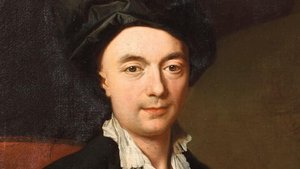
Жан-Баптист Добре
1695 - 1736 , Франция
Основные сведения
- Artistic Movement Or Style: Рококо, пастельная палитра
- Artists Or Movements Influenced By This Artist: ['Франческо Гарди']
- Artists Who Influenced This Artist: ['Антониуа Ватто']
- Date Of Birth: 29 декабря 1695 г.
- Date Of Death: 25 июля 1736 г.
- Full Name: Жан-Баптист Патер
- Nationality: Француз
- Notable Artworks:
- Разговор по душам
- Пейзаж с телегой
- Султан в хареме
- Place Of Birth: Валенсиенн, Франция