

 Предпросмотр
 Поделиться
 Поделиться
 Детали произведения

 Скачать
 Похожие работы
 Рентгенография
 Слайд-шоу
 Статистика
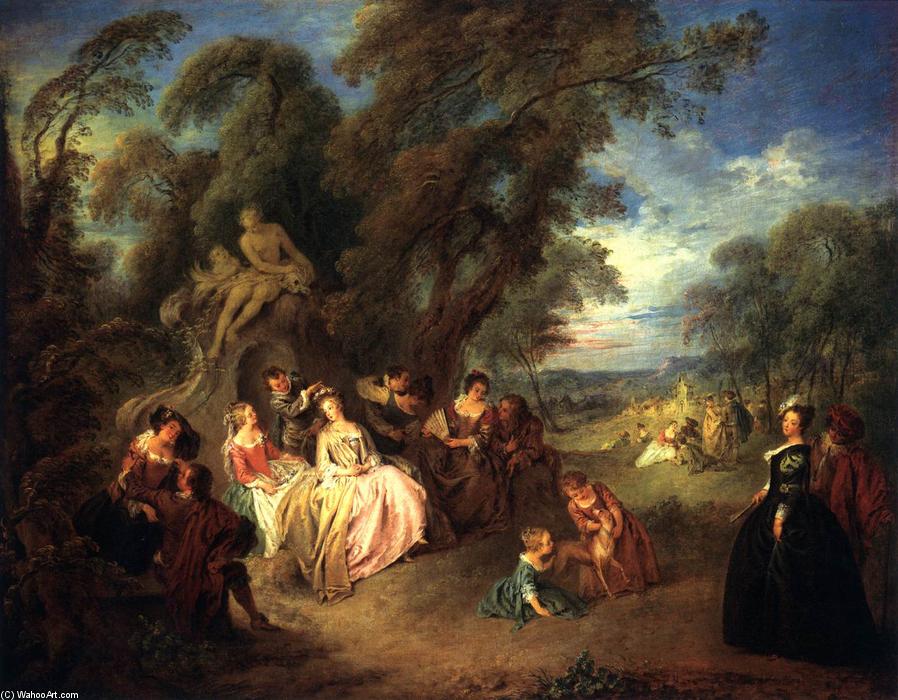
Fête Champêtre
 Oil On Canvas
- WallArt
- Rococo Fête Galante
 1730
1730 75.0 x 93.0 cm
 Национальная галерея искусств
 Читать далее
Масляная репродукция ручной работы
Картина маслом на холсте в выбранном вами размере и раме, написанная на заказ нашими художниками. ( Перейти к печати Перейти к цифровым изображениям)




P118B $10

P118H $10

P118W $10

P438Z $10

P508JH $12

P508YH $12

P805H $10

P805Z $10

P919BZ $10

P919G $10

P919XJ $10

P959ZH $10

P968JZ $12

W106C $8

W218G $10

W218JH $8

W218Y $10

W307PJ $10

W316G $10

W316PJ $8

W316Y $10

W398PJ $8

W4111J $10

W500HY $15

W500JH $15

W692G $12

W849H $8

W940BG $15

W953PJ $8




Выберите один из наших стандартных размеров, соответствующих оригинальным пропорциям произведения искусства.

Вы можете указать собственные размеры, чтобы картина идеально вписалась в выбранную раму или пространство. Если выбранный вами размер не соответствует пропорциям оригинала, мы либо обрежем полотно, либо расширим его за счет дополнительных элементов, написанных вручную. Цифровой макет будет отправлен вам на утверждение перед началом производства.
Обратите внимание, что предварительный просмотр на экране не отражает фактическую обрезку или расширение. Только макет точно покажет окончательную композицию.
Хотя доступны индивидуальные размеры, мы рекомендуем выбирать вариант из предопределенного списка, чтобы сохранить исходные пропорции.
После оформления заказа команда ArtsDot.com свяжется с клиентом по электронной почте для уточнения деталей и предоставит предварительный макет
Доставка по всему миру () за 3–4 недели вместо стандартных 5 недель. (12 Сентябрь). Без компромиссов в качестве.

Бесплатная экспресс-доставка по всему миру

Высококачественный льняной холст

Полное страхование доставки

Гарантия возмещения таможенных пошлин

Гарантия точного соответствия цветов

100-дневная политика возврата (только при обнаружении дефектов)

Гарантия возврата 100% средств

Предложение оптовых скидок
 Вариант со стеклом доступен только для размеров менее 110 см

Fête Champêtre
Техника репродукции
Размер репродукции
-


Итоговая стоимость
$ 263
Jean-Baptiste Pater’s *Fête Champêtre*: A Glimpse of Rococo Idyllicism
Jean-Baptiste Pater's 1730 painting, *Fête Champêtre* (literally “Country Festival”), offers a captivating window into the world of French Rococo aristocracy. Measuring a generous 75 x 93 cm, this oil on canvas transports us to a sun-drenched field, shaded by a profusion of trees – a carefully constructed setting designed to evoke an atmosphere of effortless leisure and refined pleasure. Pater, the sole documented student of Antoine Watteau, masterfully captures the essence of the *fête galante*, a genre that privileged scenes of aristocratic gatherings in idyllic landscapes, far removed from the constraints of courtly life.
The scene unfolds with a remarkable degree of naturalism, yet it’s imbued with an unmistakable Rococo sensibility. Thirteen individuals – men and women, children and servants – are arranged within the composition, engaging in conversation, playing music, and generally enjoying each other's company. Pater skillfully employs a loose, asymmetrical arrangement, eschewing rigid formality for a sense of relaxed conviviality. Notice how the figures aren’t posed dramatically; instead, they seem to be caught in candid moments of interaction, contributing to the painting’s overall feeling of spontaneity and warmth. The color palette is dominated by soft pastels – blush pinks, pale blues, creamy yellows, and mossy greens – creating a luminous, dreamlike quality that perfectly complements the idyllic setting.
The Influence of Watteau and Rococo Style
Pater’s debt to Antoine Watteau is immediately apparent. The *fête galante* genre was largely invented by Watteau, and Pater consciously adopted many of his stylistic conventions. Like Watteau, Pater utilizes a delicate, shimmering technique—a hallmark of Rococo painting—achieved through thin layers of paint applied with loose, feathery brushstrokes. This creates an almost ethereal effect, particularly noticeable in the dappled light filtering through the trees and the soft textures of the fabrics worn by the figures. The use of *chiaroscuro*, or contrasting light and shadow, is subtle but effective, adding depth and volume to the scene.
Furthermore, Pater directly references Watteau’s compositional strategies. Observe how he employs a receding perspective, drawing the eye into the distance with the arrangement of trees and figures. The inclusion of a fountain adorned with sculptures—a common motif in Watteau's work—reinforces this connection. However, Pater subtly diverges from his teacher, injecting a slightly more grounded realism into the scene. While Watteau often idealized his subjects, Pater’s figures possess a greater sense of physicality and presence, making them feel remarkably relatable to the viewer.
Symbolism and Social Context
*Fête Champêtre* is not merely a depiction of leisure; it's a carefully constructed statement about aristocratic privilege. The setting itself—a secluded field amidst nature—represents an escape from the pressures and responsibilities of court life. The presence of musicians, dancers, and elegantly dressed individuals underscores the importance of entertainment and social interaction within this elite circle. The inclusion of a dog suggests companionship and loyalty, while the fountain with its sculptures hints at classical learning and refinement.
The painting’s subject matter—a *fête galante*—reflects the prevailing trends of the 18th century French court. These gatherings were meticulously orchestrated affairs, designed to showcase the wealth and sophistication of the aristocracy. Frederick the Great, a significant patron of Pater's work, frequently commissioned such scenes, often incorporating elements of Turkish culture – as seen in *Le Sultan au Harem* and *Le Sultan au Jardin*. Pater’s ability to capture this blend of European elegance and exoticism solidified his reputation as one of the most sought-after portraitists of his time.
A Timeless Appeal: Reproduction and Interior Design
*Fête Champêtre* continues to resonate with viewers today, offering a glimpse into a bygone era of aristocratic indulgence and artistic refinement. ArtsDot’s hand-painted reproductions faithfully recreate Pater's delicate brushwork and luminous color palette, allowing you to experience the painting’s beauty in stunning detail. Whether adorning a formal salon or adding a touch of Rococo charm to a more relaxed space, this captivating artwork is sure to evoke feelings of tranquility, elegance, and timeless grace. Consider how its soft colors and idyllic subject matter can complement a variety of interior design styles – from classic French interiors to contemporary spaces seeking a touch of romantic sophistication.
Похожие произведения
Биография художника
Jean-Baptiste Pater: The Last Student of Watteau’s Dream
Jean-Baptiste Pater (December 29, 1695 – July 25, 1736) – a name that resonates within the halls of French Rococo art as a singular and profoundly influential figure. He wasn't merely an artist; he was, quite remarkably, the last documented student of Antoine Watteau, arguably the movement’s most celebrated master. Born in Valenciennes, a city steeped in artistic tradition, Pater’s journey began not with brushes and canvases, but with his father’s sculpting workshop – an early exposure to form, texture, and the meticulous craft that would later inform his own artistic endeavors. However, it was Watteau's ethereal vision, his mastery of atmosphere and light, that irrevocably shaped Pater’s artistic soul, forging a complex and ultimately transformative relationship—one defined by admiration, frustration, and an enduring legacy.- Early Foundations: Pater’s formative years were spent absorbing the fundamentals of sculpture under his father's guidance. This initial training instilled in him a deep appreciation for detail, precision, and the subtle interplay of light and shadow – qualities that would prove invaluable as he transitioned to painting.
- The Parisian Apprenticeship: In 1713, Pater sought mentorship from Watteau himself in Paris. The encounter was pivotal; Watteau’s distinctive style—characterized by delicate pastel palettes, shimmering lines, and a profound understanding of fleeting moments – immediately captivated the young artist, setting him on a path to emulate and ultimately surpass his master's achievements.
The Shadow of Watteau: Style and Technique
Pater’s artistic style is inextricably linked to Watteau’s influence, yet it possesses a unique character that distinguishes him as an individual voice within the Rococo movement. He inherited Watteau’s penchant for pastel colors – particularly pale blues, pinks, and greens – creating a luminous, almost dreamlike quality in his paintings. However, Pater wasn't simply a copyist; he developed a distinctive technique centered around *shimmering lines*—delicate, barely perceptible strokes that seemed to capture the very essence of light and air. These shimmering lines, meticulously applied, created an illusion of depth and movement, drawing the viewer into the scene with remarkable immediacy. Pater’s compositions often featured *fête galantes*, idyllic gatherings of aristocrats amidst gardens or landscapes – a genre popularized by Watteau but perfected by Pater through his masterful use of color, light, and spatial perspective. He wasn't content to merely depict these scenes; he sought to capture the *feeling* of them—the sense of fleeting pleasure, delicate beauty, and subtle social intrigue that defined the Rococo aesthetic.- Atmospheric Perspective: Pater’s work demonstrates a keen understanding of atmospheric perspective, anticipating the later explorations of Francesco Guardi. He skillfully manipulated color and detail to create a sense of distance and depth, blurring outlines and softening colors in the background to evoke the impression of air and space.
- The Delicate Hand: Pater's meticulous brushwork—characterized by countless tiny, shimmering lines—contributed significantly to the ethereal quality of his paintings. This painstaking technique required immense patience and skill, resulting in works that possess a remarkable sense of delicacy and refinement.
Portraits for Royalty: Frederick the Great’s Patronage
Beyond *fête galantes*, Pater achieved considerable renown through his portrait commissions, particularly those undertaken at the behest of Frederick II, King of Prussia – a demanding but ultimately rewarding patron. These portraits—including “Le Sultan au Harem” and “Le Sultan au Jardin”—are not merely representations of royalty; they are psychological studies that capture the complex emotions and inner lives of their subjects. Pater skillfully conveyed Frederick’s power, dignity, and even his occasional moments of melancholy through subtle gestures, expressions, and carefully chosen details. These portraits cemented Pater's reputation as a royal artist—a master of capturing the essence of his patrons while simultaneously showcasing his own artistic prowess.- “Le Sultan au Harem” (The Sultan’s Harem): This iconic portrait exemplifies Pater’s ability to convey both grandeur and intimacy, depicting Frederick II surrounded by his harem in a lavish setting.
- “Le Sultan au Jardin” (The Sultan in the Garden): A more intimate portrayal of Frederick, capturing him amidst a serene garden landscape—a testament to Pater's skill in creating scenes that evoke tranquility and contemplation.
A Lasting Legacy: Influence and Remembrance
Jean-Baptiste Pater’s contribution to French Rococo art is profound and enduring. He stands as the last direct student of Watteau, carrying forward the master’s stylistic innovations while forging his own distinctive artistic identity. His meticulous technique, evocative compositions, and masterful use of color and light continue to inspire admiration among art historians and enthusiasts alike. Pater's paintings are housed in prestigious collections worldwide—including the Louvre Museum in Paris and the Musée des Beaux-Arts de Valenciennes—testaments to their enduring artistic merit and historical significance. His legacy is not merely one of imitation, but of transformation – a testament to the power of mentorship and the enduring spirit of artistic innovation.Further Exploration
For a deeper understanding of Pater’s life and work, we encourage you to visit the Musée des Beaux-Arts de Valenciennes website or explore online resources such as ArtsDot.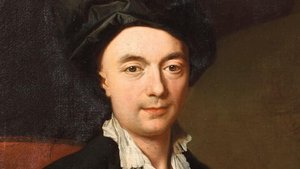
Жан-Баптист Добре
1695 - 1736 , Франция
Основные сведения
- Artistic Movement Or Style: Рококо, пастельная палитра
- Artists Or Movements Influenced By This Artist: ['Франческо Гарди']
- Artists Who Influenced This Artist: ['Антониуа Ватто']
- Date Of Birth: 29 декабря 1695 г.
- Date Of Death: 25 июля 1736 г.
- Full Name: Жан-Баптист Патер
- Nationality: Француз
- Notable Artworks:
- Разговор по душам
- Пейзаж с телегой
- Султан в хареме
- Place Of Birth: Валенсиенн, Франция
Похожие статьи
The Allure of Elegance in Art: A Historical & Aesthetic Exploration of Refinement & Grace
Explore the exquisite world of Rococo art! Discover its history, masters (Watteau, Boucher & more), and defining elegance. Expert insights for collectors seeking museum-quality reproductions & custom portraits.

The Rococo Aesthetic: Opulence, Rebellion & the Pursuit of Pleasure in 18th-Century Art
Explore the opulent world of Rococo art! Discover its origins, key artists like Watteau & Boucher, and lasting influence on design. Expert insights for collectors & enthusiasts.

Топ-10 шедевров рококо: искусство, изменившее интерьеры | ArtsDot.com
Погрузитесь в мир рококо! Откройте для себя 10 шедевров искусства от Watteau, Boucher и Fragonard. Узнайте историю создания культовых картин и вдохновитесь для декора интерьера. Репродукции высокого качества на ArtsDot.com.
The Fête Galante & Beyond: Exploring the Artistic World of Jean-Antoine Watteau
Discover the captivating world of Jean-Antoine Watteau, master of the Fête Galante! Explore his iconic paintings, symbolism, and lasting influence on Rococo art. A deep dive for classic art enthusiasts.
Jean-Baptiste Pater: Rococo Charm & Ephemeral Beauty of 18th-Century France
Explore the captivating world of Jean-Baptiste Pater, a master of Rococo painting. Discover his elegant *fête galante* scenes and shimmering portraits – a glimpse into 18th-century French aristocracy. Learn about his legacy & find high-quality reproductions.