 Предпросмотр
 Поделиться
 Поделиться
 Детали произведения

 Скачать
 Похожие работы
 Рентгенография
 Слайд-шоу
 Статистика
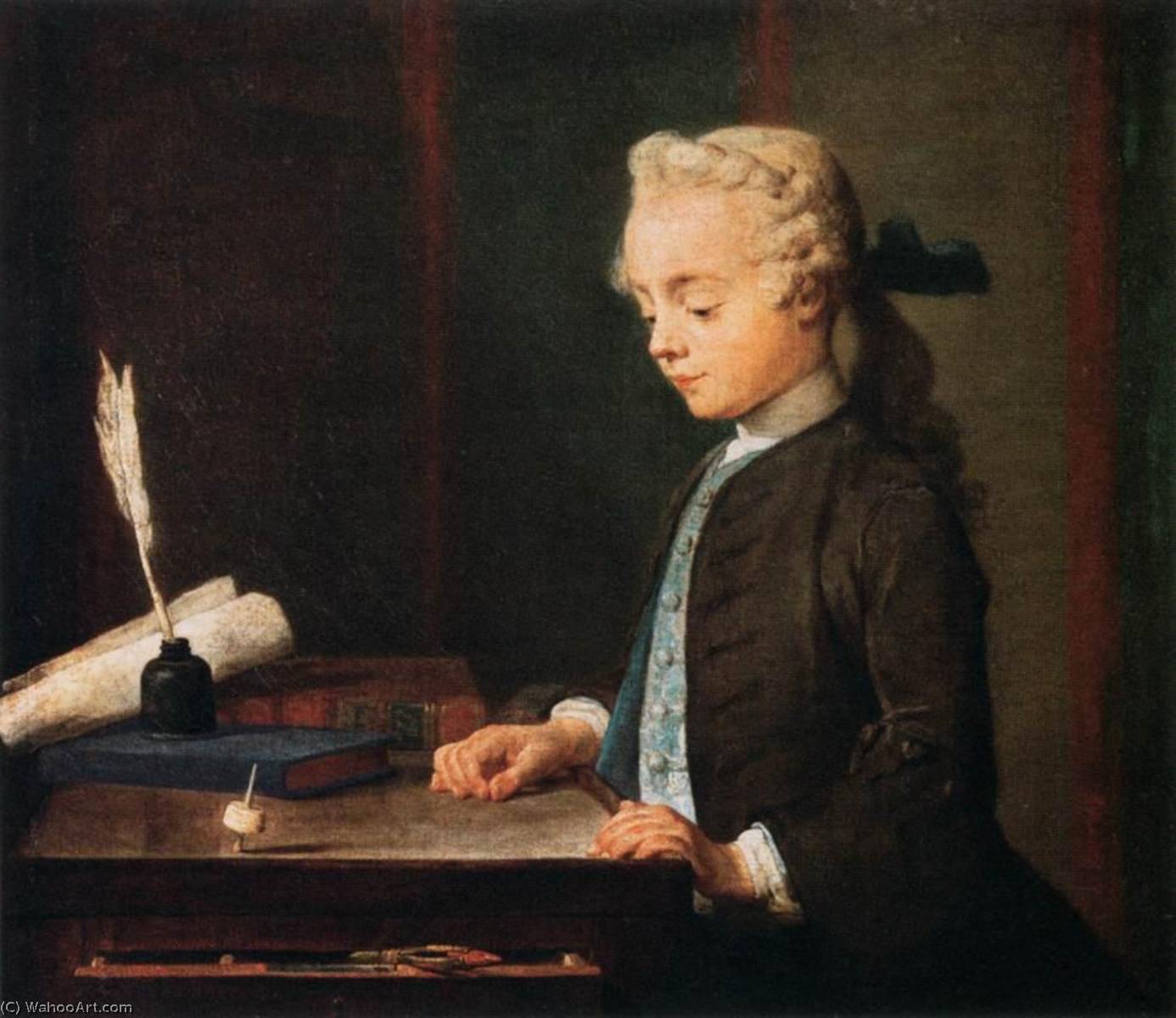
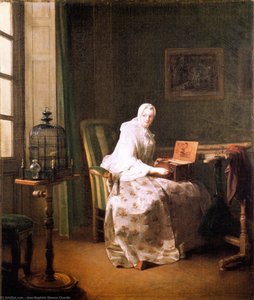
A Child with a Teetotum
 Oil On Canvas
- WallArt
- Neoclassicism
 1738
1738 67.0 x 76.0 cm
 Читать далее
Масляная репродукция ручной работы
Картина маслом на холсте в выбранном вами размере и раме, написанная на заказ нашими художниками. ( Перейти к печати Перейти к цифровым изображениям)




P118B $10

P118H $10

P118W $10

P438Z $10

P508JH $12

P508YH $12

P805H $10

P805Z $10

P919BZ $10

P919G $10

P919XJ $10

P959ZH $10

P968JZ $12

W106C $8

W218G $10

W218JH $8

W218Y $10

W307PJ $10

W316G $10

W316PJ $8

W316Y $10

W398PJ $8

W4111J $10

W500HY $15

W500JH $15

W692G $12

W849H $8

W940BG $15

W953PJ $8




Выберите один из наших стандартных размеров, соответствующих оригинальным пропорциям произведения искусства.

Вы можете указать собственные размеры, чтобы картина идеально вписалась в выбранную раму или пространство. Если выбранный вами размер не соответствует пропорциям оригинала, мы либо обрежем полотно, либо расширим его за счет дополнительных элементов, написанных вручную. Цифровой макет будет отправлен вам на утверждение перед началом производства.
Обратите внимание, что предварительный просмотр на экране не отражает фактическую обрезку или расширение. Только макет точно покажет окончательную композицию.
Хотя доступны индивидуальные размеры, мы рекомендуем выбирать вариант из предопределенного списка, чтобы сохранить исходные пропорции.
После оформления заказа команда ArtsDot.com свяжется с клиентом по электронной почте для уточнения деталей и предоставит предварительный макет
Доставка по всему миру () за 3–4 недели вместо стандартных 5 недель. (12 Сентябрь). Без компромиссов в качестве.

Бесплатная экспресс-доставка по всему миру

Высококачественный льняной холст

Полное страхование доставки

Гарантия возмещения таможенных пошлин

Гарантия точного соответствия цветов

100-дневная политика возврата (только при обнаружении дефектов)

Гарантия возврата 100% средств

Предложение оптовых скидок
 Вариант со стеклом доступен только для размеров менее 110 см

A Child with a Teetotum
Техника репродукции
Размер репродукции
-


Итоговая стоимость
$ 263
The Quiet Dignity of Childhood Study
To gaze upon this depiction of A Child with a Teetotum is to step into a moment suspended in amber—a quiet, richly observed tableau from the late eighteenth century. Jean-Baptiste-Siméon Chardin, the master chronicler of domestic intimacy, has captured here not merely a boy at a desk, but an entire atmosphere steeped in contemplation and gentle learning. The scene unfolds with remarkable naturalism; the young subject is absorbed by the open book before him, his posture suggesting deep engagement with the printed word. It is a study in concentration, where the weight of knowledge seems palpable in the stillness of the room.
Mastery of Light and Texture
Chardin’s technique here is nothing short of breathtaking. He possesses an unparalleled ability to render texture—the smooth grain of the wooden desk, the crisp edge of the paper, the soft drape of unseen fabrics, and the subtle sheen on the objects surrounding the boy. The light in the painting seems to emanate from an unseen source, falling across the figures and objects with a masterful subtlety that defines form without harsh contrast. This luminous handling elevates what might otherwise be a simple genre scene into something profoundly pictorial. One can almost feel the cool wood beneath one's fingertips or smell the aged paper of the tome.
A Glimpse into 18th-Century Life
The setting itself speaks volumes about its time. The inclusion of other figures, subtly placed in the background, anchors the scene within a believable domestic sphere—perhaps a scholar's study or a well-appointed library. These secondary presences add depth and narrative complexity, suggesting that this moment of solitary study is part of a larger, lived reality. Chardin rarely painted grand gestures; instead, he found his epic scope in these intimate vignettes, allowing the viewer to connect with the universal human experience of quiet pursuit.
Symbolism of Learning and Observation
The objects within the composition—the book, the pen, the teetotum itself—are imbued with symbolic weight. They are not mere props; they are signifiers of intellect, tradition, and the passage of time. The act of reading, so central to the image, speaks to the Enlightenment ideals that valued reason and education. For the modern collector or decorator, this piece offers more than just decoration; it offers a meditation on the enduring value of quiet contemplation in a noisy world. It invites one to pause, to look closer, and to appreciate the beauty found in focused attention.
Bringing the Salon Home
Reproducing such an evocative work allows us to bring the refined sensibility of 18th-century French genre painting into contemporary living spaces. Whether placed above a writing desk or within a richly paneled study, this reproduction captures that perfect balance between academic seriousness and tender domesticity. It is a piece designed not for fleeting admiration, but for sustained contemplation—a visual anchor of cultured calm.
Похожие произведения
Биография художника
A Life Immersed in Quiet Observation
Jean-Baptiste-Siméon Chardin, born on November 2, 1699, in the heart of Paris, wasn’t a painter destined for grand historical canvases or dramatic mythological scenes. Instead, he discovered an extraordinary depth of beauty and profound meaning within the most commonplace – the humble dignity of kitchen utensils, the gentle intimacy of domestic life, the fleeting grace captured in a simple arrangement of fruit on a tabletop. His art was born not from the patronage of nobility or the ambition of academic circles, but from a deeply felt empathy for the everyday experiences of ordinary people and an acute sensitivity to the textures and forms surrounding him. Chardin’s father, a skilled cabinetmaker, instilled within his young son a keen eye for craftsmanship and an appreciation for the inherent beauty found in materials – qualities that would become fundamental to Chardin's distinctive artistic vision. Initially apprenticed under history painters like Pierre-Jacques Cazes and Noël-Nicolas Coypel, he soon realized that his true calling lay elsewhere, diverging from the prevailing trends of the era towards a more personal and introspective approach. He chose to remain largely within the confines of Paris, finding endless inspiration in the familiar streets and modest homes near Saint-Sulpice until 1757, when he was granted lodgings in the Louvre by Louis XV – a significant recognition of his talent.The Evolution of a Master: From Still Life to Genre Painting
Chardin’s artistic journey began with still life, and it is here that he achieved his earliest renown. However, these weren't mere depictions of objects; they were imbued with a palpable weight, presence, and almost tactile reality. He didn’t simply *represent* an object; he captured its essence, its very being. His early works, such as “The Ray” (1728) and "The Buffet" (1728), demonstrate his remarkable ability to render textures with astonishing detail – the glistening scales of a fish, the rough weave of cloth, the cool smoothness of stone. He achieved this through a masterful manipulation of light and shadow, employing a subtle *impasto* technique that created a sense of volume and depth. This wasn’t merely a stylistic choice; it was integral to his artistic vision. The texture allowed him to capture the nuances of light and shadow, creating an atmosphere of warmth and intimacy. His admission to the Académie Royale de Peinture et de Sculpture in 1728 with these works cemented his reputation as a rising star. As his career progressed, Chardin began to explore *genre* painting – scenes of everyday life featuring kitchen maids, children, and families engaged in simple activities. Works like “The Young Schoolmistress” (1740) and "Saying Grace" are poignant studies in human interaction, capturing fleeting moments of tenderness, concentration, and quiet dignity. These paintings weren’t sentimental or idealized; they were honest and unvarnished portrayals of life as it was lived by the common people of Paris.A Technique Rooted in Tactility and Light
What truly sets Chardin apart is his unique approach to painting technique. He deliberately rejected the smooth, polished surfaces favored by many of his contemporaries, opting instead for a deliberately textured *impasto* – a thick application of paint that created a sense of physicality and depth. This wasn’t merely a stylistic choice; it was integral to his artistic vision. The texture allowed him to capture the subtle nuances of light and shadow, creating an atmosphere of warmth and intimacy. He built up layers of paint, often using a palette knife as much as a brush, to create surfaces that seemed to radiate light from within. His color palettes were typically muted and earthy – browns, grays, ochres, and creams – but he used these colors with extraordinary sensitivity, creating harmonies and contrasts that were both subtle and profound. He was a master of *chiaroscuro*, the dramatic interplay of light and dark, using it to sculpt forms and create a sense of atmosphere. His paintings invite viewers not just to look, but to *feel* – to experience the textures, the weight, and the presence of the objects depicted.Key Works and Influences
Chardin’s oeuvre is characterized by recurring motifs and a consistent approach to subject matter. He frequently depicted simple domestic scenes: a solitary figure engaged in quiet contemplation, a table laden with everyday objects, or a group of people sharing a moment of intimacy. “The Stone Breakers” (1738) exemplifies his ability to capture the dignity of labor, while “Basket of Peaches” (1730) showcases his mastery of color and texture. "The Young Schoolmistress" (1740), with its poignant depiction of a young woman teaching her students, is considered one of his most enduring works. Throughout his career, Chardin’s work was influenced by the Baroque masters, particularly Rembrandt and Caravaggio, whose use of light and shadow he skillfully emulated. He also drew inspiration from the Neoclassical painters, such as Jacques-Louis David, though he ultimately forged a distinctly personal style that set him apart. His artistic journey reflects a deep connection to his Parisian surroundings and a profound understanding of human nature.Legacy and Enduring Influence
Chardin’s influence on subsequent generations of artists is immeasurable. He was admired by painters as diverse as Paul Cézanne, Édouard Manet, and Henri Matisse, all of whom recognized his profound understanding of form, light, and composition. Cézanne famously declared that Chardin was “the father of us all,” acknowledging the debt he owed to the older master’s emphasis on structure and tactile quality. Chardin's focus on everyday subjects also paved the way for Realist painters like Gustave Courbet, who sought to depict life without idealization or embellishment. Beyond his influence on painting, Chardin’s work has resonated with writers, philosophers, and art historians alike. His paintings are often seen as meditations on themes of mortality, simplicity, and the beauty of the mundane. His legacy continues to inspire artists and viewers today, reminding us that profound meaning can be found in the most ordinary of things. He died in Paris on December 6, 1779, leaving behind a body of work that stands as a testament to his artistic genius and his unwavering commitment to truth and beauty.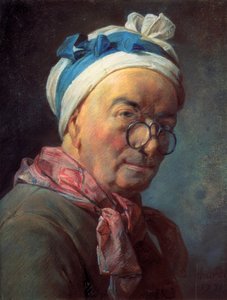
Шарден
1699 - 1779 , Франция
Основные сведения
- Artistic Movement Or Style: Натюрморт, Жанр
- Artists Or Movements Influenced By This Artist:
- Сезанн
- Матисс
- Artists Who Influenced This Artist:
- Cazes
- Coypel
- Date Of Birth: 2 нояб 1699
- Date Of Death: 6 дек 1779
- Full Name: Jean-Baptiste-Siméon Chardin
- Nationality: Француз
- Notable Artworks:
- «Крестьянин, играющий на флейте»
- «Семья с дочерью»
- Place Of Birth: Париж, Франция
Похожие статьи
Illuminating Realism: Exploring the Dutch Golden Age of Painting (1600-1700)
Explore the Dutch Golden Age of painting (1600-1700) with ArtsDot. Discover Rembrandt, Vermeer & other masters. Learn about techniques, history & find museum-quality reproductions.
Genre Painting: A Window into Daily Life & Societal Values of the Dutch Golden Age
Explore the captivating world of Dutch Golden Age genre painting! Discover realistic depictions of daily life, masterful artists like Ostade & Metsu, and hidden symbolism. Learn about this influential art movement with ArtsDot.

Golden Age Reflections: Dutch Baroque Painting & Cultural Innovation
Explore the Dutch Golden Age of painting! Discover key artists like Vermeer & ter Borch, their innovative techniques, and the rich cultural context behind these Baroque masterpieces. Learn about collecting & appreciating this iconic art period.
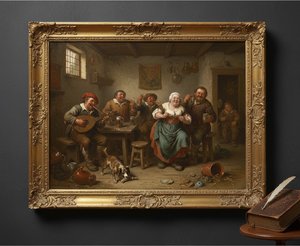
Adriaen van Ostade: A Master of Dutch Genre Painting & Social Commentary
Explore the life & work of Adriaen van Ostade, a leading Dutch Golden Age painter. Discover his realistic genre scenes, social commentary, and lasting influence on art history. Learn more at ArtsDot.
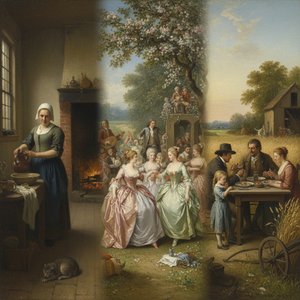
Scenes of Daily Life: A Comprehensive Exploration of Genre Painting Through History
Explore the rich history of genre painting! Discover Dutch Masters & European artists who captured everyday life with stunning realism. Learn about symbolism, techniques & lasting influence.