

 Предпросмотр
 Поделиться
 Поделиться
 Детали произведения

 Скачать
 Похожие работы
 Рентгенография
 Слайд-шоу
 Статистика
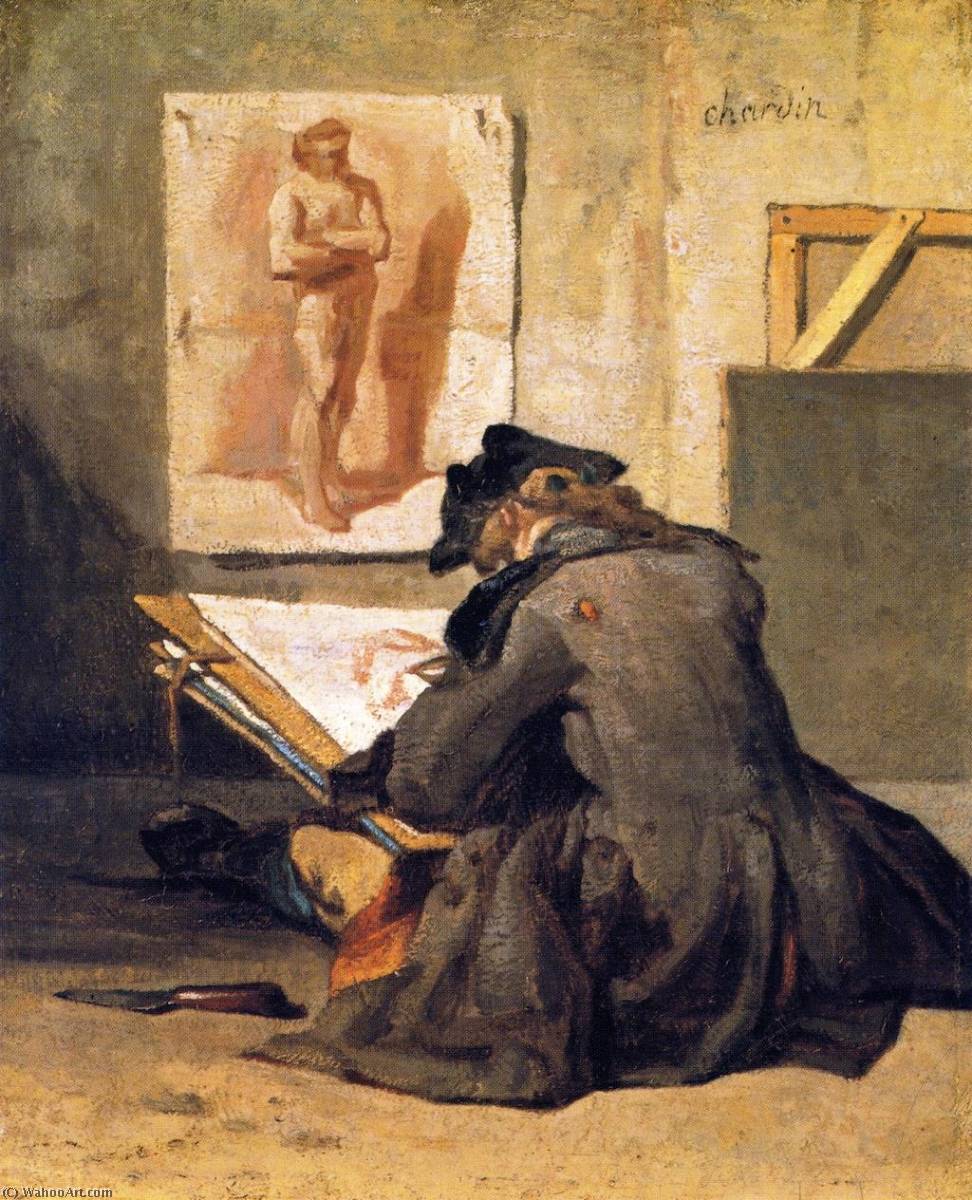
The Draughtsman
 Oil On Canvas
- WallArt
- Neoclassicism
 1734
1734- Early Modern
 21.0 x 17.0 cm
 Читать далее
Приобретите цифровое изображение высокого разрешения в улучшенном качестве, которое значительно превосходит онлайн-превью.
Каждый файл тщательно подготавливается нашими специалистами с использованием передовых инструментов и экспертной ручной ретуши. Мы гарантируем исключительную четкость, точную цветопередачу и детальную проработку каждого изображения.
Финальный файл доставляется по электронной почте в течение 72 часов и оптимизирован для немедленного использования в профессиональной среде, при верстке и печати. Это тот же уровень качества, которому доверяют ведущие дизайнерские студии, издательства и галереи.
Цифровое изображение
Скачайте файл высокого разрешения для личного использования, печати и творческих проектов. ( Перейти к печати Купить картину ручной работы)
Включено в каждый заказ цифровых изображений
Гарантия экспертной цифровой доставки
Выбирая ArtsDot.com, вы получаете не просто изображение — вы приобретаете профессионально обработанное цифровое произведение искусства, созданное с безупречной точностью и под защитой гарантии качества. Вот всё, что автоматически входит в ваш заказ:

Мгновенная доставка по e-mail
Ваш цифровой файл в высоком разрешении будет отправлен вам по электронной почте в течение 72 часов после оформления заказа — и сразу станет доступен для использования.

Цифровой файл с ИИ-улучшением
Ваше произведение искусства проходит профессиональную оптимизацию с использованием передовых инструментов ИИ и ручной обработки, что гарантирует максимальную детализацию, четкость и точность цветопередачи.

Бессрочная бесплатная повторная доставка
Случайно удалили или потеряли файл? Не беспокойтесь — мы отправим его вам повторно в любое время и совершенно бесплатно.

Без импортных пошлин — навсегда
Наслаждайтесь вашим произведением искусства мгновенно без таможенных пошлин, сборов или затрат на доставку — цифровые загрузки всегда не облагаются налогом.

Гарантия точности цветопередачи
Мы гарантируем, что ваше цифровое изображение максимально точно передает оригинальные цвета благодаря использованию профессиональных инструментов и систем управления цветом.

Гарантия удовлетворенности 100 дней
Если вы не будете удовлетворены своим цифровым изображением, мы внесем правки или вернем 100% стоимости в течение 100 дней — без лишних вопросов.

100% Гарантия возврата средств
Не удовлетворены покупкой? Получите полный возврат средств в течение 100 дней после получения цифрового файла — без лишних вопросов.

Скидки на оптовые заказы
Купите 3 изображения, сэкономьте 10% — Купите 5, сэкономьте 15% — Купите 10+, сэкономьте 20%. Отличное решение для творческих проектов, галерей и агентств.
A Study in Quiet Concentration
Jean-Baptiste-Siméon Chardin’s The Draughtsman invites us into an intimate moment of creation, a scene steeped in the quiet dignity of artistic endeavor. The composition centers on a man absorbed in his work, pencil poised over the surface before him. It is not a dramatic tableau of genius at work, but rather a study in sustained focus—a testament to the meticulous craft that underpins all great art. Surrounding this central figure, the room itself becomes a gallery within a gallery; paintings adorn the walls, suggesting a life lived among beauty and contemplation. The presence of other figures in the background adds a subtle layer of narrative depth, hinting at an audience or perhaps simply the necessary company for such deep concentration.
The Mastery of Everyday Life
Chardin’s genius, as always, lies in his profound ability to elevate the commonplace to the realm of high art. While many contemporaries sought grandeur in mythology or portraiture of nobility, Chardin found his muse in the texture of wood, the curve of a utensil, and the quiet industry of daily life. In The Draughtsman, this philosophy persists. The scene feels unposed, almost overheard—a glimpse into an artist’s studio during a lull between grand gestures. This commitment to observation imbues the piece with an unparalleled sense of authenticity. For those who appreciate art that speaks not in shouts but in hushed, resonant tones, this painting offers a sanctuary.
Technique and Atmosphere
Examining the technique reveals Chardin’s remarkable control over light and shadow. His brushwork, while capable of rendering detailed objects like the pencil or the visible artworks on the wall, maintains an overall softness that bathes the scene in a gentle, diffused light. This masterful handling of tone prevents any single element from becoming overly dramatic; instead, everything exists in harmonious relation to everything else. The interplay between the foreground action and the decorated background creates a sophisticated visual rhythm, drawing the eye across the composition while simultaneously anchoring it to the man’s focused gesture.
Symbolism of Creation
The very act depicted—the draughtsman at work—is rich with symbolism. It speaks to the process itself: the necessary preliminary sketch before the final masterpiece emerges. The surrounding paintings serve as both inspiration and evidence, suggesting that art is not a singular event but an accumulation of study, practice, and accumulated vision. Owning a reproduction of this piece allows one to bring into their own space not just a painting, but a meditation on patience, skill, and the quiet, persistent beauty found in the act of making.
Похожие произведения
Биография художника
A Life Immersed in Quiet Observation
Jean-Baptiste-Siméon Chardin, born on November 2, 1699, in the heart of Paris, wasn’t a painter destined for grand historical canvases or dramatic mythological scenes. Instead, he discovered an extraordinary depth of beauty and profound meaning within the most commonplace – the humble dignity of kitchen utensils, the gentle intimacy of domestic life, the fleeting grace captured in a simple arrangement of fruit on a tabletop. His art was born not from the patronage of nobility or the ambition of academic circles, but from a deeply felt empathy for the everyday experiences of ordinary people and an acute sensitivity to the textures and forms surrounding him. Chardin’s father, a skilled cabinetmaker, instilled within his young son a keen eye for craftsmanship and an appreciation for the inherent beauty found in materials – qualities that would become fundamental to Chardin's distinctive artistic vision. Initially apprenticed under history painters like Pierre-Jacques Cazes and Noël-Nicolas Coypel, he soon realized that his true calling lay elsewhere, diverging from the prevailing trends of the era towards a more personal and introspective approach. He chose to remain largely within the confines of Paris, finding endless inspiration in the familiar streets and modest homes near Saint-Sulpice until 1757, when he was granted lodgings in the Louvre by Louis XV – a significant recognition of his talent.The Evolution of a Master: From Still Life to Genre Painting
Chardin’s artistic journey began with still life, and it is here that he achieved his earliest renown. However, these weren't mere depictions of objects; they were imbued with a palpable weight, presence, and almost tactile reality. He didn’t simply *represent* an object; he captured its essence, its very being. His early works, such as “The Ray” (1728) and "The Buffet" (1728), demonstrate his remarkable ability to render textures with astonishing detail – the glistening scales of a fish, the rough weave of cloth, the cool smoothness of stone. He achieved this through a masterful manipulation of light and shadow, employing a subtle *impasto* technique that created a sense of volume and depth. This wasn’t merely a stylistic choice; it was integral to his artistic vision. The texture allowed him to capture the nuances of light and shadow, creating an atmosphere of warmth and intimacy. His admission to the Académie Royale de Peinture et de Sculpture in 1728 with these works cemented his reputation as a rising star. As his career progressed, Chardin began to explore *genre* painting – scenes of everyday life featuring kitchen maids, children, and families engaged in simple activities. Works like “The Young Schoolmistress” (1740) and "Saying Grace" are poignant studies in human interaction, capturing fleeting moments of tenderness, concentration, and quiet dignity. These paintings weren’t sentimental or idealized; they were honest and unvarnished portrayals of life as it was lived by the common people of Paris.A Technique Rooted in Tactility and Light
What truly sets Chardin apart is his unique approach to painting technique. He deliberately rejected the smooth, polished surfaces favored by many of his contemporaries, opting instead for a deliberately textured *impasto* – a thick application of paint that created a sense of physicality and depth. This wasn’t merely a stylistic choice; it was integral to his artistic vision. The texture allowed him to capture the subtle nuances of light and shadow, creating an atmosphere of warmth and intimacy. He built up layers of paint, often using a palette knife as much as a brush, to create surfaces that seemed to radiate light from within. His color palettes were typically muted and earthy – browns, grays, ochres, and creams – but he used these colors with extraordinary sensitivity, creating harmonies and contrasts that were both subtle and profound. He was a master of *chiaroscuro*, the dramatic interplay of light and dark, using it to sculpt forms and create a sense of atmosphere. His paintings invite viewers not just to look, but to *feel* – to experience the textures, the weight, and the presence of the objects depicted.Key Works and Influences
Chardin’s oeuvre is characterized by recurring motifs and a consistent approach to subject matter. He frequently depicted simple domestic scenes: a solitary figure engaged in quiet contemplation, a table laden with everyday objects, or a group of people sharing a moment of intimacy. “The Stone Breakers” (1738) exemplifies his ability to capture the dignity of labor, while “Basket of Peaches” (1730) showcases his mastery of color and texture. "The Young Schoolmistress" (1740), with its poignant depiction of a young woman teaching her students, is considered one of his most enduring works. Throughout his career, Chardin’s work was influenced by the Baroque masters, particularly Rembrandt and Caravaggio, whose use of light and shadow he skillfully emulated. He also drew inspiration from the Neoclassical painters, such as Jacques-Louis David, though he ultimately forged a distinctly personal style that set him apart. His artistic journey reflects a deep connection to his Parisian surroundings and a profound understanding of human nature.Legacy and Enduring Influence
Chardin’s influence on subsequent generations of artists is immeasurable. He was admired by painters as diverse as Paul Cézanne, Édouard Manet, and Henri Matisse, all of whom recognized his profound understanding of form, light, and composition. Cézanne famously declared that Chardin was “the father of us all,” acknowledging the debt he owed to the older master’s emphasis on structure and tactile quality. Chardin's focus on everyday subjects also paved the way for Realist painters like Gustave Courbet, who sought to depict life without idealization or embellishment. Beyond his influence on painting, Chardin’s work has resonated with writers, philosophers, and art historians alike. His paintings are often seen as meditations on themes of mortality, simplicity, and the beauty of the mundane. His legacy continues to inspire artists and viewers today, reminding us that profound meaning can be found in the most ordinary of things. He died in Paris on December 6, 1779, leaving behind a body of work that stands as a testament to his artistic genius and his unwavering commitment to truth and beauty.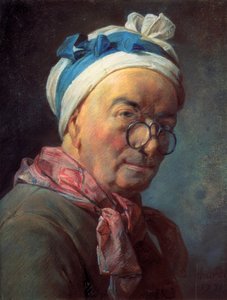
Шарден
1699 - 1779 , Франция
Основные сведения
- Artistic Movement Or Style: Натюрморт, Жанр
- Artists Or Movements Influenced By This Artist:
- Сезанн
- Матисс
- Artists Who Influenced This Artist:
- Cazes
- Coypel
- Date Of Birth: 2 нояб 1699
- Date Of Death: 6 дек 1779
- Full Name: Jean-Baptiste-Siméon Chardin
- Nationality: Француз
- Notable Artworks:
- «Крестьянин, играющий на флейте»
- «Семья с дочерью»
- Place Of Birth: Париж, Франция